
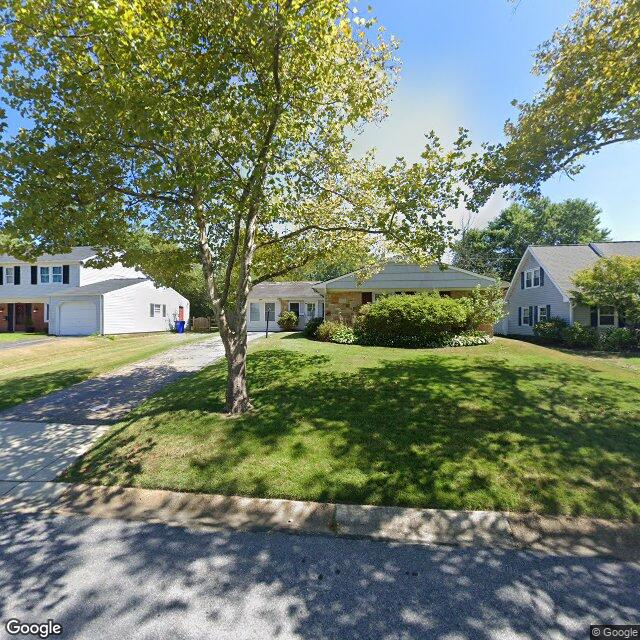
2509 Kitmore Lane, Bowie, MD 20715
To contact a resident: (301) 805-6799
For more information about senior living options: (866) 208-4318
Angel Assisted Living Bowie I Costs & Pricing
Angel Assisted Living Bowie I offers competitive pricing for its residents, providing a cost-effective option in both Prince George's County and the broader Maryland area. With semi-private rooms available at $2,500 per month, Angel Assisted Living significantly undercuts the county average of $3,058 and the state average of $3,545. For those seeking more privacy, private rooms are priced at $3,000 monthly, which is notably lower than the county's average of $3,792 and state average of $4,112. This pricing structure reflects Angel Assisted Living's commitment to delivering quality care while ensuring affordability for families navigating residential options for their loved ones.
| Floor plans | Angel Assisted Living Bowie I | Prince George's County | Maryland |
|---|---|---|---|
| Semi-Private | $2,500 | $3,058 | $3,545 |
| Private | $3,000 | $3,792 | $4,112 |
Senior living communities with a similar price nearby
-
from +$475 / mo
Gneale Home Care
$2,975 / month22.8 miles away -
from +$200 / mo
Lifesprings Eldercare II
$2,700 to $3,100 / month14.3 miles away -
About the same
Amazing Grace Senior Care
$2,500 to $3,000 / month8.5 miles away -
from +$350 / mo

Cascadia Courts II, LLC
$2,850 / month18.0 miles away -
from +$100 / mo
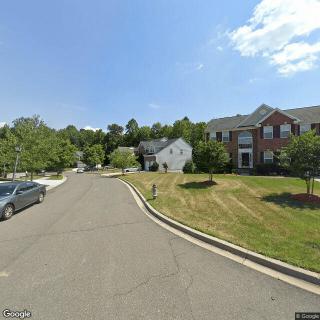
My Parent's Place
$2,600 to $3,000 / month14.0 miles away
Overall Review of Angel Assisted Living Bowie I
Pros
 The family describes Angel Care as an extended family, noting top-notch communication and care.
- They consistently recommend Angel Care and will continue to do so.
- The facility is always clean, with professional and friendly staff.
- The home is nicely kept inside and out.
- Angel Care provides visiting doctors and podiatrists, supporting resident wellness with regular care.
Cons
 The living room was small.
- Residents were eating in the kitchen when they were there.
- There was a shared room.
Review
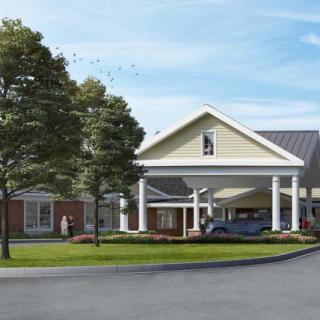
Angel Assisted Living Bowie I is best for seniors who want a warm, home-like setting with consistently strong communication and caregiving. The Bowie location comes across as a tight-knit community where staff build relationships over time, and families feel connected rather than processed. With eight residents and a living room described as compact yet well kept, the operation prioritizes daily routines, clear expectations, and personal attention over flashier amenities. Cleanliness, professionalism, and a culture of gratitude from families suggest care that goes beyond basic tasks, making this option particularly solid for older adults who thrive on dependable support, open channels with caregivers, and a sense of belonging.
Those who should consider alternatives include families seeking more privacy or a bigger, brighter social space. A shared room and a small living area may feel restrictive for residents who value personal apartment-style setups or a lively common area for activities and socialization. If the need is for heavy, round-the-clock medical oversight, on-site physicians, or a robust, full calendar of on-site programming, this community could fall short. For seniors who want frequent, structured outings and a wider range of services in a campus-size environment, other options will likely serve better.
On the upside, the strongest advantages are in how care and communication are delivered. Family members report top-notch communication and genuine care, with care teams that feel like an extended family. The staff’s professionalism and friendliness keep daily life orderly and reassuring, and the home atmosphere helps reduce the clinical distance some seniors fear. The presence of a visiting doctor and podiatrist eases access to essential checkups without requiring transfers to off-site clinics, and an exercise visit several times a week helps maintain mobility and routine. Cleanliness and visible pride in upkeep reinforce a sense of safety and comfort that can outweigh the modest size of common areas.
Yet there are tangible trade-offs. The living space is compact and the living room is described as small, which can limit options for gatherings or socializing beyond intimate groups. A shared room may challenge privacy for couples or residents who value quiet, personal space. With eight residents, the community is tiny enough to feel cozy but small enough to miss the bustle some families expect, potentially limiting peer stimulation and activity variety. One review mentioned a lower rating, signaling that experiences may vary and that a few residents might encounter issues not detailed in the positive notes.
These pros and cons balance in favor of Angel Assisted Living Bowie I for families prioritizing individual attention and reliable communication. The intimate setting allows staff to notice subtle changes quickly, align with family goals, and coordinate with visiting clinicians effectively. Cleanliness and a consistent care approach reduce common concerns about safety and neglect. For residents who do not require continuous on-site medical teams, the arrangement can deliver highly personalized support at a reasonable cost and in a homey environment. The key is to verify current room configurations, staffing levels, and the exact scope of the medical services available on-site.
Practical guidance for decision-makers centers on firsthand evaluation. Schedule extended tours to see how the eight-resident footprint feels day-to-day, inspect private room options if privacy matters, and confirm the current activity slate beyond occasional exercise sessions. Ask about staff-to-resident ratios, response times, and how the facility coordinates with visiting clinicians to manage chronic conditions. Gather perspectives from multiple residents and families to gauge consistency of care. Angel Assisted Living Bowie I stands out for those who want a trusted, familial care culture in a compact, well-maintained setting; for others, a larger, more independent or more medically equipped community may be preferable.
 Board and Care Home
 Activities off-site
 Beautician on-site
 Devotional services off-site
 Indoor common areas
 Outdoor common areas
 Private
 Respite or short term stays offered
 Wheelchair accessible showers
 Baltimore-Washington International (15 miles away)
 Diabetic care
 High acuity care
 Incontinence care
 Meals provided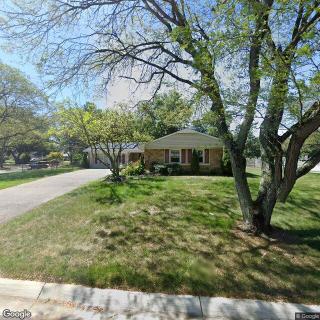



 8 Essential Assistive Devices for Older Adults
 Navigating the Financial Road to Nursing Home Care: In-Depth Guidance and Resources
 Supportive Employee Benefits That Help Caregivers Attain Better Work-Life Harmony