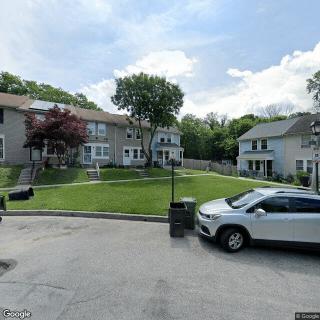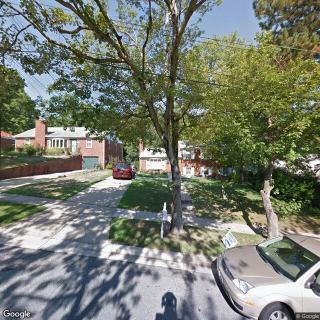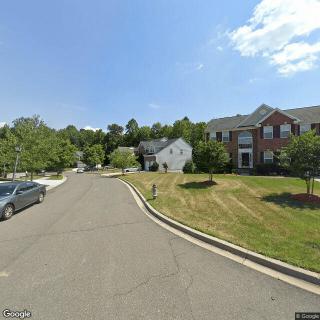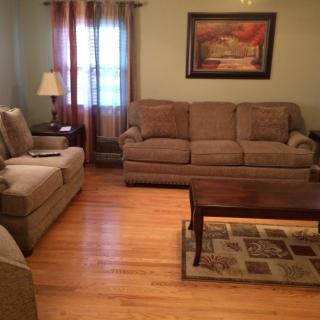
Angel II in Bowie, MD

Save
Angel II

Angel II in Bowie, MD

12618 Kornett Lane, Bowie, MD 20715

For more information about senior living options: (844) 490-3973

4.3 from 6 reviews
5 stars
3
4 stars
2
3 stars
1
2 stars
0
1 stars
0

Assisted Living Board and Care Home

Angel II Costs & Pricing

Angel II offers competitive pricing for its care services, especially when compared to both Prince George's County and the broader state of Maryland. For a semi-private room, the monthly cost at Angel II is $2,500, significantly lower than the county average of $3,058 and the state average of $3,545. Similarly, for private accommodations, residents can expect to pay $3,000 at Angel II, which stands in stark contrast to the county's rate of $3,792 and the state's rate of $4,112. These pricing advantages make Angel II an attractive option for individuals seeking quality care within a budget-friendly framework in comparison to surrounding areas.

Floor plansAngel IIPrince George's CountyMaryland
Semi-Private$2,500$3,058$3,545
Private$3,000$3,792$4,112

Overall Review of Angel II

Pros

  • pro They are absolutely amazing with the son.
  • pro The son learns rapidly, surprising his parents every day.
  • pro They are compassionate and supportive, focused on ensuring children learn and grow.
  • pro The chosen option is neat, clean, and very helpful, and it fits within their price range.
  • pro It has a good location and a manageable size, with a maximum of eight residents and a small team of caregivers.
  • pro The house is neat and clean, with pricing starting at $2000 per month and scaling with residents' needs.

Review

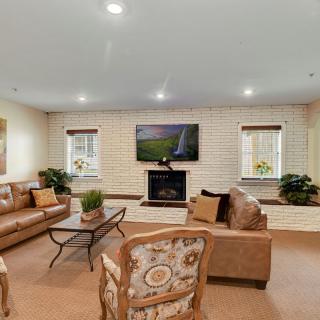
Angel II in Bowie, MD is best suited for families seeking a small, home-like assisted living option where residents receive highly personalized attention. The community caps at eight residents, with a lean staffing presence typically around two to three caregivers, which translates to a tightly knit environment. Pricing starts at about $2,000 per month and scales upward as residents require more support, creating a predictable, mid-range cost structure within a small-house setting. The house itself reads as neat and clean, and the staff are described as compassionate and supportive, with a clear focus on keeping residents engaged and progressing in a meaningful way. For families prioritizing daily familiarity, consistency, and a caregiver-driven atmosphere, Angel II offers tangible value.

This is not the right fit for families requiring deep, ongoing medical nursing oversight, full-time skilled care, or specialized memory care. Alternatives are worth considering for residents with high acuity, complex wound care, frequent clinical interventions, or pronounced dementia needs that demand structured, around-the-clock clinical staffing and integrated memory-care design. The lean ratio of 2?3 caregivers for eight residents can be a concern for those who expect continuous nursing presence or expansive therapeutic programming. If safety nets like on-site physicians, 24/7 nursing, or highly regimented medical management are non-negotiable, it's prudent to compare options with larger staff contingents and formal memory-care wings.

The core strengths of Angel II - its intimate size, evident cleanliness, and a caregiver-centric approach - have a meaningful payoff. Residents benefit from more individualized attention, faster communication with staff, and the chance to form closer relationships with both caregivers and fellow residents. This environment naturally supports a sense of belonging and routine, which can reduce anxiety and promote daily engagement. The pricing structure, while modestly variable, remains within reach for families seeking a modest, predictable expense rather than a premium, large-community bill. When a high staff-to-resident ratio isn't the primary imperative, Angel II's small scale becomes a real advantage for people who value warmth, stability, and the opportunity to know the caregivers by name.

Yet the same small footprint that brings warmth also narrows the breadth of services and programming that larger facilities routinely provide. The implicit trade-off is a potential constraint on 24/7 clinical oversight and on the range of activities, outings, or specialty programs available on any given day. Families should verify how medications are managed, who handles daily health checks, and how quickly staff can respond to emergencies or sudden changes in condition. It's also wise to confirm the alignment of resident mix with preferences - whether the home leans toward a particular gender balance, activity level, or social style - and to understand how distractions, holidays, or staff turnover might affect consistency of care.

To make a confident decision, prospective residents and families should visit with a concrete checklist in hand. Ask about daily schedules, typical staffing shifts, and how many residents are on each activity track (meals, activities, mobility assistance). Inquire about how memory-related needs are addressed and whether any dedicated memory-care resources exist nearby or within the same agency network. Clarify what the monthly rate covers beyond basic room and board, including medications, incontinence care, laundry, or therapy services, and request a sample weekly calendar to gauge the breadth of engagement. Finally, assess whether the setting aligns with the resident's personality and preferences: does the home's pace feel comfortable, does the staff communication style match what the family expects, and is there a sense of genuine, ongoing relationship-building?

In sum, Angel II is a practical, reputably clean, and emotionally supportive option for seniors who want a compact, attentive environment and can manage with a lean staffing model. It shines for families prioritizing close caregiver contact, predictable pricing within a modest range, and a home-like atmosphere where residents are known individually. For those whose needs go beyond basic assisted living - especially where medical oversight, rapid clinical response, or specialized dementia care are non-negotiable - exploring larger communities or facilities with dedicated memory-care wings is advised. When the priority is everyday humanity, reliable oversight by a small, engaged team, and a setting that feels like a true home, Angel II earns strong consideration.

Features

Housing

  • 8 resident community capacity 8 resident community capacity

Types of Care

  • Assisted Living Assisted LivingAssisted living facilities provide crucial support and care for seniors who may need help with daily tasks such as medication management, bathing, and meal preparation. These communities offer a safe and comfortable environment where seniors can maintain their independence while receiving the assistance they need to thrive in their golden years.
  • Board and Care Home Board and Care HomeBoard and care homes provide a smaller, more intimate setting for seniors who require assistance with daily tasks but do not need the level of care offered by a nursing home. They offer personalized care, meals, and social activities in a homelike environment, ensuring that seniors receive individualized attention and support in their golden years.

Amenities

  • Activities off-site Activities off-siteEngaging in off-site activities is crucial for seniors to maintain social connections, stay active, and stimulate their minds. It promotes overall well-being and helps combat feelings of isolation and loneliness.
  • Activities on-site Activities on-siteActivities on-site are important for seniors because they provide opportunities for socialization, mental stimulation, physical activity, and overall well-being. Engaging in activities can help seniors stay active, maintain their independence, and improve their quality of life.
  • Beautician on-site Beautician on-siteHaving a beautician on-site at a senior living community is important for seniors as it allows them to easily access grooming and personal care services, boosting their self-esteem and overall well-being. It also provides convenience and helps seniors maintain their sense of independence and personal style.
  • Cable or satellite TV Cable or satellite TVCable or satellite TV is important for seniors because it provides entertainment, news, and companionship, helping to combat loneliness and boredom. It also offers a wide range of programming options tailored to different interests and preferences.
  • Devotional services off-site Devotional services off-siteDevotional services off-site are important for seniors as they provide spiritual nourishment, social engagement, and a sense of community outside of the senior living facility. This can enhance overall well-being and help combat feelings of isolation and loneliness often experienced by older adults.
  • Devotional services on-site Devotional services on-siteDevotional services on-site provide seniors with spiritual support and a sense of community, as well as an opportunity for reflection and guidance during their senior living experience. This can promote emotional well-being and connection to others, leading to a more fulfilling and enriching lifestyle in their later years.
  • Dining room Dining roomDining rooms are important for seniors as they provide a space for socialization, connection, and nutritious meals. They offer opportunities for residents to bond over shared meals, foster a sense of community, and promote healthy eating habits. Dining rooms also ensure that seniors have access to well-balanced meals tailored to their dietary needs and preferences.
  • Fully furnished Fully furnishedFully furnished senior living communities are important for seniors because they provide convenience, comfort, and a hassle-free moving experience. Seniors can easily settle into their new living space without the stress of having to buy and move furniture. This allows them to focus on enjoying their new home and community.
  • Garden GardenGardens are important for seniors as they provide a peaceful and therapeutic environment for relaxation, physical activity, and socialization. Being in nature has been shown to reduce stress, improve mood, and promote overall well-being. Gardens also offer opportunities for seniors to engage in gardening activities, which can improve mobility, flexibility, and cognitive function. Additionally, gardens create a sense of community and connection with others who share a passion for plants and outdoor spaces.
  • Housekeeping services Housekeeping servicesHousekeeping services are important for seniors because they help maintain a clean and safe living environment, promote independence, and reduce the risk of accidents or illnesses. Additionally, having assistance with household chores can alleviate physical strain and allow seniors to focus on other aspects of their well-being.
  • Indoor common areas Indoor common areasIndoor common areas are crucial for seniors as they provide a space for socialization, recreation, and community engagement, promoting overall well-being and reducing feelings of isolation and loneliness.
  • Move-in coordination Move-in coordinationMove-in coordination is important for seniors because it helps ease the transition into their new living environment. It ensures that all logistics, such as packing, organizing movers, and setting up utilities are taken care of, allowing seniors to focus on settling in and adjusting to their new home. Having a smooth move-in process can alleviate stress and anxiety, making the transition smoother and more enjoyable for seniors.
  • Outdoor common areas Outdoor common areasOutdoor common areas are important for seniors as they provide a space for socialization, physical activity, and relaxation. Being outside in nature can improve mood and overall well-being, while also encouraging movement and engagement with others. These spaces can help combat feelings of isolation and promote a sense of community among residents.
  • Outdoor space Outdoor spaceOutdoor spaces are important for seniors as they provide opportunities for physical activity, social interaction, exposure to natural light and fresh air, and a sense of connection to nature. Having access to outdoor spaces can improve overall well-being and quality of life for older adults living in senior communities.
  • Private PrivatePrivacy is important for seniors as it allows them to maintain their independence, dignity, and sense of control over their own lives. It also gives them the space and freedom to relax, reflect, and engage in activities that bring them joy and fulfillment. Creating private spaces within senior living facilities is crucial for promoting overall well-being and quality of life.
  • Respite or short term stays offered Respite or short term stays offeredRespite or short term stays provide seniors with a temporary solution when their regular caregiver is unavailable, offering them the opportunity to receive additional care and support during times of need, while also giving caregivers a chance to rest and recharge.
  • Telephone TelephoneTelephones are important for seniors as they provide a lifeline for communication with loved ones, emergency services, and healthcare providers. They offer a sense of security and independence, enabling seniors to stay connected and access assistance when needed.
  • Wheelchair accessible showers Wheelchair accessible showersWheelchair accessible showers are crucial for seniors as they provide a safe and independent bathing option for those with mobility challenges. These showers help prevent falls and allow seniors to maintain their dignity and autonomy while ensuring they can bathe comfortably.
  • Wi-Fi/high-speed internet available Wi-Fi/high-speed internet availableWi-Fi/high-speed internet is important for seniors to stay connected with loved ones, access online resources, and participate in virtual activities to combat feelings of loneliness and isolation. It also allows them to easily manage healthcare needs, access entertainment, and engage in lifelong learning opportunities.

Transportation

  • Baltimore-Washington International (16 miles away) Baltimore-Washington International (16 miles away)
  • Ronald Reagan Washington National (18 miles away) Ronald Reagan Washington National (18 miles away)

Care Services

  • 24-hour supervision 24-hour supervision24-hour supervision is important for seniors to ensure their safety, well-being, and access to immediate assistance in case of emergencies or health issues. This constant support provides peace of mind for both seniors and their loved ones, allowing them to age in place with dignity and security.
  • Activities of daily living assistance Activities of daily living assistanceActivities of daily living assistance are important for seniors because they provide essential support with tasks such as eating, bathing, dressing, and mobility. This assistance helps seniors maintain their independence, dignity, and overall quality of life as they age.
  • Assistance with bathing Assistance with bathingAssistance with bathing is crucial for seniors as it helps maintain personal hygiene, prevents infections, and ensures their overall well-being and comfort. It also provides a sense of dignity and independence for seniors who may struggle with this task on their own.
  • Assistance with dressing Assistance with dressingAssistance with dressing is important for seniors because it helps maintain their independence, promotes personal hygiene, prevents accidents and injuries, and improves overall quality of life. This service ensures that seniors can continue to dress comfortably and confidently, despite any physical limitations they may have.
  • Assistance with transfers Assistance with transfersAssistance with transfers is crucial for seniors as it helps prevent falls and injuries, maintains their independence, and ensures they can safely navigate their living environment. It also provides peace of mind for both seniors and their loved ones.
  • Coordination with health care providers Coordination with health care providersCoordination with health care providers is crucial for seniors to ensure proper medical care, medication management, and overall well-being. This collaboration helps prevent overlapping treatments, track progress more effectively, and provide comprehensive support tailored to individual needs.
  • Diabetes diet Diabetes dietA diabetes diet is crucial for seniors as it helps manage blood sugar levels, reduce risks of complications, and improve overall health and well-being. By following a balanced and nutritious diet tailored to their specific needs, seniors can better control their diabetes and enhance their quality of life.
  • Diabetic care Diabetic careDiabetic care is crucial for seniors as they are more susceptible to developing diabetes due to aging and other health conditions. Proper management of diabetes can help prevent complications such as heart disease, vision loss, and nerve damage, improving the overall quality of life for seniors in senior living communities.
  • High acuity care High acuity careHigh acuity care is important for seniors because it provides specialized medical attention and support for individuals with complex medical needs. This level of care ensures that seniors receive the appropriate treatment and assistance to maintain their health and quality of life as they age.
  • Incontinence care Incontinence careIncontinence care is essential for seniors to maintain their dignity, hygiene, and overall quality of life. By addressing incontinence issues promptly and effectively, seniors can enjoy a sense of independence and comfort in their daily activities.
  • Meal preparation and service Meal preparation and serviceMeal preparation and service are crucial for seniors as they may have limited mobility or energy to cook nutritious meals. Having access to healthy and convenient food options can ensure they are getting the proper nutrition needed to maintain their overall health and well-being.
  • Medication management Medication managementMedication management is crucial for seniors to ensure they are taking the right medications at the correct dosages and times. This helps prevent adverse drug interactions, reduces the risk of medication errors, and promotes overall health and well-being. Proactive management also allows for adjustments as needed based on changing health conditions or new prescriptions.
  • Special dietary restrictions Special dietary restrictionsSpecial dietary restrictions are important for seniors because age-related changes in metabolism and health conditions can make it difficult for their bodies to process certain foods. By following a diet tailored to their specific needs, seniors can maintain their overall health and well-being, manage chronic conditions, and reduce the risk of complications such as malnutrition or food interactions with medications.
  • Transportation arrangement (medical) Transportation arrangement (medical)Transportation arrangements for medical purposes are essential for seniors as they may have difficulty driving themselves to appointments or accessing public transportation. Having reliable and safe transportation options ensures that seniors can receive timely medical care and maintain their health and well-being.
  • Transportation to doctors appointments Transportation to doctors appointmentsTransportation to doctors' appointments is crucial for seniors as it ensures they have access to necessary medical care and support for their health needs. Without reliable transportation, seniors may struggle to attend important appointments, leading to potential delays in treatment and health complications. Providing transportation services helps seniors maintain their overall well-being and quality of life.

Dining

  • Diabetes diet Diabetes dietA diabetes diet is crucial for seniors as it helps manage blood sugar levels, reduce risks of complications, and improve overall health and well-being. By following a balanced and nutritious diet tailored to their specific needs, seniors can better control their diabetes and enhance their quality of life.
  • Meals provided Meals provided"Meals provided" are crucial for seniors in assisted living communities as it ensures they have access to nutritious, balanced meals without the stress of meal planning and preparation. This can help promote overall health and well-being for seniors who may have limited mobility or cognitive abilities.
  • Special dietary restrictions Special dietary restrictionsSpecial dietary restrictions are important for seniors because age-related changes in metabolism and health conditions can make it difficult for their bodies to process certain foods. By following a diet tailored to their specific needs, seniors can maintain their overall health and well-being, manage chronic conditions, and reduce the risk of complications such as malnutrition or food interactions with medications.
  • Vegetarian VegetarianA vegetarian diet is important for seniors because it can help lower the risk of chronic diseases, maintain a healthy weight, and provide essential nutrients needed for aging bodies. Additionally, plant-based diets are often easier on digestive systems and can contribute to overall well-being in older adults.

Activities

  • Activities off-site Activities off-siteEngaging in off-site activities is crucial for seniors to maintain social connections, stay active, and stimulate their minds. It promotes overall well-being and helps combat feelings of isolation and loneliness.
  • Activities on-site Activities on-siteActivities on-site are important for seniors because they provide opportunities for socialization, mental stimulation, physical activity, and overall well-being. Engaging in activities can help seniors stay active, maintain their independence, and improve their quality of life.
  • Community-sponsored activities Community-sponsored activitiesCommunity-sponsored activities are important for seniors as they provide opportunities for social interaction, mental stimulation, and physical activity. These activities can help improve overall well-being, combat loneliness and isolation, and promote a sense of belonging and purpose among older adults.
  • Devotional activities offsite Devotional activities offsiteDevotional activities offsite are important for seniors because they provide social engagement, spiritual growth, and a sense of community outside of their living environment. This can improve overall well-being, mental health, and combat feelings of isolation or loneliness.
  • Devotional activities on-site Devotional activities on-siteDevotional activities on-site provide seniors with a sense of community, spiritual fulfillment, and emotional support, promoting overall well-being and a positive sense of purpose in their lives.
  • Scheduled daily activities Scheduled daily activitiesScheduled daily activities are important for seniors because they provide structure, socialization, mental stimulation, and physical activity. Engaging in regular activities can improve overall well-being and quality of life for seniors living in a community setting.

Description

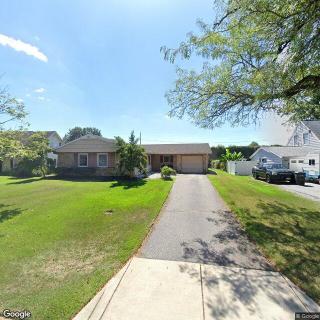
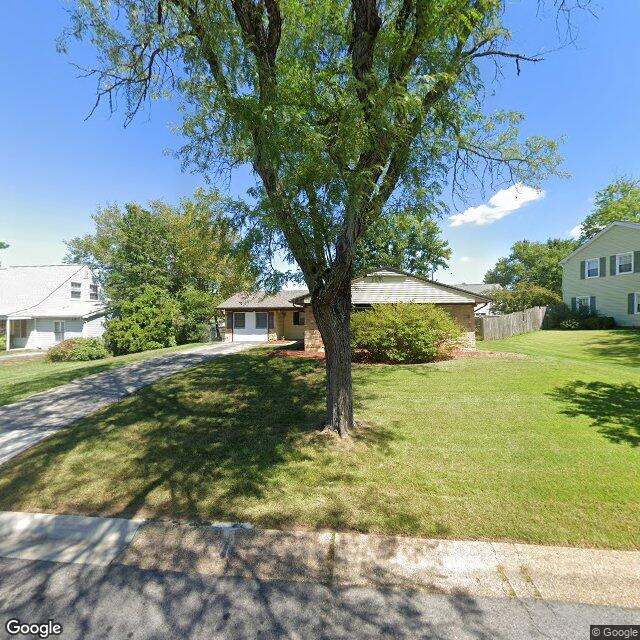
Angel II in Bowie, MD is a board and care home that offers a comfortable and secure living environment for seniors in need of assistance with daily tasks. Our community provides various amenities to ensure the well-being and enjoyment of our residents.

Residents can engage in a range of activities on-site, such as socializing with other residents, participating in organized events, or enjoying leisure time in our beautiful garden. We also have an on-site beautician to cater to their grooming needs.

For spiritual fulfillment, we offer devotional services both on-site and off-site. Our dining room serves delicious, nutritious meals that can accommodate special dietary restrictions or preferences, including vegetarian options.

The care services at Angel II focus on assisting residents with their daily activities such as bathing, dressing, and transfers. Our dedicated staff also coordinates with healthcare providers to ensure comprehensive care for each resident. We provide diabetes care and diet management for those with specific needs. Additionally, we offer incontinence care and medication management to promote comfort and well-being.

Transportation arrangements are available for medical appointments, ensuring that residents can easily reach their healthcare providers.

Our community is equipped with amenities including cable or satellite TV, fully furnished rooms, housekeeping services, indoor common areas for socializing or relaxation, outdoor common areas for fresh air and recreation, private spaces for personal privacy, wheelchair accessible showers for ease of use by individuals with mobility challenges, and Wi-Fi/high-speed internet access to stay connected digitally.

We pride ourselves on being conveniently located near various necessities such as cafes, parks, pharmacies, physicians' offices, restaurants and places of worship.

At Angel II in Bowie, MD we strive to create a warm and caring environment where seniors can live comfortably while receiving the support they need.

Nearby Places of Interest

Located in Bowie, Maryland, this area offers convenient access to a variety of essential services and amenities. Within a short distance, seniors can find reputable physicians at TLC Pediatrics, MyEyeDr, and other healthcare facilities like the Bowie Health Center-Emergency Medical Care. There are also several pharmacies such as Walgreens and CVS Pharmacy nearby for medication needs. For leisure activities, parks like Allen Pond Park provide opportunities for outdoor recreation. In terms of dining options, popular restaurants like Bob Evans and Applebee's are within reach. Additionally, there are places of worship like St Elizabeth Ann Seton Church for spiritual practices. Overall, this area in Bowie offers a mix of healthcare services, dining options, recreational spaces, and community resources that cater to the needs of seniors looking for a comfortable living environment.

Physicians

  • TLC Pediatrics (0.5 miles)
  • MyEyeDr (0.7 miles)
  • Maryland Primary Care Physicians (0.9 miles)
  • Johns Hopkins (1.3 miles)
  • Malouf Eye Center (1.3 miles)
  • The Pediatric Group (2.9 miles)
  • Dr Vanessa Allen (3.4 miles)

Restaurants

  • Bob Evans (0.8 miles)
  • Wendy's (0.8 miles)
  • McDonald's (0.9 miles)
  • Taco Bell (0.9 miles)
  • Applebee's (1 miles)
  • Chick-Fil-A (1.2 miles)
  • Rips Country Inn (1.2 miles)

Hospitals

  • Bowie Health Center-Emergency Medical Care (0.9 miles)
  • Kimbrough Ambulatory Care Clinic Main Pharmacy (9.8 miles)
  • Luminis Health Community Clinic Arundel Lodge (10 miles)

Parks

  • Allen Pond Park (1.4 miles)
  • Watkins Regional Park (5.9 miles)
  • Piney Orchard Nature Preserve (7.1 miles)

Places of Worship

  • Christian Community Presbyterian Church (1.4 miles)
  • St Elizabeth Ann Seton Church (4.6 miles)

Pharmacies

  • Walgreens (1.8 miles)
  • CVS Pharmacy (2.5 miles)
  • CVS Pharmacy (2.8 miles)
  • CVS Pharmacy (4.8 miles)
  • Giant Pharmacy (4.9 miles)
  • CVS Pharmacy (4.9 miles)
  • Wegmans (5.8 miles)

Cafes

  • Chesapeake Bay Roasting Company (4.8 miles)
  • Panera Bread (5.9 miles)
  • Starbucks (6.5 miles)
  • Starbucks (7.4 miles)
  • Starbucks (8.6 miles)
  • Starbucks (9.4 miles)

Theaters

  • Regal Waugh Chapel & IMAX (5.9 miles)

Transportation

  • New Carrollton Amtrak Station (7.5 miles)

Frequently Asked Questions

How much does it cost to live at Angel II in Bowie, MD?
Where is Angel II?

Nearby Communities

  • Holistically Devoted Assisted Living II

    Holistically Devoted Assisted Living II

    Bowie, MD


    pro Small, personalized community with 24/7 supervision and comprehensive care services.

  • Living Well

    Living Well

    Bowie, MD

    4.5 from 17 reviews
    $3,000 / month

    pro Attentive, compassionate staff; home-cooked meals; engaging activities.

  • Autumn Meadows

    Autumn Meadows

    Bowie, MD

    4 from 1 review
     

    pro Personalized living space options and dedicated staff with engaging activities.

  • Abundance Care Residential Assisted Living

    Abundance Care Residential Assisted Living

    Bowie, MD

    4.4 from 26 reviews
    $3,500 / month

    pro Warm, home-like atmosphere with attentive staff.

  • Autumn Meadows III

    Autumn Meadows III

    Bowie, MD

     
    $2,000 / month

    pro Affordable private rooms with strong nearby amenities.

  • Autumn Meadows IV

    Autumn Meadows IV

    Bowie, MD


    pro Small, intimate community with 24-hour supervision and comprehensive care (ADL assistance, medical coordination, diabetes diet).

  • Tribute at Melford

    Tribute at Melford

    Bowie, MD

    4.5 from 101 reviews
    $4,735 to $5,620 / month

    pro Beautiful, hotel-like setting with caring staff and engaging activities, including strong memory care.

  • Spring Arbor of Crofton

    Spring Arbor of Crofton

    Crofton, MD

    4.3 from 63 reviews
    $5,895 to $7,400 / month

    pro Caring, professional staff with strong communication and engaging activities in a clean, well-maintained memory-care environment.

  • Riva Terrace VI

    Riva Terrace VI

    Davidsonville, MD

    4 from 3 reviews
    $4,300 / month

    pro Responsive staff and a warm, engaging environment.

Related Resources

  • activities of daily livingComprehensive Insights into Activities of Daily Living (ADLs) and Their Assessment

    Activities of Daily Living (ADLs) are fundamental tasks vital for an individual's independence, particularly in older adults over 85, and include functions like bathing and dressing; assessing ADLs alongside Instrumental Activities of Daily Living (IADLs) helps determine the level of required assistance due to age-related health challenges. Tailored support plans, involving family and community resources, are essential for maintaining dignity and autonomy in assisted living environments.

  • does medicare pay for assisted livingMedicare Coverage for Assisted Living: An In-Depth Exploration

    Medicare does not cover assisted living costs, as it focuses on acute medical needs and short-term care, with exceptions for certain medically necessary services like physical therapy. Individuals must explore other options such as Medicaid, veterans' benefits, or long-term care insurance to manage these expenses effectively.

  • assisted living vs nursing homeChoosing the Right Senior Care: A Detailed Exploration of Assisted Living and Nursing Homes

    Choosing between assisted living and nursing homes involves evaluating emotional and financial factors, with assisted living offering independence and support for daily activities at a lower cost, while nursing homes provide intensive medical care for individuals with significant health needs. The decision is influenced by personal preferences, health status, cognitive function, and varying Medicaid coverage across states.