Roland Park Place offers a range of competitive monthly costs for its residents, with pricing that reflects the unique amenities and services available in its community. For a one-bedroom unit, the cost is set at $3,679, which is slightly higher than Baltimore City's average of $3,113 but notably lower than the statewide average of $3,904. In terms of two-bedroom accommodations, Roland Park Place charges $5,189; while this figure exceeds both the city's average of $2,993 and Maryland's statewide average of $3,497, it is important to consider the premium lifestyle experience and supportive environment provided by this distinguished residence. Overall, while costs may vary compared to other local options and state averages, Roland Park Place positions itself as a valuable choice for those seeking quality senior living in a vibrant community.
Floor plans
Roland Park Place
Baltimore city
Maryland
1 Bedroom
$3,679
$3,113
$3,904
2 Bedrooms
$5,189
$2,993
$3,497
Skilled Nursing Facilities with a similar price nearby
Residents consistently describe the staff as friendly, professional, and responsive.
Across the reviews, residents and families repeatedly mention smiling welcomes, kind interactions, and staff who help without delay. Several also describe the care team during rehab or transfers as caring and communicative, with support that makes transitions feel smoother. There is also a single complaint about one staff member’s attitude and compassion, which stands out against the otherwise positive pattern.
differentiator13 reviews mention this
Dining is a regular highlight
Dining shows up often in reviews, including restaurant-style meals and room-service options.
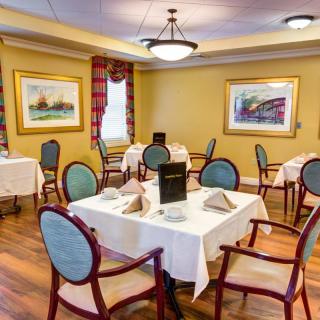
Food is one of the most mentioned day-to-day positives, with reviewers describing excellent meals, good presentation, and a variety of choices. Multiple people call out dining-room experiences and special dinners, and others mention enjoying the cafe as an alternative to the main dining room. This lines up with what the community offers, including restaurant-style dining, room service, and meals provided with special dietary restrictions.
common10 reviews mention this
Clean grounds and well-kept spaces
Reviews frequently point to cleanliness, well-kept grounds, and tidy apartments.
Many reviewers describe the facility as clean—often noting spotless interiors, maintained rooms, and attractive, well-kept grounds. Several also compare the feel to something more upscale than an institutional setting, and one reviewer mentions concerns only about needing additional remodeling or finishing work as updates continue. One review does criticize conditions in very strong terms, but most of the cleanliness feedback is positive and specific.
differentiator7 reviews mention this
Care options on the same campus
Residents like that multiple levels of care are available on-site.
Several reviews describe a campus that supports moving between independent living, assisted living, memory care, and skilled care as needs change. Families also mention skilled care and rehab experiences when a loved one needed therapy or more support, and one reviewer highlights close supervision by nurses after a stroke. The community also explicitly offers a range of care services, including medication management, physical therapy, and assistance with daily activities, which helps explain why transitions are a recurring theme in the reviews.
common9 reviews mention this
Activities and trips feel built-in
Residents consistently describe an active schedule with programs, clubs, and outings.
Reviews frequently mention ongoing activities, community programs, and resident-run groups like book clubs, quilting, and other scheduled events. Families also talk about day trips and outings, including trips and excursions, and some mention transportation as part of how residents stay engaged. The community offers many scheduled daily activities, religious services, fitness programs, and day trips, matching the way residents describe their options.
caveat6 reviews mention this
High cost is a recurring concern
Pricing is frequently described as very expensive, especially for long-term needs.
Cost comes up in multiple reviews, with several people saying the community is priced beyond what they could afford. Others mention it feeling pricey in the context of the level of care or coordination they experienced, and one family cites a daily cost notice that they felt was not worth it. The pricing shown is above the county average across unit types and varies relative to the state benchmark as well.
How we summarize
Counts show how many written reviews mention each theme; a review can touch several themes, and only frequently mentioned themes are displayed.
Features
Housing
41 resident community capacity
1-bedroom apartments
2-bedroom apartments
Studio apartments
Types of Care
Assisted Living
Continuing Care Retirement Community (CCRC)
Independent Living
Respite Care
Skilled Nursing Facility
Pets
Cats allowed
Dogs allowed
Amenities
Activities off-site
Activities on-site
Air-conditioning
Beautician on-site
Beauty salon
Cable or satellite TV
Devotional services off-site
Devotional services on-site
Dining room
Full kitchen
Fully furnished
Garden
Ground floor units
Housekeeping services
Indoor common areas
Laundry
Move-in coordination
Outdoor common areas
Outdoor space
Party space
Private bathrooms
Resident parking
Respite or short term stays offered
Swimming pool
Swimming pool / hot tub
Wheelchair accessible showers
Wi-Fi/high-speed internet available
Transportation
Baltimore-Washington International (11 miles away)
Community operated transportation
Transportation & parking
Transportation arrangement
Transportation arrangement (non-medical)
Care Services
24-hour call system
24-hour supervision
Activities of daily living assistance
Assistance with bathing
Assistance with dressing
Assistance with transfers
Beauty salon
Care with behavioral issues
Dementia waiver
Diabetes diet
Diabetic care
High acuity care
Hospice waiver
Incontinence care
Meal preparation and service
Medication management
Physical therapy
Rehabilitation program
Special dietary restrictions
Dining
Diabetes diet
Guest meals
Meals provided
Professional chef
Restaurant style dining
Room service
Special dietary restrictions
Vegetarian
Activities
Activities off-site
Art classes
Catholic services
Community-sponsored activities
Day trips and outings
Devotional activities offsite
Devotional activities on-site
Educational speakers / life long learning
Fitness programs
Jewish services
Other religious services
Protestant services
Religious services
Resident-run activities
Scheduled daily activities
Visiting Rabbi
Visiting chaplain or priest
Languages Spoken
English
Videos
Nearby Places of Interest
This area of Baltimore, Maryland offers a variety of amenities in close proximity for seniors looking to relocate. From a selection of cafes like Miss Shirley's Cafe and Ceremony Coffee Roasters, to pharmacies such as Walgreens and CVS Pharmacy, essential services are easily accessible. In terms of healthcare, there are several physicians' offices nearby, including the Scottish Rite Speech & Language Center and University of Maryland Medical Center Midtown Professional Building. Additionally, hospitals like MedStar Union Memorial Hospital and Sinai Hospital Of Baltimore are within short distances. For leisure activities, there are parks like Lake Roland and Patterson Park available for outdoor enjoyment. Places of worship such as Brown Memorial Woodbrook Presbyterian Church cater to spiritual needs, while the Cinemark Towson And Xd theater provides entertainment options. Overall, this area offers convenience and accessibility for seniors seeking a comfortable living environment in Baltimore.
Cafes
Miss Shirley's Cafe, Roland Park (0.4 miles)
Starbucks (2.1 miles)
Dooby's (2.9 miles)
Ceremony Coffee Roasters (3 miles)
Starbucks (4.1 miles)
Pitango Bakery + Cafe (4.5 miles)
Pharmacies
Walgreens (0.5 miles)
CVS Pharmacy (0.6 miles)
Walgreens (1.4 miles)
CVS Pharmacy (1.5 miles)
CVS Pharmacy (1.6 miles)
Walgreens (2.1 miles)
Walgreens (2.5 miles)
Physicians
Scottish Rite Speech & Language Center (0.7 miles)
University of Maryland Medical Center Midtown Professional Building (2.7 miles)
East Baltimore Medical Center (3 miles)
Dr Richard A. Adler, Belcara Health Ophthalmology (3 miles)
Jai Medical Center (3.3 miles)
University Health Center (3.5 miles)
Wozniak Marcella University of Maryland Medical Center Neurology (3.5 miles)
Hospitals
MedStar Union Memorial Hospital (1.1 miles)
Sinai Hospital Of Baltimore (1.9 miles)
UMMC Midtown Campus (2.7 miles)
MedStar Good Samaritan Hospital (2.7 miles)
Baltimore VA Medical Center (3.4 miles)
Kennedy Krieger Institute (3.4 miles)
Osler Bulding (3.5 miles)
Restaurants
Burger King (1.3 miles)
McDonald's (1.6 miles)
Zen West Roadside Cantina (2.1 miles)
Mt. Washington Tavern (2.3 miles)
Pepe's (2.6 miles)
Trinacria Macaroni Works (3.1 miles)
Koco's Pub (3.1 miles)
Transportation
Penn Station (2.3 miles)
Parks
Lake Roland (2.7 miles)
Rodgers Forge Tot Lot (2.7 miles)
Rash Field (4.2 miles)
Federal Hill Park (4.2 miles)
Harbor Point Central Plaza (4.4 miles)
Patterson Park (4.5 miles)
Patterson Park Annex (4.6 miles)
Places of Worship
Brown Memorial Woodbrook Presbyterian Church (2.8 miles)
Roland Park Place offers a range of competitive monthly costs for its residents, with pricing that reflects the unique amenities and services available in its community. For a one-bedroom unit, the cost is set at $3,679, which is slightly higher than Baltimore City's average of $3,113 but notably lower than the statewide average of $3,904. In terms of two-bedroom accommodations, Roland Park Place charges $5,189; while this figure exceeds both the city's average of $2,993 and Maryland's statewide average of $3,497, it is important to consider the premium lifestyle experience and supportive environment provided by this distinguished residence. Overall, while costs may vary compared to other local options and state averages, Roland Park Place positions itself as a valuable choice for those seeking quality senior living in a vibrant community.
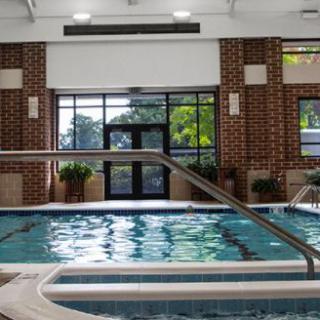
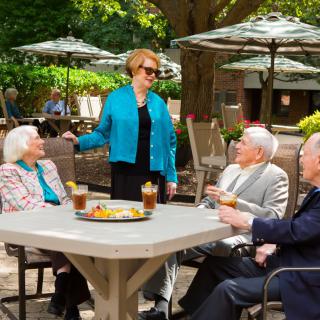
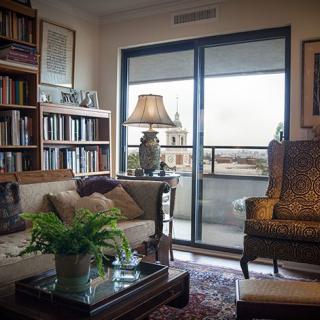
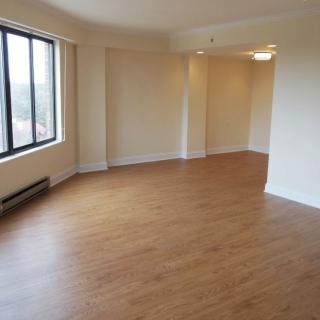
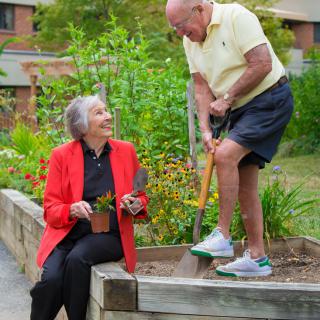
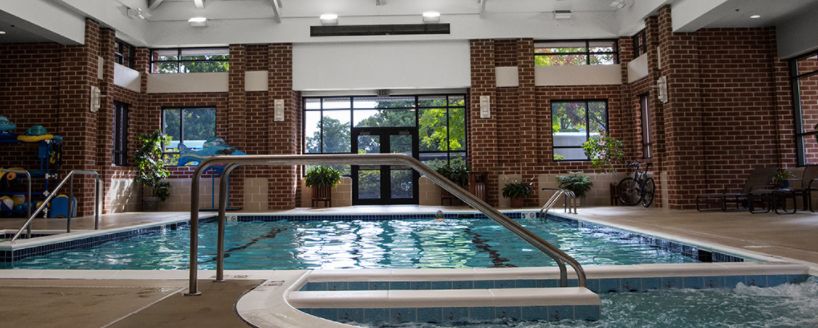
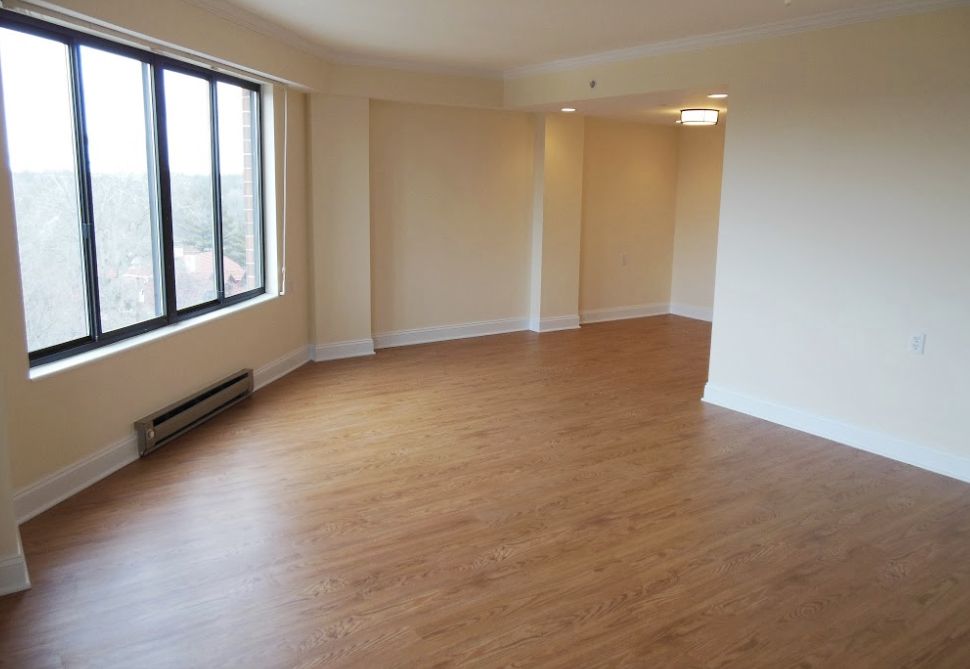
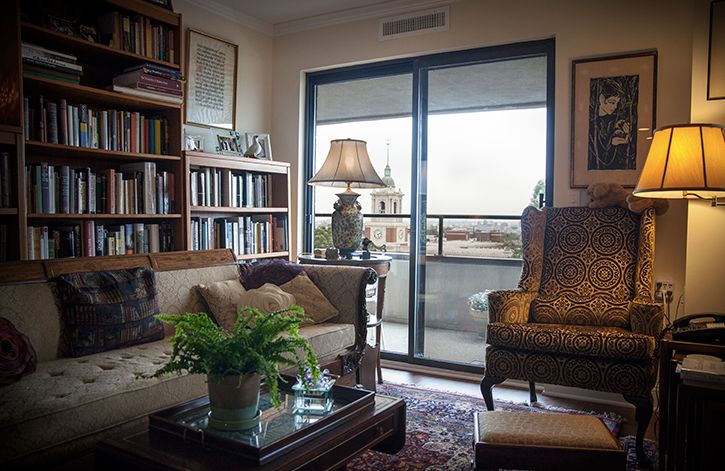
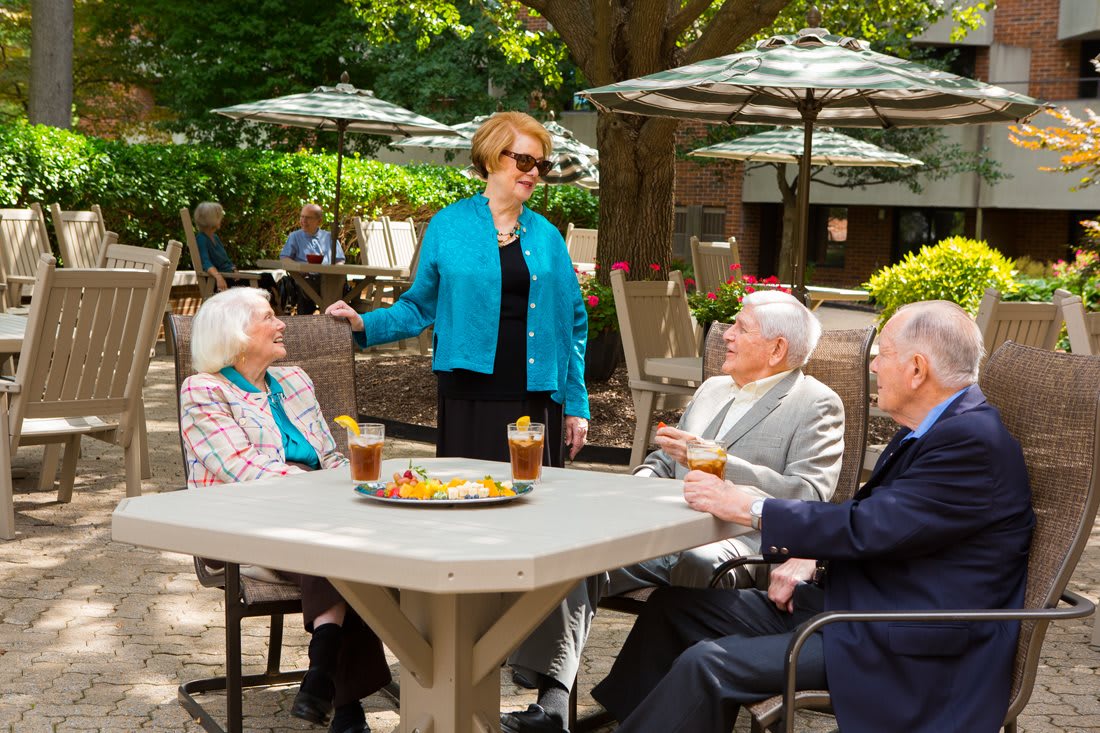
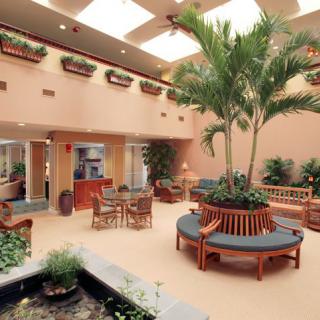
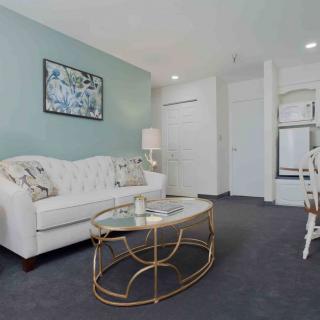
Roland Park Place on seniors.fyi includes 9 photos including images showing interior, outdoors, windows, indoor pool, swimming pool, water, garden, gardening, and more.
Nearby Communities
Keswick Assisted Living
Baltimore, MD
3.3 from 62 reviews
Potential to improve rehab services with stronger management.
Keswick Memory Care
Baltimore, MD
3.3 from 80 reviews
Caring staff in a clean, well-maintained facility with engaging activities.
St Mary's Roland View Towers
Baltimore, MD
4 from 10 reviews
$574 to $744 / month
Affordable rents with a friendly, well-kept community and on-site activities.
Symphony Manor
Baltimore, MD
4.5 from 111 reviews
$6,050 / month
Warm, attentive staff with personalized care and engaging activities.
Amy's Compassionate Care
Baltimore, MD
Intimate, small-capacity setting with comprehensive 24-hour care and coordinated health services.
Angels And Blessing II
Baltimore, MD
4.9 from 111 reviews
Comprehensive care with 24-hour supervision, diabetes-friendly dining, meal prep, and medical transportation.
Park View at Coldspring
Baltimore, MD
4 from 8 reviews
$885 / month
Friendly, knowledgeable management in a pleasant, convenient location.
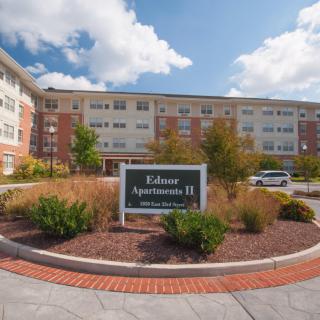
Ednor Apartments II
Baltimore, MD
4.5 from 10 reviews
$660 to $737 / month
Spacious apartments with helpful staff and on-site amenities.
The Nursing And Rehab Center At Stadium Place
Baltimore, MD
4.2 from 100 reviews
Comprehensive 24/7 care with diabetes-friendly dining and restaurant-style meals in a furnished setting.
Senior move management services assist older adults in the relocation process by providing emotional support and organizational help, addressing unique challenges like downsizing and moving from long-term homes. These specialists collaborate with real estate agents and manage logistics, making the transition smoother for seniors and their families.
The article examines senior housing options, detailing the distinctions between independent living and assisted living, along with the emerging "independent assisted living" model that blends both approaches. It highlights the importance of assessing individual needs, preferences, and financial factors in making informed decisions about suitable living arrangements for seniors.
The deductibility of assisted living expenses on taxes hinges on factors like the individual's medical condition and service nature, typically requiring the resident to be "chronically ill" per IRS definitions. Taxpayers may deduct eligible medical expenses related to personal care services but generally not rent unless primarily for medical care, and they should maintain thorough documentation to support claims while considering itemizing versus standard deductions.
Get PricingAsk A QuestionSchedule A TourContact Senior Advisor
By clicking submit, you agree to our Partner's Terms of Use. You
also consent to receive calls and texts, which may be autodialed, from our Partner. Your consent is not a condition to
using our Partner's service. Please visit our Partner's Privacy Policy for information about their privacy practices.




 41 resident community capacity
 1-bedroom apartments
 Assisted Living
 Continuing Care Retirement Community (CCRC)
 Independent Living
 Respite Care
 Skilled Nursing Facility
 Cats allowed
 Dogs allowed
 Activities off-site
 Air-conditioning
 Beautician on-site
 Cable or satellite TV
 Devotional services off-site
 Dining room
 Full kitchen
 Fully furnished
 Garden
 Ground floor units
 Housekeeping services
 Indoor common areas
 Laundry
 Move-in coordination
 Outdoor common areas
 Party space
 Private bathrooms
 Resident parking
 Swimming pool
 Wheelchair accessible showers
 Wi-Fi/high-speed internet available
 Baltimore-Washington International (11 miles away)
 Community operated transportation
 24-hour call system
 Assistance with bathing
 Assistance with dressing
 Assistance with transfers
 Care with behavioral issues
 Dementia waiver
 Diabetes diet
 Diabetic care
 Hospice waiver
 Incontinence care
 Meal preparation and service
 Medication management
 Physical therapy
 Special dietary restrictions
 Art classes
 Catholic services
 Day trips and outings
 Educational speakers / life long learning
 Fitness programs
 Jewish services
 English
 Potential to improve rehab services with stronger management.

 Senior Transition Services: Understanding Their Role, Cost, and Importance
 Exploring the Path to Senior Living: A Comprehensive Look at Independent Living and Assisted Living
 Is Assisted Living Deductible on Your Taxes? Understanding the Complexities of Assisted Living Expenses and Deductions