411 South Chapelgate Lane, Baltimore, MD 21229
For more information about senior living options: (866) 208-4318
Pleasant Garden II Costs & Pricing
Pleasant Garden II offers competitive pricing for its accommodations when compared to the broader market in Baltimore City and the state of Maryland. For a semi-private room, residents pay $1,800 per month, significantly lower than the average cost of $3,116 in Baltimore City and $3,545 across the state. Similarly, those opting for a private room at Pleasant Garden II will find the monthly fee of $2,500 to be quite reasonable compared to the city's average of $3,729 and Maryland's average of $4,112. This makes Pleasant Garden II an appealing option for individuals seeking quality care without the financial strain often associated with similar facilities in the region.
| Floor plans | Pleasant Garden II | Baltimore city | Maryland |
|---|---|---|---|
| Semi-Private | $1,800 | $3,116 | $3,545 |
| Private | $2,500 | $3,729 | $4,112 |
Assisted Living communities with a similar price nearby
-
from +$200 / mo

Senior's Place
$2,000 to $2,500 / month21.7 miles away -
from +$200 / mo

Young at Heart Assisted Living
$2,000 to $2,500 / month22.9 miles away -
from -$300 / mo
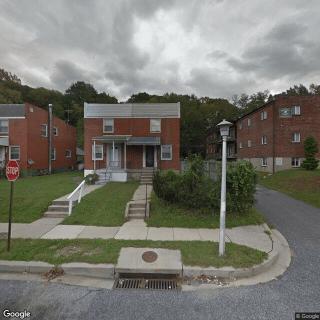
Dee's House of Care
$1,500 to $2,000 / month9.5 miles away -
from -$100 / mo
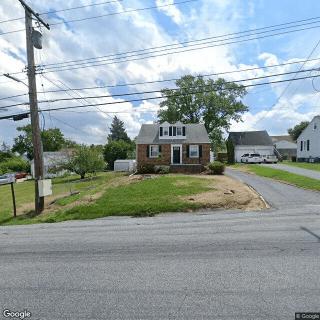
Moms & Pops Place
$1,700 to $2,000 / month11.4 miles away -
from +$200 / mo
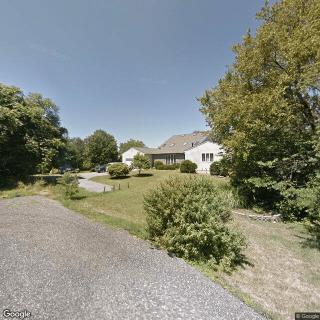
Pearls of Wisdom
$2,000 to $3,500 / month10.7 miles away
Overall Review of Pleasant Garden II
Pros
 The Pinewood staff are very pleasant and on time with the resident.
- The house environment is clean and the resident is dressed and ready to go.
- The caregiver at Pinewood is nice and precise.
- The staff are accommodating and patient with the resident.
- The new placement gives the family peace of mind.
- The community is friendly and provides a caring environment for loved ones.
- The loved one enjoys ice cream and looks forward to it.
- The staff take good care of the residents.
- They provide three meals daily and snacks.
- Laundry is done daily and showers are assisted, with staff working in shifts to prevent burnout.
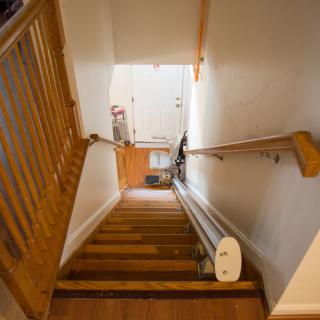
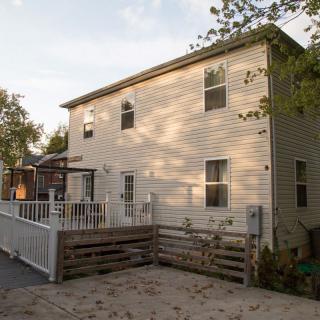
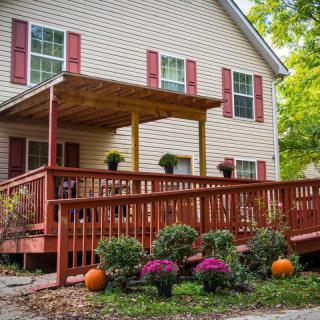
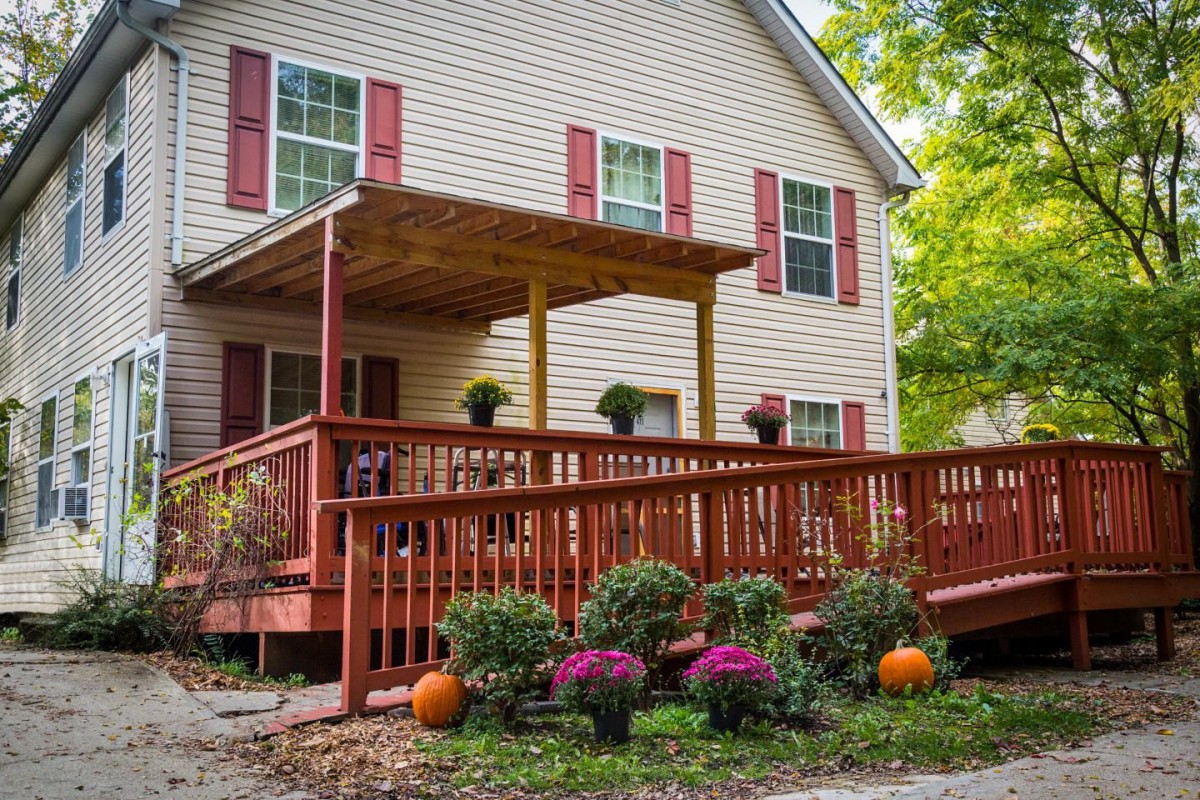
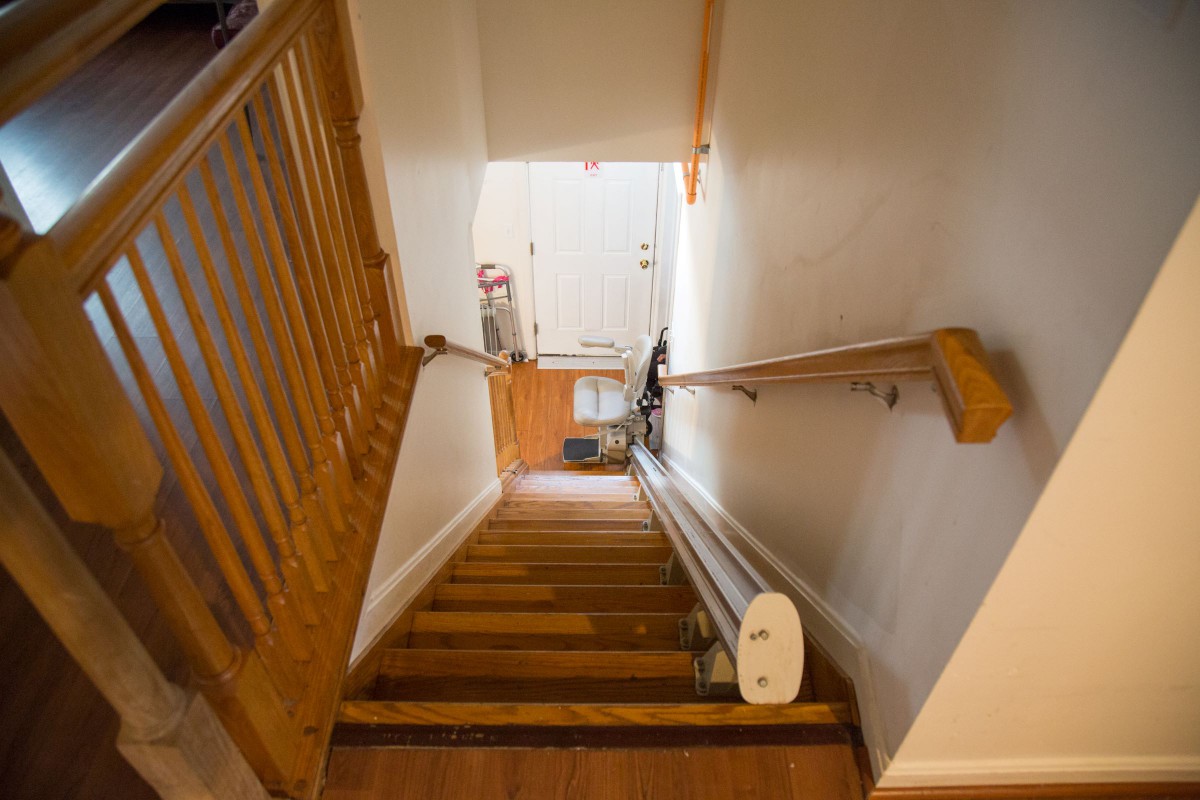
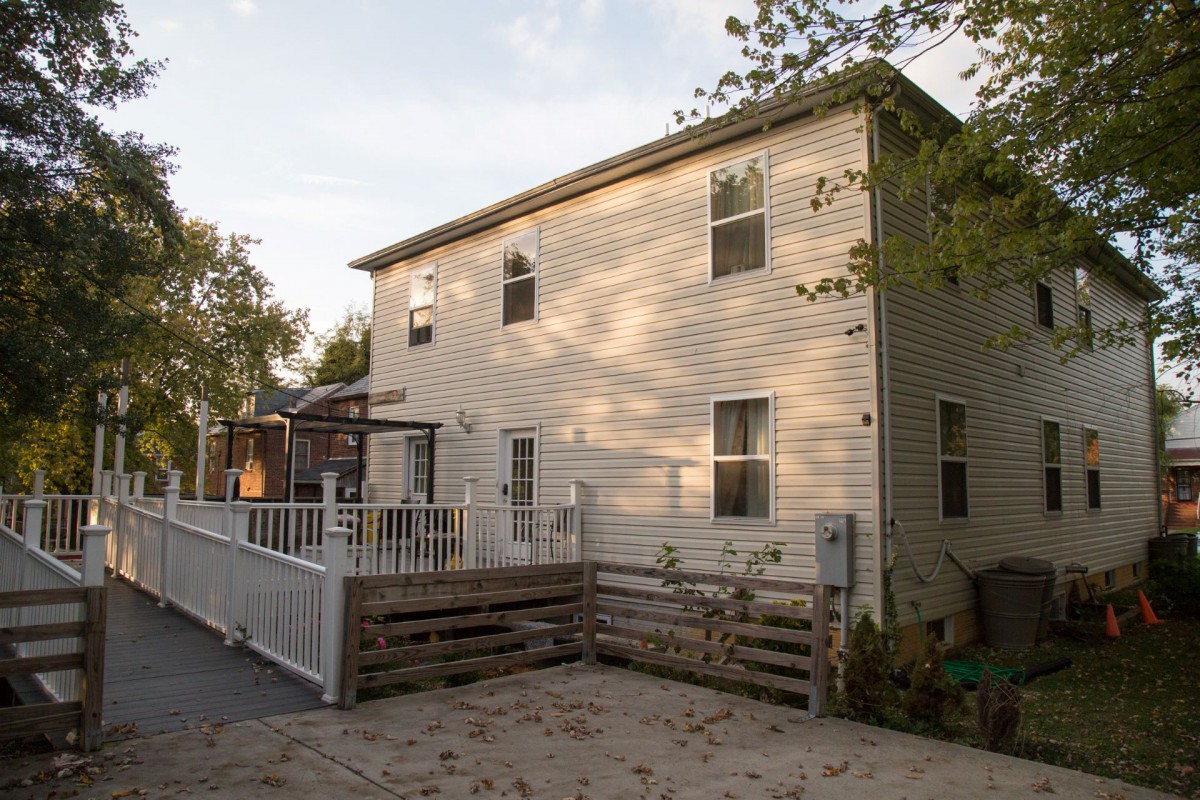
- The facility has a stair climber and a large deck.
- The owner keeps families informed of changes.
Cons
 The reviewer was disappointed that the general manager hadn't called to check in.
- The reviewer noted that the Glenmoore home did not have a good experience.
- The reviewer described the staff as unprofessional and biased in interactions with minority residents.
- The reviewer was concerned about the staffing ratio of one staff member for every eight residents.
Review
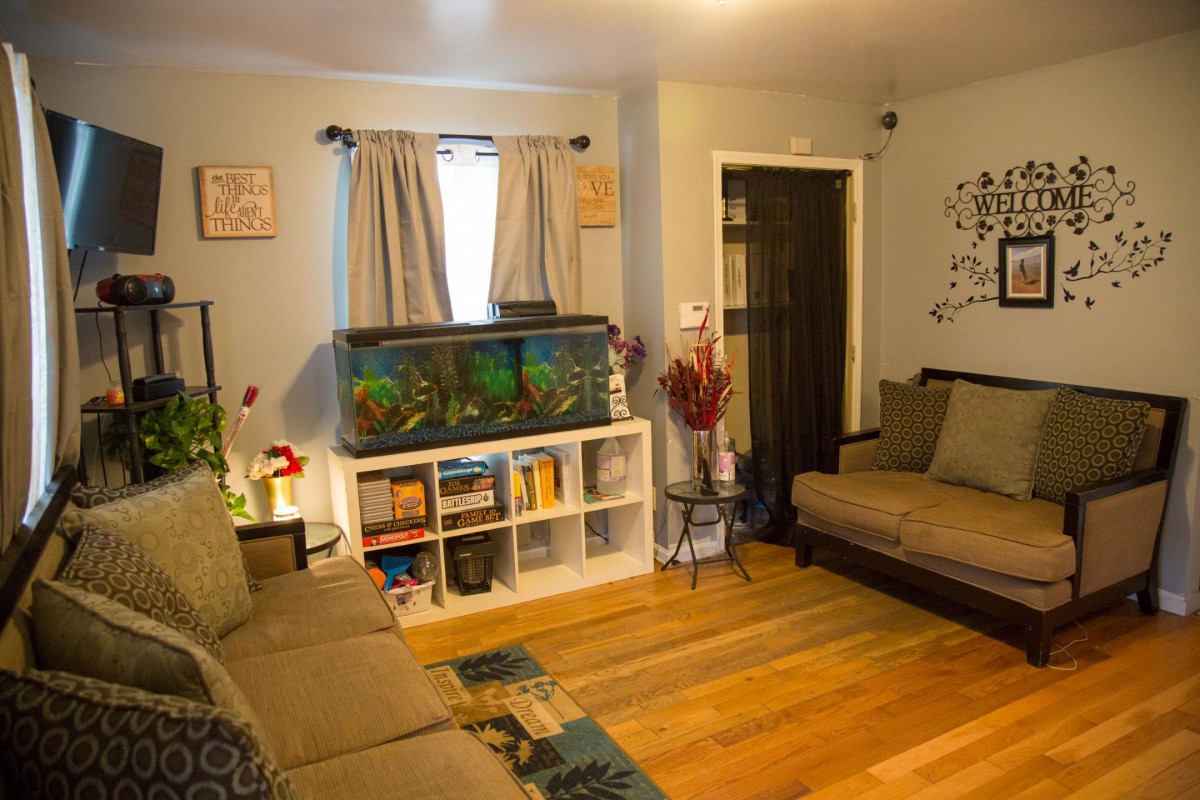
Pleasant Garden II is best suited for seniors who want a compact, home-like setting in Baltimore where daily life unfolds with warmth, predictability, and hands-on attention from a dedicated house manager. The community appeals to families seeking affordability without sacrificing cleanliness, regular meals, and a sense of personal connection. At roughly $1,800 per month, it attracts residents who prioritize daily routines, housekeeping, and a friendly, small-scale atmosphere over aggressive clinical oversight or glossy, larger-facility amenities. For someone who values a warm, neighborly environment and a clear, simple care structure, this home can be a solid fit.
Those who may want to consider alternatives are families requiring stronger clinical oversight, a higher staff-to-resident ratio, or a more consistently proactive leadership presence. One key caveat surfaced in multiple accounts: care quality and attentiveness can feel uneven, and not every interaction meets the same standard. If a seamless, uniform level of engagement from management is non-negotiable, or if there is a need for robust, routine check-ins from a general manager, this community may not consistently deliver. Prospective residents should also be mindful of mixed experiences around staff consistency and cultural sensitivity, as a review highlighted concerns about bias in interactions with residents.
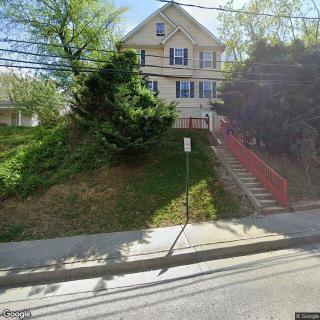
The strongest positives center on cleanliness, everyday practicality, and a genuinely friendly environment. Families repeatedly note that the community is kept tidy, meals are reliable, and staff members are courteous and on time for care tasks. The daily routine, three meals, snacks, laundry, showers, and consistent housekeeping, creates a predictable cadence that reduces anxiety for relatives. A standout feature is the bond some residents form with a particular house manager; when that connection clicks, it translates into calmer days for families and greater peace of mind. Additional practical touches, like a stairclimber for accessibility and a large back deck, add to the sense of a comfortable, livable home rather than a clinical setting.
Nevertheless, the reviews do not gloss over some notable drawbacks. There are concerns about how consistently staff attend to all residents, with one account describing uneven attention and another warning about possible bias in staff interactions. The management relationship also appears to swing on the initiative of individual managers: one family praised proactive communication from the owner, while another expressed disappointment that the general manager had not checked in. For families prioritizing uniform leadership visibility and formalized oversight, these uneven dynamics can be a meaningful hurdle. The note about staffing levels, whether a resident-to-staff ratio feels balanced, also warrants careful verification during tours and conversations.
The key in weighing pros against cons is recognizing what matters most to the specific situation. If a senior values a nurturing, homey sphere, where meals are predictable, chores are handled, and staff seem sincerely friendly, these strengths can outweigh occasional unevenness in care depth. If proximity to Baltimore, a modest price point, and a setting that emphasizes comfort and routine are deciding factors, Pleasant Garden II delivers results that feel real and reassuring. The fact that a family can point to informed updates and a trusted house manager as the backbone of daily life is a meaningful offset to the concerns voiced in firmer critiques.
When moving toward a decision, approach with concrete, situation-specific checks. Schedule a firsthand meeting with the house manager and the activity of the residence to assess compatibility, do residents seem engaged, do caregivers treat everyone with equal attention, and is the atmosphere consistently respectful? Insist on speaking with current residents and their families about who handles day-to-day care and how turnover has affected routines. Confirm staffing patterns, especially at off-peak hours, and request a written outline of who handles medical or health-related needs, even if the care is primarily assisted living. Finally, gauge whether the management team will deliver regular, proactive updates and whether the monthly cost truly covers all essential services, including laundry, meals, and personal care, without hidden fees. If these checks align with the family’s expectations and the resident’s needs, Pleasant Garden II can be a sensible, comforting choice. If not, alternatives that emphasize stronger clinical oversight and consistent leadership may be worth pursuing.
 8 resident community capacity
 Assisted Living
 Board and Care Home
 Cable or satellite TV
 Dining room
 Fully furnished
 Garden
 Housekeeping services
 Move-in coordination
 Outdoor space
 Private
 Telephone
 Wi-Fi/high-speed internet available
 Baltimore-Washington International (7 miles away)
 24-hour supervision
 Activities of daily living assistance
 Ambulatory care
 Assistance with bathing
 Assistance with dressing
 Assistance with transfers
 Diabetes diet
 Diabetic care
 Incontinence care
 Meal preparation and service
 Medication management
 Special dietary restrictions
 Transportation arrangement (medical)
 Transportation to doctors appointments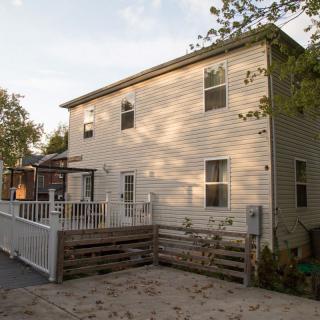





 Securing Financial Support for Assisted Living: A Comprehensive Overview
 Social Security Benefits and Assisted Living: Navigating Options Across the U.S.
 An Extensive Exploration of the VA Aid and Attendance Benefit