
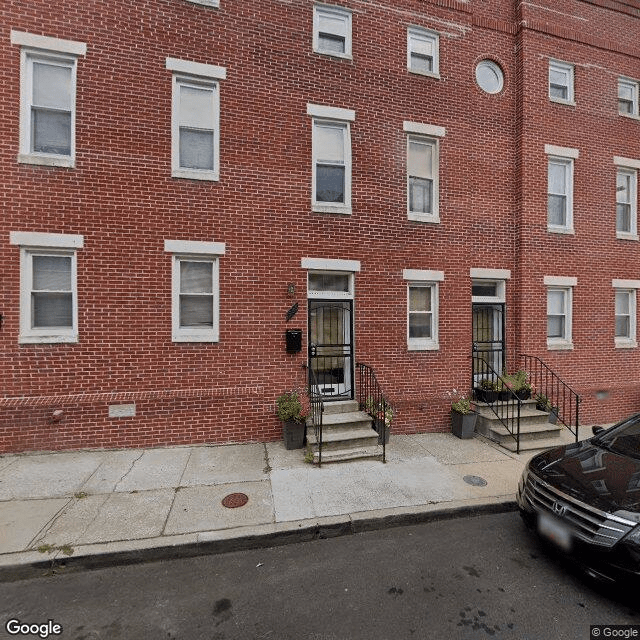
1522 W Fairmount Avenue, Baltimore, MD 21223
To contact a resident: (443) 572-1094
For more information about senior living options: (866) 208-4318
Overall Review of Heart of the Phoenix
Pros
 They've done a great job here so far.
- They've done a very good job working with her to find a solution that works best for everyone.
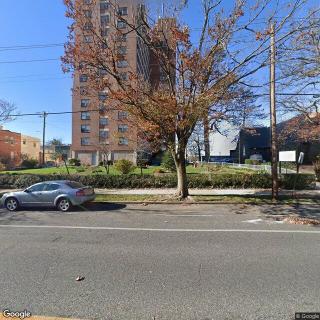
- The facility itself is very nice looking.
- The staff are friendly and patient.
- They do a good job with the food.
Review
Heart of the Phoenix in Baltimore, MD is best suited for seniors who want a warm, approachable assisted-living experience and who benefit from flexible, person-centered daily living support. The community fits residents transitioning from independent living who need help with everyday tasks, meals, and social engagement rather than round-the-clock medical supervision. Families seeking a home-like atmosphere where staff tailor routines to individual preferences will appreciate the emphasis on autonomy within a caring framework. The environment presents as tidy and welcoming, signaling a calm, dignified living option rather than a clinical setting. For those who prize staff who treat each resident as an individual, this community stands out.
Those needing intensive medical oversight, post-acute rehab, or specialized memory care may want to consider alternatives. The setting appears designed for ongoing assistance with daily living tasks and social programming, not for residents needing constant nursing intervention. A loved one with complex medical needs, frequent skilled therapies, or behaviors requiring high-level management may find other communities more suitable. Likewise, if a highly regimented schedule or low staff-to-resident ratios are non-negotiable, it would be prudent to explore options with stronger medical staffing or more formalized programming.
The strongest asset evident from the available experience is staff flexibility and patience. The aunt described as initially resistant to help shows that the team can collaborate to find the solution that works for everyone, a hallmark of truly person-centered care. The facility’s physical presentation, pleasant common areas and a homey dining vibe, coupled with calm, attentive service, reduces relocation stress and accelerates adjustment. A good dining program rounds out daily life, contributing to nutrition, mood, and social opportunities, which in turn supports ongoing adherence to care plans and independence where possible.
From a practical standpoint, the combination of a welcoming environment, friendly staff, and solid dining quality creates a predictable, positive daily rhythm. For families, this translates into fewer battles over routines, more cooperation around meds and activities, and a smoother path for a loved one to settle in emotionally. The caregiver dynamic suggested by the review, where staff are patient and solution-oriented, helps minimize the friction that often comes with assisted living transitions. When residents feel seen and heard, the likelihood of social participation and overall well-being increases, an outcome that weighs heavily in long-term satisfaction.
The potential downside implied is an initial adjustment hump as a resident moves from independence to assisted living. That hurdle is precisely what the staff appear prepared to address, turning a possible negative into a demonstrated strength through collaborative problem-solving. If the resident prizes autonomy and tolerates some loss of control during the transition, this approach can be very compatible. However, if a family expects a strongly clinical environment with 24/7 nursing coverage or clear-cut routines enforced without much customization, the experience may lag those expectations. The offset here is the team’s willingness to tailor solutions and the facility’s pleasant setting, which create a buffer against those possible drawbacks.
For families weighing Heart of the Phoenix, the practical takeaway is clear: seek a tour focused on real-time interactions between staff and residents, evaluate how meals are handled during varying times of day, and inquire about ongoing care planning and memory care capabilities if relevant. This community is a robust match for those prioritizing a warm, responsive atmosphere, a high-quality living environment, and a staff that will bend toward the resident’s preferences. If medical complexity, specialized dementia programs, or ultra-structured schedules are non-negotiable, alternative communities with stronger medical acuity should be pursued. In Baltimore, Heart of the Phoenix stands as a sound, credible option with a proven ability to tailor care to individual needs.
 Activities off-site
 Bath tubs
 Devotional services off-site
 Indoor common areas
 Outdoor common areas
 Baltimore-Washington International (8 miles away)
 Ambulatory care
 Diabetic care
 High acuity care
 Incontinence care
 Medication management
 Kosher

 Financing Long-Term Nursing Home Care Through Social Security: A Thorough Exploration
 Essential Knowledge on Pneumonia in Older Adults
 Exploring Palliative Care in the Home: A Comprehensive Overview