
12 Main Street, Topsham, ME 04086
For more information about senior living options: (866) 208-4318
Overall Review of Topsham Adult Residential
Pros
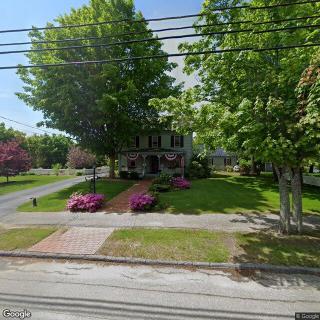
 The location is beautiful, and they do great work in the community.
- Village Clubhouse is described as the best clubhouse the reviewer has ever visited.
- The reviewer loves the place, has made many new friends, and praises the staff as amazing.
- It is a great place for people with disabilities to meet, greet, and gain valuable work experience.
- The staff are caring.
- The reviewer likes it there.
- They can learn a lot of new things there.
- The clubhouse is the best.
- The environment is friendly and clean.
- The program helps people learn skills for independence.
Cons
 It is not nice.
Review
Topsham Adult Residential is best suited for adults who want a social, clubhouse-style living and learning environment in which independence grows through structured activities and community engagement. The setting serves individuals who benefit from daily routines, skill-building programs, and peer support rather than a traditional medical model. The experience centers on real-world readiness, work-like opportunities, nutritious meals, and regular social events, that help residents gain confidence and a sense of purpose. A standout feature is the supportive staff and the beautiful Topsham location, which reinforces outdoor time and personal initiative. This is not a conventional care facility with private apartments or on-call nursing; it is a dynamic, participation-driven program that rewards engagement.
Those evaluating options for someone who needs constant medical supervision or a private, apartment-style living arrangement will want alternatives. Prospective families should consider whether a 24/7 nursing presence, memory care, or highly individualized clinical oversight is essential. If the priority is a quiet, low-stimulus environment with discreet supervision, or if the resident requires intensive supervision or specialized dementia care, other facilities are likely a better match. For individuals who prefer a more traditional, housing-first model with predictable clinical support, this community may feel incomplete. In short, the fit hinges on embracing a lively, interactive format rather than a static, hospital-like care setting.
The strongest positives here are tangible and consistently reinforced in reviews: a beautiful location that supports an active lifestyle, genuinely caring staff, and a robust program designed to build independence. Residents gain from nutritious lunches, Friday socials, and ongoing opportunities to meet people from diverse disability backgrounds, all within a clean, inviting environment. The program emphasizes social connection as a pathway to personal growth, with participants describing friendships formed and a sense of belonging that sustains motivation. The work-experience components and skill-building efforts help residents translate daily activities into practical, real-world capabilities, which many families prize when evaluating long-term arrangements.
The main caveat is that the model relies heavily on voluntary participation and group dynamics, which may not align with every resident’s temperament or needs. A single negative review notes a perception that the experience was not “nice,” underscoring that environment and tone can feel different depending on individual expectations and interpersonal chemistry. Additionally, the model’s strength, community integration and social programming, also signals a potential mismatch for those seeking greater privacy, more predictable daily routines, or intensive clinical oversight. For someone who expects a traditional, apartment-style living with round-the-clock supervision, this can feel insufficient.
When weighing pros against these potential drawbacks, the balance generally tilts toward the positives for residents who thrive on social engagement and practical learning. The combination of a supportive staff, consistent social programming, and meaningful work readiness opportunities creates tangible gains in independence and confidence that can dramatically improve quality of life. The appealing setting enhances participation rather than serving as mere backdrop, making it easier to sustain engagement over time. For families prioritizing social integration, accountability within a community, and structured, day-to-day activity designed to foster autonomy, the advantages overwhelmingly offset the possible downsides.
Bottom-line guidance: this community excels for individuals who want a vibrant, community-oriented environment that prioritizes social connectedness, skill-building, and real-world independence. It is a compelling choice for those who value staff attentiveness and a beautiful, accessible location, along with regular meals and social events that reinforce wellness and purpose. It is not the right fit for residents needing constant clinical oversight, private living arrangements, or highly specialized memory-care services. A thoughtful visit is time well spent, ask to observe a typical day, meet direct-care staff, review a sample schedule, and explore how transportation, emergency plans, and individual goals are managed. If alignment is confirmed, the path toward greater independence in a supportive, engaging setting becomes clear.
 6 resident community capacity
 Assisted Living
 Cable or satellite TV
 Dining room
 Fully furnished
 Garden
 Housekeeping services
 Move-in coordination
 Outdoor space
 Telephone
 Wi-Fi/high-speed internet available
 24-hour supervision
 Activities of daily living assistance
 Assistance with bathing
 Assistance with dressing
 Assistance with transfers
 Diabetes diet
 Meal preparation and service
 Medication management
 Special dietary restrictions
 Transportation arrangement (medical)
 Transportation to doctors appointments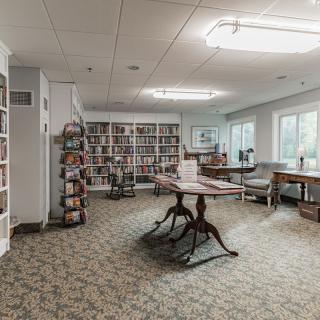






 Exploring the Path to Senior Living: A Comprehensive Look at Independent Living and Assisted Living
 Is Assisted Living Deductible on Your Taxes? Understanding the Complexities of Assisted Living Expenses and Deductions
 Assisted Living Support for Veterans: A Complete and Detailed Overview