58 Baribeau Drive, Brunswick, ME 04011
For more information about senior living options: (866) 208-4318
The Garden Costs & Pricing
The Garden offers competitive pricing for its accommodations when compared to the broader market in Cumberland County and the state of Maine. For instance, a studio apartment at The Garden is attractively priced at $2,495 per month, significantly lower than both the county average of $4,969 and the state average of $4,889. Similarly, their one-bedroom units are offered at $3,095, which again represents a notable savings compared to Cumberland County's $4,770 and Maine's statewide figure of $4,572. Even for two-bedroom options, priced at $4,325 per month at The Garden, residents can find better value than the county's average of $5,306 and the state's average of $4,852. Overall, The Garden stands out as a cost-effective choice for those seeking quality living in this region.
| Floor plans | The Garden | Cumberland County | Maine |
|---|---|---|---|
| Studio | $2,495 | $4,969 | $4,889 |
| 1 Bedroom | $3,095 | $4,770 | $4,572 |
| 2 Bedrooms | $4,325 | $5,306 | $4,852 |
Skilled Nursing Facilities with a similar price nearby
-
from +$317 / mo

St. Andrews Village
$2,812 to $8,370 / month17.3 miles away
Overall Review of The Garden
Pros
 He thrived after four months of amazing care by the staff in the Gardens section of Memory Care.
- He gained weight and was holding his own under their care.
- The staff provided such great care for him over the past year.
- The facility is very well-kept, and the staff are very nice and helpful.
- Her aunt seemed content and was receiving very good care.
- The staff members are very, very good, and there are daily activities.
- Thornton Hall is extremely nice, with ample living spaces, on-site activities, and attentive staff.
- They vaccinated everybody there and were careful about COVID.
- There is a doctor on-site daily, with on-call support and round-the-clock nursing.
Cons
 He seemed very unhappy.
- He entered Mid Coast Memory Care in a very weak state.
Review
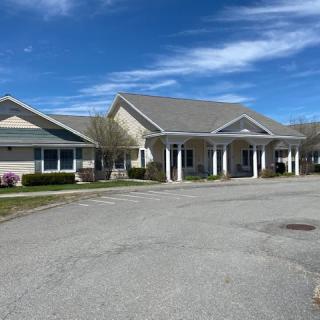
The Garden in Brunswick is best suited for families facing memory-impairment needs where the priority is reliable, compassionate daily care and structured engagement. The Gardens’ care philosophy shows up in practice through attentive, hands-on staff and a program that keeps residents engaged day after day. For memory-care residents who require clear routines, constant supervision, and steady access to therapists and nurses, this community delivers the essential rhythm that supports stabilization, mood, and appetite. When the goal is meaningful, proactive care that can translate into tangible improvements, The Garden presents itself as a strong, decision-ready option.
Those considering alternatives should note that the campus context offers more than memory care. If independence, a newer building aesthetic, or a broader mix of on-site living options are priorities, families may want to look at other parts of the campus or nearby communities. Some reviewers describe the building as feeling older, which can be a deciding factor for those who want a more contemporary environment. For residents whose needs are not strictly memory care, or who desire a larger social ecosystem beyond memory-focused activities, exploring other levels of living on site or in Brunswick can yield a better fit.
Key pros offset the main cons in meaningful ways. The standout strength is the staff: consistently warm, capable, and attentive to medication timing, daily routines, and individual preferences. An active calendar of daily activities and a well-maintained setting translate into real-life benefits, improved appetite and weight stability, greater engagement, and steadier mood for many residents. The potential drawback of an older building is mitigated by the depth of care, the accessibility of therapists, and dependable medical oversight on site. For families prioritizing reliable, high-quality caregiving, these advantages decisively address the structural perceptions of the facility’s age.
Memory-care outcomes emerge as particularly convincing indicators here. A resident who entered in a weakened state reportedly thrived after months in the Gardens, gaining weight and regaining vitality. This kind of trajectory, care teams coordinating therapies, monitoring health markers, and sustaining daily engagement, speaks to a capacity to meaningfully alter the course of decline. The practical reality is that, in memory care, daily reminders, consistent supervision, and responsive staff can be the difference between withdrawal and participation. For families weighing options, these outcomes offer a credible, trackable expectation.
Value and day-to-day experience also align with the decision-friendly narrative. Reviewers consistently describe a well-kept, livable environment with a robust activity roster, plus practical conveniences like on-site care coordination and accessible transport for appointments and outings. While explicit price discussions aren’t highlighted in reviews, the emphasis on care quality, routine reliability, and social programming collectively signals that families perceive the investment as commensurate with the benefit. The Gardens’ strength is that it converts perceived value into lived, positive daily experiences for residents and peace of mind for families.
Bottom-line guidance: for memory-care needs where the priority is steady, compassionate care and a rich slate of daily engagement, The Garden stands out as a prudent, solid choice. It is especially well-suited when a resident benefits from structured routines, attentive caregivers, and dependable medical oversight. Those seeking a newer build, expansive independent-living options, or greater everyday independence may prefer exploring alternatives within the same campus or in the wider Brunswick area. A thoughtful visit, watching caregiver interactions, asking about routine adherence, and assessing how memory-care plans translate into daily life, will confirm alignment with the resident’s goals and ensure the choice delivers safety, engagement, and renewed wellbeing.
 17 resident community capacity
 1-bedroom apartments
 Assisted Living
 Memory Care
 Skilled Nursing Facility
 Cable or satellite TV
 Dining room
 Fully furnished
 Garden
 Hiking trails
 Housekeeping services
 Kitchenette
 Laundry
 Move-in coordination
 Outdoor space
 Respite or short term stays offered
 Telephone
 Wi-Fi/high-speed internet available
 Portland International Jetport (24 miles away)
 24-hour supervision
 Activities of daily living assistance
 Assistance with bathing
 Assistance with dressing
 Assistance with transfers
 Blood work
 Diabetes diet
 Hospice care
 Meal preparation and service
 Medication management
 Physical therapy
 Special dietary restrictions
 Transportation arrangement (medical)
 Transportation to doctors appointments
 Arts and crafts
 Book club
 Fitness programs
 Games
Games Live musical performances
 Religious services
 English


 8 Key Indicators That Suggest It May Be Time to Transition from Assisted Living to Skilled Nursing Care
 Nourishing the Mind: Essential Dietary Approaches for Dementia
 Understanding Dementia Behaviors: Practical Insights and Strategies for Caregivers