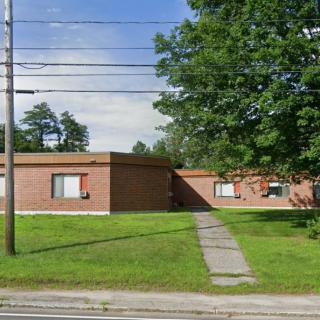
Support Solutions-Montello in Lewiston, ME

260 Montello Street, Lewiston, ME 04240

For more information about senior living options: (844) 490-3973

3.7 from 12 reviews
5 stars
7
4 stars
0
3 stars
2
2 stars
0
1 stars
3

Assisted Living

Overall Review of Support Solutions-Montello

Pros

  • pro Support Solutions is the very best place to be CRMA certified.
  • pro Support Solutions are simply awesome!

Cons

  • pro Support Solutions has been described as neglectful and unprofessional.
  • pro The company shows a severe lack of care for its clients, leaving them unattended and vulnerable.
  • pro A disabled client was left without supervision or support, resulting in a fall and a reopened head injury.
  • pro Their failure to provide consistent support or supervision has created a dangerous environment for those they serve.
  • pro Their negligence could result in far worse outcomes.
  • pro The reviews urge others to reconsider before choosing Support Solutions.

Review

Support Solutions-Montello in Lewiston is best suited for seniors who need light assistance and whose families are prepared to engage in active oversight. Residents who can self-manage most daily tasks but still benefit from reminders for medications, meal planning, scheduling, and safe mobility may find value here. The community can work for budget-conscious families willing to supplement staff care with outside or in-home support and to advocate relentlessly for clear care plans and accountability. There is an implied potential for staff development - some reviews point to strong professional growth, including CRMA certification - which, if realized consistently, could raise care quality over time. That potential, however, depends on stable, reliable staffing.

Explicitly, those with higher safety needs should consider alternatives. If a resident requires consistent, around-the-clock supervision, intimate monitoring after a fall, or has significant cognitive or medical fragility, this community may not meet those nonnegotiables. The posted experiences describe a dangerous lack of supervision, a resident with a disability left unattended, and a fall that reopened a prior head injury. Those incidents illustrate an environment where staffing gaps can elevate risk, making other facilities with proven staffing ratios and stronger safety records a wiser choice. For families prioritizing dependable oversight, exploring other assisted living options or robust in-home care programs is prudent.

On the upside, the institution's emphasis on staff development - potential CRMA certification - signals a pathway to more capable caregivers if the right personnel are on duty. When staffing aligns with policy and turnover is low, trained staff can deliver attentive monitoring and better problem-solving. The gap, however, is that training alone cannot compensate for inconsistent supervision and insufficient coverage. The most grievous reviews describe no staff presence when needed, leaving vulnerable clients at risk, and such failures routinely negate any formal credentials the staff may hold. In practical terms, families should weigh the long game of staff education against the likelihood of daily reliability.

Those risks are not theoretical. A caregiver's neglect or unprofessional conduct comes with real consequences - one client was left unattended and later fell, reopening a head injury. Another account emphasizes a dangerous environment created by consistent lapses in supervision. Perhaps the most alarming pattern is clients being left to fend for themselves with no staff around, which contradicts the basic promise of assisted living. These concrete failures elevate the chance of further injuries, medication errors, and social isolation. In a setting where safety relies on visible, responsive staff, such lapses are particularly troubling and demand rigorous response.

Families evaluating this community should insist on specific, verifiable safeguards. Ask for current caregiver-to-resident ratios by shift, the process for supervision after hours, and how quickly staff respond to alarms or requests for help. Request to see the most recent incident logs, staff turnover rates, and the facility's plan to eliminate gaps in supervision. Arrange structured, time-bound trial periods with clear outcome metrics. If staying, pair facility admission with external in-home care or hospice services to provide an extra layer of oversight. For some, a different community with stronger safety records and higher staffing will be the more predictable choice.

In sum, Support Solutions-Montello presents a trade-off: potential for staff advancement and lower price versus serious questions about day-to-day supervision and resident safety. For families who can offer continuous advocacy, and who can tolerate the risk in exchange for cost savings, it may be workable with rigorous safeguards. For anyone whose priority is reliable care, predictable oversight, and proven safety, stronger options exist in the Lewiston area. The prudent path is to pursue alternatives with documented staffing stability, or to demand a concrete, enforceable care plan and immediate improvements before enrolling a relative. This approach prioritizes safety and reliability above all.

Features

Housing

  • 3 resident community capacity 3 resident community capacity

Types of Care

  • Assisted Living Assisted LivingAssisted living facilities provide crucial support and care for seniors who may need help with daily tasks such as medication management, bathing, and meal preparation. These communities offer a safe and comfortable environment where seniors can maintain their independence while receiving the assistance they need to thrive in their golden years.

Amenities

  • Cable or satellite TV Cable or satellite TVCable or satellite TV is important for seniors because it provides entertainment, news, and companionship, helping to combat loneliness and boredom. It also offers a wide range of programming options tailored to different interests and preferences.
  • Dining room Dining roomDining rooms are important for seniors as they provide a space for socialization, connection, and nutritious meals. They offer opportunities for residents to bond over shared meals, foster a sense of community, and promote healthy eating habits. Dining rooms also ensure that seniors have access to well-balanced meals tailored to their dietary needs and preferences.
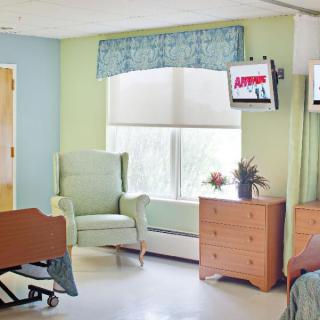
  • Fully furnished Fully furnishedFully furnished senior living communities are important for seniors because they provide convenience, comfort, and a hassle-free moving experience. Seniors can easily settle into their new living space without the stress of having to buy and move furniture. This allows them to focus on enjoying their new home and community.
  • Garden GardenGardens are important for seniors as they provide a peaceful and therapeutic environment for relaxation, physical activity, and socialization. Being in nature has been shown to reduce stress, improve mood, and promote overall well-being. Gardens also offer opportunities for seniors to engage in gardening activities, which can improve mobility, flexibility, and cognitive function. Additionally, gardens create a sense of community and connection with others who share a passion for plants and outdoor spaces.
  • Housekeeping services Housekeeping servicesHousekeeping services are important for seniors because they help maintain a clean and safe living environment, promote independence, and reduce the risk of accidents or illnesses. Additionally, having assistance with household chores can alleviate physical strain and allow seniors to focus on other aspects of their well-being.
  • Move-in coordination Move-in coordinationMove-in coordination is important for seniors because it helps ease the transition into their new living environment. It ensures that all logistics, such as packing, organizing movers, and setting up utilities are taken care of, allowing seniors to focus on settling in and adjusting to their new home. Having a smooth move-in process can alleviate stress and anxiety, making the transition smoother and more enjoyable for seniors.
  • Outdoor space Outdoor spaceOutdoor spaces are important for seniors as they provide opportunities for physical activity, social interaction, exposure to natural light and fresh air, and a sense of connection to nature. Having access to outdoor spaces can improve overall well-being and quality of life for older adults living in senior communities.
  • Telephone TelephoneTelephones are important for seniors as they provide a lifeline for communication with loved ones, emergency services, and healthcare providers. They offer a sense of security and independence, enabling seniors to stay connected and access assistance when needed.
  • Wi-Fi/high-speed internet available Wi-Fi/high-speed internet availableWi-Fi/high-speed internet is important for seniors to stay connected with loved ones, access online resources, and participate in virtual activities to combat feelings of loneliness and isolation. It also allows them to easily manage healthcare needs, access entertainment, and engage in lifelong learning opportunities.

Care Services

  • 24-hour supervision 24-hour supervision24-hour supervision is important for seniors to ensure their safety, well-being, and access to immediate assistance in case of emergencies or health issues. This constant support provides peace of mind for both seniors and their loved ones, allowing them to age in place with dignity and security.
  • Activities of daily living assistance Activities of daily living assistanceActivities of daily living assistance are important for seniors because they provide essential support with tasks such as eating, bathing, dressing, and mobility. This assistance helps seniors maintain their independence, dignity, and overall quality of life as they age.
  • Assistance with bathing Assistance with bathingAssistance with bathing is crucial for seniors as it helps maintain personal hygiene, prevents infections, and ensures their overall well-being and comfort. It also provides a sense of dignity and independence for seniors who may struggle with this task on their own.
  • Assistance with dressing Assistance with dressingAssistance with dressing is important for seniors because it helps maintain their independence, promotes personal hygiene, prevents accidents and injuries, and improves overall quality of life. This service ensures that seniors can continue to dress comfortably and confidently, despite any physical limitations they may have.
  • Assistance with transfers Assistance with transfersAssistance with transfers is crucial for seniors as it helps prevent falls and injuries, maintains their independence, and ensures they can safely navigate their living environment. It also provides peace of mind for both seniors and their loved ones.
  • Coordination with health care providers Coordination with health care providersCoordination with health care providers is crucial for seniors to ensure proper medical care, medication management, and overall well-being. This collaboration helps prevent overlapping treatments, track progress more effectively, and provide comprehensive support tailored to individual needs.
  • Diabetes diet Diabetes dietA diabetes diet is crucial for seniors as it helps manage blood sugar levels, reduce risks of complications, and improve overall health and well-being. By following a balanced and nutritious diet tailored to their specific needs, seniors can better control their diabetes and enhance their quality of life.
  • Meal preparation and service Meal preparation and serviceMeal preparation and service are crucial for seniors as they may have limited mobility or energy to cook nutritious meals. Having access to healthy and convenient food options can ensure they are getting the proper nutrition needed to maintain their overall health and well-being.
  • Medication management Medication managementMedication management is crucial for seniors to ensure they are taking the right medications at the correct dosages and times. This helps prevent adverse drug interactions, reduces the risk of medication errors, and promotes overall health and well-being. Proactive management also allows for adjustments as needed based on changing health conditions or new prescriptions.
  • Special dietary restrictions Special dietary restrictionsSpecial dietary restrictions are important for seniors because age-related changes in metabolism and health conditions can make it difficult for their bodies to process certain foods. By following a diet tailored to their specific needs, seniors can maintain their overall health and well-being, manage chronic conditions, and reduce the risk of complications such as malnutrition or food interactions with medications.
  • Transportation arrangement (medical) Transportation arrangement (medical)Transportation arrangements for medical purposes are essential for seniors as they may have difficulty driving themselves to appointments or accessing public transportation. Having reliable and safe transportation options ensures that seniors can receive timely medical care and maintain their health and well-being.
  • Transportation to doctors appointments Transportation to doctors appointmentsTransportation to doctors' appointments is crucial for seniors as it ensures they have access to necessary medical care and support for their health needs. Without reliable transportation, seniors may struggle to attend important appointments, leading to potential delays in treatment and health complications. Providing transportation services helps seniors maintain their overall well-being and quality of life.

Dining

  • Diabetes diet Diabetes dietA diabetes diet is crucial for seniors as it helps manage blood sugar levels, reduce risks of complications, and improve overall health and well-being. By following a balanced and nutritious diet tailored to their specific needs, seniors can better control their diabetes and enhance their quality of life.
  • Special dietary restrictions Special dietary restrictionsSpecial dietary restrictions are important for seniors because age-related changes in metabolism and health conditions can make it difficult for their bodies to process certain foods. By following a diet tailored to their specific needs, seniors can maintain their overall health and well-being, manage chronic conditions, and reduce the risk of complications such as malnutrition or food interactions with medications.

Activities

  • Community-sponsored activities Community-sponsored activitiesCommunity-sponsored activities are important for seniors as they provide opportunities for social interaction, mental stimulation, and physical activity. These activities can help improve overall well-being, combat loneliness and isolation, and promote a sense of belonging and purpose among older adults.
  • Scheduled daily activities Scheduled daily activitiesScheduled daily activities are important for seniors because they provide structure, socialization, mental stimulation, and physical activity. Engaging in regular activities can improve overall well-being and quality of life for seniors living in a community setting.

Description

Support Solutions-Montello in Lewiston, ME is a vibrant and inclusive assisted living community that offers a range of amenities and care services to enhance the quality of life for its residents.

Our community boasts a spacious dining room where residents can enjoy delicious meals prepared by our experienced staff. The fully furnished apartments provide a comfortable and relaxed living environment. Our beautiful garden and outdoor spaces offer opportunities for residents to enjoy nature and engage in outdoor activities.

At Support Solutions-Montello, we understand the importance of maintaining cleanliness and orderliness, which is why our dedicated housekeeping services ensure that our residents' living spaces are always tidy and organized. We also provide move-in coordination assistance to make the transition into our community as smooth as possible.

Our commitment to meeting the personal care needs of our residents is reflected in the range of care services we offer. From assistance with activities of daily living such as bathing, dressing, and transfers, to medication management and coordination with healthcare providers, our trained caregivers are available around the clock to ensure residents receive the support they need.

We understand that individuals may have specific dietary requirements due to health conditions or personal preferences. Our team is well-versed in diabetes diets and special dietary restrictions, ensuring that residents receive meals tailored to their unique needs.

Transportation arrangements are made for medical purposes as well as for doctor's appointments, allowing residents easy access to healthcare services. In addition, Support Solutions-Montello offers scheduled daily activities to keep residents engaged and entertained.

Convenience is key at Support Solutions-Montello, as we are located near several amenities including cafes, parks, pharmacies, restaurants, places of worship, theaters, transportation options, and hospitals. These nearby attractions provide opportunities for socializing and exploring the local community.

Support Solutions-Montello in Lewiston, ME strives to create an exceptional assisted living experience where senior adults can thrive in a safe and supportive environment with all their needs met.

Nearby Places of Interest

Places of Worship

  • Unity Bible Church (0.7 miles)
  • Calvary United Methodist Church Parsonage (0.7 miles)
  • Prince of Peace Parish (0.7 miles)
  • Holy Trinity Church (0.9 miles)
  • John G. Mendros, MD (0.9 miles)
  • Basilica of Saints Peter and Paul (1.7 miles)
  • Lewiston-Auburn Jewish Comm (1.7 miles)

Pharmacies

  • Medicine Shoppe (0.7 miles)
  • CVS Pharmacy (0.8 miles)
  • Walgreens (0.9 miles)
  • Medicine Shoppe (1 miles)
  • Bedard Pharmacy (1.6 miles)
  • Bedard Long Term Care (1.6 miles)
  • CMMC Pharmacy (1.6 miles)

Physicians

  • Central Maine Eye Care (0.7 miles)
  • Community Clinical Services (0.9 miles)
  • St Mary S Psychiatry Lewiston (1 miles)
  • Lewiston Medical Associates (1 miles)
  • Internal Medicine Practices (1 miles)
  • Pediatric Associates of Lewiston (1 miles)
  • St Mary's Neurology (1 miles)

Restaurants

  • Dubois Cafe & Variety (0.9 miles)
  • Val's Drive-In (1 miles)
  • Burger King (1.2 miles)
  • CaribĂ© (1.6 miles)
  • Carlton Club (1.7 miles)
  • Krispy Krunchy Chicken (1.7 miles)
  • Italian Bakery Products Co. (1.8 miles)

Hospitals

  • St Mary's Regional Medical Center (1 miles)
  • New England Neurosurgery (1.1 miles)
  • Central Maine Medical Center (1.6 miles)
  • The Patrick Dempsey Center For Cancer Hope And Healing (1.6 miles)
  • Central Maine Heart and Vascular Institute (1.7 miles)
  • Bridgton Hospital (1.8 miles)

Transportation

  • City Cab (1.5 miles)
  • Yarmouth taxi Express 24/7 Airport (1.6 miles)

Parks

  • Veteran s Park (2.1 miles)
  • Simard-Payne Park (2.3 miles)

Theaters

  • Flagship Cinema (2.1 miles)
  • Flagship Cinemas (2.4 miles)

Cafes

  • Peet's Coffee and Tea (2.2 miles)
  • Panera Bread (2.5 miles)

Frequently Asked Questions

Where is Support Solutions-Montello?

Nearby Communities

  • Macsullivan Home

    Macsullivan Home

    Lewiston, ME

     
    $4,800 to $7,500 / month

    pro Intimate, small-community feel with personalized care.

  • 8 Blanchette Street

    8 Blanchette Street

    Lewiston, ME


    pro Fully furnished accommodations with on-site dining and 24-hour supervision.

  • Venture House

    Venture House

    Lewiston, ME


    pro Intimate small-community with comprehensive care and on-site amenities.

  • Montello Street

    Montello Street

    Lewiston, ME


    pro Home-like, fully furnished apartments with on-site dining and comprehensive care.

  • Waiver Services Provider

    Waiver Services Provider

    Lewiston, ME

     
    $2,595 to $3,795 / month

    pro Lower cost compared to county/state averages.

  • Russell Park Residential Care

    Russell Park Residential Care

    Lewiston, ME

    3 from 14 reviews
     

    pro 24/7 supervision with ADL support and diverse amenities.

  • St Mary's D'Youville Pavilion

    St Mary's D'Youville Pavilion

    Lewiston, ME

    3.2 from 21 reviews
     

    pro Small unit size enables personalized care with warm, responsive staff.

  • Marshwood Center

    Marshwood Center

    Lewiston, ME

    4 from 113 reviews
     

    pro Attentive staff for some residents; pleasant private rooms with views.

  • Schooner Estates Senior Living

    Schooner Estates Senior Living

    Auburn, ME

    4.8 from 65 reviews
    $2,995 to $9,300 / month

    pro Caring, attentive staff; clean, welcoming environment; good meals; engaging activities and amenities.

Related Resources

  • assisted living vs memory careAssisted Living and Memory Care: Understanding Their Core Differences

    Assisted living provides moderate support for seniors seeking independence, while memory care offers specialized support for individuals with dementia or cognitive impairments through structured routines and trained staff. Key differences include care approaches, environment security measures, staff training levels, activity types, and cost considerations.

  • assisted living activitiesBeyond the Bingo Hall: 50+ Enriching Activities for Seniors in Assisted Living

    Assisted living communities offer diverse activities beyond traditional games to enhance seniors' physical health, cognitive well-being, emotional enrichment, and social connections, including fitness classes, creative expression, and intergenerational interactions. These enriching programs foster community bonds and support residents' independence and happiness.

  • assisted living vs memory careUnderstanding the Distinctions: Assisted Living and Memory Care Explained

    The article differentiates between assisted living and memory care, explaining that assisted living supports seniors with daily activities while promoting independence, whereas memory care provides specialized services for individuals with dementia, focusing on secure environments and cognitive support. It also addresses staff training, safety considerations, costs, family involvement, and transition strategies for families navigating these care options.