MVRA -17 Middle Street in Hallowell, ME

Information last verified:

17 Middle Street, Hallowell, ME 04347

For more information about senior living options: (844) 490-3973

4.7 from 100 reviews
5 stars
87
4 stars
3
3 stars
4
2 stars
3
1 stars
3

Seniors.FYI Elite Community Awards

Top 5% Senior Living Community in 2023Top 5% Senior Living Community in 2024Top 5% Senior Living Community in 2025

Add this award to your website

Overall Review of MVRA -17 Middle Street

Pros

  • pro The restaurant is beautiful and serves amazing food.
  • pro The chef is kind and accommodating, with evident care in every dish.
  • pro The cuisine is delicious and creative, featuring local ingredients with a great wine list and attentive service.
  • pro The food is excellent and top notch.
  • pro The gnocchi is among the best ever tasted.
  • pro The dining room is quiet and conducive to relaxed conversation.
  • pro The atmosphere is intimate, warm, and welcoming.
  • pro The pasta is fresh and perfectly prepared.
  • pro The service is welcoming, professional, and attentive.
  • pro The restaurant is a hidden gem and a must-try in Hallowell.
  • pro The changing menu keeps guests coming back for more.
  • pro Desserts are outstanding, with panna cotta and tiramisu highlighted.

Cons

  • pro The seating is uncomfortable and the dining room feels cramped due to its small size.
  • pro The prices did not match the value, with portions small for the cost and several items described as overpriced.
  • pro The gnocchi was undercooked and bland, and other dishes lacked depth of flavor.
  • pro There were long waits for food and service, with staff sometimes slow or inattentive.
  • pro The menu changes led to disappointment when favorite dishes were missing despite assurances it wouldn’t change.
  • pro The customer service was criticized as accusatory and lacking clear communication when issues arose.

Review

This community is best suited for residents who prize restaurant-grade dining, intimate surroundings, and service that feels crafted rather than routine. The dining program is built around chef-led cooking, seasonal ingredients, and a menu that emphasizes thoughtful preparation and presentation. It appeals to seniors who view meals as social occasions, where conversation can flow without feeling rushed and where dietary needs are anticipated and accommodated with care. For residents who value a refined atmosphere, a small, dedicated dining room, and a dining experience that aspires to a special-night vibe most nights of the week, this program stands out as a clear strength.

Those who may want to consider alternatives are residents who seek larger, more casual dining spaces, bigger portions, or a broader, more budget-conscious menu. A few reviews note that seating is intimate and the room itself can feel compact, which may be challenging for residents who require mobility aids or who prefer a more open, easy-to-navigate dining environment. Price sensitivity matters for some families, as portions can be modest by traditional American standards even as the overall quality and pacing foster a premium experience. If a resident prioritizes straightforward, hearty comfort meals with quick service, or if a consistently expansive menu with generous servings is non-negotiable, a different option may be more appropriate.

The strongest pro of the dining program is the chef-driven quality that repeatedly earns high praise. Dishes are described as refined, with a balance of Italian and French continental influences, and meals are frequently highlighted for their depth of flavor and careful technique. The ability to accommodate dietary restrictions is repeatedly called out as a standout feature, signaling that the kitchen takes resident needs seriously rather than treating special requests as afterthoughts. A rotating or changing menu keeps dining experiences fresh, inviting residents to explore new preparations rather than settle into routine staples. The service staff is depicted as attentive, knowledgeable, and capable of guiding diners through a multi-course evening with ease, which is essential for seniors who value hospitality as part of the meal itself. When the dining room hums with warmth, it amplifies the perceived value of a sophisticated, chef-driven program.

These advantages offset the main drawbacks in meaningful ways. The benefit of a chef’s touch, paired with a concise, expertly curated menu, means each course feels purposeful, so smaller portions are less likely to read as a deficit and more as an invitation to savor multiple courses. A quiet, intimate dining room can transform potential delays into a relaxed evening, where residents enjoy conversation and wine pairings (where available) without feeling hurried. The willingness to tailor flavors and textures around restricted diets reduces frustration and increases eventual satisfaction, especially for residents who rely on predictable, high-quality meals every day. For families weighing cost against experience, the value lies not just in a single plate but in a thoughtfully orchestrated dining journey that elevates ordinary evenings into memorable occasions.

Yet caveats remain worth noting. The very strengths, an intimate setting, a refined wine program, and a chef-driven, ever-changing menu, also contribute to occasional downsides that families should anticipate. Reservations are essential, and miscommunications or limited seating can result in longer waits, especially during peak dining windows. Portions tend to be smaller, a deliberate approach to pushing for variety across courses, which can be perceived as less value-driven by residents who grew up on heartier meals. Prices may run higher than casual dining, so families should assess whether the multi-course, wine-paired, artisanal approach aligns with the resident’s budget and dining expectations. Finally, some reviewers describe sporadic service hiccups or pacing issues, underscoring the importance of a proactive front-of-house team that can smooth variations in demand without compromising the overall experience.

For families evaluating this dining program, the verdict is clear: it is a strong match for seniors who prize culinary artistry, intimate settings, and service that feels crafted with care. It is less compatible for residents seeking large, family-style portions, brisk service, or low-cost dining. To make a confident decision, inquire about how menus accommodate long-standing dietary restrictions, how seating is managed for residents with mobility needs, and what the typical dining pace looks like across a full evening. Ask about the dining schedule, reservation policies, and how flexible the program can be during special occasions or family visits. If the goal is meals that feel like a refined, restaurant-quality experience, complete with attentive service and thoughtfully plated dishes, this program offers a compelling, well-considered option that can enrich daily life and social rhythms.

Features

Housing

  • 3 resident community capacity 3 resident community capacity

Types of Care

  • Assisted Living Assisted LivingAssisted living facilities provide crucial support and care for seniors who may need help with daily tasks such as medication management, bathing, and meal preparation. These communities offer a safe and comfortable environment where seniors can maintain their independence while receiving the assistance they need to thrive in their golden years.

Amenities

  • Cable or satellite TV Cable or satellite TVCable or satellite TV is important for seniors because it provides entertainment, news, and companionship, helping to combat loneliness and boredom. It also offers a wide range of programming options tailored to different interests and preferences.
  • Dining room Dining roomDining rooms are important for seniors as they provide a space for socialization, connection, and nutritious meals. They offer opportunities for residents to bond over shared meals, foster a sense of community, and promote healthy eating habits. Dining rooms also ensure that seniors have access to well-balanced meals tailored to their dietary needs and preferences.
  • Fully furnished Fully furnishedFully furnished senior living communities are important for seniors because they provide convenience, comfort, and a hassle-free moving experience. Seniors can easily settle into their new living space without the stress of having to buy and move furniture. This allows them to focus on enjoying their new home and community.
  • Garden GardenGardens are important for seniors as they provide a peaceful and therapeutic environment for relaxation, physical activity, and socialization. Being in nature has been shown to reduce stress, improve mood, and promote overall well-being. Gardens also offer opportunities for seniors to engage in gardening activities, which can improve mobility, flexibility, and cognitive function. Additionally, gardens create a sense of community and connection with others who share a passion for plants and outdoor spaces.
  • Housekeeping services Housekeeping servicesHousekeeping services are important for seniors because they help maintain a clean and safe living environment, promote independence, and reduce the risk of accidents or illnesses. Additionally, having assistance with household chores can alleviate physical strain and allow seniors to focus on other aspects of their well-being.
  • Move-in coordination Move-in coordinationMove-in coordination is important for seniors because it helps ease the transition into their new living environment. It ensures that all logistics, such as packing, organizing movers, and setting up utilities are taken care of, allowing seniors to focus on settling in and adjusting to their new home. Having a smooth move-in process can alleviate stress and anxiety, making the transition smoother and more enjoyable for seniors.
  • Outdoor space Outdoor spaceOutdoor spaces are important for seniors as they provide opportunities for physical activity, social interaction, exposure to natural light and fresh air, and a sense of connection to nature. Having access to outdoor spaces can improve overall well-being and quality of life for older adults living in senior communities.
  • Telephone TelephoneTelephones are important for seniors as they provide a lifeline for communication with loved ones, emergency services, and healthcare providers. They offer a sense of security and independence, enabling seniors to stay connected and access assistance when needed.
  • Wi-Fi/high-speed internet available Wi-Fi/high-speed internet availableWi-Fi/high-speed internet is important for seniors to stay connected with loved ones, access online resources, and participate in virtual activities to combat feelings of loneliness and isolation. It also allows them to easily manage healthcare needs, access entertainment, and engage in lifelong learning opportunities.

Care Services

  • 24-hour supervision 24-hour supervision24-hour supervision is important for seniors to ensure their safety, well-being, and access to immediate assistance in case of emergencies or health issues. This constant support provides peace of mind for both seniors and their loved ones, allowing them to age in place with dignity and security.
  • Activities of daily living assistance Activities of daily living assistanceActivities of daily living assistance are important for seniors because they provide essential support with tasks such as eating, bathing, dressing, and mobility. This assistance helps seniors maintain their independence, dignity, and overall quality of life as they age.
  • Assistance with bathing Assistance with bathingAssistance with bathing is crucial for seniors as it helps maintain personal hygiene, prevents infections, and ensures their overall well-being and comfort. It also provides a sense of dignity and independence for seniors who may struggle with this task on their own.
  • Assistance with dressing Assistance with dressingAssistance with dressing is important for seniors because it helps maintain their independence, promotes personal hygiene, prevents accidents and injuries, and improves overall quality of life. This service ensures that seniors can continue to dress comfortably and confidently, despite any physical limitations they may have.
  • Assistance with transfers Assistance with transfersAssistance with transfers is crucial for seniors as it helps prevent falls and injuries, maintains their independence, and ensures they can safely navigate their living environment. It also provides peace of mind for both seniors and their loved ones.
  • Coordination with health care providers Coordination with health care providersCoordination with health care providers is crucial for seniors to ensure proper medical care, medication management, and overall well-being. This collaboration helps prevent overlapping treatments, track progress more effectively, and provide comprehensive support tailored to individual needs.
  • Diabetes diet Diabetes dietA diabetes diet is crucial for seniors as it helps manage blood sugar levels, reduce risks of complications, and improve overall health and well-being. By following a balanced and nutritious diet tailored to their specific needs, seniors can better control their diabetes and enhance their quality of life.
  • Meal preparation and service Meal preparation and serviceMeal preparation and service are crucial for seniors as they may have limited mobility or energy to cook nutritious meals. Having access to healthy and convenient food options can ensure they are getting the proper nutrition needed to maintain their overall health and well-being.
  • Medication management Medication managementMedication management is crucial for seniors to ensure they are taking the right medications at the correct dosages and times. This helps prevent adverse drug interactions, reduces the risk of medication errors, and promotes overall health and well-being. Proactive management also allows for adjustments as needed based on changing health conditions or new prescriptions.
  • Special dietary restrictions Special dietary restrictionsSpecial dietary restrictions are important for seniors because age-related changes in metabolism and health conditions can make it difficult for their bodies to process certain foods. By following a diet tailored to their specific needs, seniors can maintain their overall health and well-being, manage chronic conditions, and reduce the risk of complications such as malnutrition or food interactions with medications.
  • Transportation arrangement (medical) Transportation arrangement (medical)Transportation arrangements for medical purposes are essential for seniors as they may have difficulty driving themselves to appointments or accessing public transportation. Having reliable and safe transportation options ensures that seniors can receive timely medical care and maintain their health and well-being.
  • Transportation to doctors appointments Transportation to doctors appointmentsTransportation to doctors' appointments is crucial for seniors as it ensures they have access to necessary medical care and support for their health needs. Without reliable transportation, seniors may struggle to attend important appointments, leading to potential delays in treatment and health complications. Providing transportation services helps seniors maintain their overall well-being and quality of life.

Dining

  • Diabetes diet Diabetes dietA diabetes diet is crucial for seniors as it helps manage blood sugar levels, reduce risks of complications, and improve overall health and well-being. By following a balanced and nutritious diet tailored to their specific needs, seniors can better control their diabetes and enhance their quality of life.
  • Special dietary restrictions Special dietary restrictionsSpecial dietary restrictions are important for seniors because age-related changes in metabolism and health conditions can make it difficult for their bodies to process certain foods. By following a diet tailored to their specific needs, seniors can maintain their overall health and well-being, manage chronic conditions, and reduce the risk of complications such as malnutrition or food interactions with medications.

Activities

  • Community-sponsored activities Community-sponsored activitiesCommunity-sponsored activities are important for seniors as they provide opportunities for social interaction, mental stimulation, and physical activity. These activities can help improve overall well-being, combat loneliness and isolation, and promote a sense of belonging and purpose among older adults.
  • Scheduled daily activities Scheduled daily activitiesScheduled daily activities are important for seniors because they provide structure, socialization, mental stimulation, and physical activity. Engaging in regular activities can improve overall well-being and quality of life for seniors living in a community setting.

Description

MVRA at 17 Middle Street in Hallowell, ME is an exceptional assisted living community that offers a wide range of amenities and care services to ensure the comfort and well-being of its residents. The community features a beautiful dining room where residents can enjoy delicious meals prepared by our staff. The accommodations are fully furnished, creating a cozy and home-like atmosphere.

Residents can also take advantage of the lovely garden and outdoor space, perfect for relaxing or engaging in leisure activities. Housekeeping services are provided to keep the living areas clean and tidy. Move-in coordination is available to make the transition into MVRA as seamless as possible.

In terms of connectivity, residents have access to telephone services and Wi-Fi/high-speed internet, ensuring they can stay connected with loved ones and browse the web at their convenience.

At MVRA, we prioritize the health and well-being of our residents. Our care services include assistance with activities of daily living such as bathing, dressing, and transfers. We work closely with health care providers to coordinate any additional medical needs or appointments. Diabetes diets are available for those with specific dietary requirements.

Our dedicated staff also provide medication management and meal preparation services to ensure that each resident's nutritional needs are met. Special dietary restrictions are accommodated to cater to individual preferences or health conditions.

Transportation arrangement for medical purposes is available, making it convenient for residents to attend necessary appointments. Transportation to doctors' appointments is also provided as part of our comprehensive care services.

To enrich the quality of life for our residents, scheduled daily activities are organized to promote engagement and socialization among peers. Additionally, MVRA is conveniently located near numerous cafes, parks, pharmacies, restaurants, places of worship, theaters, and hospitals.

Overall, MVRA at 17 Middle Street in Hallowell provides a nurturing environment where residents receive personalized care while enjoying various amenities and easy access to nearby facilities and services.

Nearby Places of Interest

Physicians

  • Hallowell Family Practice (0.2 miles)
  • Three Rivers Family Practice DO (1.6 miles)
  • Greenwald, Aaron Dr - Va Maine Medical Center Togus Psychiatry (1.6 miles)
  • Family Focused Health Care (1.7 miles)
  • Kennebec Internal Medicine Associates Pa (1.8 miles)
  • Christopher Maloney, Naturopathic Doctor (1.9 miles)
  • Health Reach Network (1.9 miles)

Restaurants

  • Easy Street Lounge (0.2 miles)
  • The Quarry Tap Room (0.2 miles)
  • Slates Restaurant (0.2 miles)
  • Smiley's Ice Cream Shoppe (0.2 miles)
  • Joyce's (0.2 miles)
  • Lucky Garden Restaurant (0.3 miles)
  • Bolley's Famous Franks (0.4 miles)

Parks

  • Vaughan Field (0.2 miles)
  • Capitol Park (1.5 miles)
  • Viles Arboretum (1.6 miles)
  • Waterfront Park (2.1 miles)
  • Augusta Parks Department (2.3 miles)

Hospitals

  • Pathways Of Maine (1.2 miles)
  • Riverview Psychiatric Center (1.4 miles)
  • Maine Migrant Health Program (1.9 miles)

Places of Worship

  • St Mary's (1.7 miles)
  • Bread Of Life Ministries - Executive Director (1.8 miles)
  • Green St United Methodist Church (1.9 miles)
  • Augusta Spiritualist Church (2 miles)
  • Unitarian Universalist Community Church (2.1 miles)
  • Christian Science Reading Room (2.4 miles)
  • Saint Augustine Church (2.7 miles)

Transportation

  • U-Haul Moving & Storage (1.8 miles)
  • Cape Air (2.1 miles)
  • usta State Airport (AUG) (2.1 miles)
  • Avis Rent A Car (2.1 miles)

Pharmacies

  • Walgreens (1.8 miles)
  • CVS Pharmacy (1.8 miles)
  • Kennebec Pharmacy & Home Care (2.2 miles)
  • CVS Pharmacy (2.3 miles)
  • Kennebec Pharmacy & Home Care (2.7 miles)
  • Community Pharmacy (2.9 miles)
  • Walmart Pharmacy (3.8 miles)

Cafes

  • Starbucks (2 miles)
  • Huiskamer Coffee House (2.2 miles)
  • Moose Tracks Cafe (3.6 miles)
  • Panera Bread (4 miles)

Theaters

  • Colonial Theater (2.3 miles)
  • Regal Augusta (3.7 miles)

Frequently Asked Questions

Where is MVRA -17 Middle Street?

Nearby Communities

  • Hillside Terrace Of Hallowell

    Hillside Terrace Of Hallowell

    Hallowell, ME

    4.8 from 15 reviews
     

    pro Intimate, home-like setting with personalized care and attentive staff.

  • Cotton Mill Apartments

    Cotton Mill Apartments

    Hallowell, ME


    pro Extensive nearby amenities and services (dining, parks, pharmacies, healthcare, theaters).
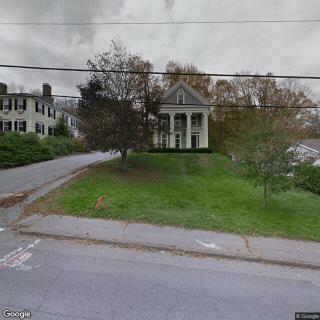
  • Walters Home

    Walters Home

    Hallowell, ME


    pro Excellent access to dining, parks, healthcare, and cultural venues.
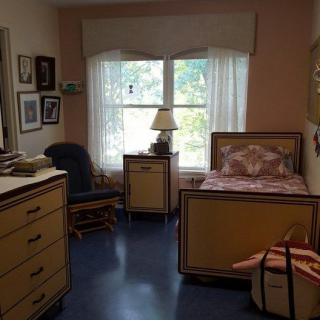
  • Capitol City Manor

    Capitol City Manor

    Augusta, ME

    4.3 from 3 reviews
     

    pro Caring staff and well-maintained facilities.

  • Woodlands Assisted Living Of Hallowell

    Woodlands Assisted Living Of Hallowell

    Hallowell, ME

    4 from 19 reviews
     

    pro Charming, inviting community with on-site activities and diabetic care.
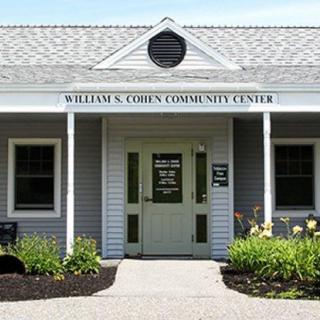
  • Cohen Community Center

    Cohen Community Center

    Hallowell, ME

    4.6 from 65 reviews
    $2,595 to $6,595 / month

    pro Comprehensive assisted living with 24/7 care, restaurant-style dining, fully furnished rooms, and extensive on-site amenities.

  • Captain Lewis Residence

    Captain Lewis Residence

    Farmingdale, ME

    4 from 6 reviews
    $3,000 to $4,000 / month

    pro All-inclusive pricing with potential pre-payment discounts; warm, home-like memory-care setting with attentive staff and on-site amenities.

  • Balsam House

    Balsam House

    Readfield, ME

    4.9 from 10 reviews
    $4,500 / month

    pro Homey setting with personable staff and nutritious meals.

  • Goudreau's Retirement Inn

    Goudreau's Retirement Inn

    Winslow, ME

    4.5 from 2 reviews
    $2,500 / month

    pro Dedicated staff, delicious meals, and convenient on-site amenities.

Related Resources

  • assisted living vs memory careAssisted Living and Memory Care: Understanding Their Core Differences

    Assisted living provides moderate support for seniors seeking independence, while memory care offers specialized support for individuals with dementia or cognitive impairments through structured routines and trained staff. Key differences include care approaches, environment security measures, staff training levels, activity types, and cost considerations.

  • assisted living activitiesBeyond the Bingo Hall: 50+ Enriching Activities for Seniors in Assisted Living

    Assisted living communities offer diverse activities beyond traditional games to enhance seniors' physical health, cognitive well-being, emotional enrichment, and social connections, including fitness classes, creative expression, and intergenerational interactions. These enriching programs foster community bonds and support residents' independence and happiness.

  • assisted living vs memory careUnderstanding the Distinctions: Assisted Living and Memory Care Explained

    The article differentiates between assisted living and memory care, explaining that assisted living supports seniors with daily activities while promoting independence, whereas memory care provides specialized services for individuals with dementia, focusing on secure environments and cognitive support. It also addresses staff training, safety considerations, costs, family involvement, and transition strategies for families navigating these care options.