Neurorestorative Gorham

9 Rivers Edge Drive, Gorham, ME 04038

For more information about senior living options: (844) 490-3973

3.9 from 8 reviews
5 stars
5
4 stars
1
3 stars
0
2 stars
0
1 stars
2

Assisted Living

Overall Review of Neurorestorative Gorham

Pros

  • pro The staff are nice and helpful.
  • pro The program helps individuals regain independence.
  • pro Therapists are very helpful and the therapies are useful in rehabilitation after brain injury.

Cons

  • pro The facility is described as a scam.
  • pro They care nothing about the clients' quality of life.
  • pro The clients receive very little or no services.
  • pro They do not return calls or provide meaningful assistance.
  • pro They waste precious time that could have been spent elsewhere.

Review

The experiences described about NeuroRestorative paint a picture of a facility that evokes markedly different reactions from different people. On one hand, there is a sense of support and progress that some clients and their families credit to the program. On the other hand, there are sharp accusations of neglect and even calls for caution or avoidance. Together, these perspectives reflect a complex and polarized view of what the organization offers and how it operates.

One reviewer highlights the practical impact of NeuroRestorative by saying they have helped them "get through things to get on our own again." They also commend the staff as "nice and helpful," underscoring a perception of warmth and approachability in day-to-day interactions. This caregiver's experience culminates in a rating of four out of five stars, with particular emphasis on the therapists and the therapies themselves. They describe the therapists as very helpful and the rehabilitation therapies as useful in their ongoing recovery from a brain injury, suggesting a meaningful, tangible benefit from the program.

Contrasting with this positive view is a strongly negative claim that the facility is a scam. The reviewer asserts that NeuroRestorative "care[s] nothing about the quality of life for the clients," contending that clients receive "very little or no services." They urge anyone reading about the facility to seek alternative care for their family members, presenting a stark warning based on perceived neglect and insufficient support. The language conveys not just dissatisfaction, but a hopeful imperative for readers to protect vulnerable relatives by looking elsewhere for care.

A separate, professional account adds another layer to the mixed feedback. A court-appointed lawyer describes trying to secure admission for a client who has suffered a traumatic brain injury and is currently in jail, with that client's functioning contributing to the legal situation. The lawyer explains repeated efforts over several months to have the client screened and accepted into one of NeuroRestorative's facilities, only to encounter lack of responsiveness and little meaningful assistance in return. This perspective raises concerns about whether the organization is cooperative and reliable, prompting the lawyer to warn others to be cautious and to consider alternative options that might be more responsive and capable of delivering needed services.

What emerges from these accounts is a pronounced inconsistency in experiences. For some, NeuroRestorative appears to offer valuable therapeutic work and supportive staff that help individuals regain independence and improve quality of life after brain injury. For others, the same organization is criticized as lacking in essential services, failing to communicate effectively, and potentially leaving families feeling abandoned or misled. The divergence between experiences suggests that outcomes may be highly variable and perhaps dependent on factors such as staff availability, case management, or individual expectations.

In sum, the narratives present a facility that can be a source of hope and tangible rehabilitation for some, while also being perceived as untrustworthy or unhelpful by others, including professionals who rely on timely and cooperative admissions processes. Potential clients and their families are left weighing positive experiences with therapists and tangible progress against grave concerns about service levels, responsiveness, and overall care. As with many complex care decisions, the stories emphasize the importance of gathering multiple perspectives and carefully evaluating how well a program aligns with the specific needs and circumstances of a given person.

Features

Housing

  • 5 resident community capacity 5 resident community capacity

Types of Care

  • Assisted Living Assisted LivingAssisted living facilities provide crucial support and care for seniors who may need help with daily tasks such as medication management, bathing, and meal preparation. These communities offer a safe and comfortable environment where seniors can maintain their independence while receiving the assistance they need to thrive in their golden years.

Amenities

  • Cable or satellite TV Cable or satellite TVCable or satellite TV is important for seniors because it provides entertainment, news, and companionship, helping to combat loneliness and boredom. It also offers a wide range of programming options tailored to different interests and preferences.
  • Dining room Dining roomDining rooms are important for seniors as they provide a space for socialization, connection, and nutritious meals. They offer opportunities for residents to bond over shared meals, foster a sense of community, and promote healthy eating habits. Dining rooms also ensure that seniors have access to well-balanced meals tailored to their dietary needs and preferences.
  • Fully furnished Fully furnishedFully furnished senior living communities are important for seniors because they provide convenience, comfort, and a hassle-free moving experience. Seniors can easily settle into their new living space without the stress of having to buy and move furniture. This allows them to focus on enjoying their new home and community.
  • Garden GardenGardens are important for seniors as they provide a peaceful and therapeutic environment for relaxation, physical activity, and socialization. Being in nature has been shown to reduce stress, improve mood, and promote overall well-being. Gardens also offer opportunities for seniors to engage in gardening activities, which can improve mobility, flexibility, and cognitive function. Additionally, gardens create a sense of community and connection with others who share a passion for plants and outdoor spaces.
  • Housekeeping services Housekeeping servicesHousekeeping services are important for seniors because they help maintain a clean and safe living environment, promote independence, and reduce the risk of accidents or illnesses. Additionally, having assistance with household chores can alleviate physical strain and allow seniors to focus on other aspects of their well-being.
  • Move-in coordination Move-in coordinationMove-in coordination is important for seniors because it helps ease the transition into their new living environment. It ensures that all logistics, such as packing, organizing movers, and setting up utilities are taken care of, allowing seniors to focus on settling in and adjusting to their new home. Having a smooth move-in process can alleviate stress and anxiety, making the transition smoother and more enjoyable for seniors.
  • Outdoor space Outdoor spaceOutdoor spaces are important for seniors as they provide opportunities for physical activity, social interaction, exposure to natural light and fresh air, and a sense of connection to nature. Having access to outdoor spaces can improve overall well-being and quality of life for older adults living in senior communities.
  • Telephone TelephoneTelephones are important for seniors as they provide a lifeline for communication with loved ones, emergency services, and healthcare providers. They offer a sense of security and independence, enabling seniors to stay connected and access assistance when needed.
  • Wi-Fi/high-speed internet available Wi-Fi/high-speed internet availableWi-Fi/high-speed internet is important for seniors to stay connected with loved ones, access online resources, and participate in virtual activities to combat feelings of loneliness and isolation. It also allows them to easily manage healthcare needs, access entertainment, and engage in lifelong learning opportunities.

Transportation

  • Portland International Jetport (7 miles away) Portland International Jetport (7 miles away)

Care Services

  • 24-hour supervision 24-hour supervision24-hour supervision is important for seniors to ensure their safety, well-being, and access to immediate assistance in case of emergencies or health issues. This constant support provides peace of mind for both seniors and their loved ones, allowing them to age in place with dignity and security.
  • Activities of daily living assistance Activities of daily living assistanceActivities of daily living assistance are important for seniors because they provide essential support with tasks such as eating, bathing, dressing, and mobility. This assistance helps seniors maintain their independence, dignity, and overall quality of life as they age.
  • Assistance with bathing Assistance with bathingAssistance with bathing is crucial for seniors as it helps maintain personal hygiene, prevents infections, and ensures their overall well-being and comfort. It also provides a sense of dignity and independence for seniors who may struggle with this task on their own.
  • Assistance with dressing Assistance with dressingAssistance with dressing is important for seniors because it helps maintain their independence, promotes personal hygiene, prevents accidents and injuries, and improves overall quality of life. This service ensures that seniors can continue to dress comfortably and confidently, despite any physical limitations they may have.
  • Assistance with transfers Assistance with transfersAssistance with transfers is crucial for seniors as it helps prevent falls and injuries, maintains their independence, and ensures they can safely navigate their living environment. It also provides peace of mind for both seniors and their loved ones.
  • Coordination with health care providers Coordination with health care providersCoordination with health care providers is crucial for seniors to ensure proper medical care, medication management, and overall well-being. This collaboration helps prevent overlapping treatments, track progress more effectively, and provide comprehensive support tailored to individual needs.
  • Diabetes diet Diabetes dietA diabetes diet is crucial for seniors as it helps manage blood sugar levels, reduce risks of complications, and improve overall health and well-being. By following a balanced and nutritious diet tailored to their specific needs, seniors can better control their diabetes and enhance their quality of life.
  • Meal preparation and service Meal preparation and serviceMeal preparation and service are crucial for seniors as they may have limited mobility or energy to cook nutritious meals. Having access to healthy and convenient food options can ensure they are getting the proper nutrition needed to maintain their overall health and well-being.
  • Medication management Medication managementMedication management is crucial for seniors to ensure they are taking the right medications at the correct dosages and times. This helps prevent adverse drug interactions, reduces the risk of medication errors, and promotes overall health and well-being. Proactive management also allows for adjustments as needed based on changing health conditions or new prescriptions.
  • Special dietary restrictions Special dietary restrictionsSpecial dietary restrictions are important for seniors because age-related changes in metabolism and health conditions can make it difficult for their bodies to process certain foods. By following a diet tailored to their specific needs, seniors can maintain their overall health and well-being, manage chronic conditions, and reduce the risk of complications such as malnutrition or food interactions with medications.
  • Transportation arrangement (medical) Transportation arrangement (medical)Transportation arrangements for medical purposes are essential for seniors as they may have difficulty driving themselves to appointments or accessing public transportation. Having reliable and safe transportation options ensures that seniors can receive timely medical care and maintain their health and well-being.
  • Transportation to doctors appointments Transportation to doctors appointmentsTransportation to doctors' appointments is crucial for seniors as it ensures they have access to necessary medical care and support for their health needs. Without reliable transportation, seniors may struggle to attend important appointments, leading to potential delays in treatment and health complications. Providing transportation services helps seniors maintain their overall well-being and quality of life.

Dining

  • Diabetes diet Diabetes dietA diabetes diet is crucial for seniors as it helps manage blood sugar levels, reduce risks of complications, and improve overall health and well-being. By following a balanced and nutritious diet tailored to their specific needs, seniors can better control their diabetes and enhance their quality of life.
  • Special dietary restrictions Special dietary restrictionsSpecial dietary restrictions are important for seniors because age-related changes in metabolism and health conditions can make it difficult for their bodies to process certain foods. By following a diet tailored to their specific needs, seniors can maintain their overall health and well-being, manage chronic conditions, and reduce the risk of complications such as malnutrition or food interactions with medications.

Activities

  • Community-sponsored activities Community-sponsored activitiesCommunity-sponsored activities are important for seniors as they provide opportunities for social interaction, mental stimulation, and physical activity. These activities can help improve overall well-being, combat loneliness and isolation, and promote a sense of belonging and purpose among older adults.
  • Scheduled daily activities Scheduled daily activitiesScheduled daily activities are important for seniors because they provide structure, socialization, mental stimulation, and physical activity. Engaging in regular activities can improve overall well-being and quality of life for seniors living in a community setting.

Description

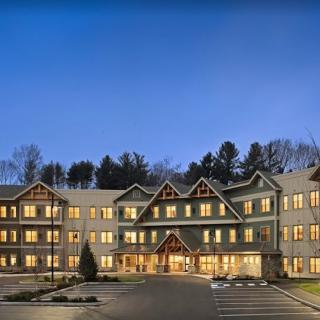
Neurorestorative Gorham in Gorham, ME is a fully furnished assisted living community that offers a range of amenities and care services to enhance the quality of life for its residents. The community features a spacious dining room where residents can enjoy delicious meals prepared and served by professional staff. With beautiful gardens and outdoor spaces, residents can also spend time outdoors and enjoy the natural surroundings.

The housekeeping services provided ensure that residents have a clean and tidy living environment at all times. Additionally, move-in coordination is available to assist new residents in transitioning smoothly into their new home.

For staying connected with loved ones and the digital world, Neurorestorative Gorham offers telephone services as well as access to Wi-Fi or high-speed internet.

When it comes to care services, trained staff members are available to provide assistance with activities of daily living such as bathing, dressing, and transfers. The community also facilitates coordination with health care providers to ensure holistic care for residents. Residents with diabetes can benefit from specialized diets catered to their needs. Medication management is provided to ensure that medications are taken correctly.

Transportation arrangement for medical appointments is available for convenience and peace of mind. In addition, there are multiple cafes, parks, pharmacies, physicians' offices, restaurants, theaters, and hospitals located nearby providing easy access to various local amenities.

To encourage an active lifestyle and social engagement among residents, Neurorestorative Gorham offers scheduled daily activities that cater to different interests and preferences.

Overall, this assisted living community provides a supportive and comfortable environment where residents can receive personalized care while enjoying the amenities offered both within the community and nearby locations.

Nearby Places of Interest

Physicians

  • Martins Point Health Care (2 miles)
  • Village Hearing Care (2.3 miles)
  • Maine Proctology Center (3.5 miles)
  • Mercy Express Care (3.8 miles)
  • Dr. Linford J. Stillson, DO (4 miles)
  • Nano Dentistry (4.1 miles)
  • Scott P Williams MD (4.3 miles)

Pharmacies

  • Community Pharmacies (2.2 miles)
  • CVS Pharmacy (3.9 miles)
  • Walgreens (4.3 miles)
  • Hannaford Pharmacy (4.3 miles)
  • Omnicare of Maine Westbrook (4.8 miles)
  • Shaw's Pharmacy (5.2 miles)
  • CVS Pharmacy (5.7 miles)

Restaurants

  • Burger King (2.7 miles)
  • Junction Bowl (2.9 miles)
  • The Blue Pig Diner (2.9 miles)
  • Sebago Brewing Company (2.9 miles)
  • China Villa (3.8 miles)
  • Bakers Bench (4 miles)
  • Mr Bagel-Westbrook (4.2 miles)

Cafes

  • Aroma Joe's (2.8 miles)
  • Roots Cafe (4.2 miles)
  • Aromaco Enterprises (6.7 miles)
  • Aroma Joe's (6.7 miles)
  • Starbucks (7.1 miles)
  • Coveside Coffee (7.5 miles)

Parks

  • Shaw Gym (3.1 miles)
  • Johnson Field (5.7 miles)

Hospitals

  • Mercy Hospital (3.8 miles)
  • Mercy Hospital (5.5 miles)
  • HealthSouth (7.3 miles)
  • Maine Medical Center-Brighton Campus (7.3 miles)

Theaters

  • Prides Corner Drive-In (4 miles)

Places of Worship

  • United Church of Christ at North Gorham (5.8 miles)
  • Deeper Well Church (6.4 miles)
  • Standish Baptist Church (7.5 miles)

Transportation

  • Maine Aviation Sales (6.3 miles)
  • Northeast Air (7.3 miles)
  • Portland International Jetport (PWM) (7.3 miles)
  • PWM Baggage Claim (7.4 miles)
  • Portland Transportation Center (7.8 miles)

Frequently Asked Questions

Where is Neurorestorative Gorham?

Nearby Communities

Related Resources

  • assisted living vs memory careAssisted Living and Memory Care: Understanding Their Core Differences

    Assisted living provides moderate support for seniors seeking independence, while memory care offers specialized support for individuals with dementia or cognitive impairments through structured routines and trained staff. Key differences include care approaches, environment security measures, staff training levels, activity types, and cost considerations.

  • assisted living activitiesBeyond the Bingo Hall: 50+ Enriching Activities for Seniors in Assisted Living

    Assisted living communities offer diverse activities beyond traditional games to enhance seniors' physical health, cognitive well-being, emotional enrichment, and social connections, including fitness classes, creative expression, and intergenerational interactions. These enriching programs foster community bonds and support residents' independence and happiness.

  • assisted living vs memory careUnderstanding the Distinctions: Assisted Living and Memory Care Explained

    The article differentiates between assisted living and memory care, explaining that assisted living supports seniors with daily activities while promoting independence, whereas memory care provides specialized services for individuals with dementia, focusing on secure environments and cognitive support. It also addresses staff training, safety considerations, costs, family involvement, and transition strategies for families navigating these care options.