
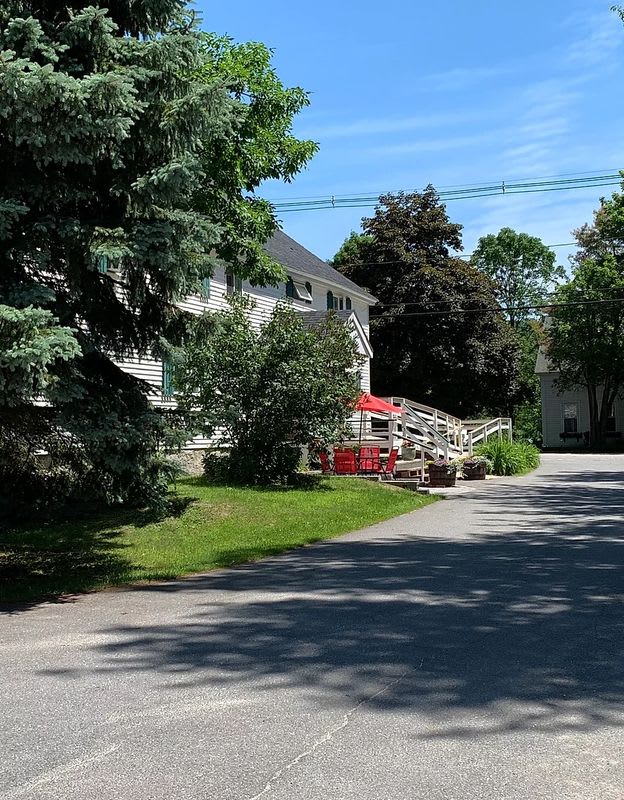

960 Meadow Road Route 121, Casco, ME 04015
To contact a resident: (207) 627-7111
For more information about senior living options: (866) 208-4318

Country Village Assisted Living Costs & Pricing
Country Village Assisted Living offers a studio option priced at $5,500 per month, which reflects the unique amenities and personalized care tailored to residents' needs. When compared to the average costs in Cumberland County, which stand at approximately $4,969 for similar accommodations, Country Village's pricing is notably higher. This is also above the broader state average of $4,889. The difference may be attributed to the exceptional services and quality of life provided by Country Village, positioning it as a premium choice for those seeking assisted living options in Maine.
| Floor plans | Country Village Assisted Living | Cumberland County | Maine |
|---|---|---|---|
| Studio | $5,500 | $4,969 | $4,889 |
Assisted Living communities with a similar price nearby
-
from -$1000 / mo

Countryside Adult Family Care Home Assisted Living
$4,500 / month24.0 miles away -
from +$453 / mo

Inn At Village Square
$5,953 / month20.8 miles away -
from -$610 / mo

Support Solutions - 1008 Sabattus
$4,890 / month19.5 miles away -
from +$860 / mo
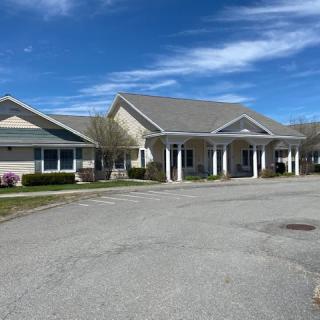
Freeport Place
$6,360 to $7,080 / month22.4 miles away -
from -$700 / mo
Macsullivan Home
$4,800 to $7,500 / month18.8 miles away
Overall Review of Country Village Assisted Living
Pros
 The staff provide incredible care and support.
- The residents are welcoming, and the staff show true compassion to families.
- Families can feel at ease knowing their loved ones are in competent and caring hands.
- The staff go above and beyond, ensuring residents are comfortable and respected.
- The staff's kindness and dedication leave families forever grateful.
- The rooms are clean, bright and cozy.
- The staff make residents feel comfortable and welcome.
- Support is cheerfully given, helping residents settle in quickly and enjoy company.
- Country Village provides a warm, friendly, homey environment.
- The care is excellent; the staff are friendly and helpful.
- It feels like a home setting with home-style cooking.
Cons
 It is not a fancy, new place.
- The facility is older and has some issues.
- There are drawbacks of the older facility, including uneven floors, retrofitting, and only one stair chair lift (no elevator).
Review
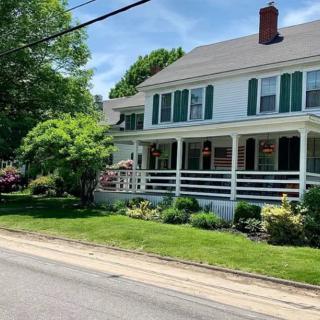
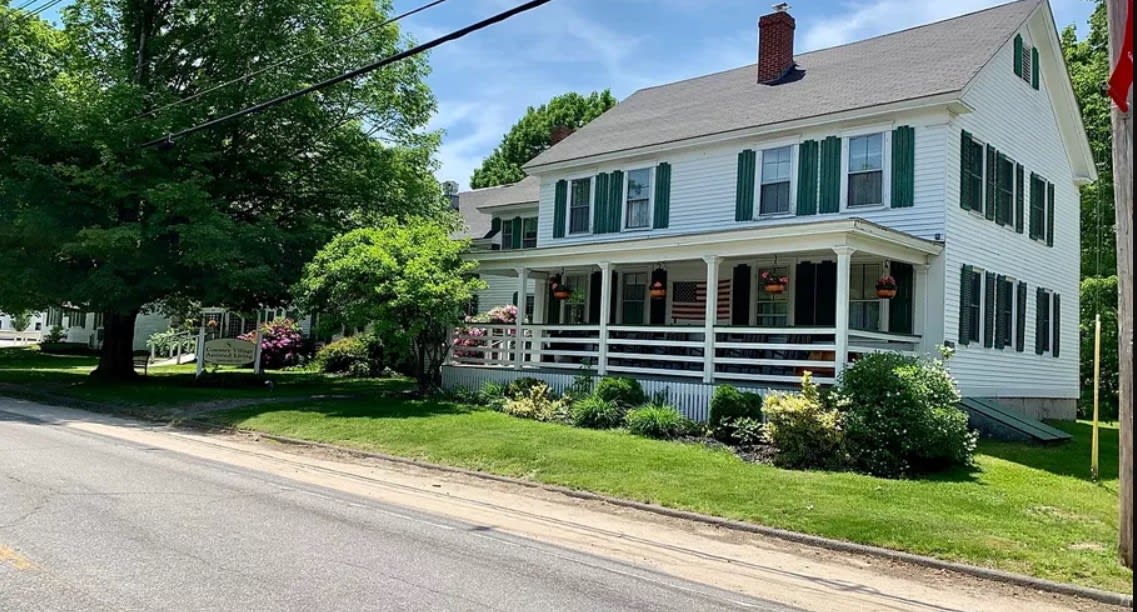
Country Village Assisted Living in Casco, ME is best suited for seniors who want a warm, home-like setting where attentive staff treat residents like family. It rewards families who place high value on personal connection, daily companionship, and dignified end-of-life or dementia care delivered with genuine compassion. The ambiance feels rustic and intimate, an old farmhouse in a tranquil town near the lake, where residents are welcomed into a community that prioritizes comfort, familiar routines, and relationships over polish and spectacle. This is the kind of place where caregivers know residents by name, celebrate small moments, and create a sense of belonging that many families find indispensable.
Those considering alternatives should look elsewhere if modernization and upscale amenities are non-negotiable. The facility’s charm comes with trade-offs: it is an older building with certain drawbacks, not a gleaming, state-of-the-art campus. For families whose loved ones require elevator access, highly structured rehab programs, or a broader spectrum of on-site medical services, a larger or newer community may better meet those needs. If a resident requires frequent, advanced clinical interventions or a campus with extensive, campus-wide activity schedules and broad elective offerings, this setting may feel limiting. In short, it is ideal for care that emphasizes heart, not showpieces.
The strongest positives are unmistakable: consistently compassionate caregiving, a genuine sense of community, and leadership that reinforces a resident-first culture. Reviews repeatedly highlight staff who go above and beyond, with stories of dignity-preserving care during hospice and dementia journeys. Residents feel seen and valued, often citing the continuity of care and the way staff members work together to keep a loved one comfortable and engaged. The homey atmosphere, home-cooked meals, familiar faces, and a cooperative, family-like team, translates into measurable comfort for families during stressful times. When a manager like Craig is described as responsive and approachable, it reinforces confidence that concerns will be addressed promptly.
Similarly notable is the quality of daily life inside Country Village. Family members describe rooms that are clean, bright, and cozy, with a sense of hominess that helps nervous residents settle in quickly. The staff’s attentiveness arrives not as a checklist but as a lived practice, the same dependable care core, delivered consistently by whoever steps in on a given shift. Residents are stimulated and cared for in a way that preserves dignity and independence where possible, and the overall environment feels reassuringly low-tech yet high-touch. The environment’s rustic charm, about-the-house feel, friendly dining, and the surrounding quiet town, contributes to a sense of normalcy that matters in late-life living.
That said, the practical realities of an older facility must be weighed against these strengths. The property’s age means uneven floors, retrofitting needs, and limited modern infrastructure, such as accessibility options that some families might expect from newer communities. The absence of an elevator and only one stair chair lift are legitimate considerations for residents with mobility challenges or safety concerns. These infrastructure realities do not negate the care quality, but they can influence comfort levels for certain residents and families. For those who prioritize a barrier-free, elevator-equipped environment, reconciliation with these realities may require a candid, early conversation about mobility, fall risk, and the feasibility of requested accommodations.
Ultimately, Country Village stands out for families who prize warmth, continuity, and compassionate human touch over the sheen of a new building. It is a place where staff feel like an extension of the family, where residents form meaningful connections, and where end-of-life and dementia care is delivered with evident heart. For families who can accept the building’s age and can align expectations with the care-first culture, the pros significantly outweigh the cons. The decisive question is whether the loved one’s priorities lean toward a homey, closely knit setting with devoted caregivers, or toward a modern, elevator-enabled campus with broader on-site medical services. If the former, a visit to Country Village is strongly recommended, with direct questions about mobility, safety features, and transition planning to ensure a smooth, well-supported move.
 Assisted Living
 Activities on-site
 Devotional services off-site
 Indoor common areas
 Diabetic care
 Medication management
 Meals provided




 Funding and Affording Assisted Living: A Thorough Overview
 Assisted Living Expenses and Long-Term Care Insurance: A Comprehensive Exploration
 Securing Financial Support for Assisted Living: A Comprehensive Overview