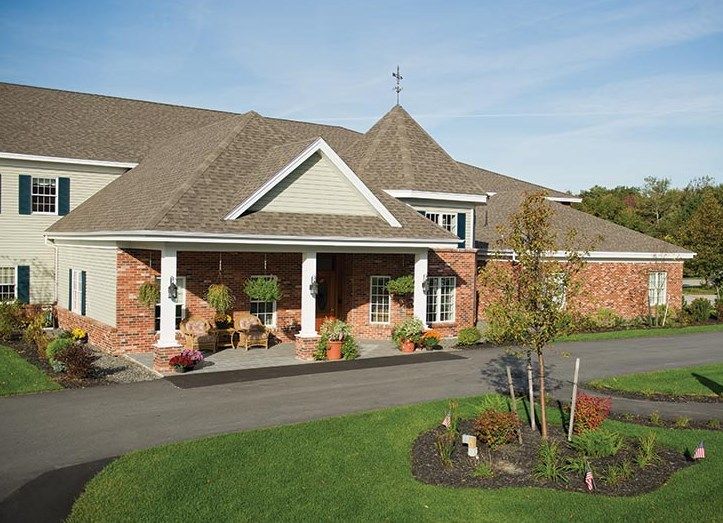

Cape Memory Care

Save
Cape Memory Care Cape Memory Care Cape Memory Care

Cape Memory Care

126 Scott Dyer Road, Cape Elizabeth, ME 04107

For more information about senior living options: (844) 490-3973

3 from 14 reviews
5 stars
7
4 stars
0
3 stars
0
2 stars
0
1 stars
7

Assisted Living Memory Care

Overall Review of Cape Memory Care

Pros

  • pro Cape Memory Care has shown clear improvements in recent years, with the current leadership's impact being noticeable.
  • pro The environment feels more stable, and attention to resident experience has strengthened over time.
  • pro The facility is described as a great facility with great care.
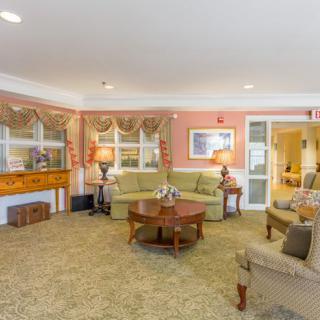
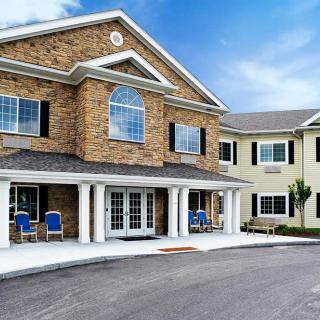
  • pro It is a family-owned and staffed community with caring people, described as beautiful and homey.
  • pro The staff are warm, caring, and compassionate.
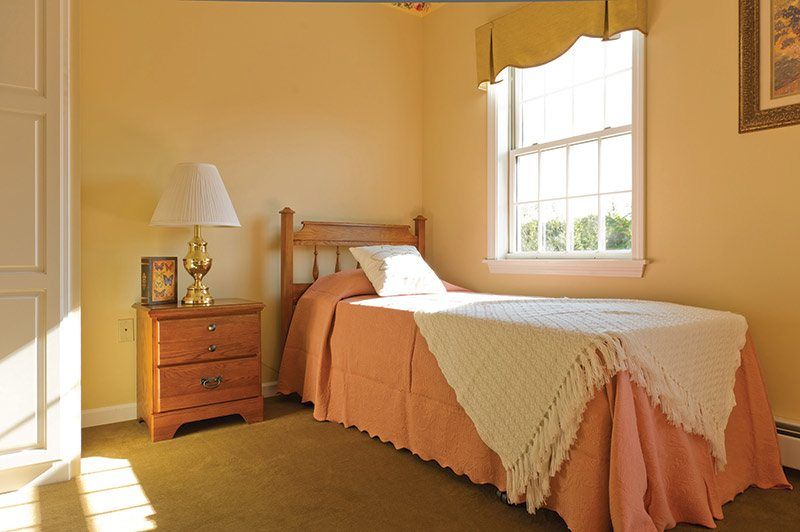
  • pro Residents have private rooms with amenities such as cable TV and internet.
  • pro There are activities and engagement opportunities for residents that provide meaningful stimulation.

Cons

  • pro The facility is severely understaffed and dirty, with residents often dirty, meals inadequate, and rooms smelling of urine.
  • pro Personal items and clothing frequently go missing, and there is little to no personal care or feeding assistance.
  • pro Residents frequently fall, and help appears slow or absent, sometimes leaving blood on carpets.
  • pro There is zero communication or collaboration with families and Hospice, and end-of-life care is mishandled (ER transfers without Hospice notification).
  • pro Management is described as incompetent and overwhelmed, with unsanitary laundry and kitchen areas.
  • pro Residents have little to no stimulation or activities and often appear bored or isolated.
  • pro The place is not memory care but torture, with calls for the facility to be shut down.

Review

Cape Memory Care sits at the intersection of strong local pride and a troubling range of resident experiences. On one hand, several voices describe a facility that has made clear improvements in recent years. They point to a steadier environment, more attention to the resident experience, and a leadership team that feels deeply invested in doing the work well. In those views, the place exudes stability, and the people who live there are treated with growing care and consideration. A few observers even describe it as a great facility with great care, reflecting pride in the work being done under the current leadership and within a locally owned context that often fosters a deeper commitment to resident welfare.

But those positive notes sit alongside a chorus of stark and distressing concerns from other families. A number of reviews paint a grim portrait of diminished safety and care. For some families, unattended falls turned into injuries and, tragically, even deaths. In these accounts, clothing and personal items went missing, and the care provided did not meet basic expectations for dignity or nourishment. Families describe residents who were not helped promptly, who appeared fatigued or disoriented, and who often lacked stimulating activities or meaningful engagement. Meals were frequently described as inadequate, with residents not receiving the assistance they needed to eat or to maintain proper nourishment. The sense left by these stories is that, for some residents, life at the facility has been marked by neglect rather than attentive care.

Communication - and the way the facility interacts with outside care partners - emerges as another critical fault line in these narratives. When in-home Hospice became involved with a loved one at the facility, several reviewers reported a breakdown in collaboration and information sharing. There are detailed accounts of the facility sending a resident to the ER without properly notifying Hospice of Southern Maine, and of uncoordinated messaging that clashed with the hospice philosophy already in place. In one deeply painful episode, a patient was taken to Maine Medical Center ER without Hospice being contacted, and the family had to intervene to ensure the hospice status was recognized. The hospice nurse's guidance about prognosis and timing conflicted with the facility's expectation that the patient would "stabilize" and return, ultimately leading to the patient's death shortly after transfer. In the aftermath, the director's brief, "everything happened so quickly," response left at least one family feeling unheard and anxious about whether the facility truly appreciates the gravity of such moments.

The most pointed warnings come from reviewers who describe the facility as understaffed, dirty, and unsanitary. One speaker emphasizes that even with free rooms, they would not recommend the place, citing hair and clothing stained with food, items missing, and a persistent lack of stimulation - no activities, no music or crafts, and residents largely confined to their rooms or sitting passively in public spaces. Falls occurred, with injuries described as requiring attention after a long delay, and in at least one case the carpet reportedly bore a scene of blood that suggested something more alarming than routine care. The general tone is that cleanliness, infection control, and basic daily support - like helping residents eat when needed - were not reliably provided. The broader implication, according to this review, is that the facility's management and operations fall well short of what is required to ensure elder residents' safety and dignity; many readers even call for state oversight or shutdown.

Concerns about specific locations within the Cape Memory Care family surface in several accounts. A reviewer visiting a Cape Elizabeth location recounts a pattern of loneliness and disengagement: residents seated in dining rooms with little to do, a noticeable absence of activities like music or games, and rugs that stay dirty or smell of urine. Hair and clothing are described as dirty in multiple rooms, and the overall atmosphere suggests insufficient personal care. The repeated emphasis is not only on individual incidents but on a culture of neglect that seems to pervade everyday life for residents. The sense of urgency here is not merely about comfort but about basic human dignity and the state's willingness to sanction facilities when neglect or abuse is reported.

Another highly critical voice characterizes the facility as "broken," with dire claims about nutrition and staffing. In these accounts, residents who did not visibly beg for food were described as refusing to eat, while the implication was that they were simply hungry and not being nourished adequately. Staff were portrayed as overworked and overwhelmed, and leadership was accused of incompetence in meeting the needs of a growing or evolving resident population. Laundry and kitchen areas were described as overwhelmed by dirty items, creating an unsanitary environment that critics say should be the target of immediate corrective action or closure. Taken together, these remarks frame a picture of a facility struggling to reconcile patient safety, quality of life, and operational stability.

Amidst the torrent of criticism, there are clear counterpoints. A few reviews describe interactions with employees and administrators that were responsive and supportive, especially during transitions into the home and during adjustments that followed. One reviewer highlights a private room, access to cable, internet, and a calm sense of stability for their loved one, with positive remarks about the availability of activities. Another voice emphasizes that the staff and management were helpful after the initial move, and that the environment can offer comfort and a sense of normalcy for some residents. Additionally, a couple of comments celebrate the facility's beauty and its family-owned, homey feel, painting a picture of care that can be attentive, warm, and compassionate when circumstances align with staff capacity and leadership direction.

In the end, the collection of experiences at Cape Memory Care reveals a striking spectrum: moments of genuine improvement and compassionate care, interwoven with episodes of neglect, dangerous lapses in safety, and painful miscommunications that touch not only residents but their families at vulnerable moments. The most consistent thread across the narratives is that outcomes appear highly dependent on the specific staff, location, and day-to-day conditions. Families who encounter well-trained, engaged staff and well-coordinated care teams report positive experiences and a sense of relief about their loved ones' daily lives. Others who confront understaffing, hygiene concerns, and poor communication describe disheartening episodes that challenge their trust and raise questions about oversight and accountability. As the facility continues to evolve, these varied perspectives underscore the ongoing need for vigilant monitoring, transparent communication, and a steadfast commitment to both safety and dignity for every resident.

Features

Housing

  • 72 resident community capacity 72 resident community capacity

Types of Care

  • Assisted Living Assisted LivingAssisted living facilities provide crucial support and care for seniors who may need help with daily tasks such as medication management, bathing, and meal preparation. These communities offer a safe and comfortable environment where seniors can maintain their independence while receiving the assistance they need to thrive in their golden years.
  • Memory Care Memory CareMemory care is crucial for seniors as it provides specialized support and services for individuals with dementia or Alzheimer's disease. These programs offer a safe and secure environment where residents receive personalized care, cognitive stimulation, and help with daily activities. Memory care helps seniors maintain their independence, quality of life, and dignity while also providing peace of mind for their families.

Amenities

  • Activities on-site Activities on-siteActivities on-site are important for seniors because they provide opportunities for socialization, mental stimulation, physical activity, and overall well-being. Engaging in activities can help seniors stay active, maintain their independence, and improve their quality of life.
  • Air-conditioning Air-conditioningAir conditioning is important for seniors as they are more vulnerable to heat-related illnesses and may have underlying health conditions that make it difficult for them to regulate their body temperature. It helps to keep them comfortable, safe, and healthy in hot weather.
  • Beauty salon Beauty salonBeauty salons are important for seniors because they provide a space for them to feel pampered, socialize, and maintain their personal grooming and hygiene. Regular visits to a beauty salon can help boost seniors' self-esteem and overall well-being.
  • Cable or satellite TV Cable or satellite TVCable or satellite TV is important for seniors because it provides entertainment, news, and companionship, helping to combat loneliness and boredom. It also offers a wide range of programming options tailored to different interests and preferences.
  • Computer center Computer centerA computer center is essential for seniors as it provides access to technology, communication tools, and resources that can enhance their daily lives. It allows them to stay connected with loved ones, engage in online activities, and learn new skills, ultimately promoting socialization and mental stimulation.
  • Devotional services off-site Devotional services off-siteDevotional services off-site are important for seniors as they provide spiritual nourishment, social engagement, and a sense of community outside of the senior living facility. This can enhance overall well-being and help combat feelings of isolation and loneliness often experienced by older adults.
  • Dining room Dining roomDining rooms are important for seniors as they provide a space for socialization, connection, and nutritious meals. They offer opportunities for residents to bond over shared meals, foster a sense of community, and promote healthy eating habits. Dining rooms also ensure that seniors have access to well-balanced meals tailored to their dietary needs and preferences.
  • Fitness room Fitness roomHaving a fitness room in a senior living community is essential for seniors to stay active, maintain their physical health, and improve their overall well-being. Regular exercise can help prevent falls, reduce the risk of chronic diseases, and promote mental sharpness. It also provides social opportunities for residents to connect with others and enjoy a sense of community.
  • Fully furnished Fully furnishedFully furnished senior living communities are important for seniors because they provide convenience, comfort, and a hassle-free moving experience. Seniors can easily settle into their new living space without the stress of having to buy and move furniture. This allows them to focus on enjoying their new home and community.
  • Gaming room Gaming roomGaming rooms are important for seniors as they provide a fun and engaging environment for socializing, cognitive stimulation, and physical activity. Games can improve memory, problem-solving skills, and overall mental well-being while fostering friendships and reducing feelings of isolation.
  • Garden GardenGardens are important for seniors as they provide a peaceful and therapeutic environment for relaxation, physical activity, and socialization. Being in nature has been shown to reduce stress, improve mood, and promote overall well-being. Gardens also offer opportunities for seniors to engage in gardening activities, which can improve mobility, flexibility, and cognitive function. Additionally, gardens create a sense of community and connection with others who share a passion for plants and outdoor spaces.
  • Housekeeping services Housekeeping servicesHousekeeping services are important for seniors because they help maintain a clean and safe living environment, promote independence, and reduce the risk of accidents or illnesses. Additionally, having assistance with household chores can alleviate physical strain and allow seniors to focus on other aspects of their well-being.
  • Indoor common areas Indoor common areasIndoor common areas are crucial for seniors as they provide a space for socialization, recreation, and community engagement, promoting overall well-being and reducing feelings of isolation and loneliness.
  • Kitchenette KitchenetteKitchenettes are important for seniors living in senior living communities because they provide the convenience and independence of being able to prepare simple meals and snacks in the comfort of their own living space. This can help promote a sense of autonomy and well-being for seniors, allowing them to maintain some level of control over their dietary choices and daily routines.
  • Move-in coordination Move-in coordinationMove-in coordination is important for seniors because it helps ease the transition into their new living environment. It ensures that all logistics, such as packing, organizing movers, and setting up utilities are taken care of, allowing seniors to focus on settling in and adjusting to their new home. Having a smooth move-in process can alleviate stress and anxiety, making the transition smoother and more enjoyable for seniors.
  • Outdoor space Outdoor spaceOutdoor spaces are important for seniors as they provide opportunities for physical activity, social interaction, exposure to natural light and fresh air, and a sense of connection to nature. Having access to outdoor spaces can improve overall well-being and quality of life for older adults living in senior communities.
  • Private bathrooms Private bathroomsPrivate bathrooms are important for seniors in senior living communities because they provide independence, dignity, and comfort. Having a private bathroom allows seniors to maintain their personal hygiene routines without the need for assistance, promoting a sense of autonomy and privacy. Additionally, private bathrooms help prevent the spread of infections and provide a safe and clean environment for seniors to navigate safely.
  • Restaurant-style dining Restaurant-style diningRestaurant-style dining is important for seniors because it allows them to enjoy delicious, nutritious meals in a social and upscale setting. This enhances their dining experience, promotes healthy eating habits, and fosters socialization with fellow residents, ultimately contributing to their overall well-being and quality of life.
  • Small library Small librarySmall libraries are important for seniors as they provide access to a variety of reading materials, including books, newspapers, and magazines. This can help stimulate their minds, keep them engaged, and provide a sense of community through book clubs and other social activities. Additionally, reading has been shown to improve cognitive function and overall mental well-being in older adults.
  • Telephone TelephoneTelephones are important for seniors as they provide a lifeline for communication with loved ones, emergency services, and healthcare providers. They offer a sense of security and independence, enabling seniors to stay connected and access assistance when needed.
  • Wellness center Wellness centerWellness centers are important for seniors because they offer a variety of programs and services that promote physical, mental, and emotional well-being. These centers provide opportunities for exercise, socialization, education, and relaxation, helping seniors maintain their overall health and quality of life.
  • Wi-Fi/high-speed internet available Wi-Fi/high-speed internet availableWi-Fi/high-speed internet is important for seniors to stay connected with loved ones, access online resources, and participate in virtual activities to combat feelings of loneliness and isolation. It also allows them to easily manage healthcare needs, access entertainment, and engage in lifelong learning opportunities.

Transportation

  • Portland International Jetport (5 miles away) Portland International Jetport (5 miles away)
  • Community operated transportation Community operated transportationCommunity operated transportation is crucial for seniors as it provides them with the means to access essential services, social activities, and medical appointments. It allows seniors to maintain their independence and quality of life by ensuring they can participate in activities outside of their homes. Additionally, community-operated transportation services offer a safe and reliable way for seniors to travel without having to rely on family or friends for assistance.
  • Transportation arrangement Transportation arrangementTransportation arrangements are crucial for seniors as they may face challenges with driving, mobility, or access to public transportation. Having reliable transportation services ensures that seniors can easily attend appointments, social activities, and maintain their independence and quality of life.
  • Transportation arrangement (non-medical) Transportation arrangement (non-medical)Transportation arrangements are essential for seniors as they provide access to essential services, activities, and social interactions outside the home. This service helps maintain independence, mobility, and overall well-being for seniors who may have limited transportation options.
  • Transportation to doctors appointments Transportation to doctors appointmentsTransportation to doctors appointments is crucial for seniors as it ensures they have access to necessary medical care and support, promoting their health and well-being. It allows them to receive timely treatment, monitor existing conditions, and address any new health concerns efficiently. Additionally, transportation services can help seniors maintain their independence and quality of life by enabling them to stay connected with their healthcare providers.

Care Services

  • 12-16 hour nursing 12-16 hour nursing12-16 hour nursing care is crucial for seniors in order to ensure around-the-clock monitoring, timely medication administration, and prompt response to any health concerns or emergencies. This level of care helps to promote the overall well-being and safety of seniors living in senior living communities.
  • 24-hour call system 24-hour call system24-hour call systems are important for seniors because they provide peace of mind and immediate assistance in case of emergencies. This technology ensures that help is always available, promoting safety and security for elderly individuals living alone or in assisted living facilities.
  • 24-hour supervision 24-hour supervision24-hour supervision is important for seniors to ensure their safety, well-being, and access to immediate assistance in case of emergencies or health issues. This constant support provides peace of mind for both seniors and their loved ones, allowing them to age in place with dignity and security.
  • Activities of daily living assistance Activities of daily living assistanceActivities of daily living assistance are important for seniors because they provide essential support with tasks such as eating, bathing, dressing, and mobility. This assistance helps seniors maintain their independence, dignity, and overall quality of life as they age.
  • Ambulatory care Ambulatory care"Ambulatory care services provide essential medical support and treatment to seniors without requiring hospitalization, allowing them to maintain their independence and quality of life while managing chronic conditions or receiving routine medical care."
  • Assistance with bathing Assistance with bathingAssistance with bathing is crucial for seniors as it helps maintain personal hygiene, prevents infections, and ensures their overall well-being and comfort. It also provides a sense of dignity and independence for seniors who may struggle with this task on their own.
  • Assistance with dressing Assistance with dressingAssistance with dressing is important for seniors because it helps maintain their independence, promotes personal hygiene, prevents accidents and injuries, and improves overall quality of life. This service ensures that seniors can continue to dress comfortably and confidently, despite any physical limitations they may have.
  • Assistance with transfers Assistance with transfersAssistance with transfers is crucial for seniors as it helps prevent falls and injuries, maintains their independence, and ensures they can safely navigate their living environment. It also provides peace of mind for both seniors and their loved ones.
  • Diabetes diet Diabetes dietA diabetes diet is crucial for seniors as it helps manage blood sugar levels, reduce risks of complications, and improve overall health and well-being. By following a balanced and nutritious diet tailored to their specific needs, seniors can better control their diabetes and enhance their quality of life.
  • Diabetic care Diabetic careDiabetic care is crucial for seniors as they are more susceptible to developing diabetes due to aging and other health conditions. Proper management of diabetes can help prevent complications such as heart disease, vision loss, and nerve damage, improving the overall quality of life for seniors in senior living communities.
  • Meal preparation and service Meal preparation and serviceMeal preparation and service are crucial for seniors as they may have limited mobility or energy to cook nutritious meals. Having access to healthy and convenient food options can ensure they are getting the proper nutrition needed to maintain their overall health and well-being.
  • Medication management Medication managementMedication management is crucial for seniors to ensure they are taking the right medications at the correct dosages and times. This helps prevent adverse drug interactions, reduces the risk of medication errors, and promotes overall health and well-being. Proactive management also allows for adjustments as needed based on changing health conditions or new prescriptions.
  • Mental wellness program Mental wellness programMental wellness programs are essential for seniors as they promote cognitive stimulation, emotional support, and social engagement. These programs help prevent isolation, depression, and cognitive decline, ultimately enhancing the overall quality of life for older adults.
  • Mild cognitive impairment Mild cognitive impairment"Mild cognitive impairment" is important for seniors because it is an early stage of cognitive decline that can potentially progress to more severe conditions such as dementia. Recognizing and addressing mild cognitive impairment can help seniors receive appropriate care and support to maintain their quality of life and independence for as long as possible.
  • Special dietary restrictions Special dietary restrictionsSpecial dietary restrictions are important for seniors because age-related changes in metabolism and health conditions can make it difficult for their bodies to process certain foods. By following a diet tailored to their specific needs, seniors can maintain their overall health and well-being, manage chronic conditions, and reduce the risk of complications such as malnutrition or food interactions with medications.
  • Specialized memory care programming Specialized memory care programmingSpecialized memory care programming is crucial for seniors with cognitive impairments such as dementia or Alzheimer's disease. These programs provide a safe and supportive environment tailored to the unique needs of individuals with memory loss, helping them maintain their independence, dignity, and quality of life.

Dining

  • Diabetes diet Diabetes dietA diabetes diet is crucial for seniors as it helps manage blood sugar levels, reduce risks of complications, and improve overall health and well-being. By following a balanced and nutritious diet tailored to their specific needs, seniors can better control their diabetes and enhance their quality of life.
  • Meals provided Meals provided"Meals provided" are crucial for seniors in assisted living communities as it ensures they have access to nutritious, balanced meals without the stress of meal planning and preparation. This can help promote overall health and well-being for seniors who may have limited mobility or cognitive abilities.
  • Special dietary restrictions Special dietary restrictionsSpecial dietary restrictions are important for seniors because age-related changes in metabolism and health conditions can make it difficult for their bodies to process certain foods. By following a diet tailored to their specific needs, seniors can maintain their overall health and well-being, manage chronic conditions, and reduce the risk of complications such as malnutrition or food interactions with medications.

Activities

  • Activities on-site Activities on-siteActivities on-site are important for seniors because they provide opportunities for socialization, mental stimulation, physical activity, and overall well-being. Engaging in activities can help seniors stay active, maintain their independence, and improve their quality of life.
  • Community-sponsored activities Community-sponsored activitiesCommunity-sponsored activities are important for seniors as they provide opportunities for social interaction, mental stimulation, and physical activity. These activities can help improve overall well-being, combat loneliness and isolation, and promote a sense of belonging and purpose among older adults.
  • Concierge services Concierge servicesConcierge services are essential for seniors as they provide assistance with daily tasks and errands, enhance their quality of life by offering convenience and personalized care, and promote a sense of safety and security.
  • Devotional activities offsite Devotional activities offsiteDevotional activities offsite are important for seniors because they provide social engagement, spiritual growth, and a sense of community outside of their living environment. This can improve overall well-being, mental health, and combat feelings of isolation or loneliness.
  • Fitness programs Fitness programsFitness programs are crucial for seniors as they help improve strength, flexibility, balance, and overall well-being. Staying active can reduce the risk of chronic diseases, improve mental health, and enhance quality of life in older adults.
  • Planned day trips Planned day tripsPlanned day trips are important for seniors because they offer opportunities for socialization, mental stimulation, and physical activity. They provide a change of scenery and help seniors stay engaged and connected to their community, promoting overall well-being and quality of life.
  • Resident-run activities Resident-run activitiesResident-run activities are important for seniors as they encourage social interaction, creativity, and a sense of autonomy. These activities empower seniors to stay engaged and active in their community while fostering meaningful connections with their peers.
  • Scheduled daily activities Scheduled daily activitiesScheduled daily activities are important for seniors because they provide structure, socialization, mental stimulation, and physical activity. Engaging in regular activities can improve overall well-being and quality of life for seniors living in a community setting.

Description

Cape Memory Care in Cape Elizabeth, ME is a premier assisted living community that specializes in memory care for individuals with Alzheimer's disease or other forms of dementia. Our community offers a range of amenities and services to ensure the comfort and well-being of our residents.

Residents can enjoy the convenience of air-conditioning and cable or satellite TV in their fully furnished private rooms, as well as access to our beauty salon and computer center. Our dining room offers restaurant-style dining with delicious meals provided and special dietary restrictions catered to.

We provide a variety of activities to engage residents' minds and bodies, including community-sponsored activities, fitness programs, planned day trips, and resident-run activities. Residents can also choose to participate in devotional services off-site and enjoy concierge services for any additional needs.

At Cape Memory Care, our highly trained staff is available 24/7 to provide assistance with activities of daily living such as bathing, dressing, and transfers. We also offer medication management and have a mental wellness program in place. Our specialized memory care programming is designed to meet the unique needs of individuals with cognitive impairments.

In addition to our excellent care services, our location offers easy access to nearby amenities such as cafes, parks, pharmacies, physicians' offices, restaurants, places of worship, theaters, and hospitals. We also provide transportation arrangements for non-medical needs as well as doctors' appointments.

Cape Memory Care is committed to providing exceptional care in a warm and welcoming environment. We invite you to visit us and see how we can support your loved one's memory care needs.

Nearby Places of Interest

Pharmacies

  • CVS Pharmacy (0.7 miles)
  • CVS Pharmacy (3 miles)
  • Walgreens (3.6 miles)
  • Newport Strategies (4.3 miles)
  • Wellness Connection of Maine (4.3 miles)
  • CVS Pharmacy (4.4 miles)
  • The Pharmacy (4.4 miles)

Restaurants

  • C Salt Gourmet Market (0.7 miles)
  • Red's Dairy Freeze (2.8 miles)
  • The Lobster Shack (2.9 miles)
  • Willard Scoops (3.1 miles)
  • Scratch Baking Co. (3.2 miles)
  • Foulmouthed Brewing (3.3 miles)
  • Saltwater Grille (3.9 miles)

Physicians

  • Max Health Maine (0.7 miles)
  • Internal Medicine On The Cape (1.6 miles)
  • Scarborough Surgery Center (3.7 miles)
  • Portland bone and joint specialists (3.8 miles)
  • Consultantsof Maine Cardiovascular PA (3.9 miles)
  • Scarborough Family Medicine (3.9 miles)
  • GYN Oncology (3.9 miles)

Parks

  • Bug Light Park (2.2 miles)
  • Fort Williams Park (2.6 miles)
  • Two Lights State Pk (2.9 miles)
  • Thompsons Point (3.9 miles)
  • Western Promenade Park (4.1 miles)
  • Congress Square Park (4.3 miles)
  • Scarborough Beach State Park (4.4 miles)

Cafes

  • Starbucks (2.9 miles)
  • Starbucks (4.3 miles)
  • Yordprom Coffee Shop (4.3 miles)
  • Tandem Coffee + Bakery (4.3 miles)
  • The Gelato Fiasco (4.3 miles)
  • Novare Res Bier Cafe (4.4 miles)
  • Maps (4.4 miles)

Places of Worship

  • Thornton Heights United Methodist Church (3.8 miles)

Hospitals

  • Mercy Hospital Infusion Unit (4.1 miles)
  • Mercy Hospital (4.3 miles)
  • Maine Medical Center - Chaplain's Office (4.4 miles)
  • The Barbara Bush Children's Hospital (4.4 miles)
  • Portland Public Health Division (4.6 miles)

Theaters

  • Patriot Cinemas (4.4 miles)

Frequently Asked Questions

Where is Cape Memory Care?
Does Cape Memory Care provide care for residents with dementia or Alzheimer's disease?
What photos are available for Cape Memory Care in Cape Elizabeth, Maine?

Nearby Communities

Related Resources

  • reminiscence therapyExploring the Power of Reminiscence Therapy for Individuals With Dementia

    Reminiscence therapy helps individuals with dementia recall past memories through structured discussions and meaningful objects, enhancing mood, relationships, and sense of identity while celebrating their lives. It can be practiced in formal settings or at home, requiring sensitivity to personal histories and cultural backgrounds.

  • reminiscence therapyAn In-Depth Look at Reminiscence Therapy in Dementia Care

    Reminiscence therapy is a structured method for older adults, especially those with dementia, to share life stories using prompts and sensory cues, fostering emotional well-being, social engagement, and self-identity. It aims to improve quality of life by enhancing interpersonal connections and cognitive stimulation while requiring careful facilitation to avoid distressing memories.

  • dementia hallucinationsDementia-Related Hallucinations: Causes, Experiences, and Practical Approaches

    Dementia, particularly Lewy body dementia, often involves hallucinations that can significantly distress both patients and caregivers due to disruptions in sensory processing and neurotransmitter imbalances. Effective management includes compassionate communication, environmental adjustments, and a multidisciplinary approach to care while addressing the emotional needs of caregivers.