Biddeford Estates

Save
Biddeford Estates

Biddeford Estates

2 Dartmouth Street, Biddeford, ME 04005

For more information about senior living options: (844) 490-3973

3.5 from 23 reviews
5 stars
9
4 stars
6
3 stars
0
2 stars
3
1 stars
5

Assisted Living

Overall Review of Biddeford Estates

Pros

  • pro It's a clean assisted living and the employees are friendly and give excellent care to the residents.
  • pro Nice place for the elderly.
  • pro Nice place.

Cons

  • pro Residents were left sweltering in a 95-degree room with no clear explanation of where others went or if anyone would return.
  • pro A patient was told not to speak to another patient because that patient was suing for theft.
  • pro There was a chronic lack of medication delivery and inadequate information about meals and activities.
  • pro Medical help, transportation to doctors, and timely appointment scheduling were severely lacking, and medication changes were not properly handled.
  • pro When medications ran out, residents could not obtain any more medications, especially pain meds.
  • pro Residents were charged for a TV, fridge, air conditioner, cable, and internet despite advertised free services.
  • pro A dementia patient reportedly wandered away and staff failed to locate her promptly, with administrators unresponsive to follow-up.
  • pro Customer service was described as rude and ineffective, with managers not addressing issues.

Review

A wide range of experiences emerges from the mixed set of reviews about the facility, painting a complex picture of life in the community. On one hand, families and residents describe a place that is clean and, in many cases, friendly and welcoming. They note that the environment can feel pleasant and that residents' social bonds are strong; there are mentions of private apartments and a sense that staff try to work together to support well-being. Some observations highlight helpful and caring individuals, and several comments suggest that there are moments when the facility runs smoothly and residents are well cared for. In these passages, people often emphasize the positive atmosphere, the cleanliness of the building, and the perceived kindness of many workers.

Yet beneath the surface of these positives lie multiple, significant concerns that recur across several postings. A distressing incident is described in which a mother with dementia was able to leave the facility and go outdoors without anyone noticing or following up promptly. The writer recounts that she was found by a family member, and that there was little to no immediate communication or accountability from administrators or leadership after the event. This particular episode is presented as part of a broader pattern of safety and supervision gaps, with families reporting that administrators did not return calls, and that concerns about a missing resident remained unresolved for a troubling period. Taken together, these stories lend a sense of vulnerability and risk for residents who may require closer supervision and stronger procedures to ensure their safety.

Another major thread centers on medical care and medication management. Reviewers report frequent lapses in the delivery of medications and delays in receiving necessary medical attention. Specific complaints include medicines running out, delays in getting prescriptions reordered, and insufficient medical help from providers, including challenges with transportation to doctors and the logistics of setting and keeping appointments. Several mentions claim that changes in medication are not communicated effectively, leaving residents without needed drugs when supplies run dry. The mix of administrative hurdles and clinical gaps contributes to a perception that medical needs are not being consistently prioritized, which understandably causes anxiety for families and residents who depend on reliable medication management and timely professional input.

Information about meals, daily activities, and general day-to-day updates also appears to be inconsistent. Some reviewers indicate there is a lack of clear information regarding what meals are offered or what activities are available, which can leave families and residents feeling uncertain about daily routines and what to expect. This absence of reliable information adds to a broader sense that communication from the facility could be improved, especially around essential matters like care plans, schedule changes, and opportunities for social engagement. The contrast with notes about a clean environment and friendly staff contributes to a nuanced view: good basic conditions exist, but reliable, transparent information is not always guaranteed.

Financial and contractual concerns feature prominently in several accounts as well. Several reviewers describe expectations around "free" amenities such as cable and wifi that appear to be advertised, only to encounter extra charges for services like TV, a refrigerator, or an air conditioner, in addition to ongoing fees for cable and internet access. The language used by reviewers suggests frustration with what they perceive as misaligned billing practices or misleading advertising. In one line, the sentiment is that the accumulation of these additional charges may be connected, in the reviewer's view, to broader financial pressures within the facility. The implication that residents or families are paying for items that are often expected to be included in care settings underscores a tension between value, transparency, and cost.

Staff training and qualifications also come under scrutiny, with some critics arguing that the level of training for medication delivery is insufficient. A comparison is drawn between five days of training for a med nurse and the assertion that even licensed practical nurses (LPNs) typically undergo longer training, followed by two years for pharmacy technicians. Critics question how much practical knowledge about medication delivery, pharmacology, and patient safety can be gained in such a short window, especially when the facility relies on staff to manage complex therapies and potentially dangerous drugs. This line of critique reflects broader concerns about the balance between staffing resources, training, and the quality of care provided to residents.

Amid the mixed assessments, there are still voices of positive sentiment. Several comments describe the facility as clean and well-maintained, with friendly employees who deliver excellent care to residents. Some residents express appreciation for their living arrangements, noting that the private apartments are comfortable and that life there feels like "home." There is a sense of community in these calls, with residents and families acknowledging that teamwork and cooperation among staff contribute to a supportive environment. A few entries emphasize that, despite the challenges noted elsewhere, there are meaningful, positive experiences and moments of genuine care that stand out to those living there.

Overall, the collection of reviews presents a facility that can feel like two places at once: a well-kept, welcoming environment where residents can form connections and feel at home, and a setting where safety concerns, inconsistent medical support, communication gaps, and confusing billing practices cast a shadow over daily life. The messages call for stronger oversight, more reliable medical and logistics support, clearer communication with families, and fair, transparent billing. For families evaluating this facility, the juxtaposition of clean surroundings, caring staff in some instances, and significant safety and care-management concerns in others suggests that thorough, on-site assessments and direct conversations with administrators would be essential to understand the current state of operations and how these issues have been addressed.

Features

Housing

  • 89 resident community capacity 89 resident community capacity

Types of Care

  • Assisted Living Assisted LivingAssisted living facilities provide crucial support and care for seniors who may need help with daily tasks such as medication management, bathing, and meal preparation. These communities offer a safe and comfortable environment where seniors can maintain their independence while receiving the assistance they need to thrive in their golden years.

Amenities

  • Air-conditioning Air-conditioningAir conditioning is important for seniors as they are more vulnerable to heat-related illnesses and may have underlying health conditions that make it difficult for them to regulate their body temperature. It helps to keep them comfortable, safe, and healthy in hot weather.
  • Beauty salon Beauty salonBeauty salons are important for seniors because they provide a space for them to feel pampered, socialize, and maintain their personal grooming and hygiene. Regular visits to a beauty salon can help boost seniors' self-esteem and overall well-being.
  • Cable or satellite TV Cable or satellite TVCable or satellite TV is important for seniors because it provides entertainment, news, and companionship, helping to combat loneliness and boredom. It also offers a wide range of programming options tailored to different interests and preferences.
  • Computer center Computer centerA computer center is essential for seniors as it provides access to technology, communication tools, and resources that can enhance their daily lives. It allows them to stay connected with loved ones, engage in online activities, and learn new skills, ultimately promoting socialization and mental stimulation.
  • Dining room Dining roomDining rooms are important for seniors as they provide a space for socialization, connection, and nutritious meals. They offer opportunities for residents to bond over shared meals, foster a sense of community, and promote healthy eating habits. Dining rooms also ensure that seniors have access to well-balanced meals tailored to their dietary needs and preferences.
  • Fitness room Fitness roomHaving a fitness room in a senior living community is essential for seniors to stay active, maintain their physical health, and improve their overall well-being. Regular exercise can help prevent falls, reduce the risk of chronic diseases, and promote mental sharpness. It also provides social opportunities for residents to connect with others and enjoy a sense of community.
  • Fully furnished Fully furnishedFully furnished senior living communities are important for seniors because they provide convenience, comfort, and a hassle-free moving experience. Seniors can easily settle into their new living space without the stress of having to buy and move furniture. This allows them to focus on enjoying their new home and community.
  • Gaming room Gaming roomGaming rooms are important for seniors as they provide a fun and engaging environment for socializing, cognitive stimulation, and physical activity. Games can improve memory, problem-solving skills, and overall mental well-being while fostering friendships and reducing feelings of isolation.
  • Garden GardenGardens are important for seniors as they provide a peaceful and therapeutic environment for relaxation, physical activity, and socialization. Being in nature has been shown to reduce stress, improve mood, and promote overall well-being. Gardens also offer opportunities for seniors to engage in gardening activities, which can improve mobility, flexibility, and cognitive function. Additionally, gardens create a sense of community and connection with others who share a passion for plants and outdoor spaces.
  • Housekeeping services Housekeeping servicesHousekeeping services are important for seniors because they help maintain a clean and safe living environment, promote independence, and reduce the risk of accidents or illnesses. Additionally, having assistance with household chores can alleviate physical strain and allow seniors to focus on other aspects of their well-being.
  • Kitchenette KitchenetteKitchenettes are important for seniors living in senior living communities because they provide the convenience and independence of being able to prepare simple meals and snacks in the comfort of their own living space. This can help promote a sense of autonomy and well-being for seniors, allowing them to maintain some level of control over their dietary choices and daily routines.
  • Move-in coordination Move-in coordinationMove-in coordination is important for seniors because it helps ease the transition into their new living environment. It ensures that all logistics, such as packing, organizing movers, and setting up utilities are taken care of, allowing seniors to focus on settling in and adjusting to their new home. Having a smooth move-in process can alleviate stress and anxiety, making the transition smoother and more enjoyable for seniors.
  • Outdoor space Outdoor spaceOutdoor spaces are important for seniors as they provide opportunities for physical activity, social interaction, exposure to natural light and fresh air, and a sense of connection to nature. Having access to outdoor spaces can improve overall well-being and quality of life for older adults living in senior communities.
  • Private bathrooms Private bathroomsPrivate bathrooms are important for seniors in senior living communities because they provide independence, dignity, and comfort. Having a private bathroom allows seniors to maintain their personal hygiene routines without the need for assistance, promoting a sense of autonomy and privacy. Additionally, private bathrooms help prevent the spread of infections and provide a safe and clean environment for seniors to navigate safely.
  • Restaurant-style dining Restaurant-style diningRestaurant-style dining is important for seniors because it allows them to enjoy delicious, nutritious meals in a social and upscale setting. This enhances their dining experience, promotes healthy eating habits, and fosters socialization with fellow residents, ultimately contributing to their overall well-being and quality of life.
  • Small library Small librarySmall libraries are important for seniors as they provide access to a variety of reading materials, including books, newspapers, and magazines. This can help stimulate their minds, keep them engaged, and provide a sense of community through book clubs and other social activities. Additionally, reading has been shown to improve cognitive function and overall mental well-being in older adults.
  • Telephone TelephoneTelephones are important for seniors as they provide a lifeline for communication with loved ones, emergency services, and healthcare providers. They offer a sense of security and independence, enabling seniors to stay connected and access assistance when needed.
  • Wellness center Wellness centerWellness centers are important for seniors because they offer a variety of programs and services that promote physical, mental, and emotional well-being. These centers provide opportunities for exercise, socialization, education, and relaxation, helping seniors maintain their overall health and quality of life.
  • Wi-Fi/high-speed internet available Wi-Fi/high-speed internet availableWi-Fi/high-speed internet is important for seniors to stay connected with loved ones, access online resources, and participate in virtual activities to combat feelings of loneliness and isolation. It also allows them to easily manage healthcare needs, access entertainment, and engage in lifelong learning opportunities.

Transportation

  • Portland International Jetport (14 miles away) Portland International Jetport (14 miles away)
  • Community operated transportation Community operated transportationCommunity operated transportation is crucial for seniors as it provides them with the means to access essential services, social activities, and medical appointments. It allows seniors to maintain their independence and quality of life by ensuring they can participate in activities outside of their homes. Additionally, community-operated transportation services offer a safe and reliable way for seniors to travel without having to rely on family or friends for assistance.
  • Transportation arrangement Transportation arrangementTransportation arrangements are crucial for seniors as they may face challenges with driving, mobility, or access to public transportation. Having reliable transportation services ensures that seniors can easily attend appointments, social activities, and maintain their independence and quality of life.
  • Transportation arrangement (non-medical) Transportation arrangement (non-medical)Transportation arrangements are essential for seniors as they provide access to essential services, activities, and social interactions outside the home. This service helps maintain independence, mobility, and overall well-being for seniors who may have limited transportation options.
  • Transportation to doctors appointments Transportation to doctors appointmentsTransportation to doctors appointments is crucial for seniors as it ensures they have access to necessary medical care and support, promoting their health and well-being. It allows them to receive timely treatment, monitor existing conditions, and address any new health concerns efficiently. Additionally, transportation services can help seniors maintain their independence and quality of life by enabling them to stay connected with their healthcare providers.

Care Services

  • 12-16 hour nursing 12-16 hour nursing12-16 hour nursing care is crucial for seniors in order to ensure around-the-clock monitoring, timely medication administration, and prompt response to any health concerns or emergencies. This level of care helps to promote the overall well-being and safety of seniors living in senior living communities.
  • 24-hour call system 24-hour call system24-hour call systems are important for seniors because they provide peace of mind and immediate assistance in case of emergencies. This technology ensures that help is always available, promoting safety and security for elderly individuals living alone or in assisted living facilities.
  • 24-hour supervision 24-hour supervision24-hour supervision is important for seniors to ensure their safety, well-being, and access to immediate assistance in case of emergencies or health issues. This constant support provides peace of mind for both seniors and their loved ones, allowing them to age in place with dignity and security.
  • Activities of daily living assistance Activities of daily living assistanceActivities of daily living assistance are important for seniors because they provide essential support with tasks such as eating, bathing, dressing, and mobility. This assistance helps seniors maintain their independence, dignity, and overall quality of life as they age.
  • Assistance with bathing Assistance with bathingAssistance with bathing is crucial for seniors as it helps maintain personal hygiene, prevents infections, and ensures their overall well-being and comfort. It also provides a sense of dignity and independence for seniors who may struggle with this task on their own.
  • Assistance with dressing Assistance with dressingAssistance with dressing is important for seniors because it helps maintain their independence, promotes personal hygiene, prevents accidents and injuries, and improves overall quality of life. This service ensures that seniors can continue to dress comfortably and confidently, despite any physical limitations they may have.
  • Assistance with transfers Assistance with transfersAssistance with transfers is crucial for seniors as it helps prevent falls and injuries, maintains their independence, and ensures they can safely navigate their living environment. It also provides peace of mind for both seniors and their loved ones.
  • Diabetes diet Diabetes dietA diabetes diet is crucial for seniors as it helps manage blood sugar levels, reduce risks of complications, and improve overall health and well-being. By following a balanced and nutritious diet tailored to their specific needs, seniors can better control their diabetes and enhance their quality of life.
  • Meal preparation and service Meal preparation and serviceMeal preparation and service are crucial for seniors as they may have limited mobility or energy to cook nutritious meals. Having access to healthy and convenient food options can ensure they are getting the proper nutrition needed to maintain their overall health and well-being.
  • Medication management Medication managementMedication management is crucial for seniors to ensure they are taking the right medications at the correct dosages and times. This helps prevent adverse drug interactions, reduces the risk of medication errors, and promotes overall health and well-being. Proactive management also allows for adjustments as needed based on changing health conditions or new prescriptions.
  • Mental wellness program Mental wellness programMental wellness programs are essential for seniors as they promote cognitive stimulation, emotional support, and social engagement. These programs help prevent isolation, depression, and cognitive decline, ultimately enhancing the overall quality of life for older adults.
  • Special dietary restrictions Special dietary restrictionsSpecial dietary restrictions are important for seniors because age-related changes in metabolism and health conditions can make it difficult for their bodies to process certain foods. By following a diet tailored to their specific needs, seniors can maintain their overall health and well-being, manage chronic conditions, and reduce the risk of complications such as malnutrition or food interactions with medications.

Dining

  • Diabetes diet Diabetes dietA diabetes diet is crucial for seniors as it helps manage blood sugar levels, reduce risks of complications, and improve overall health and well-being. By following a balanced and nutritious diet tailored to their specific needs, seniors can better control their diabetes and enhance their quality of life.
  • Special dietary restrictions Special dietary restrictionsSpecial dietary restrictions are important for seniors because age-related changes in metabolism and health conditions can make it difficult for their bodies to process certain foods. By following a diet tailored to their specific needs, seniors can maintain their overall health and well-being, manage chronic conditions, and reduce the risk of complications such as malnutrition or food interactions with medications.

Activities

  • Community-sponsored activities Community-sponsored activitiesCommunity-sponsored activities are important for seniors as they provide opportunities for social interaction, mental stimulation, and physical activity. These activities can help improve overall well-being, combat loneliness and isolation, and promote a sense of belonging and purpose among older adults.
  • Concierge services Concierge servicesConcierge services are essential for seniors as they provide assistance with daily tasks and errands, enhance their quality of life by offering convenience and personalized care, and promote a sense of safety and security.
  • Fitness programs Fitness programsFitness programs are crucial for seniors as they help improve strength, flexibility, balance, and overall well-being. Staying active can reduce the risk of chronic diseases, improve mental health, and enhance quality of life in older adults.
  • Planned day trips Planned day tripsPlanned day trips are important for seniors because they offer opportunities for socialization, mental stimulation, and physical activity. They provide a change of scenery and help seniors stay engaged and connected to their community, promoting overall well-being and quality of life.
  • Resident-run activities Resident-run activitiesResident-run activities are important for seniors as they encourage social interaction, creativity, and a sense of autonomy. These activities empower seniors to stay engaged and active in their community while fostering meaningful connections with their peers.
  • Scheduled daily activities Scheduled daily activitiesScheduled daily activities are important for seniors because they provide structure, socialization, mental stimulation, and physical activity. Engaging in regular activities can improve overall well-being and quality of life for seniors living in a community setting.

Description

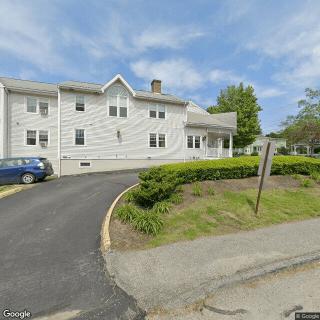
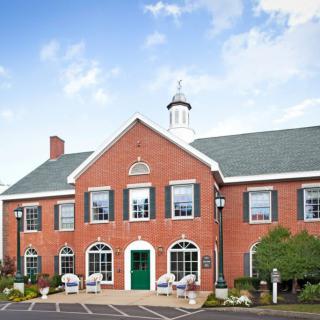
Biddeford Estates is an assisted living community located in Biddeford, ME. Our community offers a wide range of amenities to enhance the quality of life for our residents. We understand the importance of maintaining physical and mental well-being, which is why we provide various activities and services to promote an active and engaging lifestyle.

Our residents can enjoy access to a beauty salon, cable or satellite TV, a computer center, a fitness room, and a gaming room. For those who enjoy spending time outdoors, our community features a beautiful garden and outdoor space. We also offer housekeeping services to ensure that our residents can focus on enjoying their time here.

Delicious meals are prepared by our professional staff and served in a restaurant-style dining room. Special dietary restrictions are catered to, ensuring that each resident's needs are met. A small library is available for those who enjoy reading, along with Wi-Fi/high-speed internet access throughout the community.

At Biddeford Estates, your well-being is our top priority. We provide 24-hour call system and supervision to ensure that help is always available when needed. Our caring staff assists with activities of daily living, such as bathing and dressing, as well as transfers. Medication management services are also provided to ensure accurate and timely administration of medications.

We offer transportation arrangements for non-medical purposes as well as transportation to doctors' appointments. Move-in coordination services are available to make the transition into our community seamless.

Our community fosters social interaction by offering concierge services and resident-run activities. Fitness programs are also available to promote physical health and wellness. Planned day trips allow residents to explore the surrounding area while scheduled daily activities provide entertainment within the community.

Biddeford Estates is conveniently located near cafes, parks, pharmacies, physicians' offices, restaurants, hospitals, and transportation options for easy access to necessities and medical care.

Experience comfortable assisted living at its finest at Biddeford Estates. We provide a supportive and engaging environment where residents can maintain independence while receiving the assistance they need.

Nearby Places of Interest

Physicians

  • Beacon Eye Care (0.1 miles)
  • Csi (0.9 miles)
  • Gentle Dental (1 miles)
  • Primecare Internal Medicine (1 miles)
  • Provider's Care The Gary Winn Mph Do (1 miles)
  • Primecare Southern Maine Cardiology (1 miles)
  • Maidman Patrick (1 miles)

Pharmacies

  • CVS Pharmacy (0.2 miles)
  • Walgreens (0.2 miles)
  • Community Pharmacies (1.5 miles)
  • Community Pharmacy of Saco (1.5 miles)
  • Community Pharmacy (1.6 miles)
  • Walgreens (2.1 miles)
  • Walgreens (5.1 miles)

Restaurants

  • McDonald's (0.2 miles)
  • Burger King (0.2 miles)
  • Ninety-Nine Restaurant & Pub (0.6 miles)
  • Pizza by Alex (0.8 miles)
  • Palace Diner (0.9 miles)
  • Run of the Mill Public House & Brewery (1.2 miles)
  • Pacifico (1.3 miles)

Cafes

  • Elements (0.8 miles)
  • Starbucks (2.4 miles)
  • Beach Bagels (5.2 miles)
  • The Blue (7.7 miles)
  • Christian's Cafe (7.8 miles)
  • Tory Hill Cafe (8.7 miles)
  • Coffee Roasters of the Kennebunks (8.7 miles)

Hospitals

  • Southern Maine Medical Center (0.8 miles)
  • SMHC Medical Center (1.1 miles)
  • Southern Maine Health Care (1.2 miles)

Transportation

  • Enterprise Rent-A-Car (2.1 miles)

Parks

  • Talbot Park (4 miles)
  • Kennebunk Dog Park (8.1 miles)

Frequently Asked Questions

Where is Biddeford Estates?

Nearby Communities

Related Resources

  • activities of daily livingComprehensive Insights into Activities of Daily Living (ADLs) and Their Assessment

    Activities of Daily Living (ADLs) are fundamental tasks vital for an individual's independence, particularly in older adults over 85, and include functions like bathing and dressing; assessing ADLs alongside Instrumental Activities of Daily Living (IADLs) helps determine the level of required assistance due to age-related health challenges. Tailored support plans, involving family and community resources, are essential for maintaining dignity and autonomy in assisted living environments.

  • elderly parent refuses assisted livingGuiding Elderly Parents Who Refuse Assisted Living: 6 Practical Steps

    Family caregivers face emotional, legal, and practical challenges when elderly parents refuse assisted living, often due to fears of losing autonomy. Open conversations and professional assessments can help address these concerns while exploring alternatives and ensuring safety, potentially leading to legal guardianship if necessary.

  • luxury assisted livingYour Comprehensive Guide to Luxury Assisted Living: Elevated Facilities, Amenities, and Costs
    Luxury assisted living offers high-quality senior care in a resort-like environment that combines essential medical support, gourmet dining, and personalized services to enhance residents' independence and well-being. These upscale facilities emphasize holistic health and community-building through customized care plans and social activities, catering to the growing demand for enriched senior living experiences despite higher costs.