
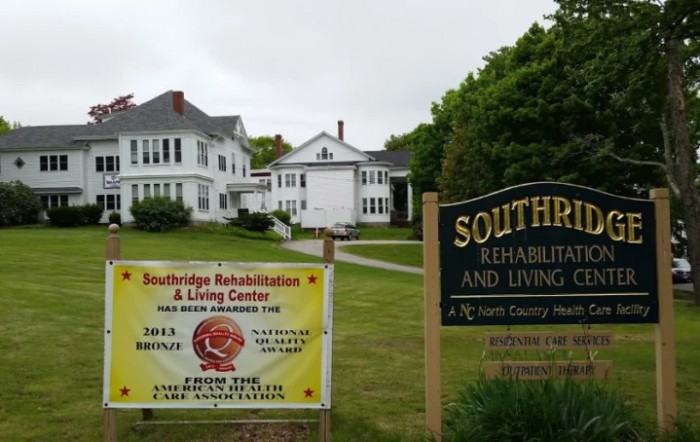


Southridge Rehab & Living Center

Save
Southridge Rehab & Living Center Southridge Rehab & Living Center Southridge Rehab & Living Center Southridge Rehab & Living Center

Southridge Rehab & Living Center

10 May Street, Biddeford, ME 04005

For more information about senior living options: (844) 490-3973

3.5 from 11 reviews
5 stars
7
4 stars
0
3 stars
0
2 stars
0
1 stars
4

Assisted Living Skilled Nursing Facility

Overall Review of Southridge Rehab & Living Center

Pros

  • pro The staff provided a loving and safe home for her mother-in-law for almost six years.
  • pro They truly became her family during the COVID-19 pandemic restrictions.
  • pro Their love for her and her love for them was obvious and comforting to the family.
  • pro She recently passed away under their loving and thoughtful care.
  • pro They were angels during her final hours and cared for the family through this difficult time.
  • pro The facility was clean and they took great care of the patients.

Cons

  • pro The reviewer would not send anyone there.
  • pro The discharge was unsafe, leaving the patient unable to walk.
  • pro Medications were not sent with the patient at discharge.
  • pro Staff were disrespectful and uncaring when asked about medication amounts.
  • pro The facility did not inform the family about the father's passing, claiming it was 2:00 am.
  • pro The reviewer described the place as rotten.

Review

Across a span of almost six years, the Southridge experience appears to have been a rollercoaster of deeply caring moments and troubling gaps, as reflected by families who entrusted their loved ones to its care. One account centers on a mother-in-law whose time at Southridge was marked by warmth, safety, and a sense of family. During the height of COVID-19 restrictions, the staff became more than caregivers - they felt like family to the woman and to those who loved her. When the end came, the care was described as loving and thoughtful, with staff acting almost like angels in her final hours. For this family, the quality of the environment and the compassionate presence of the people on staff offered a rare sense of peace at a highly difficult moment.

In addition to this heartfelt gratitude, there is a plainly positive view of the facility's basics. The reviewer notes that the place was clean and that staff took good care of the patients, with an emphasis on the absence of a typical hospital odor and a sense of relief in seeing a well-kept environment. These remarks paint a picture of a facility that meets expectations for cleanliness and attentiveness, a strength that resonates with families who are navigating the emotional and logistical demands of caregiving.

Yet the narrative contains a sharp contrast. A different voice warns, with blunt simplicity, that they would not send a cat there. A separate memory recalls a father who passed away at the same place back in 2014, described as dying all alone, with no one calling to inform the family. The reviewer attributed the lack of communication to a late-night excuse - the claim that it was 2:00 a.m. - and the impact of such silence is described as deeply distressing. This thread of the account underscores a fundamental expectation in elder care: timely, compassionate communication with family members at the moment of a loved one's passing.

Further into the mix of impressions, another reviewer describes a troubling discharge experience. According to this account, their mother-in-law, who could not even walk, was discharged in a manner deemed unsafe. The report alleges that essential medications were not included in the discharge, and that when the family and in-house nurses sought clarity about dosages, they were met with disrespect and a perceived lack of care. The speaker's closing plea - "DO NOT SEND ANYONE you care about here" - is a stark contrast to the earlier story of compassionate end-of-life care and signals serious concerns about discharge planning, medication continuity, and the tone of communication with families during critical transitions.

The set of reviews also includes a personal note about a step-grandmother who died at the facility, with a message that she is remembered as having a good heart. The inclusion of this line emphasizes the human dimension of these experiences: profound affection, grief, and the wish to honor a loved one who spent final days under the facility's roof. It also serves as a reminder that even in care settings where some staff are praised, other residents' families may carry different, equally painful memories of their final moments there.

Taken together, the narratives present a facility capable of delivering genuine warmth and dedicated presence in some circumstances, especially during end-of-life care when the staff's compassion can seem almost universal. At the same time, they reveal serious shortcomings in others - specifically around safety, discharge protocols, medication consistency, and the quality of communication with families. The overlap of heartfelt gratitude with pointed criticism suggests that experiences at Southridge are not monolithic; they vary widely from family to family, caregiving situation to caregiving situation, and moment to moment.

For anyone considering Southridge, these accounts advocate a careful, proactive approach. Look beyond general impressions and ask pointed questions about discharge planning, medication handoffs, and how the facility communicates with families, especially during overnight hours or urgent transitions. The contrast between the touching care described by some and the alarming concerns raised by others underscores the importance of clear expectations, robust safety practices, and respectful, responsive family engagement. In the end, the choice to entrust a loved one to Southridge may come down to weighing these deeply personal experiences, visiting in person, and verifying that current practices align with the level of care and communication families need at a vulnerable time.

Features

Housing

  • 46 resident community capacity 46 resident community capacity

Types of Care

  • Assisted Living Assisted LivingAssisted living facilities provide crucial support and care for seniors who may need help with daily tasks such as medication management, bathing, and meal preparation. These communities offer a safe and comfortable environment where seniors can maintain their independence while receiving the assistance they need to thrive in their golden years.
  • Skilled Nursing Facility Skilled Nursing FacilitySkilled Nursing Facilities are crucial for seniors as they provide round-the-clock medical care, rehabilitation services, and assistance with daily activities. These facilities ensure that seniors receive the specialized care they need to maintain their health and well-being as they age.

Amenities

  • Beauty salon Beauty salonBeauty salons are important for seniors because they provide a space for them to feel pampered, socialize, and maintain their personal grooming and hygiene. Regular visits to a beauty salon can help boost seniors' self-esteem and overall well-being.
  • Cable or satellite TV Cable or satellite TVCable or satellite TV is important for seniors because it provides entertainment, news, and companionship, helping to combat loneliness and boredom. It also offers a wide range of programming options tailored to different interests and preferences.
  • Dining room Dining roomDining rooms are important for seniors as they provide a space for socialization, connection, and nutritious meals. They offer opportunities for residents to bond over shared meals, foster a sense of community, and promote healthy eating habits. Dining rooms also ensure that seniors have access to well-balanced meals tailored to their dietary needs and preferences.
  • Fully furnished Fully furnishedFully furnished senior living communities are important for seniors because they provide convenience, comfort, and a hassle-free moving experience. Seniors can easily settle into their new living space without the stress of having to buy and move furniture. This allows them to focus on enjoying their new home and community.
  • Garden GardenGardens are important for seniors as they provide a peaceful and therapeutic environment for relaxation, physical activity, and socialization. Being in nature has been shown to reduce stress, improve mood, and promote overall well-being. Gardens also offer opportunities for seniors to engage in gardening activities, which can improve mobility, flexibility, and cognitive function. Additionally, gardens create a sense of community and connection with others who share a passion for plants and outdoor spaces.
  • Housekeeping services Housekeeping servicesHousekeeping services are important for seniors because they help maintain a clean and safe living environment, promote independence, and reduce the risk of accidents or illnesses. Additionally, having assistance with household chores can alleviate physical strain and allow seniors to focus on other aspects of their well-being.
  • Kitchenette KitchenetteKitchenettes are important for seniors living in senior living communities because they provide the convenience and independence of being able to prepare simple meals and snacks in the comfort of their own living space. This can help promote a sense of autonomy and well-being for seniors, allowing them to maintain some level of control over their dietary choices and daily routines.
  • Move-in coordination Move-in coordinationMove-in coordination is important for seniors because it helps ease the transition into their new living environment. It ensures that all logistics, such as packing, organizing movers, and setting up utilities are taken care of, allowing seniors to focus on settling in and adjusting to their new home. Having a smooth move-in process can alleviate stress and anxiety, making the transition smoother and more enjoyable for seniors.
  • Outdoor space Outdoor spaceOutdoor spaces are important for seniors as they provide opportunities for physical activity, social interaction, exposure to natural light and fresh air, and a sense of connection to nature. Having access to outdoor spaces can improve overall well-being and quality of life for older adults living in senior communities.
  • Telephone TelephoneTelephones are important for seniors as they provide a lifeline for communication with loved ones, emergency services, and healthcare providers. They offer a sense of security and independence, enabling seniors to stay connected and access assistance when needed.
  • Wi-Fi/high-speed internet available Wi-Fi/high-speed internet availableWi-Fi/high-speed internet is important for seniors to stay connected with loved ones, access online resources, and participate in virtual activities to combat feelings of loneliness and isolation. It also allows them to easily manage healthcare needs, access entertainment, and engage in lifelong learning opportunities.

Transportation

  • Portland International Jetport (13 miles away) Portland International Jetport (13 miles away)

Care Services

  • 24-hour call system 24-hour call system24-hour call systems are important for seniors because they provide peace of mind and immediate assistance in case of emergencies. This technology ensures that help is always available, promoting safety and security for elderly individuals living alone or in assisted living facilities.
  • 24-hour supervision 24-hour supervision24-hour supervision is important for seniors to ensure their safety, well-being, and access to immediate assistance in case of emergencies or health issues. This constant support provides peace of mind for both seniors and their loved ones, allowing them to age in place with dignity and security.
  • Activities of daily living assistance Activities of daily living assistanceActivities of daily living assistance are important for seniors because they provide essential support with tasks such as eating, bathing, dressing, and mobility. This assistance helps seniors maintain their independence, dignity, and overall quality of life as they age.
  • Assistance with bathing Assistance with bathingAssistance with bathing is crucial for seniors as it helps maintain personal hygiene, prevents infections, and ensures their overall well-being and comfort. It also provides a sense of dignity and independence for seniors who may struggle with this task on their own.
  • Assistance with dressing Assistance with dressingAssistance with dressing is important for seniors because it helps maintain their independence, promotes personal hygiene, prevents accidents and injuries, and improves overall quality of life. This service ensures that seniors can continue to dress comfortably and confidently, despite any physical limitations they may have.
  • Assistance with transfers Assistance with transfersAssistance with transfers is crucial for seniors as it helps prevent falls and injuries, maintains their independence, and ensures they can safely navigate their living environment. It also provides peace of mind for both seniors and their loved ones.
  • Coordination with health care providers Coordination with health care providersCoordination with health care providers is crucial for seniors to ensure proper medical care, medication management, and overall well-being. This collaboration helps prevent overlapping treatments, track progress more effectively, and provide comprehensive support tailored to individual needs.
  • Diabetes diet Diabetes dietA diabetes diet is crucial for seniors as it helps manage blood sugar levels, reduce risks of complications, and improve overall health and well-being. By following a balanced and nutritious diet tailored to their specific needs, seniors can better control their diabetes and enhance their quality of life.
  • Meal preparation and service Meal preparation and serviceMeal preparation and service are crucial for seniors as they may have limited mobility or energy to cook nutritious meals. Having access to healthy and convenient food options can ensure they are getting the proper nutrition needed to maintain their overall health and well-being.
  • Medication management Medication managementMedication management is crucial for seniors to ensure they are taking the right medications at the correct dosages and times. This helps prevent adverse drug interactions, reduces the risk of medication errors, and promotes overall health and well-being. Proactive management also allows for adjustments as needed based on changing health conditions or new prescriptions.
  • Mental wellness program Mental wellness programMental wellness programs are essential for seniors as they promote cognitive stimulation, emotional support, and social engagement. These programs help prevent isolation, depression, and cognitive decline, ultimately enhancing the overall quality of life for older adults.
  • Special dietary restrictions Special dietary restrictionsSpecial dietary restrictions are important for seniors because age-related changes in metabolism and health conditions can make it difficult for their bodies to process certain foods. By following a diet tailored to their specific needs, seniors can maintain their overall health and well-being, manage chronic conditions, and reduce the risk of complications such as malnutrition or food interactions with medications.
  • Transportation arrangement (medical) Transportation arrangement (medical)Transportation arrangements for medical purposes are essential for seniors as they may have difficulty driving themselves to appointments or accessing public transportation. Having reliable and safe transportation options ensures that seniors can receive timely medical care and maintain their health and well-being.
  • Transportation to doctors appointments Transportation to doctors appointmentsTransportation to doctors' appointments is crucial for seniors as it ensures they have access to necessary medical care and support for their health needs. Without reliable transportation, seniors may struggle to attend important appointments, leading to potential delays in treatment and health complications. Providing transportation services helps seniors maintain their overall well-being and quality of life.

Dining

  • Diabetes diet Diabetes dietA diabetes diet is crucial for seniors as it helps manage blood sugar levels, reduce risks of complications, and improve overall health and well-being. By following a balanced and nutritious diet tailored to their specific needs, seniors can better control their diabetes and enhance their quality of life.
  • Special dietary restrictions Special dietary restrictionsSpecial dietary restrictions are important for seniors because age-related changes in metabolism and health conditions can make it difficult for their bodies to process certain foods. By following a diet tailored to their specific needs, seniors can maintain their overall health and well-being, manage chronic conditions, and reduce the risk of complications such as malnutrition or food interactions with medications.

Activities

  • Community-sponsored activities Community-sponsored activitiesCommunity-sponsored activities are important for seniors as they provide opportunities for social interaction, mental stimulation, and physical activity. These activities can help improve overall well-being, combat loneliness and isolation, and promote a sense of belonging and purpose among older adults.
  • Scheduled daily activities Scheduled daily activitiesScheduled daily activities are important for seniors because they provide structure, socialization, mental stimulation, and physical activity. Engaging in regular activities can improve overall well-being and quality of life for seniors living in a community setting.

Description

Southridge Rehab & Living Center in Biddeford, ME is a premier assisted living community that offers top-notch care services for individuals requiring skilled nursing facility care. Our facility provides a comfortable and welcoming environment for residents, ensuring they receive the highest level of care and support.

Our fully furnished living spaces are equipped with amenities such as cable or satellite TV, Wi-Fi/high-speed internet, and telephone services to keep our residents connected to the outside world. Each resident enjoys their own kitchenette, allowing them to prepare light meals or snacks according to their preferences. Housekeeping services ensure a clean and tidy living space for our residents.

At Southridge Rehab & Living Center, we prioritize the well-being of our residents by offering 24-hour supervision and assistance with daily activities such as bathing, dressing, and transfers. Our highly trained staff works closely with health care providers to coordinate personalized care plans for each resident. We also specialize in managing medication regimens and providing diabetes diets.

We understand the importance of mental wellness, which is why we offer a comprehensive mental wellness program that includes engaging activities and social opportunities. Residents can participate in scheduled daily activities designed to promote stimulation, physical activity, and socialization.

Our dining experience at Southridge Rehab & Living Center is tailored to meet individual needs with special dietary restrictions taken into account. Residents can enjoy delicious meals prepared by our expert culinary team who carefully consider nutritional requirements while also ensuring great taste.

Convenience is key at Southridge Rehab & Living Center. We have three cafes nearby for residents looking to explore local culinary options or enjoy a cup of coffee with friends. Beautiful parks provide opportunities for outdoor relaxation and recreation. Additionally, we have seven pharmacies nearby to facilitate easy access to medications prescribed by healthcare professionals.

Should transportation be required, both medical transportation arrangements and transportation to doctors' appointments are available for added convenience. With 21 physicians in close proximity, residents have access to quality medical care when needed. Furthermore, our location boasts 20 nearby restaurants to satisfy any culinary cravings.

In case of emergencies or more specialized medical needs, three hospitals are within close proximity to Southridge Rehab & Living Center. Residents and their families can have peace of mind knowing that immediate medical attention is readily available.

At Southridge Rehab & Living Center, we strive to create a warm and supportive community where residents can enjoy the comforts of home while receiving high-quality care. Our compassionate staff is dedicated to meeting the unique needs and preferences of each individual, ensuring their utmost comfort and well-being.

Nearby Places of Interest

Physicians

  • Beacon Eye Care (0.4 miles)
  • Csi (1.1 miles)
  • Maine Optometry (1.2 miles)
  • Dermatology Associates (1.3 miles)
  • Gentle Dental (1.3 miles)
  • Southern Maine Health Care Pediatrics (1.3 miles)
  • Primecare Internal Medicine (1.3 miles)

Cafes

  • Elements (0.5 miles)
  • Starbucks (2 miles)
  • Beach Bagels (4.9 miles)
  • The Blue (8.1 miles)
  • Christian's Cafe (8.2 miles)
  • Tory Hill Cafe (8.3 miles)
  • Coffee Roasters of the Kennebunks (9.1 miles)

Hospitals

  • Southern Maine Medical Center (0.6 miles)
  • SMHC Medical Center (1.5 miles)
  • Southern Maine Health Care (1.5 miles)

Pharmacies

  • CVS Pharmacy (0.6 miles)
  • Walgreens (0.6 miles)
  • Community Pharmacies (1.2 miles)
  • Community Pharmacy of Saco (1.2 miles)
  • Community Pharmacy (1.2 miles)
  • Walgreens (1.8 miles)
  • Walgreens (4.8 miles)

Restaurants

  • McDonald's (0.6 miles)
  • Pizza by Alex (0.6 miles)
  • Burger King (0.7 miles)
  • Palace Diner (0.7 miles)
  • Run of the Mill Public House & Brewery (0.9 miles)
  • Ninety-Nine Restaurant & Pub (0.9 miles)
  • Pacifico (1 miles)

Transportation

  • Enterprise Rent-A-Car (2.5 miles)

Parks

  • Talbot Park (4.4 miles)
  • Kennebunk Dog Park (8.6 miles)
  • Scarborough Beach State Park (9.1 miles)

Places of Worship

  • First Congregational Church (8.6 miles)

Frequently Asked Questions

Where is Southridge Rehab & Living Center?
What photos are available for Southridge Rehab & Living Center in Biddeford, Maine?

Nearby Communities

Related Resources

  • active senior livingVibrant Senior Living: A Comprehensive Guide for Active Older Adults

    Vibrant Senior Living emphasizes active senior living communities that promote independence and engagement through diverse amenities and activities, fostering wellness and social interaction among older adults. These communities range from independent to assisted living, with a focus on personal growth, family involvement, financial planning, and leveraging technology to enhance residents' experiences.

  • when to move from assisted living to memory careWhen to Transition from Assisted Living to Memory Care: Key Indicators, Steps, and Finding the Right Community

    Transitioning from assisted living to memory care is driven by an individual's cognitive decline and specific needs, requiring careful evaluation of indicators like increased confusion and wandering. The process involves consulting medical professionals, researching suitable communities, considering financial and legal aspects, and ensuring effective communication for personalized care plans.

  • assisted living vs memory careAssisted Living and Memory Care: Understanding Their Core Differences


    Assisted living provides moderate support for seniors seeking independence, while memory care offers specialized support for individuals with dementia or cognitive impairments through structured routines and trained staff. Key differences include care approaches, environment security measures, staff training levels, activity types, and cost considerations.