Meals are frequently described as affordable and easy to access.
Residents’ experiences repeatedly point to food as a major part of day-to-day support, including a diner with low-cost meals and mentions of free lunch. Several comments also describe ordering affordable food and using benefits for hot meals. This aligns with the community offering a dining room and meal preparation and service, along with options tied to special dietary restrictions.
differentiator11 reviews mention this
Recovery programs and groups
Many residents describe ongoing meetings and structured group support.
A recurring theme is the availability of recovery-focused programs, including meetings and classes, plus peer-led support. Multiple comments describe groups that help people in recovery and mention one-on-one support alongside events and sessions. The community also lists scheduled daily activities and community-sponsored activities, which matches how residents describe what fills their days.
common28 reviews mention this
Welcoming, supportive people
Residents consistently describe staff and peer counselors as welcoming and helpful.
Across the reviews, residents emphasize that the people there are kind, supportive, and responsive, often noting that they feel welcomed. Several comments single out staff and peer counselors for being there for individuals and helping with needs. While a small number of reviews raise concerns about how someone was treated when requesting information, the broader pattern is frequent praise for friendliness and support.
caveat3 reviews mention this
Access rules can feel strict
A few residents mention barriers or strict requirements for staying or getting help.
Some comments describe hurdles around eligibility and access, including a request for personal information to stay and a note that you have to be a member. There is also one review questioning why it was listed a certain way when calling for information, with frustration directed at the person answering. These mixed experiences suggest that getting in or understanding the process may not feel straightforward for everyone.
How we summarize
Counts show how many written reviews mention each theme; a review can touch several themes, and only frequently mentioned themes are displayed.
Features
Housing
4 resident community capacity
Types of Care
Assisted Living
Amenities
Cable or satellite TV
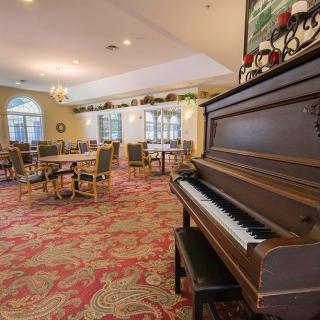
Dining room
Fully furnished
Garden
Housekeeping services
Move-in coordination
Outdoor space
Telephone
Wi-Fi/high-speed internet available
Transportation
Bangor International (3 miles away)
Care Services
24-hour supervision
Activities of daily living assistance
Assistance with bathing
Assistance with dressing
Assistance with transfers
Coordination with health care providers
Diabetes diet
Meal preparation and service
Medication management
Special dietary restrictions
Transportation arrangement (medical)
Transportation to doctors appointments
Dining
Diabetes diet
Special dietary restrictions
Activities
Community-sponsored activities
Scheduled daily activities
Nearby Places of Interest
Parks
Chapin Park (0.2 miles)
Bangor Dog Park (1.1 miles)
City of Bangor Parks & Recreation (1.2 miles)
Pharmacies
Northern Light Pharmacy (0.3 miles)
Byard (0.3 miles)
Miller Drug (0.3 miles)
Miller Drug Pharmacy-Riverside (0.6 miles)
Shaw's Pharmacy (1.1 miles)
Walgreens (1.2 miles)
Walgreens (1.3 miles)
Physicians
David A Branch (0.3 miles)
Paul N Smith (0.4 miles)
Bangor Family Healthcare (0.4 miles)
Joseph Lawrence Benoit (0.4 miles)
Sleep Diagnostics at Eastern Maine Medical Center (0.4 miles)
Downeast Orthopedics (0.6 miles)
Heritage Psychiatric Associates (0.6 miles)
Restaurants
Frank's Bake Shop & Catering (0.3 miles)
The Tarratine (0.4 miles)
Pepino's Mexican Restaurant (0.4 miles)
Orono Brewing Company (0.5 miles)
Hero's Sports Grill & Entertainment Center (0.6 miles)
Main Tavern (0.7 miles)
Carolina Sports & Spirits (0.8 miles)
Hospitals
Sleep Center of Maine (0.4 miles)
St Joseph Hospital (0.5 miles)
St Joseph Healthcare Park (0.5 miles)
St Joseph CBO (0.5 miles)
Eastern Maine Healthcare Systems (0.6 miles)
EMMC - Outpatient Surgery Center (0.7 miles)
EMMC - Grant 6 West (0.7 miles)
Cafes
West Market Square Artisan Coffeehouse (0.6 miles)
Grove Street Group Home is located at 120 Grove Street, Bangor, ME 04401 in Penobscot County, Maine
Nearby Communities
Hathaway House
Bangor, ME
4.2 from 20 reviews
$1,830 to $5,800 / month
Affordable semi-private option with comprehensive care and amenities.
Always One
Bangor, ME
4.9 from 111 reviews
Extensive assisted living amenities and services (meals, housekeeping, ADL support, medication management, transportation, and activities).
Dean House
Bangor, ME
4.5 from 56 reviews
Fully furnished assisted living with comprehensive care, meals, healthcare coordination, and transportation to medical appointments.
Broadway House
Bangor, ME
Small, intimate setting with comprehensive care and on-site dining.
Ohi - 279 Essex
Bangor, ME
3.4 from 16 reviews
Comprehensive assisted living with furnished apartments, meals, housekeeping, daily activities, and transportation for medical visits, plus nearby amenities.
55 Palm Street
Bangor, ME
Fully furnished living spaces with 24/7 supervision, meals, transportation to medical appointments, and comprehensive care services.
The Country Villa
Bangor, ME
4.5 from 26 reviews
$2,700 to $6,175 / month
Warm, homelike atmosphere with dedicated staff and engaging activities.
Woodlands Senior Living of Brewer
Brewer, ME
4.2 from 47 reviews
Well-maintained facility with experienced staff and a strong commitment to resident care.
Ellen M. Leach Memorial Home
Brewer, ME
4.6 from 34 reviews
$2,241 to $2,688 / month
Clean, welcoming environment with engaging activities and included nursing services; affordable pricing.
The article discusses assisted living expenses, the importance of long-term care insurance in covering these costs, and various financing options, highlighting the need for careful policy review and early planning to address potential needs. It also clarifies common misconceptions about Medicare and private health insurance limitations regarding long-term care coverage.
Assisted living facilities offer crucial support for older adults needing help with daily activities but come with varying and significant costs, which can be financed through personal savings, government assistance programs, long-term care insurance, and home equity options. Professional guidance from experts can aid families in navigating these financial complexities to establish a sustainable budgeting approach for assisted living services.
Assisted living costs often exceed Social Security benefits, necessitating a combination of funding sources like state aid and Medicaid. Understanding the interaction between Social Security programs and available financial support is essential for affording such care.
Get PricingAsk A QuestionSchedule A TourContact Senior Advisor
By clicking submit, you agree to our Partner's Terms of Use. You
also consent to receive calls and texts, which may be autodialed, from our Partner. Your consent is not a condition to
using our Partner's service. Please visit our Partner's Privacy Policy for information about their privacy practices.





 4 resident community capacity
 Assisted Living
 Cable or satellite TV
 Dining room
 Fully furnished
 Garden
 Housekeeping services
 Move-in coordination
 Outdoor space
 Telephone
 Wi-Fi/high-speed internet available
 Bangor International (3 miles away)
 24-hour supervision
 Activities of daily living assistance
 Assistance with bathing
 Assistance with dressing
 Assistance with transfers
 Diabetes diet
 Meal preparation and service
 Medication management
 Special dietary restrictions
 Transportation arrangement (medical)
 Transportation to doctors appointments
 Affordable semi-private option with comprehensive care and amenities.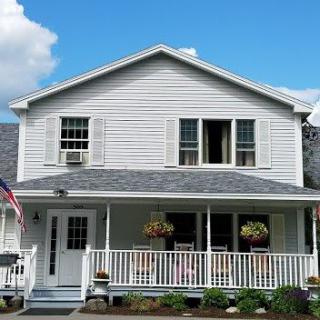
 Assisted Living Expenses and Long-Term Care Insurance: A Comprehensive Exploration
 Securing Financial Support for Assisted Living: A Comprehensive Overview
 Social Security Benefits and Assisted Living: Navigating Options Across the U.S.