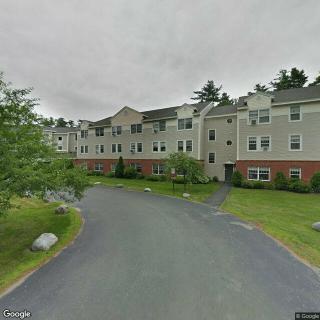
Ohi - 279 Essex

279 Essex Street, Bangor, ME 04401

For more information about senior living options: (844) 490-3973

3.3 from 10 reviews
5 stars
5
4 stars
1
3 stars
0
2 stars
0
1 stars
4

Assisted Living

Overall Review of Ohi - 279 Essex

Pros

  • pro OHI is a great, much-needed organization that helps people in need every day.
  • pro The staff are the most caring and compassionate individuals.
  • pro OHI provides long-term supportive housing, with residents living there for 8+ years.
  • pro OHI is a place where loved ones are truly loved.
  • pro OHI is awesome.

Cons

  • pro They were not impressed with the care provided to their family member, including a four-day delay in medical care and actions the patient did not want to take.
  • pro Things looked grim for their family member, with concerns she might not pull through.
  • pro There was an incident where a staff member answered a call and then hung up on the caller.

Review

OHI is framed by its supporters as a much-needed organization that helps a wide range of people every day. The collection of notes paints a picture of a group whose reach touches residents, families, and perhaps even neighbors who notice the work being done in the community. There's a sense of gratitude for the mission itself, a belief that the organization fills gaps in care and housing at a time when many are seeking stable support. The comments reveal a congregation of voices who see OHI as an essential presence in people's lives, even as they acknowledge that any large service system will have difficult days and uneven outcomes.

One writer describes a long relationship with OHI as a resident, noting that they have lived in supportive housing for more than eight years. This long tenure lends weight to their view that OHI is a consistent force in the housing and care landscape. Yet their personal experience also contains a troubling contrast: they express strong disappointment in the care provided to a family member, accusing the organization of refusing medical care for four days and insisting that the family member do things she did not want to do. The tension between the organization's perceived mission and the lived experience of a family member who needed medical attention sits at the center of their account, underscoring how quickly goodwill can collide with concerns about patient autonomy and timely treatment.

In a moment that casts OHI in a broader, almost human light, another reader recounts an encounter on a flight to Florida where staff and clients from OHI were present. The observer describes the staff as "the most caring and compassionate individuals" and emphasizes that they went above and beyond for all their clients. The heartfelt sentiment, "Your loved ones are truly loved," speaks to a faith in the compassion of the people who work with OHI. The author notes their own background as a retired nurse and expresses admiration to the point of saying they would consider joining OHI if they were looking for work. This vignette highlights how care and dedication can be perceived in everyday moments, even outside formal settings.

Not all notes converge on the same experience, though. A separate line admits ambiguity about how to rate OHI: "Its alright friend told me haven't gone yet ill make more stars if I do." This remark suggests hesitancy or uncertainty about the organization's performance, with a conditional openness to increasing the rating after experiencing the services firsthand. It reflects a common theme in feedback for complex services: praise or criticism can be highly contingent on personal encounters, expectations, and the specific staff individuals who provide support at any given time.

Communication also emerges as a sticking point in at least one brief but pointed claim: "Someone answers and hangs up on me." This line hints at moments of frustration with responsiveness or perceived attentiveness, a reminder that even organizations with strong overall missions can fall short in the details of daily communication. It's a sobering counterpoint to the more glowing portraits of staff, reminding readers that reliability in contact and timely information is a real and important part of the service experience.

Amid the mixed notes, there is also a clear thread of positive recognition from another perspective: "My Landlord OHI Is awesome." Whether this refers to a landlord who partners with OHI or to a housing component of the organization, the statement reinforces the idea that for some involved in OHI's ecosystem, the housing and administrative dimensions function smoothly and effectively. It adds another layer to the tapestry of experiences, illustrating that outcomes can be strong in some areas even when concerns exist in others.

Taken together, these remarks sketch a multifaceted portrait of an organization that clearly matters to many people. The majority of the more effusive statements center on compassion, dedication, and a sense that staff members truly care for those they serve, sometimes going above and beyond what might be expected. Yet there are hard-to-ignore counterpoints about the quality and timeliness of medical care, and about the experience of reaching out or communicating with the organization. The contrast between the warmth of everyday encounters and the friction of a troubling clinical lapse underscores the complexity of delivering care and housing services in real life.

For anyone trying to understand OHI from these notes, the takeaway is one of nuance rather than absolutes. The organization appears to mobilize a strong core of caring professionals whose compassion leaves a lasting impression on residents, clients, and even casual observers. At the same time, individual experiences can diverge sharply, with some families feeling that medical needs were not met promptly and with at least some interactions in need of improvements in communication. The stories also remind readers that the impact of such an organization is not monolithic; it varies by person, by moment, and by the particular staff members involved.

Ultimately, what stands out is the sense that OHI is deeply woven into the fabric of people's lives - both as a provider of housing and as a source of support for medical and daily needs. The praise for staff and the affectionate language about residents being "truly loved" convey a powerful message about the human side of care. Simultaneously, the concerns expressed - about delayed medical attention and occasional communication snags - call for ongoing attention, dialogue, and continuous improvement. In the best light, the notes collectively celebrate a mission that many rely on, while in the harsher light they call for vigilance, accountability, and a steadfast commitment to the welfare of every person who depends on the organization.

Features

Housing

  • 2 resident community capacity 2 resident community capacity

Types of Care

  • Assisted Living Assisted LivingAssisted living facilities provide crucial support and care for seniors who may need help with daily tasks such as medication management, bathing, and meal preparation. These communities offer a safe and comfortable environment where seniors can maintain their independence while receiving the assistance they need to thrive in their golden years.

Amenities

  • Cable or satellite TV Cable or satellite TVCable or satellite TV is important for seniors because it provides entertainment, news, and companionship, helping to combat loneliness and boredom. It also offers a wide range of programming options tailored to different interests and preferences.
  • Dining room Dining roomDining rooms are important for seniors as they provide a space for socialization, connection, and nutritious meals. They offer opportunities for residents to bond over shared meals, foster a sense of community, and promote healthy eating habits. Dining rooms also ensure that seniors have access to well-balanced meals tailored to their dietary needs and preferences.
  • Fully furnished Fully furnishedFully furnished senior living communities are important for seniors because they provide convenience, comfort, and a hassle-free moving experience. Seniors can easily settle into their new living space without the stress of having to buy and move furniture. This allows them to focus on enjoying their new home and community.
  • Garden GardenGardens are important for seniors as they provide a peaceful and therapeutic environment for relaxation, physical activity, and socialization. Being in nature has been shown to reduce stress, improve mood, and promote overall well-being. Gardens also offer opportunities for seniors to engage in gardening activities, which can improve mobility, flexibility, and cognitive function. Additionally, gardens create a sense of community and connection with others who share a passion for plants and outdoor spaces.
  • Housekeeping services Housekeeping servicesHousekeeping services are important for seniors because they help maintain a clean and safe living environment, promote independence, and reduce the risk of accidents or illnesses. Additionally, having assistance with household chores can alleviate physical strain and allow seniors to focus on other aspects of their well-being.
  • Move-in coordination Move-in coordinationMove-in coordination is important for seniors because it helps ease the transition into their new living environment. It ensures that all logistics, such as packing, organizing movers, and setting up utilities are taken care of, allowing seniors to focus on settling in and adjusting to their new home. Having a smooth move-in process can alleviate stress and anxiety, making the transition smoother and more enjoyable for seniors.
  • Outdoor space Outdoor spaceOutdoor spaces are important for seniors as they provide opportunities for physical activity, social interaction, exposure to natural light and fresh air, and a sense of connection to nature. Having access to outdoor spaces can improve overall well-being and quality of life for older adults living in senior communities.
  • Telephone TelephoneTelephones are important for seniors as they provide a lifeline for communication with loved ones, emergency services, and healthcare providers. They offer a sense of security and independence, enabling seniors to stay connected and access assistance when needed.
  • Wi-Fi/high-speed internet available Wi-Fi/high-speed internet availableWi-Fi/high-speed internet is important for seniors to stay connected with loved ones, access online resources, and participate in virtual activities to combat feelings of loneliness and isolation. It also allows them to easily manage healthcare needs, access entertainment, and engage in lifelong learning opportunities.

Transportation

  • Bangor International (3 miles away) Bangor International (3 miles away)

Care Services

  • 24-hour supervision 24-hour supervision24-hour supervision is important for seniors to ensure their safety, well-being, and access to immediate assistance in case of emergencies or health issues. This constant support provides peace of mind for both seniors and their loved ones, allowing them to age in place with dignity and security.
  • Activities of daily living assistance Activities of daily living assistanceActivities of daily living assistance are important for seniors because they provide essential support with tasks such as eating, bathing, dressing, and mobility. This assistance helps seniors maintain their independence, dignity, and overall quality of life as they age.
  • Assistance with bathing Assistance with bathingAssistance with bathing is crucial for seniors as it helps maintain personal hygiene, prevents infections, and ensures their overall well-being and comfort. It also provides a sense of dignity and independence for seniors who may struggle with this task on their own.
  • Assistance with dressing Assistance with dressingAssistance with dressing is important for seniors because it helps maintain their independence, promotes personal hygiene, prevents accidents and injuries, and improves overall quality of life. This service ensures that seniors can continue to dress comfortably and confidently, despite any physical limitations they may have.
  • Assistance with transfers Assistance with transfersAssistance with transfers is crucial for seniors as it helps prevent falls and injuries, maintains their independence, and ensures they can safely navigate their living environment. It also provides peace of mind for both seniors and their loved ones.
  • Coordination with health care providers Coordination with health care providersCoordination with health care providers is crucial for seniors to ensure proper medical care, medication management, and overall well-being. This collaboration helps prevent overlapping treatments, track progress more effectively, and provide comprehensive support tailored to individual needs.
  • Diabetes diet Diabetes dietA diabetes diet is crucial for seniors as it helps manage blood sugar levels, reduce risks of complications, and improve overall health and well-being. By following a balanced and nutritious diet tailored to their specific needs, seniors can better control their diabetes and enhance their quality of life.
  • Meal preparation and service Meal preparation and serviceMeal preparation and service are crucial for seniors as they may have limited mobility or energy to cook nutritious meals. Having access to healthy and convenient food options can ensure they are getting the proper nutrition needed to maintain their overall health and well-being.
  • Medication management Medication managementMedication management is crucial for seniors to ensure they are taking the right medications at the correct dosages and times. This helps prevent adverse drug interactions, reduces the risk of medication errors, and promotes overall health and well-being. Proactive management also allows for adjustments as needed based on changing health conditions or new prescriptions.
  • Special dietary restrictions Special dietary restrictionsSpecial dietary restrictions are important for seniors because age-related changes in metabolism and health conditions can make it difficult for their bodies to process certain foods. By following a diet tailored to their specific needs, seniors can maintain their overall health and well-being, manage chronic conditions, and reduce the risk of complications such as malnutrition or food interactions with medications.
  • Transportation arrangement (medical) Transportation arrangement (medical)Transportation arrangements for medical purposes are essential for seniors as they may have difficulty driving themselves to appointments or accessing public transportation. Having reliable and safe transportation options ensures that seniors can receive timely medical care and maintain their health and well-being.
  • Transportation to doctors appointments Transportation to doctors appointmentsTransportation to doctors' appointments is crucial for seniors as it ensures they have access to necessary medical care and support for their health needs. Without reliable transportation, seniors may struggle to attend important appointments, leading to potential delays in treatment and health complications. Providing transportation services helps seniors maintain their overall well-being and quality of life.

Dining

  • Diabetes diet Diabetes dietA diabetes diet is crucial for seniors as it helps manage blood sugar levels, reduce risks of complications, and improve overall health and well-being. By following a balanced and nutritious diet tailored to their specific needs, seniors can better control their diabetes and enhance their quality of life.
  • Special dietary restrictions Special dietary restrictionsSpecial dietary restrictions are important for seniors because age-related changes in metabolism and health conditions can make it difficult for their bodies to process certain foods. By following a diet tailored to their specific needs, seniors can maintain their overall health and well-being, manage chronic conditions, and reduce the risk of complications such as malnutrition or food interactions with medications.

Activities

  • Community-sponsored activities Community-sponsored activitiesCommunity-sponsored activities are important for seniors as they provide opportunities for social interaction, mental stimulation, and physical activity. These activities can help improve overall well-being, combat loneliness and isolation, and promote a sense of belonging and purpose among older adults.
  • Scheduled daily activities Scheduled daily activitiesScheduled daily activities are important for seniors because they provide structure, socialization, mental stimulation, and physical activity. Engaging in regular activities can improve overall well-being and quality of life for seniors living in a community setting.

Description

The assisted living community at 279 Essex in Bangor, ME offers a wide range of amenities and services to ensure a comfortable and convenient living experience for residents. The community features a dining room where delicious meals are served, and the apartments come fully furnished for ease of transition. A beautiful garden provides a peaceful outdoor space for relaxation and socializing.

Housekeeping services are provided to ensure that the living spaces are always clean and tidy. Move-in coordination assistance is available to help residents settle in smoothly. For connectivity, telephone service and Wi-Fi/high-speed internet access are provided.

Care services offered include assistance with activities of daily living such as bathing, dressing, and transfers. The staff also coordinates with health care providers to ensure that residents receive the necessary medical attention. Specialized care is provided for individuals with diabetes or specific dietary restrictions.

Meal preparation and service are available, providing residents with nutritious and delicious meals throughout the day. Medication management ensures that medications are taken on time and in the correct dosage. Transportation arrangement for medical purposes as well as transportation to doctors' appointments is provided for added convenience.

The community offers scheduled daily activities to keep residents engaged and entertained. In addition, there are two cafes nearby, three parks nearby, eight pharmacies nearby, 40 physicians nearby, 28 restaurants nearby, two transportation options nearby, two places of worship nearby, two theaters nearby, and 13 hospitals nearby for easy access to various amenities and healthcare facilities.

Overall, the assisted living community at 279 Essex in Bangor, ME provides a comfortable, convenient, and supportive environment for residents to enjoy their daily lives while receiving the care they need.

Nearby Places of Interest

Physicians

  • Paul N Smith (0.2 miles)
  • David A Branch (0.5 miles)
  • Sleep Diagnostics at Eastern Maine Medical Center (0.5 miles)
  • Bangor Family Healthcare (0.5 miles)
  • Joseph Lawrence Benoit (0.5 miles)
  • Northeast Neurosurgery (0.5 miles)
  • Medimaine Health Associates (0.5 miles)

Parks

  • Chapin Park (0.3 miles)
  • Bangor Dog Park (1 miles)
  • City of Bangor Parks & Recreation (1.2 miles)

Hospitals

  • St Joseph Hospital (0.3 miles)
  • St Joseph Healthcare Park (0.3 miles)
  • St Joseph CBO (0.4 miles)
  • Sleep Center of Maine (0.5 miles)
  • Northern Light Acadia Hospital (0.7 miles)
  • EMMC - Outpatient Surgery Center (0.7 miles)
  • Eastern Maine Healthcare Systems (0.8 miles)

Pharmacies

  • Northern Light Pharmacy (0.5 miles)
  • Byard (0.5 miles)
  • Miller Drug (0.5 miles)
  • Miller Drug Pharmacy-Riverside (0.7 miles)
  • Walgreens (1.2 miles)
  • Walgreens (1.2 miles)
  • Shaw's Pharmacy (1.2 miles)

Restaurants

  • Frank's Bake Shop & Catering (0.5 miles)
  • The Tarratine (0.5 miles)
  • Pepino's Mexican Restaurant (0.5 miles)
  • Orono Brewing Company (0.6 miles)
  • Hero's Sports Grill & Entertainment Center (0.8 miles)
  • Dorr Lobster Seafood Market (0.9 miles)
  • Main Tavern (0.9 miles)

Cafes

  • West Market Square Artisan Coffeehouse (0.7 miles)
  • Tim Hortons (0.9 miles)

Theaters

  • Queen City Cinema Club (0.8 miles)
  • Bangor Mall Cinemas 10 (1.4 miles)

Transportation

  • Uhaul (1 miles)
  • Dick's Taxi (1.4 miles)

Places of Worship

  • First United Methodist Church (1 miles)
  • Clearwater Spiritualist Church (1.3 miles)

Frequently Asked Questions

Where is Ohi - 279 Essex?

Nearby Communities

Related Resources

  • when to move from assisted living to nursing home8 Key Indicators That Suggest It May Be Time to Transition from Assisted Living to Skilled Nursing Care

    The transition from assisted living to skilled nursing care is often prompted by complex medical needs that assisted living cannot meet, with key indicators including frequent health declines, increased falls, severe memory issues, and caregiver burnout. Families should recognize these signs early to discuss options with healthcare providers and prepare for the emotional and logistical aspects of moving to a facility that offers comprehensive medical support.

  • active senior livingVibrant Senior Living: A Comprehensive Guide for Active Older Adults

    Vibrant Senior Living emphasizes active senior living communities that promote independence and engagement through diverse amenities and activities, fostering wellness and social interaction among older adults. These communities range from independent to assisted living, with a focus on personal growth, family involvement, financial planning, and leveraging technology to enhance residents' experiences.

  • when to move from assisted living to memory careWhen to Transition from Assisted Living to Memory Care: Key Indicators, Steps, and Finding the Right Community

    Transitioning from assisted living to memory care is driven by an individual's cognitive decline and specific needs, requiring careful evaluation of indicators like increased confusion and wandering. The process involves consulting medical professionals, researching suitable communities, considering financial and legal aspects, and ensuring effective communication for personalized care plans.