Augusta One presents a competitive pricing structure when compared to both Kennebec County and the broader state of Maine. For semi-private rooms, Augusta One's monthly cost stands at $3,889, which is slightly higher than the county average of $3,445 but remains lower than the state average of $4,685. In terms of private accommodations, Augusta One's rate of $4,666 exceeds the local county price of $3,545 yet is still favorable compared to the statewide figure of $4,625. Meanwhile, studio apartments at Augusta One are priced at $5,055 - higher than both Kennebec County's average of $3,741 and Maine's state average of $4,889. Overall, while some room types at Augusta One may have higher costs relative to their immediate surroundings, they also reflect a commitment to quality care and amenities in a desirable location.
Floor plans
Augusta One
Kennebec County
Maine
Semi-Private
$3,889
$3,445
$4,685
Private
$4,666
$3,545
$4,625
Studio
$5,055
$3,741
$4,889
Assisted Living communities with a similar price nearby
Caregivers are repeatedly described as friendly, attentive, and professional.
Across many reviews, residents and families describe staff who are attentive and professional, and who take time to include families in care updates and decisions. Visitors also report being helped promptly during check-in and guided through processes. Some reviews are critical of the care experience, including complaints about neglect and rude behavior, but even those comments still focus on day-to-day staff responsiveness and how residents are treated.
common9 reviews mention this
Cleanliness is a frequent takeaway
Residents and visitors often notice a clean facility.
Multiple reviews specifically call out a clean building, clean rooms, and organized spaces. Others describe the environment as so clean it stood out compared with past facilities, and one reviewer says the building is always clean. There are also negative cleanliness reports, including complaints about odors and an insect problem, which are important to consider alongside the positive impressions.
common2 reviews mention this
Activities and an engaged director
Residents are described as staying engaged through programming.
Residents and families mention a robust activities calendar and note that the activities director is engaged and caring about resident wellbeing. One review also highlights a themed day experience during a visit, reinforcing that activities are visible and planned rather than incidental.
caveat2 reviews mention this
Help can be slow in emergencies
Some families report delays with medications and assistance.
A couple of reviews raise concerns about how quickly help is provided, including complaints that orders for medications weren’t followed promptly after a hospital transition. Another review describes waiting more than an hour for assistance, pairing the delay with broader dissatisfaction about care needs.
How we summarize
Counts show how many written reviews mention each theme; a review can touch several themes, and only frequently mentioned themes are displayed.
Augusta One presents a competitive pricing structure when compared to both Kennebec County and the broader state of Maine. For semi-private rooms, Augusta One's monthly cost stands at $3,889, which is slightly higher than the county average of $3,445 but remains lower than the state average of $4,685. In terms of private accommodations, Augusta One's rate of $4,666 exceeds the local county price of $3,545 yet is still favorable compared to the statewide figure of $4,625. Meanwhile, studio apartments at Augusta One are priced at $5,055 - higher than both Kennebec County's average of $3,741 and Maine's state average of $4,889. Overall, while some room types at Augusta One may have higher costs relative to their immediate surroundings, they also reflect a commitment to quality care and amenities in a desirable location.
Activities of Daily Living (ADLs) are fundamental tasks vital for an individual's independence, particularly in older adults over 85, and include functions like bathing and dressing; assessing ADLs alongside Instrumental Activities of Daily Living (IADLs) helps determine the level of required assistance due to age-related health challenges. Tailored support plans, involving family and community resources, are essential for maintaining dignity and autonomy in assisted living environments.
Medicare does not cover assisted living costs, as it focuses on acute medical needs and short-term care, with exceptions for certain medically necessary services like physical therapy. Individuals must explore other options such as Medicaid, veterans' benefits, or long-term care insurance to manage these expenses effectively.
Choosing between assisted living and nursing homes involves evaluating emotional and financial factors, with assisted living offering independence and support for daily activities at a lower cost, while nursing homes provide intensive medical care for individuals with significant health needs. The decision is influenced by personal preferences, health status, cognitive function, and varying Medicaid coverage across states.
Get PricingAsk A QuestionSchedule A TourContact Senior Advisor
By clicking submit, you agree to our Partner's Terms of Use. You
also consent to receive calls and texts, which may be autodialed, from our Partner. Your consent is not a condition to
using our Partner's service. Please visit our Partner's Privacy Policy for information about their privacy practices.

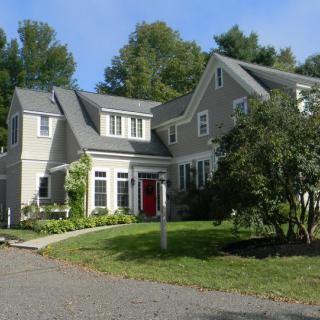
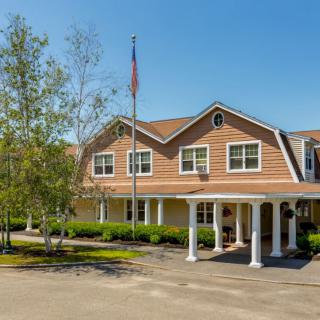

 3 resident community capacity
 Assisted Living
 Cable or satellite TV
 Dining room
 Fully furnished
 Garden
 Housekeeping services
 Move-in coordination
 Outdoor space
 Telephone
 Wi-Fi/high-speed internet available
 24-hour supervision
 Activities of daily living assistance
 Assistance with bathing
 Assistance with dressing
 Assistance with transfers
 Diabetes diet
 Meal preparation and service
 Medication management
 Special dietary restrictions
 Transportation arrangement (medical)
 Transportation to doctors appointments
 Comprehensive assisted living with furnished units, meals, housekeeping, and medical coordination.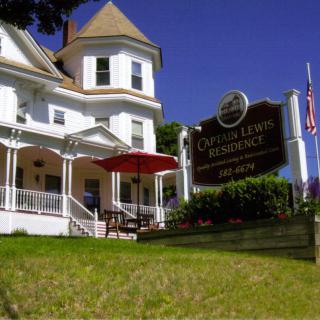

 Comprehensive Insights into Activities of Daily Living (ADLs) and Their Assessment
 Medicare Coverage for Assisted Living: An In-Depth Exploration
 Choosing the Right Senior Care: A Detailed Exploration of Assisted Living and Nursing Homes