
57 Marston Street, Auburn, ME 04210
For more information about senior living options: (866) 208-4318
Overall Review of Support Solutions - Marston
Pros
 Support Solutions is the very best place to be CRMA certified.
- Support Solutions are simply awesome.
Cons
 The company prevented the client from hanging out with her friend and violated her rights.
- They are neglectful and unprofessional.
- Support Solutions has been incredibly disappointing.
- The company has shown a severe lack of care for its clients, leaving them unattended and vulnerable.
- A disabled client was left without supervision or support.
- The client recently fell down the stairs, reopening a head injury from a past surgery.
- Their failure to provide consistent support or supervision has created a dangerous environment.
- Leaving a disabled person to fend for themselves with no staff present is a serious breach of responsibility.
Review
Support Solutions - Marston is best suited for families that prize credentialed caregiving and are prepared to provide active oversight to ensure basic safety. The presence of CRMA-certified staff is highlighted as a substantive asset, suggesting a professional baseline in training and conduct. This community tends to appeal to households that can monitor care plans, review staffing arrangements, and demand consistent follow-through on recommended tasks. It is not a hands-off option for families seeking a completely turnkey experience; it requires ongoing family involvement to translate the certification into dependable daily support.
Those whose top priority is rock-solid, 24/7 supervision should consider alternatives. The most consequential risk noted in multiple accounts is inconsistent presence of staff and supervision, which can translate into dangerous situations for disabled residents. For anyone with a high needs profile, mobility limitations, frequent assistance requirements, or a history of falls, this community may not deliver the reliable monitoring that protects vulnerable individuals. In short, this is not the right fit for families seeking near-constant coverage without active oversight.
The strongest pro, the credentialing and training culture, does not by itself offset the primary drawbacks. A certified staff base can raise expectations around care standards, responsiveness, and professional boundaries. However, the reality described in some reviews is a mismatch between policy on paper and day-to-day execution, with unattended residents and gaps in supervision. When safety incidents occur, the value of advanced training is diminished unless supervision and accountability systems are equally rigorous. Prospective families should weigh the potential upside of staff credentials against lived experiences of supervision lapses.
Safety and supervision emerge as the decisive fault lines. A resident left unattended, with a documented head-injury history, and a fall that reopened past surgery concerns is a blunt warning about what can go wrong when monitoring falters. For families, this means asking pointed questions about caregiver assignments, shift overlap, incident reporting, and escalation protocols. It also means probing how care plans are translated into daily routines, how often staff are present with each resident, and what compensatory measures exist for shifts when coverage is thin. Without clear, verifiable safeguards, the risk profile weighs heavily against choices that rely on episodic oversight.
The reviews themselves read as a study in inconsistent experiences. A portion of reviewers report highly positive experiences, but a non-trivial share express serious concerns about neglect and safety. That variability points to a staffing and management dynamic rather than a uniform standard of care. Prospective buyers should seek current, substantive assurances: a documented staffing model, real-time caregiver availability, limits on resident independence in risky tasks, and transparent communication channels with supervisors. The overarching takeaway is clear, this community can deliver quality when supervision is strong and coverage is reliable, but it cannot be trusted to consistently safeguard residents without vigilant family involvement or, alternatively, a facility known for steadier staffing.
Actionable next steps include arranging a thorough tour focused on safety systems, requesting a current care and supervision plan for the specific resident, and meeting directly with the administrator and frontline supervisors. Ask for exact staff-to-resident ratios during peak and off-peak hours, invite questions about fall-prevention measures, and verify how often assigned caregivers are rotated. If the current team cannot demonstrate consistent presence, or if incident reporting lacks concrete follow-through, weighing alternatives with higher, steadier supervision is warranted. For families who value professional training but cannot tolerate episodic neglect, there are options with stronger staffing continuity and proven safety records.
 3 resident community capacity
 Assisted Living
 Cable or satellite TV
 Dining room
 Fully furnished
 Garden
 Housekeeping services
 Move-in coordination
 Outdoor space
 Telephone
 Wi-Fi/high-speed internet available
 24-hour supervision
 Activities of daily living assistance
 Assistance with bathing
 Assistance with dressing
 Assistance with transfers
 Diabetes diet
 Meal preparation and service
 Medication management
 Special dietary restrictions
 Transportation arrangement (medical)
 Transportation to doctors appointments


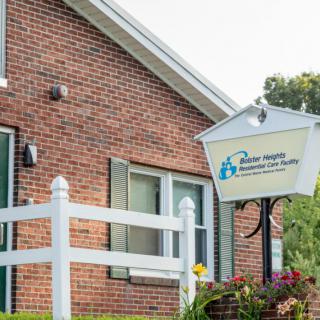


 Comprehensive Supportive Living Arrangements for Adults with Disabilities
 Funding and Affording Assisted Living: A Thorough Overview
 Assisted Living Expenses and Long-Term Care Insurance: A Comprehensive Exploration