West Bank Lighthouse in New Orleans
SaveInformation last verified:
1712 Holiday Dr, New Orleans, LA 70131
For more information about senior living options: (844) 490-3973
West Bank Lighthouse in New Orleans offers competitive pricing for its accommodations compared to both the county and state averages. For a semi-private room, residents can expect a monthly cost of $3,800, which is notably lower than the Orleans Parish average of $4,013 and slightly above the statewide figure of $3,598. In terms of private rooms, West Bank Lighthouse charges $4,000 per month, again positioning itself favorably against the higher costs in Orleans Parish at $4,638 and slightly below Louisiana's statewide average of $4,521. These rates reflect the facility's commitment to providing quality care while remaining accessible within the broader financial landscape of the region.
| Floor plans | West Bank Lighthouse in New Orleans | Orleans Parish | Louisiana |
|---|---|---|---|
| Semi-Private | $3,800 | $4,013 | $3,598 |
| Private | $4,000 | $4,638 | $4,521 |
West Bank Lighthouse in New Orleans is best suited for seniors who value a calm, scenic outing with a touch of maritime history and an intimate, low-key atmosphere. This is not a sprawling senior-campus experience; it is a small, manageable setting where visits feel personal and the pace can be gentle. The nearby lakefront offers relaxing views, easy strolls, and plenty of light conversation with knowledgeable staff. For residents who find meaning in learning about local heritage and prefer a day-out that’s not crowded or overwhelming, this venue provides meaningful enrichment without the bustle of a large facility. In short, it works best for those who want quality time, light activity, and a sense of discovery rather than a heavy schedule or round-the-clock care.
Those evaluating true assisted living options should consider alternatives. West Bank Lighthouse is a museum-like experience, not a care community with medical oversight, ongoing personal assistance, or structured daily programming. It suits a resident who is independent enough to enjoy short tours and outdoor ambles but does not replace the continuity, supervision, and 24/7 availability that an on-site care team provides. Families should be mindful that accessibility can be limited by architecture (stairs to certain exhibits) and that parking is not dedicated, with hours that can be variable. For residents needing significant mobility support, memory care, or comprehensive care plans, larger campuses with established clinical services will be a far more reliable fit.
On the upside, the strongest positives center on staff engagement and the single-venue charm. Visitors repeatedly praise the warmth and knowledge of guides, the approachable, small-scale setup, and the opportunity to connect with local history in a relaxed environment. The lakefront setting invites casual walking and quiet contemplation, which can be a welcome antidote to more rigid routines. The self-guided tour option, often augmented by an app, demonstrates a practical, tech-friendly approach to engagement that many families will recognize as a model for resident-centered programming elsewhere. These aspects, personal attention, contextual learning, and a soothing atmosphere, can meaningfully offset a lack of the kind of all-day activity calendar found in larger communities.
Yet the drawbacks are not minor and deserve candid attention. Several reviews flag inconsistent interactive experiences, with at least one instance of non-working exhibits and limited staffing for guided tours. Accessibility is imperfect: stairs to certain displays and no guarantee of elevator access to every area mean this is not a universal fit for residents with mobility constraints. Parking is not dedicated, and while there is ample space nearby, the absence of a guaranteed, convenient lot can complicate visits for those relying on transportation arrangements. Costs for admission and the occasional perception of uneven maintenance can also jar expectations in a decision landscape that often emphasizes value and reliability. These factors weigh heavily when comparing this setting to a true assisted living option.
The practical takeaway is straightforward: the pros here strongly support a decision framework focused on enrichment, pace, and personalized attention, but they do not substitute for the comprehensive care structure families expect from a long-term living plan. The intimate staff dynamics and the opportunity to learn in a low-stress environment illustrate how a smaller, well-managed setting can deliver high-quality, resident-centered experiences. The limited top-access, inconsistent exhibits, and parking quirks underscore why this model is best reserved for episodic, enriching excursions or as a supplemental activity within a broader care strategy. In other words, the Lighthouse model demonstrates how focused, high-touch engagement can enhance life quality, yet it only partially addresses the full spectrum of needs that come with long-term senior living.
When advising families, the recommendation is clear. If the senior seeks a serene, intellectually stimulating outing with friends and family, and if independence allows simple, easygoing exploration, West Bank Lighthouse offers meaningful value. It serves as a reminder that a well-crafted, intimate environment can deliver warmth, history, and learning in a way larger campuses may struggle to replicate. However, for planning actual long-term living arrangements, it should not be mistaken for a care-focused community. The right choice will bundle robust on-site care, predictable hours, accessible design, and comprehensive programming that evolves with changing needs. In such a case, the Lighthouse serves as an inspiring day-out, a supplemental enrichment partner, and a benchmark for what attentive staff and a thoughtful setting can achieve.
In the end, the best-fit decision rests on aligning the senior’s desired pace, preferred activities, and required level of care with the setting’s strengths. West Bank Lighthouse excels as a calm, informative, human-centered experience anchored in a picturesque lakefront with committed staff. It is a compelling option for families prioritizing enrichment over medical intensity, and for residents who thrive on learning, conversation, and gentle exploration. For those whose needs include round-the-clock nursing, highly structured daily routines, or extensive mobility support, the prudent path is to pursue alternatives that deliver continuous care and a larger, more predictable programming calendar. This lighthouse-inspired model reminds that the heart of good senior living lies in thoughtful, person-first engagement, and that the right match may well be found in a small, well-run setting that values each resident as a local legend in their own right.
West Bank Lighthouse in New Orleans, LA is an exceptional assisted living community that provides a comfortable and caring environment for seniors. Our facility offers air-conditioning throughout the building to ensure a pleasant atmosphere at all times. Residents can enjoy watching their favorite shows on cable or satellite TV in the privacy of their own rooms.
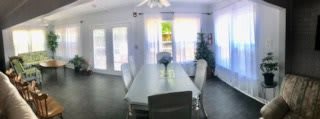
We have made sure that our community is handicap accessible, with ramps and elevators to accommodate individuals with mobility challenges. Indoor common areas offer a welcoming space for residents to socialize and engage in various activities, while outdoor common areas provide opportunities for fresh air and relaxation.
Each resident enjoys the privacy of their own room, complete with private bathrooms for convenience and comfort. Short-term stays are also offered for those who need respite care or assistance during recovery periods. Wheelchair accessible showers are available to meet the specific needs of our residents.
Connectivity is important, which is why we provide Wi-Fi/high-speed internet access throughout our community. This allows residents to stay connected with loved ones and engage in online activities at their leisure.
Our dedicated staff ensures that medication management services are provided to each resident, offering peace of mind regarding their healthcare needs. We understand the importance of a nutritious diet, which is why we provide low/no sodium meals that cater to specific dietary requirements such as no sugar, organic options, and vegan dishes. Room service is available for added convenience.
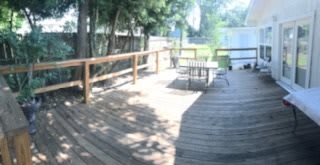
A wide range of activities are organized to keep residents engaged and entertained. From BBQs or picnics in our outdoor area to birthday parties and holiday celebrations, there's always something fun happening. Stretching classes promote physical well-being while visiting chaplains or priests are available for spiritual guidance. Wine tasting events and yoga/chair yoga sessions offer relaxation and socialization opportunities.
Located conveniently near cafes, parks, pharmacies, physicians' offices, restaurants, places of worship, and hospitals means that our residents have easy access to various amenities outside our community.
At West Bank Lighthouse, we strive to provide a safe and fulfilling environment for our residents, ensuring their well-being and happiness every day.
This part of New Orleans, Louisiana is a vibrant and diverse neighborhood with a variety of amenities within close proximity. There are several reputable physicians and hospitals nearby, providing easy access to healthcare services. The presence of multiple pharmacies ensures convenient access to medication and supplies. Additionally, numerous cafes and restaurants offer opportunities for socialization and dining out. Parks like Crescent Park provide green spaces for leisurely walks or relaxation. Overall, this area offers a mix of medical facilities, dining options, and recreational opportunities that may be attractive for seniors looking for a lively and well-equipped community to reside in.
West Bank Lighthouse in New Orleans offers competitive pricing for its accommodations compared to both the county and state averages. For a semi-private room, residents can expect a monthly cost of $3,800, which is notably lower than the Orleans Parish average of $4,013 and slightly above the statewide figure of $3,598. In terms of private rooms, West Bank Lighthouse charges $4,000 per month, again positioning itself favorably against the higher costs in Orleans Parish at $4,638 and slightly below Louisiana's statewide average of $4,521. These rates reflect the facility's commitment to providing quality care while remaining accessible within the broader financial landscape of the region.
West Bank Lighthouse in New Orleans is located at 1712 Holiday Dr, New Orleans, LA 70131 in Orleans Parish, Louisiana
Yes, West Bank Lighthouse in New Orleans allows both dogs and cats.
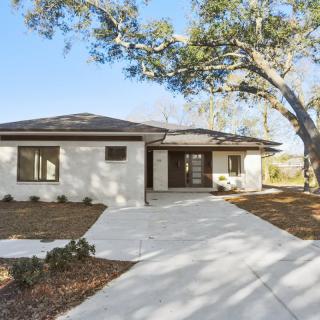
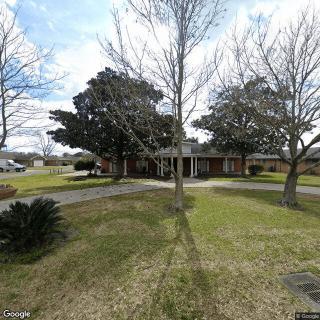
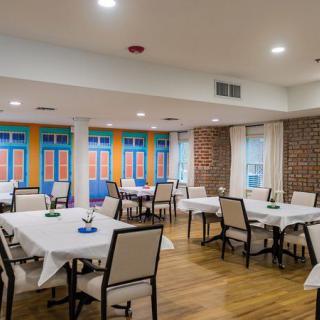
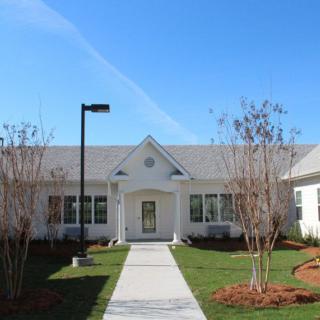
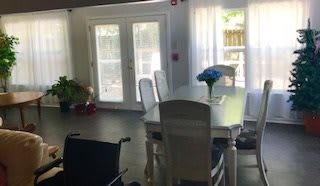
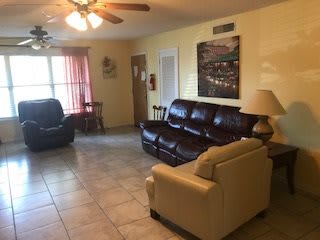
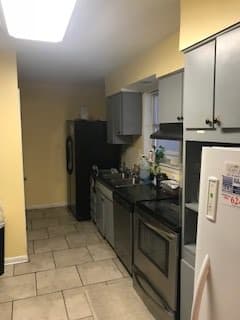
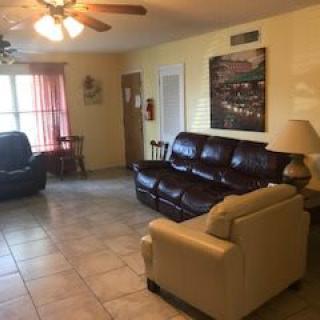
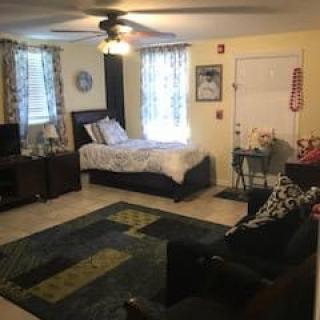
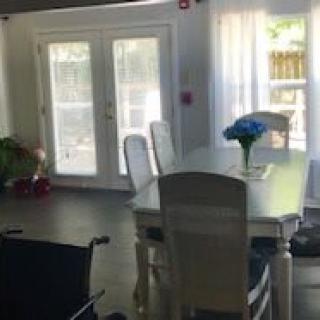
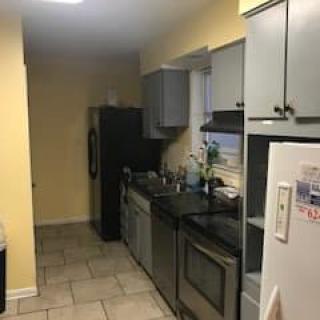
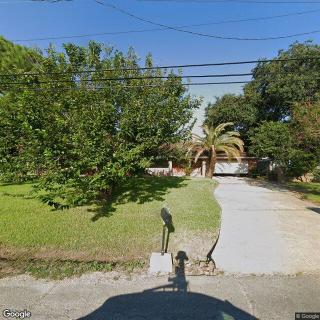
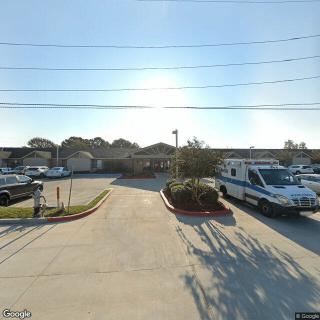
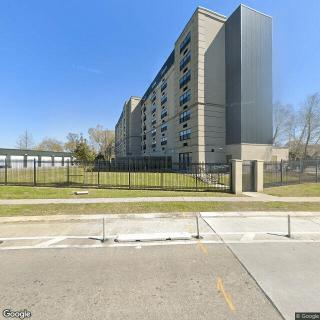
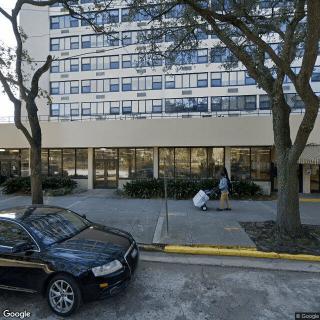
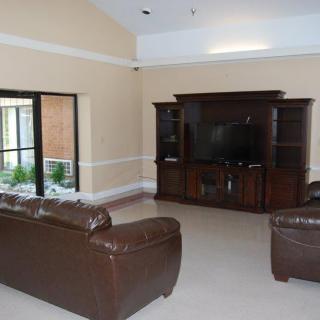
West Bank Lighthouse in New Orleans on seniors.fyi includes 7 photos including images showing interior, bedroom, dining, windows, decor, deck, outdoors, patio, and more.
Navigating Medicare Coverage for In-Home Care Services

Medicare covers in-home health care services, which are medical and provided by licensed professionals under a physician's supervision, whereas non-medical personal assistance is generally not covered unless part of a broader skilled care plan. Eligibility for benefits depends on being homebound and needing intermittent skilled services from a Medicare-certified agency, with specific coverage limitations and additional resources available for navigating options.
In-Home Care Costs in 2025: A Detailed State-by-State Exploration

In-home care is increasingly sought after by older adults for maintaining independence, with average private home care rates in 2025 varying by state and service type, reflecting geographical and local labor market influences. As demand rises, families are considering funding options like Medicaid waivers and long-term care insurance to manage costs effectively while ensuring quality care.
Understanding Home Health Care: A Comprehensive Guide
Home health care has become essential for supporting independence among the aging population, offering diverse services such as skilled nursing and rehabilitation in familiar environments, while also incorporating technology for personalized care. Despite its benefits, including improved recovery rates and emotional well-being, challenges like safety, staff availability, and insurance navigation must be managed for effective implementation.