The Atrium Assisted Living

Save

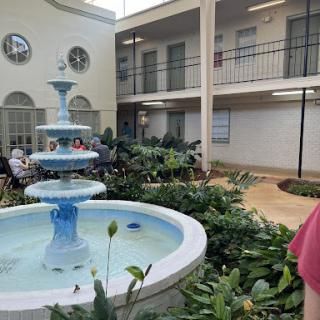
  • Interior

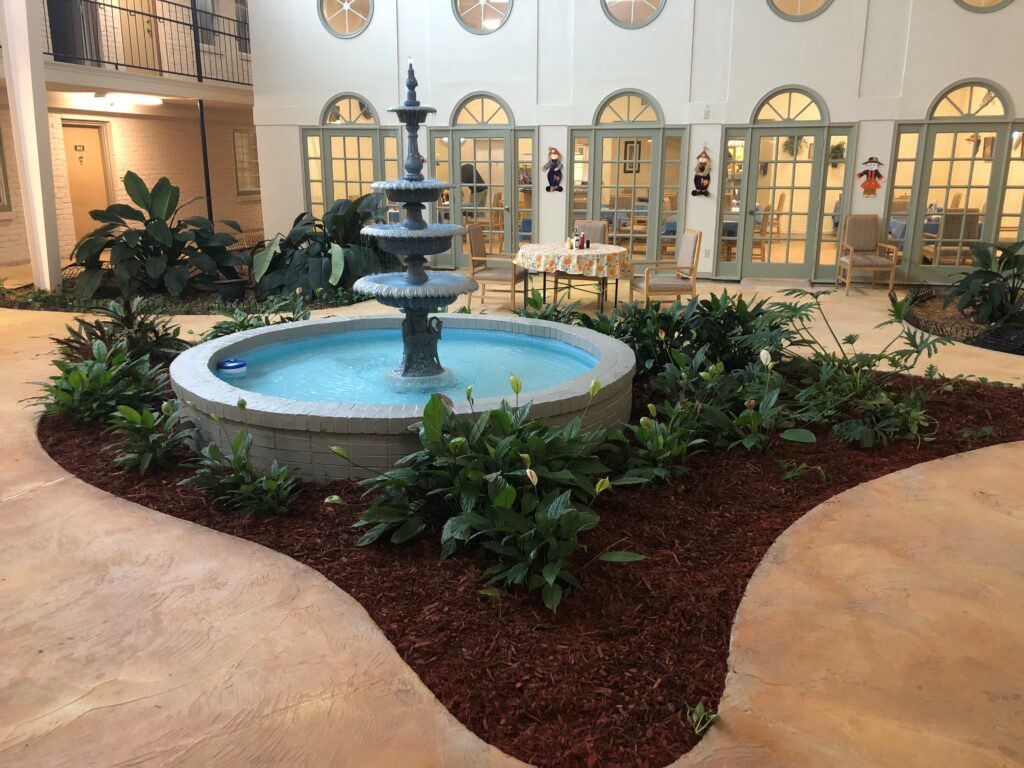
    An indoor setting featuring a central multi-tiered fountain surrounded by lush green plants and architectural details in the background.
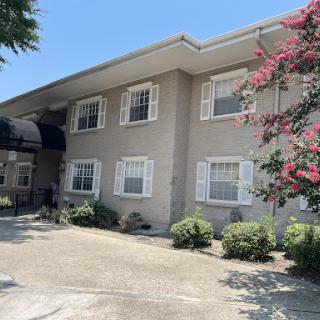
  • Building

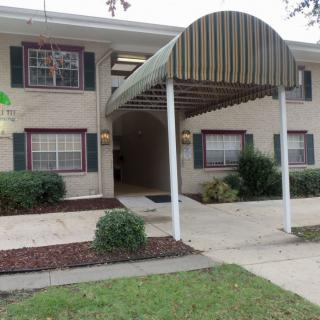
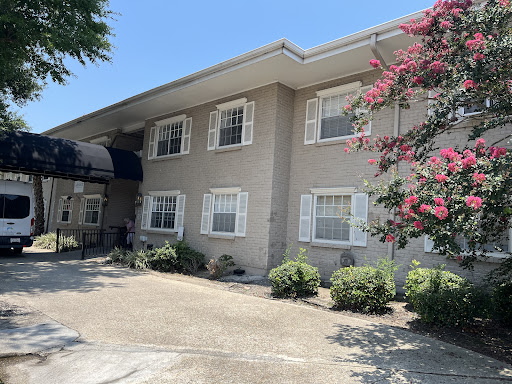
    A two-story residential building with a gray exterior and blooming flowers in the foreground on a sunny day.
  • Architecture

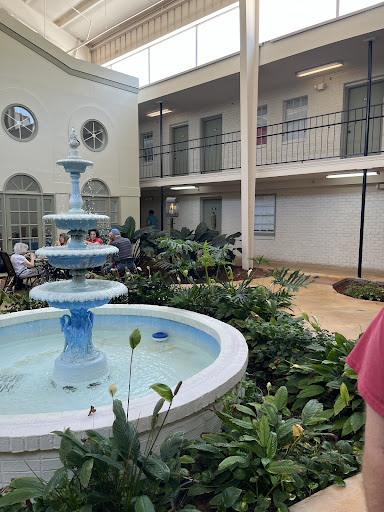
    A serene courtyard featuring a fountain surrounded by lush greenery, creating a peaceful gathering space.
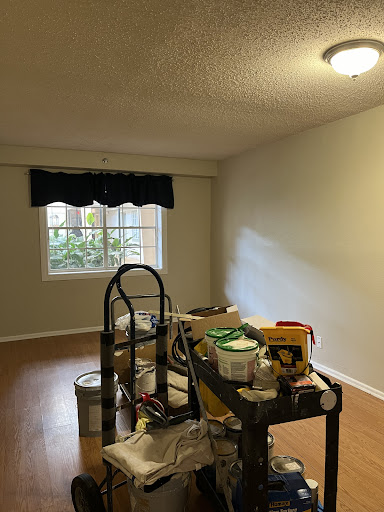
  • Windows

    A partially renovated room featuring a window, tools, and paint supplies.
  • Dining

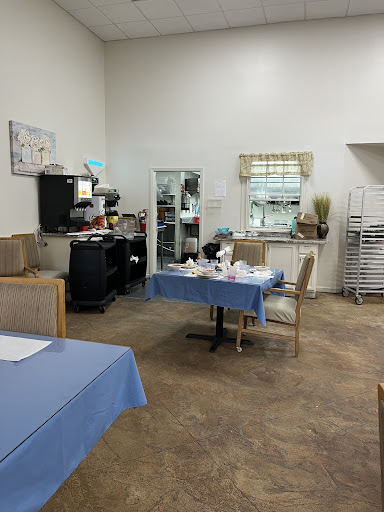
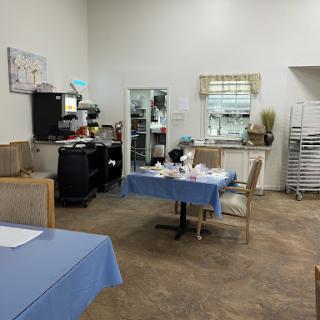
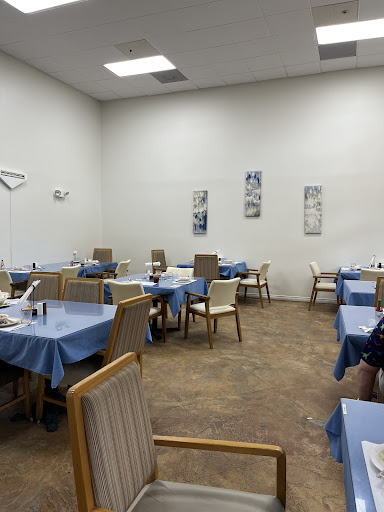
    A spacious dining area featuring neatly set tables with blue tablecloths, adjacent to a kitchen setting.
  • Kitchen

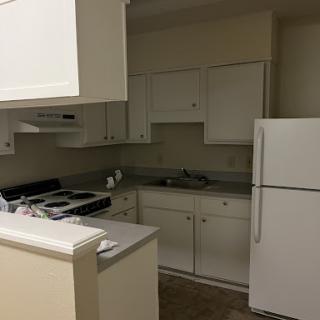
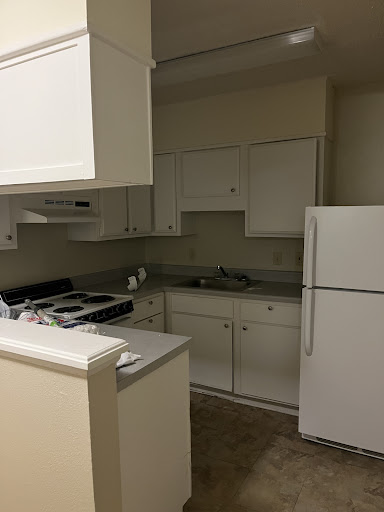
    A clean and modern kitchen featuring white cabinetry and essential appliances.
  • Entrance

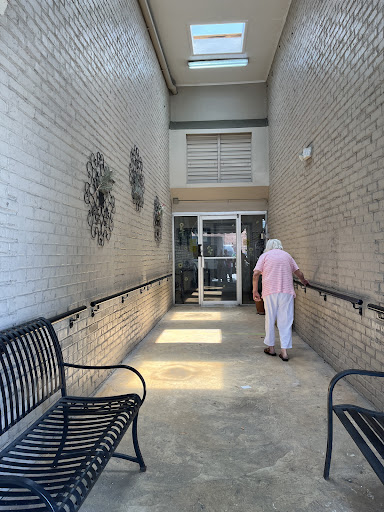
    An elderly person walking towards the entrance of a well-lit hallway with benches on either side.
  • Seating Area

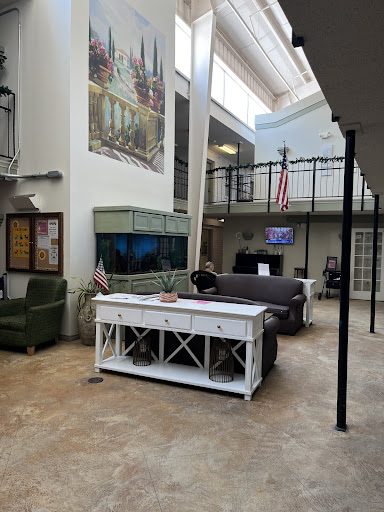
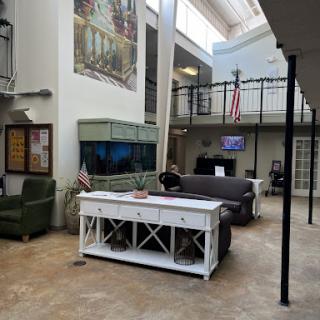
    A spacious indoor lobby featuring modern furniture, an aquarium, and a cozy seating area.
  • Wall Art

    A spacious and inviting dining area featuring neatly arranged tables with blue tablecloths.
  • Closet

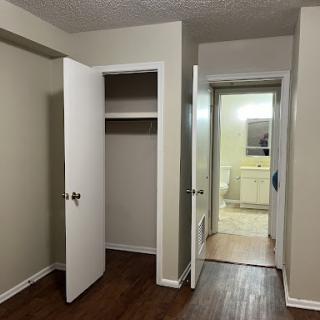
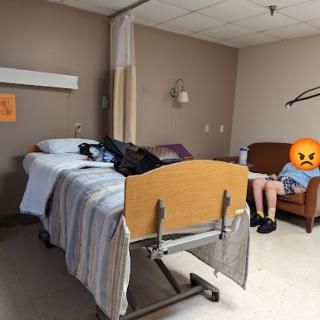
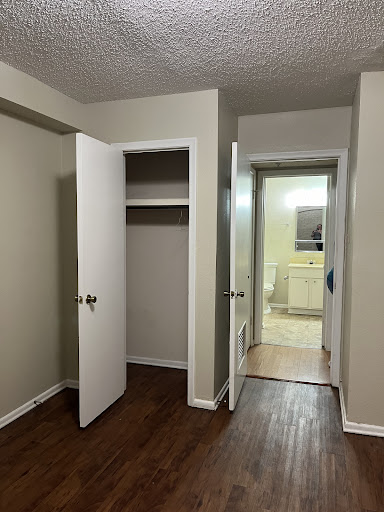
    A view of a room featuring an open closet and two doors leading to different areas.

The Atrium Assisted Living

6555 Park Manor Drive, Metairie, LA 70003

For more information about senior living options: (844) 490-3973

3.4 from 24 reviews
5 stars
11
4 stars
3
3 stars
1
2 stars
3
1 stars
6

Assisted Living Memory Care

Overall Review of The Atrium Assisted Living

Pros

  • pro The staff provided excellent care, showing compassion and attentiveness.
  • pro The facility met all needs and is highly recommended by reviewers.
  • pro The Atrium at Lafreniere is an excellent, well-kept, and spacious facility.
  • pro The staff are courteous and very helpful, spending ample time with residents and visitors.
  • pro The rooms are apartment-style and nicely designed, not just simple rooms.
  • pro The facility offers outings and entertainment, including trips into the city and Broadway productions on video tapes.
  • pro The director is knowledgeable and helpful, offering pre-evaluations to ensure a good fit.
  • pro The food is delicious, with a new chef who engages with residents and asks for feedback.

Cons

  • pro The front desk and housekeeping supervisors were described as unprofessional.
  • pro There was little teamwork, and the administration and nursing staff were clueless about residents' needs.
  • pro The dining area had flies and gnats, accompanied by an odor from old carpet, with not enough staff to address residents' needs.
  • pro It was alleged there were no medically trained personnel on site, no nurse, and unqualified people giving medications.
  • pro The facility was viewed as a money-focused ripoff, with inconsistent staffing and lax security.
  • pro Theft and neglect were reported, including stolen checkbooks, forged checks, stolen Vicodin, and cash missing from a desk.

Review

The Atrium at Lafreniere emerges here as a place of strong contrasts, where stories of warmth and genuine care sit alongside troubling accounts of management gaps and safety concerns. Across multiple voices, the common thread is that many residents and their families experienced compassionate, attentive, and family-like care from staff who went the extra mile to make life comfortable and meaningful. Several reviewers describe excellent care and a sense of home from the moment they walked through the doors: one family member noted their mother-in-law was "very comfortable and content for the 20 months she was there," and others echoed the sentiment that staff were caring, responsive, and helpful. In such memories, the facility can feel like a true home for an aging loved one, a place where caregiving feels personal and heartfelt.

Other families broadened that positive picture with specifics about how needs were met and how life inside The Atrium could be rich with activity and companionship. Reviewers spoke of staff who were "great," rooms that felt more like apartments than institutional spaces, and a working culture that valued taking residents for rides into the city, presenting Broadway productions on video, and offering a variety of daily activities. The sense of attentiveness extended to practicalities as well: the two-story layout with interior access, bright plants, and even a central fountain created an inviting, pleasant atmosphere. One observer highlighted the option for memory care alongside assisted living, noting how residents could move between sides as needed and still enjoy the warmth of a supportive staff.

Yet, the picture is not uniformly rosy. A reviewer who was on the payroll as a housekeeper painted a more nuanced portrait: affection for the clients and a commitment to keeping rooms smelling like home, balanced by frank criticism of certain leaders. They praised some CNAs as "very cool," but labeled the front desk and housekeeper supervisors as "unprofessional," recounting rumors of staff calling residents by their names in negative contexts. That account also carried a practical caution: the reviewer would not leave a pet there and warned others to consider "pop-ins" without letting the facility know in advance. It is a reminder that, even within a loving, home-like environment, professional standards and consistent conduct across all levels of staff matter deeply to residents and their families.

Individual stories of transformation also surface strongly. One review described a grandfather who initially resisted the move but, with what they called "tough love," eventually thrived and grew to love his new routine. The staff were credited with providing meaningful engagement and a sense of purpose, and the reviewer emphasized there was "plenty to do." The appreciation extended to a visible activity program, including social outings, crafts, games, and music, all portrayed as regular features that helped residents feel alive, engaged, and cared for.

There are, however, clear episodes that raise red flags. A separate account recounted a chaotic moment when the front desk appeared unmanned and two staff members outside refused to assist, followed by loud, inappropriate language in a lobby crowded with residents. The narrator labeled the behavior as "very UNACCEPTABLE" and described a scene of a staff member cursing and a coworker shouting at another person in front of the elderly. Beyond this incident, a sense of insufficient teamwork and a perception that administration and nursing staff were out of touch with residents' needs recurred in other reviews. Taken together, these reports suggest that when organizational alignment and professional conduct falter, the day-to-day atmosphere can deteriorate quickly for those living and working there.

In a few voices, the comparison to other facilities emerged as part of the narrative. One reviewer explicitly claimed, "The Ventricle is a much better and stronger establishment," signaling that for some families, alternative options may be perceived as more robust in certain respects. It is a reminder that the landscape of care facilities often features close rivals, each with its own strengths and weaknesses, and that families are right to weigh options carefully.

Other accounts offer a more detailed positive portrait of Lafreniere's appeal. Descriptions of the property emphasize its heft as a value-oriented choice with spacious, apartment-like rooms, easy access to dining areas, and a dining room that feels connected to the living spaces rather than isolated. Reviewers complimented the friendly, helpful staff and the director's willingness to engage - someone who would meet a prospective resident during a pre-evaluation, helping to ensure a good fit from the outset. The sense of affordability resonated with families who sought quality care within a budget, and several reviews highlighted the culinary side - new chefs, delicious meals, and the occasional playful observation about the chef's curiosity at the table as an indication of attention to residents' tastes and preferences.

The sentiment extends to individual families and residents who described gentle daily routines: caregivers who feed residents, organized daily activities, periodic outings, and the comfort a roommate-style living arrangement affords. One visitor spoke of a wife who found the staff "OK" and a setting where the rooms felt like real living spaces with respectful routines, while another shared pride in the staff who kept a home-like atmosphere through small rituals - painted nails, singing, and other social interactions - that helped residents feel valued and engaged.

Amid the praise, serious cautionary notes appear. A few reviewers - some with direct, long-term experience - paint a stark contrast: stories of theft, forged checks, stolen medications, and cash missing from locked drawers; reports that during natural disasters the facility lacked a generator and evacuated residents to another city; and critiques alleging that the place was not equipped to meet the needs of residents who required substantial medical support. One account warned that even at the highest level of care, the attention given to residents could fall short, with comments about neglect, limited housekeeping, and a sense that the facility prioritized numbers over the people it served. A strongly negative voice described the facility as one that would smile to your face while neglecting loved ones, raising questions about oversight, accountability, and the day-to-day reality of care in moments of stress.

Taken together, these perspectives sketch a facility that can be a beacon of warmth, dignity, and meaningful life for many residents, while also revealing cracks in staffing consistency, safety practices, and medical readiness that can undermine trust. For families evaluating The Atrium at Lafreniere, the path is to weigh these narratives carefully: visit in person, speak candidly with staff and residents, observe how the environment feels in real time, and inquire about nurse availability, emergency readiness, theft-prevention measures, and the facility's current policies on staff training and professional standards. The overall impression is a mixed but real one - centered on compassion and comfort for many, tempered by serious concerns raised by others that demand careful scrutiny and ongoing oversight.

Features

Housing

  • 140 resident community capacity 140 resident community capacity

Types of Care

  • Assisted Living Assisted LivingAssisted living facilities provide crucial support and care for seniors who may need help with daily tasks such as medication management, bathing, and meal preparation. These communities offer a safe and comfortable environment where seniors can maintain their independence while receiving the assistance they need to thrive in their golden years.
  • Memory Care Memory CareMemory care is crucial for seniors as it provides specialized support and services for individuals with dementia or Alzheimer's disease. These programs offer a safe and secure environment where residents receive personalized care, cognitive stimulation, and help with daily activities. Memory care helps seniors maintain their independence, quality of life, and dignity while also providing peace of mind for their families.

Amenities

  • Air-conditioning Air-conditioningAir conditioning is important for seniors as they are more vulnerable to heat-related illnesses and may have underlying health conditions that make it difficult for them to regulate their body temperature. It helps to keep them comfortable, safe, and healthy in hot weather.
  • Beauty salon Beauty salonBeauty salons are important for seniors because they provide a space for them to feel pampered, socialize, and maintain their personal grooming and hygiene. Regular visits to a beauty salon can help boost seniors' self-esteem and overall well-being.
  • Cable or satellite TV Cable or satellite TVCable or satellite TV is important for seniors because it provides entertainment, news, and companionship, helping to combat loneliness and boredom. It also offers a wide range of programming options tailored to different interests and preferences.
  • Computer center Computer centerA computer center is essential for seniors as it provides access to technology, communication tools, and resources that can enhance their daily lives. It allows them to stay connected with loved ones, engage in online activities, and learn new skills, ultimately promoting socialization and mental stimulation.
  • Dining room Dining roomDining rooms are important for seniors as they provide a space for socialization, connection, and nutritious meals. They offer opportunities for residents to bond over shared meals, foster a sense of community, and promote healthy eating habits. Dining rooms also ensure that seniors have access to well-balanced meals tailored to their dietary needs and preferences.
  • Fitness room Fitness roomHaving a fitness room in a senior living community is essential for seniors to stay active, maintain their physical health, and improve their overall well-being. Regular exercise can help prevent falls, reduce the risk of chronic diseases, and promote mental sharpness. It also provides social opportunities for residents to connect with others and enjoy a sense of community.
  • Fully furnished Fully furnishedFully furnished senior living communities are important for seniors because they provide convenience, comfort, and a hassle-free moving experience. Seniors can easily settle into their new living space without the stress of having to buy and move furniture. This allows them to focus on enjoying their new home and community.
  • Gaming room Gaming roomGaming rooms are important for seniors as they provide a fun and engaging environment for socializing, cognitive stimulation, and physical activity. Games can improve memory, problem-solving skills, and overall mental well-being while fostering friendships and reducing feelings of isolation.
  • Garden GardenGardens are important for seniors as they provide a peaceful and therapeutic environment for relaxation, physical activity, and socialization. Being in nature has been shown to reduce stress, improve mood, and promote overall well-being. Gardens also offer opportunities for seniors to engage in gardening activities, which can improve mobility, flexibility, and cognitive function. Additionally, gardens create a sense of community and connection with others who share a passion for plants and outdoor spaces.
  • Housekeeping services Housekeeping servicesHousekeeping services are important for seniors because they help maintain a clean and safe living environment, promote independence, and reduce the risk of accidents or illnesses. Additionally, having assistance with household chores can alleviate physical strain and allow seniors to focus on other aspects of their well-being.
  • Kitchenette KitchenetteKitchenettes are important for seniors living in senior living communities because they provide the convenience and independence of being able to prepare simple meals and snacks in the comfort of their own living space. This can help promote a sense of autonomy and well-being for seniors, allowing them to maintain some level of control over their dietary choices and daily routines.
  • Move-in coordination Move-in coordinationMove-in coordination is important for seniors because it helps ease the transition into their new living environment. It ensures that all logistics, such as packing, organizing movers, and setting up utilities are taken care of, allowing seniors to focus on settling in and adjusting to their new home. Having a smooth move-in process can alleviate stress and anxiety, making the transition smoother and more enjoyable for seniors.
  • Outdoor space Outdoor spaceOutdoor spaces are important for seniors as they provide opportunities for physical activity, social interaction, exposure to natural light and fresh air, and a sense of connection to nature. Having access to outdoor spaces can improve overall well-being and quality of life for older adults living in senior communities.
  • Private bathrooms Private bathroomsPrivate bathrooms are important for seniors in senior living communities because they provide independence, dignity, and comfort. Having a private bathroom allows seniors to maintain their personal hygiene routines without the need for assistance, promoting a sense of autonomy and privacy. Additionally, private bathrooms help prevent the spread of infections and provide a safe and clean environment for seniors to navigate safely.
  • Restaurant-style dining Restaurant-style diningRestaurant-style dining is important for seniors because it allows them to enjoy delicious, nutritious meals in a social and upscale setting. This enhances their dining experience, promotes healthy eating habits, and fosters socialization with fellow residents, ultimately contributing to their overall well-being and quality of life.
  • Small library Small librarySmall libraries are important for seniors as they provide access to a variety of reading materials, including books, newspapers, and magazines. This can help stimulate their minds, keep them engaged, and provide a sense of community through book clubs and other social activities. Additionally, reading has been shown to improve cognitive function and overall mental well-being in older adults.
  • Telephone TelephoneTelephones are important for seniors as they provide a lifeline for communication with loved ones, emergency services, and healthcare providers. They offer a sense of security and independence, enabling seniors to stay connected and access assistance when needed.
  • Wellness center Wellness centerWellness centers are important for seniors because they offer a variety of programs and services that promote physical, mental, and emotional well-being. These centers provide opportunities for exercise, socialization, education, and relaxation, helping seniors maintain their overall health and quality of life.
  • Wi-Fi/high-speed internet available Wi-Fi/high-speed internet availableWi-Fi/high-speed internet is important for seniors to stay connected with loved ones, access online resources, and participate in virtual activities to combat feelings of loneliness and isolation. It also allows them to easily manage healthcare needs, access entertainment, and engage in lifelong learning opportunities.

Transportation

  • New Orleans International (3 miles away) New Orleans International (3 miles away)
  • Community operated transportation Community operated transportationCommunity operated transportation is crucial for seniors as it provides them with the means to access essential services, social activities, and medical appointments. It allows seniors to maintain their independence and quality of life by ensuring they can participate in activities outside of their homes. Additionally, community-operated transportation services offer a safe and reliable way for seniors to travel without having to rely on family or friends for assistance.
  • Transportation arrangement Transportation arrangementTransportation arrangements are crucial for seniors as they may face challenges with driving, mobility, or access to public transportation. Having reliable transportation services ensures that seniors can easily attend appointments, social activities, and maintain their independence and quality of life.

Care Services

  • 24-hour call system 24-hour call system24-hour call systems are important for seniors because they provide peace of mind and immediate assistance in case of emergencies. This technology ensures that help is always available, promoting safety and security for elderly individuals living alone or in assisted living facilities.
  • 24-hour supervision 24-hour supervision24-hour supervision is important for seniors to ensure their safety, well-being, and access to immediate assistance in case of emergencies or health issues. This constant support provides peace of mind for both seniors and their loved ones, allowing them to age in place with dignity and security.
  • Activities of daily living assistance Activities of daily living assistanceActivities of daily living assistance are important for seniors because they provide essential support with tasks such as eating, bathing, dressing, and mobility. This assistance helps seniors maintain their independence, dignity, and overall quality of life as they age.
  • Assistance with bathing Assistance with bathingAssistance with bathing is crucial for seniors as it helps maintain personal hygiene, prevents infections, and ensures their overall well-being and comfort. It also provides a sense of dignity and independence for seniors who may struggle with this task on their own.
  • Assistance with dressing Assistance with dressingAssistance with dressing is important for seniors because it helps maintain their independence, promotes personal hygiene, prevents accidents and injuries, and improves overall quality of life. This service ensures that seniors can continue to dress comfortably and confidently, despite any physical limitations they may have.
  • Assistance with transfers Assistance with transfersAssistance with transfers is crucial for seniors as it helps prevent falls and injuries, maintains their independence, and ensures they can safely navigate their living environment. It also provides peace of mind for both seniors and their loved ones.
  • Diabetes diet Diabetes dietA diabetes diet is crucial for seniors as it helps manage blood sugar levels, reduce risks of complications, and improve overall health and well-being. By following a balanced and nutritious diet tailored to their specific needs, seniors can better control their diabetes and enhance their quality of life.
  • Meal preparation and service Meal preparation and serviceMeal preparation and service are crucial for seniors as they may have limited mobility or energy to cook nutritious meals. Having access to healthy and convenient food options can ensure they are getting the proper nutrition needed to maintain their overall health and well-being.
  • Medication management Medication managementMedication management is crucial for seniors to ensure they are taking the right medications at the correct dosages and times. This helps prevent adverse drug interactions, reduces the risk of medication errors, and promotes overall health and well-being. Proactive management also allows for adjustments as needed based on changing health conditions or new prescriptions.
  • Mental wellness program Mental wellness programMental wellness programs are essential for seniors as they promote cognitive stimulation, emotional support, and social engagement. These programs help prevent isolation, depression, and cognitive decline, ultimately enhancing the overall quality of life for older adults.
  • Mild cognitive impairment Mild cognitive impairment"Mild cognitive impairment" is important for seniors because it is an early stage of cognitive decline that can potentially progress to more severe conditions such as dementia. Recognizing and addressing mild cognitive impairment can help seniors receive appropriate care and support to maintain their quality of life and independence for as long as possible.
  • Special dietary restrictions Special dietary restrictionsSpecial dietary restrictions are important for seniors because age-related changes in metabolism and health conditions can make it difficult for their bodies to process certain foods. By following a diet tailored to their specific needs, seniors can maintain their overall health and well-being, manage chronic conditions, and reduce the risk of complications such as malnutrition or food interactions with medications.
  • Specialized memory care programming Specialized memory care programmingSpecialized memory care programming is crucial for seniors with cognitive impairments such as dementia or Alzheimer's disease. These programs provide a safe and supportive environment tailored to the unique needs of individuals with memory loss, helping them maintain their independence, dignity, and quality of life.

Dining

  • Diabetes diet Diabetes dietA diabetes diet is crucial for seniors as it helps manage blood sugar levels, reduce risks of complications, and improve overall health and well-being. By following a balanced and nutritious diet tailored to their specific needs, seniors can better control their diabetes and enhance their quality of life.
  • Special dietary restrictions Special dietary restrictionsSpecial dietary restrictions are important for seniors because age-related changes in metabolism and health conditions can make it difficult for their bodies to process certain foods. By following a diet tailored to their specific needs, seniors can maintain their overall health and well-being, manage chronic conditions, and reduce the risk of complications such as malnutrition or food interactions with medications.

Activities

  • Community-sponsored activities Community-sponsored activitiesCommunity-sponsored activities are important for seniors as they provide opportunities for social interaction, mental stimulation, and physical activity. These activities can help improve overall well-being, combat loneliness and isolation, and promote a sense of belonging and purpose among older adults.
  • Concierge services Concierge servicesConcierge services are essential for seniors as they provide assistance with daily tasks and errands, enhance their quality of life by offering convenience and personalized care, and promote a sense of safety and security.
  • Fitness programs Fitness programsFitness programs are crucial for seniors as they help improve strength, flexibility, balance, and overall well-being. Staying active can reduce the risk of chronic diseases, improve mental health, and enhance quality of life in older adults.
  • Planned day trips Planned day tripsPlanned day trips are important for seniors because they offer opportunities for socialization, mental stimulation, and physical activity. They provide a change of scenery and help seniors stay engaged and connected to their community, promoting overall well-being and quality of life.
  • Resident-run activities Resident-run activitiesResident-run activities are important for seniors as they encourage social interaction, creativity, and a sense of autonomy. These activities empower seniors to stay engaged and active in their community while fostering meaningful connections with their peers.
  • Scheduled daily activities Scheduled daily activitiesScheduled daily activities are important for seniors because they provide structure, socialization, mental stimulation, and physical activity. Engaging in regular activities can improve overall well-being and quality of life for seniors living in a community setting.

Description

The Atrium Assisted Living in Metairie, LA offers specialized care for individuals with memory impairments. With a range of amenities and care services, residents can enjoy a comfortable and fulfilling lifestyle. The community features a beauty salon, cable or satellite TV, and community-operated transportation for convenient access to nearby places. A computer center and Wi-Fi/high-speed internet ensure residents can stay connected with loved ones.

Meals are provided in a restaurant-style dining room, accommodating special dietary restrictions. Housekeeping services keep living spaces clean and tidy, while move-in coordination assists new residents in settling comfortably. Outdoor spaces and gardens provide opportunities for relaxation and enjoyment of nature.

The dedicated care team provides 24-hour supervision and assistance with activities of daily living such as bathing, dressing, and transfers. Medication management is available to ensure residents receive their prescribed medications on time. The mental wellness program focuses on the cognitive well-being of residents with mild cognitive impairment.

Engaging activities are planned regularly, including fitness programs, planned day trips, resident-run activities, and scheduled daily activities. Concierge services offer additional support to meet individual needs.

The Atrium Assisted Living is conveniently located near various amenities for residents' convenience. Five cafes allow residents to enjoy meals outside of the community if desired. Parks offer opportunities for outdoor recreation and relaxation. Pharmacies and physicians in close proximity ensure easy access to healthcare services when needed. Restaurants nearby provide diverse dining options.

Transportation options are readily available with eight transportation options nearby, allowing residents to reach destinations within the community or explore the surrounding area easily. Places of worship cater to spiritual needs in the vicinity.

Residents can also enjoy cultural experiences at two theaters nearby or have access to medical facilities with three hospitals situated close by.

Overall, The Atrium Assisted Living provides a comprehensive range of amenities, care services, activities, and convenient access to various resources for a vibrant lifestyle in an assisted living community.

Nearby Places of Interest

Located in Metairie, Louisiana, this neighborhood offers a variety of amenities that cater to seniors looking for a comfortable and convenient living environment. With several cafes such as Corner Cafe and Starbucks nearby, residents can enjoy leisurely coffee outings with friends or family. Access to pharmacies like CVS and Walgreens ensures easy access to medications and healthcare necessities. In terms of healthcare services, there are reputable physicians and hospitals in close proximity, including Lakeside Women's Specialty Center and Tulane - Lakeside Hospital. The area also boasts entertainment options such as the AMC Clearview Palace 12 theater and transportation facilities like Louis Armstrong New Orleans International Airport for convenient travel. Additionally, there are parks for outdoor recreation and places of worship like Divine Mercy Parish Saint for spiritual fulfillment. Overall, this neighborhood provides a well-rounded living experience with a focus on convenience and quality of life for seniors.

Cafes

  • Corner Cafe (0.7 miles)
  • Starbucks (0.9 miles)
  • Cafe Du Monde (1.4 miles)
  • CafĂ© du Monde (2.7 miles)
  • Starbucks (3 miles)
  • Grounded Coffee Cafe (5.1 miles)
  • Cafe Du Monde City Park (7.1 miles)

Pharmacies

  • CVS Pharmacy (0.7 miles)
  • Walgreens (1.5 miles)
  • Walgreens (1.7 miles)
  • Winn-Dixie (1.8 miles)
  • Winn-Dixie (2 miles)
  • Walgreens (2.4 miles)
  • Rouses Markets (2.5 miles)

Physicians

  • Coleman IV William P MD - Coleman William P Dr III (1.3 miles)
  • Fertility Institute of New Orleans (1.5 miles)
  • LCMC Health Children's Hospital New Orleans Pediatrics Tulane (1.5 miles)
  • Lakeside Women's Specialty Center (1.7 miles)
  • Ka-Yan Tong (1.7 miles)
  • Lakeside Children's Clinic (1.9 miles)
  • Eye Surgery Center Of Louisiana (1.9 miles)

Restaurants

  • Chick-Fil-A (1.5 miles)
  • Raising Cane's Chicken Fingers (1.9 miles)
  • Sonic Drive-In (2.1 miles)
  • Raising Cane's Chicken Fingers (2.1 miles)
  • Sonic Drive-In (2.3 miles)
  • Chick-Fil-A (2.6 miles)
  • Drago's Seafood Restaurant (3.1 miles)

Hospitals

  • Tulane - Lakeside Hospital (1.6 miles)
  • Ochsner Medical Center, International Department, Magnetic Resonance Imaging (4 miles)
  • The Gayle and Tom Benson Cancer Center (4.9 miles)
  • Fmc Dialysis Services (6.7 miles)

Theaters

  • AMC Clearview Palace 12 (1.7 miles)
  • AMC Elmwood Palace 2 (3.1 miles)

Transportation

  • Ride Share Pick Up (2.6 miles)
  • TSA Security Checkpoint (2.6 miles)
  • The Club MSY (2.6 miles)
  • Main Terminal (2.6 miles)
  • TSA PreCheck (2.7 miles)
  • Louis Armstrong New Orleans International Airport (MSY) (3 miles)
  • Rental Car Parking Garage (3.2 miles)

Parks

  • Wentwood Playground (3.7 miles)
  • Kenner City Park Pavilion (3.9 miles)
  • New Orleans City Park (7 miles)
  • Pig Newton Park (7.2 miles)

Places of Worship

  • Divine Mercy Parish Saint (4.6 miles)

Frequently Asked Questions

Where is The Atrium Assisted Living?
Does The Atrium Assisted Living provide care for residents with dementia or Alzheimer's disease?
What photos are available for The Atrium Assisted Living in Metairie, Louisiana?

Nearby Communities

Assisted Living in Nearby Cities

Related Resources

  • caregiver support group22 Remarkable Caregiver Support Groups Available Online and In-Person

    Caregiver support groups are crucial for providing emotional and practical assistance to those caring for loved ones, offering resources, coping strategies, and a sense of community through various organizations and platforms. These groups help alleviate isolation and burnout while addressing the unique challenges faced by caregivers of individuals with specific conditions.

  • does medicaid pay for assisted livingUnderstanding Medicaid Coverage for Assisted Living: A Comprehensive Guide

    The guide outlines the complexities of Medicaid coverage for assisted living, highlighting significant state-to-state variations, limited coverage often restricted to personal care services, and the existence of specialized waivers for certain needs like memory care. It advises families to consult local Medicaid offices for options while emphasizing the importance of understanding state-specific regulations and facility policies.

  • does medicaid pay for assisted livingHow and When Medicaid May Cover Assisted Living Costs
    Medicaid coverage for assisted living varies by state and is primarily available to low-income individuals, with eligibility dependent on strict income and asset limits. Some states offer HCBS waivers for specific services in assisted living, but families must generally cover room and board costs, and should verify facility acceptance of Medicaid while considering potential waiting lists.