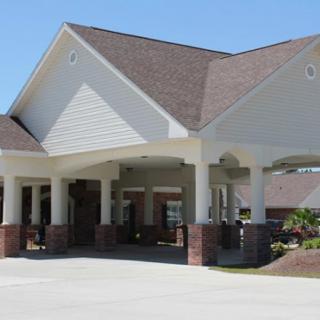
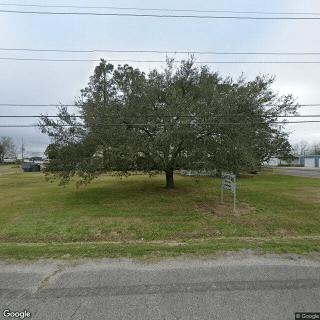
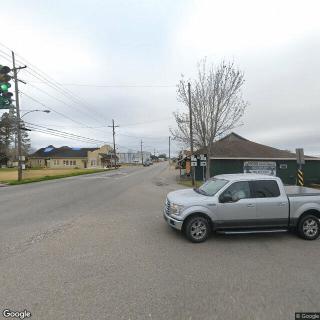
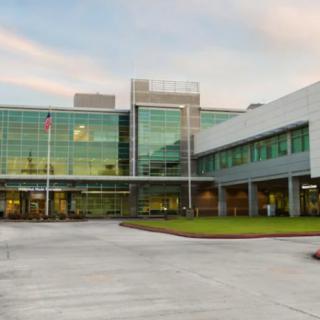
200 W 134th Pl, Cut Off, LA 70345
For more information about senior living options: (844) 490-3973
Lady Of The Sea General Hospital in Cut Off is best suited for families seeking proximity and straightforward emergency or basic medical care in a rural setting, where resources are limited but staff can be genuinely pleasant and responsive. In practice, the facility often handles urgent needs efficiently after hours, and several patients praise quick service, clear explanations, and compassionate bedside care from individual nurses and therapists. For someone living nearby or needing rapid ER access without extensive travel, this hospital can be a practical first stop when conditions are acutely manageable within its scope.
However, several clear caveats tilt the balance toward alternatives for many families. The patient mix at this campus skews toward emergencies and primary care needs tied to limited resources, so those requiring high-acuity treatment, complex diagnostics, or continuous specialty management should have a backup plan. The most compelling reason to consider elsewhere is the variability in care quality and responsiveness: long wait times at night, uneven communication, and inconsistent medical direction can leave families uncertain about whether the right questions are being asked or tests properly pursued.
The strongest pros - polite, dedicated staff, and a track record of compassionate, patient-centered interaction in the ER on certain occasions - do provide real value. When the team is aligned, patients report being treated with respect, receiving explanations of procedures, and experiencing genuine effort from clinicians and support staff. In emergencies, that level of personal attention can be the difference between feeling cared for and feeling abandoned. These positives are reinforced by examples of rapid after-hours service and some clinicians delivering noteworthy bedside care, which makes the hospital a reasonable fallback option in a pinch.
Yet the cons loom large enough to complicate risk assessment. Several reviews center on long, frustrating waits - hours without direct physician contact, unclear test results, and perceived gaps in oversight at critical moments. There are serious, recurring accusations about physician conduct and bedside manner, including complaints about listening, empathy, and respect. Privacy and confidentiality have also been questioned in the past, with accounts suggesting HIPAA lapses and a data breach that still colors perceptions of trust. For a family that prioritizes consistent, predictable care, these factors create a nontrivial risk that care will drift or feel impersonal at crucial moments.
Another pervasive reality is the hospital's scope. As a small rural facility, it may not offer the full range of diagnostics, specialty consults, or transfers that larger regional centers provide. When tests or treatments exceed its capabilities, patients can be transferred or left awaiting results that never fully satisfy a concern. That pattern underscores the need for a clear plan: know where the patient will be directed for advanced imaging, specialty input, or follow-up, and confirm whether insurance networks and transportation options align with the local realities. A proactive family will insist on explicit pathways for escalation before any urgent need arises.
In decision-making terms, this facility works best for those who prize proximity, a reassuring bedside manner in many encounters, and the comfort of straightforward, episodic emergency care. It is less appropriate for families facing chronic conditions requiring consistent specialist oversight, or for anyone who cannot tolerate a degree of care variability or the possibility of prolonged waits. Before selecting, seek current, specific assurances from the staff about physician availability, privacy protections, and the hospital's procedures for escalation and transfer. For non-emergency or highly specialized care, consider broader regional options with more robust diagnostic and specialist networks to minimize risk and maximize continuity of care.
Located in the serene town of Cut Off, Louisiana, Lady of the Sea General Hospital offers a welcoming and supportive assisted living community. This facility is ideally situated in a vibrant neighborhood with a wealth of amenities to enhance the quality of life for its residents.
Within close proximity, residents will find essential services such as a pharmacy, ensuring easy access to medications and health-related needs. The community also boasts nearby medical support with four dedicated physicians ready to provide clinical care and guidance, promoting overall well-being.
Culinary options abound with eight diverse restaurants nearby, offering a range of dining choices that cater to various tastes and preferences. Whether it's casual meals or special occasions, residents can enjoy convenience and variety just moments from their home.
Transportation is easily accessible with two nearby options, making it simple for residents to engage in outings or attend appointments without hassle.
For those seeking spiritual solace, seven places of worship in the vicinity provide opportunities for community engagement and personal reflection.
Additionally, having another hospital just one location away ensures peace of mind should any urgent medical care be needed.
In summary, this assisted living community at Lady of the Sea General Hospital combines essential healthcare services with rich local amenities to foster an active and fulfilling lifestyle for its residents.
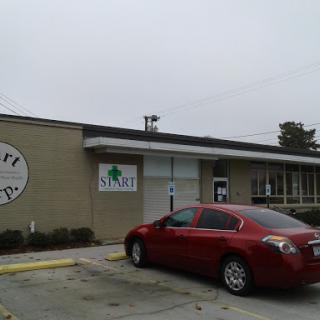
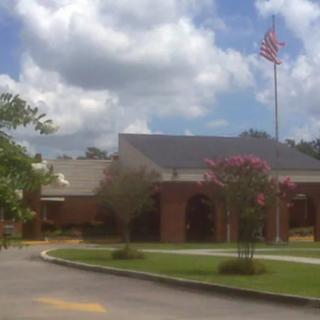
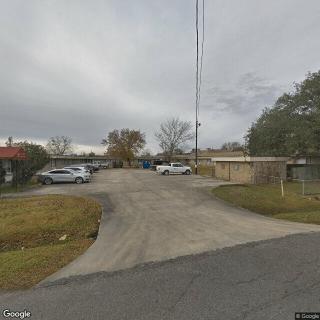
Lady Of The Sea General Hosp is located at 200 W 134th Pl, Cut Off, LA 70345 in Lafourche Parish, Louisiana
Comprehensive Guide to Medicare Coverage for Hospice Care
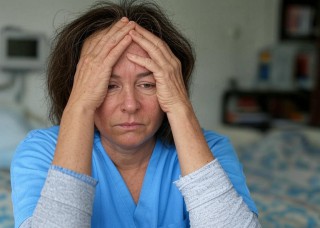
Hospice care focuses on providing comfort and support for individuals nearing the end of life, with Medicare Part A covering services like nursing care and counseling for patients with a terminal illness and a life expectancy of six months or less. While most hospice services are low-cost for eligible patients, families should be aware that certain expenses, such as room and board, may not be covered.
Caring for Those Who Care: Recognizing, Understanding, and Overcoming Caregiver Burnout
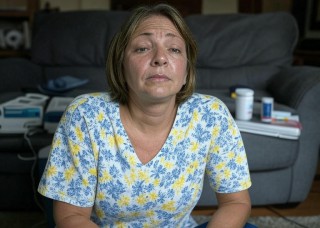
Caregiver burnout is a common issue resulting from the intense physical, emotional, and mental demands of caregiving, leading to symptoms like fatigue and social withdrawal. To prevent burnout, caregivers should recognize early warning signs and implement self-care strategies, seek support, and prioritize their own well-being alongside that of those they care for.
Caregiver Exhaustion: Recognizing the Signs and Restoring Your Well-Being
Caregiver exhaustion, or burnout, stems from the relentless demands of caregiving, leading to emotional and physical depletion characterized by stress, frustration, and neglect of personal needs. Addressing this burden is essential to prevent long-term consequences, with early recognition and support being crucial for caregivers to maintain balance and implement self-care.