
108 Boyles Drive, Russellville, KY 42276
For more information about senior living options: (866) 208-4318
Overall Review of Hometown Manor Of Russellville
Pros
 The staff at Hometown Manor Assisted Living - Russellville are caring and attentive.
- The meals are homemade daily and nutritionally balanced.
- Residents feel well cared for and seem happy in a supportive, family-like environment.
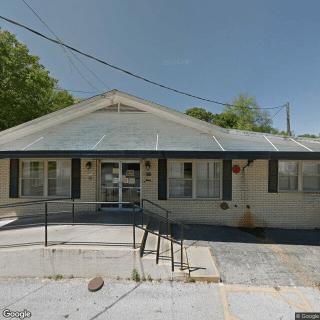
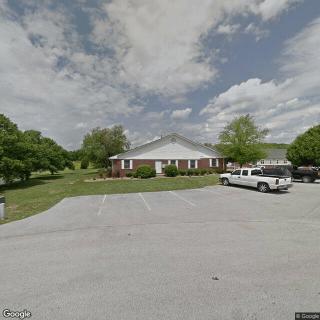
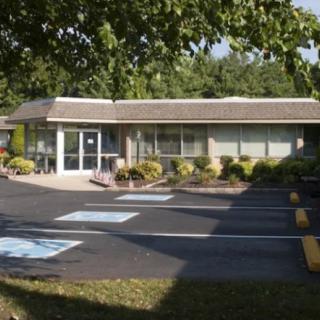
- The facility is clean, cozy, and homey.
- The community is small, allowing personalized attention and a sense of family.
- The staff provide 24-hour staffing, organize medications, and handle laundry and housekeeping.
- Pets are welcome, making it easier for residents to have their beloved animals.
- A variety of social activities, events, and outings are offered, including birthday parties and monthly special events.
- The location offers convenient access to nearby doctors and hospitals.
Cons
 The facility just needs a little bit of updating.
- There is no transportation available.
Review
Hometown Manor of Russellville is best suited for seniors who want a warm, intimate, home-like setting where care feels personal and every detail is handled with a family touch. With roughly 16 to 17 residents, the community operates with around-the-clock staffing, and the manager and her two daughters actively work on site. This creates a true sense of belonging, where staff know residents well, routines are predictable, and family involvement is welcomed and easy. Meals are prepared on site in a homestyle kitchen, with a focus on southern cooking that remains nutritious and adaptable to individual diets. For someone who cherishes a small, neighborly environment where conversations feel familiar and social life unfolds in a cozy common space, Hometown Manor delivers.
Those weighing this option against alternatives should be mindful of the quiet, small-community dynamic. The same intimate scale that fosters close attention can also limit the breadth of programming and social opportunities compared with larger campuses. If a resident thrives on a bustling calendar, specialized on-site therapies, or frequent, structured group activities, other communities may offer more variety. Additionally, there is no on-site transportation service, so families must arrange rides for medical appointments or errands. For seniors who need consistent, ready-made transportation and a city-sized activity roster, this setting may feel constraining.
The strongest pro-conversation centers on care quality versus scope. The staff consistently earns high marks for kindness, professionalism, and attentiveness, with 24-hour coverage ensuring assistance is available whenever needed. Medication management is described as precise, a crucial factor for peace of mind. The meals, homemade daily and tailored to dietary needs, stand out as a meaningful daily pleasure, not just sustenance. Residents themselves appear happy, and the environment supports a sense of autonomy: visits are welcome at any time, outings can be arranged if the resident is comfortable, and there is an appealing cadence of monthly events, games, and crafts that keep daily life engaging without overwhelming a small community.
The facility’s strengths extend beyond care to atmosphere and daily living. The homey, clean setting reinforces comfort and safety, while outdoor spaces offer opportunities for fresh air and sun. The house-like vibe is reinforced by a family-oriented staff culture; the manager and her daughters contribute to a sense of continuity and trust. Pet-friendly policy, particularly for smaller dogs, is a meaningful perk for residents who view a pet as a crucial companion. The social fabric is tight but genuine: residents participate in crafts, celebrate holidays, and enjoy shared meals, and proximity to stores, doctors, and hospitals on the same road adds practical convenience for family members coordinating care.
Where the balance tilts against the strongest leverage of this community are the practical limits that come with small size. The lack of formal transportation can pose real challenges for medical visits or store trips, requiring family or arranged rides. While the campus weaves a sense of “big family” through its intimate setting, the breadth of social programming naturally narrows compared with larger facilities. Some spaces and amenities may feel dated as a result of the smaller budget and turnover typical of a tight-knit operation. For seniors who prize high-energy activity calendars or require more robust on-site medical staffing, these gaps would justify considering alternatives.
In the end, this community makes a compelling choice for families seeking highly personalized, compassionate care delivered in a home-like, caregiver-led setting. It is especially well-suited for residents who value close-knit relationships with staff, predictable routines, home-cooked meals, and the comfort of a small, manageable community where visits and family involvement feel seamless. It may be less appropriate for those needing guaranteed transportation, a broad schedule of activities, or rapid scalability in medical resources. Prospective movers should verify transportation options, explore the available two-person rooms if privacy is a priority, and ask about updates to decor or facilities. A visit to observe meals, speak with residents, and assess the rhythm of daily life will reveal whether this “big family” atmosphere aligns with the resident’s preferences and care needs.
 16 resident community capacity
 Assisted Living
 Board and Care Home
 Skilled Nursing Facility
 Cable or satellite TV
 Dining room
 Financial aid
 Fully furnished
 Garden
 Housekeeping services
 Laundry
 Move-in coordination
 Outdoor space
 Party space
 Respite or short term stays offered
 Security gate
 Telephone
 Wi-Fi/high-speed internet available
 24-hour supervision
 Activities of daily living assistance
 Assistance with bathing
 Assistance with dressing
 Assistance with transfers
 Diabetes diet
 Meal preparation and service
 Medication management
 Special dietary restrictions
 Transportation arrangement (medical)
 Transportation to doctors appointments
 Arts and crafts
 Fitness programs
 Games
Games Live musical performances
 Religious services
 Stories
 English



 Medicare Coverage for Assisted Living: An In-Depth Exploration
 Choosing the Right Senior Care: A Detailed Exploration of Assisted Living and Nursing Homes
 Understanding the True Cost of Assisted Living in 2025: A Comprehensive Guide