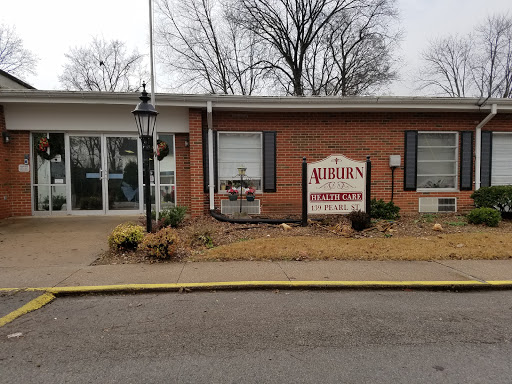
Auburn Health Care in Auburn, KY

Save
Auburn Health Care Auburn Health Care

Auburn Health Care in Auburn, KY

139 Pearl Street, Auburn, KY 42206

For more information about senior living options: (844) 490-3973

3.6 from 11 reviews
5 stars
5
4 stars
3
3 stars
0
2 stars
0
1 stars
3

Skilled Nursing Facility

What level of care are you interested in?

Assisted Living

Memory Care

Independent Living

Skilled Nursing Facility

Continuing Care Retirement Community (CCRC)CCRC

Other


Request a tour at Auburn Health Care

    Overall Review of Auburn Health Care

    Pros

    • pro They take wonderful care of residents with dementia; the staff are loving and caring.
    • pro It feels like home, and the residents love the food.
    • pro The facility provides quality patient care from caring, professional staff.
    • pro Meals taste like homemade, grandma-style cooking, contributing to an at-home atmosphere.
    • pro The staff across nursing, dietary, therapy, and housekeeping are kind and treat residents like family.
    • pro The facility is clean and well-kept, with friendly, helpful staff and engaging activities.

    Cons

    • pro The facility is dirty, dismal, and hopeless, with dirt on the walls and floorboards.
    • pro There was feces in the toilet that stood for three days on the first weekend.
    • pro The mattresses for 80-year-olds are as thin as a dorm mattress, with thin blankets.
    • pro Miss Paige was extremely uncooperative and lied in court to restrict the father's children.
    • pro The family could not talk to their father for several months due to lack of care and communication.
    • pro The legal team would not acknowledge the power of attorney, effectively robbing them of months with their father.
    • pro The facility is alleged to have protected a con artist who spent the father's money instead of paying for his care.
    • pro The staff are described as smart-mouthed, with questions met by eye rolls or smart remarks, and pills found in beds or on the floor; belongings were lost and rooms remained messy for days.
    • pro Understaffing makes mealtimes chaotic and delays assistance for residents who need help eating.

    Review

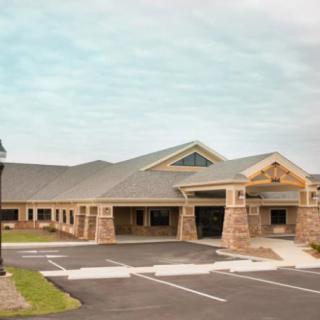
    Auburn Health Care in Auburn, KY is best suited for families that want a small, home-like environment where dementia-focused care can feel personal and compassionate. When residents need genuine warmth from caregivers and meals that feel comforting, this community can deliver a sense of familiarity and belonging. It works best for families that can overlook uneven operational rhythms and are willing to prioritize relational care and daily interactions over flawless administrative performance.

    Those who should consider alternatives are families demanding consistently spotless facilities, meticulous housekeeping, and airtight administrative processes. If strict reliability, predictable staffing, and unambiguous, proactive communication with management are nonnegotiable, another option will likely serve better. Residents with complex financial or guardianship concerns may find the governance and transparency they require elsewhere, given the documented tensions around authority and access in some reviews.

    On the positive side, the strongest ongoing pro is the emotional warmth some staff bring to daily care. Several reviews highlight caregivers who genuinely treat residents like family, create a welcoming meal experience, and maintain a homey feel that resonates with families seeking comfort and dignity in daily living. For residents with dementia, that patient, attentive approach can translate into meaningful moments, reduced agitation, and a sense of safety within a familiar routine. When these interpersonal strengths align, they offset a portion of the stress that accompanies placement in a community with staffing pressures.

    Yet the major cons clearly pull back on the overall value proposition. Understaffing surfaces repeatedly as a central problem, translating into slow assistance during meals, delays in care, and visible lapses in routine safety practices. Hygiene and maintenance concerns recur, including complaints about cleanliness, clutter, and the appearance of neglect in some rooms or common areas. Administrative failures and strained family communications also appear in multiple accounts, with at least one high-stakes local dispute centered on timely access to a resident and questions about how financial matters were handled. In short, even if some staff are excellent, the combination of limited bandwidth and administrative friction undermines the consistency families expect.

    Safety and reliability concerns are not peripheral but foundational. Observations about medications not being administered properly, personal items getting lost, laundry mishaps, and rooms that feel unsettled due to housekeeping gaps are not trivial - they directly affect daily well-being and peace of mind. Parking, crowding, and busy hallways compound the sense that the facility can be overstretched at peak times. When concerns arise about whether the right procedures are followed and whether residents receive prompt, respectful attention to questions, it becomes reasonable to look closely at monitoring, staffing ratios, and the quality controls that protect residents' day-to-day dignity.

    For families evaluating options, the prudent move is to insist on tangible, verifiable evidence of consistency in care. Request current nurse-to-resident ratios, a transparent outline of meal-time assistance procedures, and an audit of recent housekeeping and laundry results. Visit during peak hours to observe how staff respond to questions, how quickly needs are met, and whether residents appear clean, comfortable, and engaged. Ask for a detailed explanation of how guardianship and POA matters are handled, and seek references from families with similar care profiles who can speak to both the strengths and the operational challenges.

    The bottom line is that Auburn Health Care presents a mixed proposition. It can be a fit for families who prize a genuine, home-like atmosphere and dependable dementia-focused caregiving, provided the administrative and hygiene concerns are acknowledged and weighed. For those whose priorities include unassailable cleanliness, uninterrupted access to management, and consistently well-staffed shifts, alternatives deserve serious consideration. The decision should hinge on what matters most: consistent safety and reliability, or the ability to cultivate a warm, person-centered daily experience within a familiar, comforting setting.

    Features

    Housing

    • 66 resident community capacity 66 resident community capacity

    Types of Care

    • Skilled Nursing Facility Skilled Nursing FacilitySkilled Nursing Facilities are crucial for seniors as they provide round-the-clock medical care, rehabilitation services, and assistance with daily activities. These facilities ensure that seniors receive the specialized care they need to maintain their health and well-being as they age.

    Amenities

    • Air-conditioning Air-conditioningAir conditioning is important for seniors as they are more vulnerable to heat-related illnesses and may have underlying health conditions that make it difficult for them to regulate their body temperature. It helps to keep them comfortable, safe, and healthy in hot weather.
    • Beauty salon Beauty salonBeauty salons are important for seniors because they provide a space for them to feel pampered, socialize, and maintain their personal grooming and hygiene. Regular visits to a beauty salon can help boost seniors' self-esteem and overall well-being.
    • Cable or satellite TV Cable or satellite TVCable or satellite TV is important for seniors because it provides entertainment, news, and companionship, helping to combat loneliness and boredom. It also offers a wide range of programming options tailored to different interests and preferences.
    • Computer center Computer centerA computer center is essential for seniors as it provides access to technology, communication tools, and resources that can enhance their daily lives. It allows them to stay connected with loved ones, engage in online activities, and learn new skills, ultimately promoting socialization and mental stimulation.
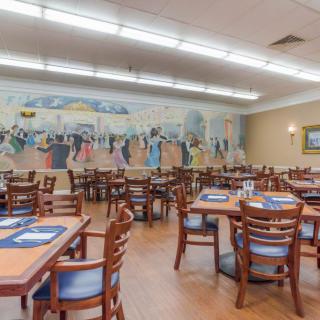
    • Dining room Dining roomDining rooms are important for seniors as they provide a space for socialization, connection, and nutritious meals. They offer opportunities for residents to bond over shared meals, foster a sense of community, and promote healthy eating habits. Dining rooms also ensure that seniors have access to well-balanced meals tailored to their dietary needs and preferences.
    • Fitness room Fitness roomHaving a fitness room in a senior living community is essential for seniors to stay active, maintain their physical health, and improve their overall well-being. Regular exercise can help prevent falls, reduce the risk of chronic diseases, and promote mental sharpness. It also provides social opportunities for residents to connect with others and enjoy a sense of community.
    • Fully furnished Fully furnishedFully furnished senior living communities are important for seniors because they provide convenience, comfort, and a hassle-free moving experience. Seniors can easily settle into their new living space without the stress of having to buy and move furniture. This allows them to focus on enjoying their new home and community.
    • Gaming room Gaming roomGaming rooms are important for seniors as they provide a fun and engaging environment for socializing, cognitive stimulation, and physical activity. Games can improve memory, problem-solving skills, and overall mental well-being while fostering friendships and reducing feelings of isolation.
    • Garden GardenGardens are important for seniors as they provide a peaceful and therapeutic environment for relaxation, physical activity, and socialization. Being in nature has been shown to reduce stress, improve mood, and promote overall well-being. Gardens also offer opportunities for seniors to engage in gardening activities, which can improve mobility, flexibility, and cognitive function. Additionally, gardens create a sense of community and connection with others who share a passion for plants and outdoor spaces.
    • Housekeeping services Housekeeping servicesHousekeeping services are important for seniors because they help maintain a clean and safe living environment, promote independence, and reduce the risk of accidents or illnesses. Additionally, having assistance with household chores can alleviate physical strain and allow seniors to focus on other aspects of their well-being.
    • Kitchenette KitchenetteKitchenettes are important for seniors living in senior living communities because they provide the convenience and independence of being able to prepare simple meals and snacks in the comfort of their own living space. This can help promote a sense of autonomy and well-being for seniors, allowing them to maintain some level of control over their dietary choices and daily routines.
    • Move-in coordination Move-in coordinationMove-in coordination is important for seniors because it helps ease the transition into their new living environment. It ensures that all logistics, such as packing, organizing movers, and setting up utilities are taken care of, allowing seniors to focus on settling in and adjusting to their new home. Having a smooth move-in process can alleviate stress and anxiety, making the transition smoother and more enjoyable for seniors.
    • Outdoor space Outdoor spaceOutdoor spaces are important for seniors as they provide opportunities for physical activity, social interaction, exposure to natural light and fresh air, and a sense of connection to nature. Having access to outdoor spaces can improve overall well-being and quality of life for older adults living in senior communities.
    • Private bathrooms Private bathroomsPrivate bathrooms are important for seniors in senior living communities because they provide independence, dignity, and comfort. Having a private bathroom allows seniors to maintain their personal hygiene routines without the need for assistance, promoting a sense of autonomy and privacy. Additionally, private bathrooms help prevent the spread of infections and provide a safe and clean environment for seniors to navigate safely.
    • Restaurant-style dining Restaurant-style diningRestaurant-style dining is important for seniors because it allows them to enjoy delicious, nutritious meals in a social and upscale setting. This enhances their dining experience, promotes healthy eating habits, and fosters socialization with fellow residents, ultimately contributing to their overall well-being and quality of life.
    • Small library Small librarySmall libraries are important for seniors as they provide access to a variety of reading materials, including books, newspapers, and magazines. This can help stimulate their minds, keep them engaged, and provide a sense of community through book clubs and other social activities. Additionally, reading has been shown to improve cognitive function and overall mental well-being in older adults.
    • Telephone TelephoneTelephones are important for seniors as they provide a lifeline for communication with loved ones, emergency services, and healthcare providers. They offer a sense of security and independence, enabling seniors to stay connected and access assistance when needed.
    • Wellness center Wellness centerWellness centers are important for seniors because they offer a variety of programs and services that promote physical, mental, and emotional well-being. These centers provide opportunities for exercise, socialization, education, and relaxation, helping seniors maintain their overall health and quality of life.
    • Wi-Fi/high-speed internet available Wi-Fi/high-speed internet availableWi-Fi/high-speed internet is important for seniors to stay connected with loved ones, access online resources, and participate in virtual activities to combat feelings of loneliness and isolation. It also allows them to easily manage healthcare needs, access entertainment, and engage in lifelong learning opportunities.

    Transportation

    • Community operated transportation Community operated transportationCommunity operated transportation is crucial for seniors as it provides them with the means to access essential services, social activities, and medical appointments. It allows seniors to maintain their independence and quality of life by ensuring they can participate in activities outside of their homes. Additionally, community-operated transportation services offer a safe and reliable way for seniors to travel without having to rely on family or friends for assistance.
    • Transportation arrangement Transportation arrangementTransportation arrangements are crucial for seniors as they may face challenges with driving, mobility, or access to public transportation. Having reliable transportation services ensures that seniors can easily attend appointments, social activities, and maintain their independence and quality of life.
    • Transportation arrangement (non-medical) Transportation arrangement (non-medical)Transportation arrangements are essential for seniors as they provide access to essential services, activities, and social interactions outside the home. This service helps maintain independence, mobility, and overall well-being for seniors who may have limited transportation options.
    • Transportation to doctors appointments Transportation to doctors appointmentsTransportation to doctors appointments is crucial for seniors as it ensures they have access to necessary medical care and support, promoting their health and well-being. It allows them to receive timely treatment, monitor existing conditions, and address any new health concerns efficiently. Additionally, transportation services can help seniors maintain their independence and quality of life by enabling them to stay connected with their healthcare providers.

    Care Services

    • 12-16 hour nursing 12-16 hour nursing12-16 hour nursing care is crucial for seniors in order to ensure around-the-clock monitoring, timely medication administration, and prompt response to any health concerns or emergencies. This level of care helps to promote the overall well-being and safety of seniors living in senior living communities.
    • 24-hour call system 24-hour call system24-hour call systems are important for seniors because they provide peace of mind and immediate assistance in case of emergencies. This technology ensures that help is always available, promoting safety and security for elderly individuals living alone or in assisted living facilities.
    • 24-hour supervision 24-hour supervision24-hour supervision is important for seniors to ensure their safety, well-being, and access to immediate assistance in case of emergencies or health issues. This constant support provides peace of mind for both seniors and their loved ones, allowing them to age in place with dignity and security.
    • Activities of daily living assistance Activities of daily living assistanceActivities of daily living assistance are important for seniors because they provide essential support with tasks such as eating, bathing, dressing, and mobility. This assistance helps seniors maintain their independence, dignity, and overall quality of life as they age.
    • Assistance with bathing Assistance with bathingAssistance with bathing is crucial for seniors as it helps maintain personal hygiene, prevents infections, and ensures their overall well-being and comfort. It also provides a sense of dignity and independence for seniors who may struggle with this task on their own.
    • Assistance with dressing Assistance with dressingAssistance with dressing is important for seniors because it helps maintain their independence, promotes personal hygiene, prevents accidents and injuries, and improves overall quality of life. This service ensures that seniors can continue to dress comfortably and confidently, despite any physical limitations they may have.
    • Assistance with transfers Assistance with transfersAssistance with transfers is crucial for seniors as it helps prevent falls and injuries, maintains their independence, and ensures they can safely navigate their living environment. It also provides peace of mind for both seniors and their loved ones.
    • Diabetes diet Diabetes dietA diabetes diet is crucial for seniors as it helps manage blood sugar levels, reduce risks of complications, and improve overall health and well-being. By following a balanced and nutritious diet tailored to their specific needs, seniors can better control their diabetes and enhance their quality of life.
    • Meal preparation and service Meal preparation and serviceMeal preparation and service are crucial for seniors as they may have limited mobility or energy to cook nutritious meals. Having access to healthy and convenient food options can ensure they are getting the proper nutrition needed to maintain their overall health and well-being.
    • Medication management Medication managementMedication management is crucial for seniors to ensure they are taking the right medications at the correct dosages and times. This helps prevent adverse drug interactions, reduces the risk of medication errors, and promotes overall health and well-being. Proactive management also allows for adjustments as needed based on changing health conditions or new prescriptions.
    • Mental wellness program Mental wellness programMental wellness programs are essential for seniors as they promote cognitive stimulation, emotional support, and social engagement. These programs help prevent isolation, depression, and cognitive decline, ultimately enhancing the overall quality of life for older adults.
    • Special dietary restrictions Special dietary restrictionsSpecial dietary restrictions are important for seniors because age-related changes in metabolism and health conditions can make it difficult for their bodies to process certain foods. By following a diet tailored to their specific needs, seniors can maintain their overall health and well-being, manage chronic conditions, and reduce the risk of complications such as malnutrition or food interactions with medications.

    Dining

    • Diabetes diet Diabetes dietA diabetes diet is crucial for seniors as it helps manage blood sugar levels, reduce risks of complications, and improve overall health and well-being. By following a balanced and nutritious diet tailored to their specific needs, seniors can better control their diabetes and enhance their quality of life.
    • Special dietary restrictions Special dietary restrictionsSpecial dietary restrictions are important for seniors because age-related changes in metabolism and health conditions can make it difficult for their bodies to process certain foods. By following a diet tailored to their specific needs, seniors can maintain their overall health and well-being, manage chronic conditions, and reduce the risk of complications such as malnutrition or food interactions with medications.

    Activities

    • Community-sponsored activities Community-sponsored activitiesCommunity-sponsored activities are important for seniors as they provide opportunities for social interaction, mental stimulation, and physical activity. These activities can help improve overall well-being, combat loneliness and isolation, and promote a sense of belonging and purpose among older adults.
    • Concierge services Concierge servicesConcierge services are essential for seniors as they provide assistance with daily tasks and errands, enhance their quality of life by offering convenience and personalized care, and promote a sense of safety and security.
    • Fitness programs Fitness programsFitness programs are crucial for seniors as they help improve strength, flexibility, balance, and overall well-being. Staying active can reduce the risk of chronic diseases, improve mental health, and enhance quality of life in older adults.
    • Planned day trips Planned day tripsPlanned day trips are important for seniors because they offer opportunities for socialization, mental stimulation, and physical activity. They provide a change of scenery and help seniors stay engaged and connected to their community, promoting overall well-being and quality of life.
    • Resident-run activities Resident-run activitiesResident-run activities are important for seniors as they encourage social interaction, creativity, and a sense of autonomy. These activities empower seniors to stay engaged and active in their community while fostering meaningful connections with their peers.
    • Scheduled daily activities Scheduled daily activitiesScheduled daily activities are important for seniors because they provide structure, socialization, mental stimulation, and physical activity. Engaging in regular activities can improve overall well-being and quality of life for seniors living in a community setting.

    Description

    The Auburn Health Care in Auburn, KY, is a vibrant and well-equipped assisted living community that offers a wide range of amenities and care services to its residents. The community boasts a beauty salon where residents can indulge in pampering themselves, as well as Cable or satellite TV for their entertainment needs. Community operated transportation ensures that residents have easy access to nearby destinations, such as shopping centers or recreational activities.

    To cater to the technological needs of its residents, Auburn Health Care provides a computer center with Wi-Fi/high-speed internet. A dining room with restaurant-style dining allows residents to enjoy delicious meals prepared by the skilled staff. Additionally, there is also a fitness room for those who wish to maintain an active lifestyle.

    The assisted living apartments are fully furnished and come with private bathrooms and kitchenettes. Housekeeping services are provided to ensure cleanliness and tidiness. Move-in coordination is available for new residents, making the transition smooth and hassle-free.

    Auburn Health Care also focuses on providing comprehensive care services to meet the individual needs of its residents. There is 24-hour call system and supervision for added safety and peace of mind. Trained staff members are available to provide assistance with activities of daily living such as bathing, dressing, and transfers.

    For those with special dietary requirements or restrictions, the community offers diabetes diet management and caters to special dietary restrictions for meals. Medication management services are also provided to ensure residents take their medications properly.

    In terms of recreational activities, Auburn Health Care offers various options such as concierge services, fitness programs, planned day trips, resident-run activities, and scheduled daily activities. This ensures that residents can engage in fulfilling experiences while staying socially connected within the community.

    Conveniently located nearby are pharmacies, physicians' offices, and restaurants providing easy access to necessary healthcare services and dining options.

    Overall, Auburn Health Care provides a comfortable and enriching assisted living environment where seniors can receive personalized care while maintaining independence and enjoying a vibrant community lifestyle.

    Nearby Places of Interest

    This part of Auburn, Kentucky offers a variety of amenities that may be appealing for seniors looking to settle in the area. With several physicians, pharmacies, and a hospital nearby, medical care is easily accessible. There are also options for dining out at local restaurants and cafes, as well as places of worship for spiritual needs. The presence of parks and recreation facilities provides opportunities for outdoor activities and social engagement. Additionally, transportation services are available for convenience. Overall, this area seems to offer a mix of essential services and recreational options that may suit the needs and interests of seniors looking to make Auburn their home.

    Physicians

    • Staples Health Clinic (0.1 miles)
    • Western Ky Orthopaedic Assoc (9.9 miles)
    • Kamal Singh MD (10 miles)
    • Logan Specialty Clinic (10 miles)
    • Logan Orthopaedics & Sports Medicine (10 miles)
    • Johnson Stacy - Singh Medical Associates (10.1 miles)
    • Logan Pediatrics (11.5 miles)

    Pharmacies

    • Heartland Family Pharmacy (0.3 miles)
    • Riley-White Drugs (9.9 miles)
    • Medicine Shoppe Pharmacy (9.9 miles)
    • Epic Pharmacies (9.9 miles)
    • Walgreens (10.1 miles)
    • Sheldons Express Pharm (10.7 miles)
    • Yates Pharmacy (10.8 miles)

    Restaurants

    • Sol Azteca Mexican Restaurant (0.3 miles)
    • Hot Plate (9.7 miles)
    • Hot Plate (9.8 miles)
    • Slappyz Pizza & Subs (9.9 miles)
    • Captain D's (9.9 miles)
    • Taco Bell (9.9 miles)
    • Granny's Kitchen (10 miles)

    Places of Worship

    • Rockcastle Church (5.1 miles)
    • Plainview General Baptist Church (5.6 miles)
    • Christian Life Assembly Of God (5.9 miles)
    • Oak Grove Baptist Church (7.4 miles)
    • Sycamore Liberty Missionary Baptist Church (8.2 miles)
    • Fellowship Church of Christ (9.3 miles)
    • United Pentecostal Church (9.3 miles)

    Transportation

    • Yellow Cab (9.5 miles)
    • Alamo (13.9 miles)
    • Lee's Taxidermy (13.9 miles)

    Cafes

    • The Flying Pig Coffee Shoppe (9.8 miles)
    • Melissa's Country Cafe (10.3 miles)
    • Best Donuts (12.3 miles)

    Parks

    • Russellville Parks & Rec Department (9.9 miles)
    • Russellville Recreation Center (9.9 miles)
    • Jim Roberts Community Park (13 miles)

    Hospitals

    • Logan Memorial Hospital (10 miles)
    • The Medical Center At Franklin (13.6 miles)

    Frequently Asked Questions

    Where is Auburn Health Care?

    Nearby Communities

    • Miller Family Care Home

      Miller Family Care Home

      Auburn, KY


      pro Small, homelike setting with attentive, personalized care.

    • Russellville Health Care Manor

      Russellville Health Care Manor

      Russellville, KY


      pro Close access to dining, healthcare, parks, worship, and transportation.

    • Lewis Memorial Home

      Lewis Memorial Home

      Franklin, KY

      4.3 from 22 reviews
      $1,500 / month

      pro Friendly staff and a welcoming atmosphere with engaging on-site activities.

    • Hometown Manor Of Russellville

      Hometown Manor Of Russellville

      Russellville, KY

      4.8 from 4 reviews
       

      pro Caring, attentive staff in a small, homelike setting with homemade meals and a pet-friendly policy.

    • Creekwood Place Nursing & Rehab Center

      Creekwood Place Nursing & Rehab Center

      Russellville, KY


      pro Extensive amenities and comprehensive care.

    • Lewis Memorial

      Lewis Memorial

      Franklin, KY


      pro Fully furnished with meals, housekeeping, 24-hour care, and move-in support.

    • Massey Springs Senior Living

      Massey Springs Senior Living

      Bowling Green, KY

      4.9 from 12 reviews
       

      pro Well-maintained environment with attentive staff and engaging activities.

    • Village Manor

      Village Manor

      Bowling Green, KY

      3.9 from 39 reviews
      $3,248 to $5,000 / month

      pro Friendly staff; clean, welcoming environment; engaging activities; and room personalization.

    • Charter Senior Living of Bowling Green

      Charter Senior Living of Bowling Green

      Bowling Green, KY

      4.6 from 113 reviews
      $2,600 to $3,500 / month

      pro Kind, attentive staff with a lively, engaged community and on-site activities/dining.

    Skilled Nursing Facility in Nearby Cities

    Related Resources

    • weight training for seniorsWeight Training for Seniors: Building Strength and Vitality

      Weight training is vital for seniors to maintain muscle mass, bone density, and overall health, combating age-related declines through customized resistance exercises that enhance balance and well-being. Safe routines should start with realistic goals and proper form, while emphasizing gradual progress and consultations with healthcare providers to ensure safety and effectiveness.

    • what does the sandwich generation meanUnderstanding the Sandwich Generation: Stress and Responsibilities for Multigenerational Caregivers

      The Sandwich Generation comprises adults managing the dual responsibilities of caring for aging parents and raising children, leading to significant emotional, logistical, and financial challenges. This situation is exacerbated by longer life expectancies and cultural expectations, necessitating effective coping strategies and support resources to alleviate caregiver stress and burnout.

    • assistive devices for elderly8 Essential Assistive Devices for Older Adults

      The article highlights eight essential assistive devices that improve the independence and safety of older adults, addressing issues related to mobility, balance, vision, hearing, and dexterity. It emphasizes the importance of proper selection guided by healthcare professionals to enhance seniors' quality of life while allowing them to age in place.


    Get Pricing Ask A Question Schedule A Tour Contact Senior Advisor