

500 US Highway 41A N, Providence, KY 42450
To contact a resident: (502) 491-3695
For more information about senior living options: (866) 208-4318
Overall Review of Palmer Place
Pros
 Palmer Place takes very good care of its residents.
- The staff at Palmer Place are great and friendly.
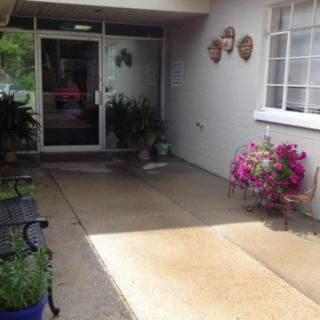
- The facility is clean, welcoming, and well maintained.
- Meals at Palmer Place are homemade and well prepared for residents.
- Residents are content and their moods are stable under care.
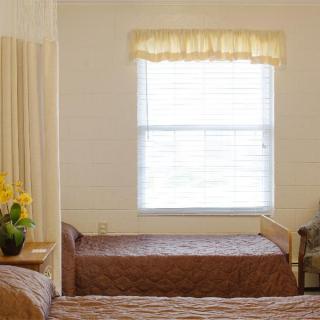
- Rooms are spacious and can be personalized with residents' own furnishings.
- The staff provide essential services like laundry and medication management.
- The facility offers varied daily activities and supports independence in a safe environment.
Cons
 The staff is great but the facility is chronically short-staffed.
- The food has declined over the years, and residents mostly get sandwiches with no meal choices.
- The manager is never there, the food is getting worse, and the facility floods.
- Mold could be deadly to the elderly, and the building should be brought up to code.
- The rooms are very small, about the size of two large walk-in closets.
- For what they pay, the facility should be clean, dry, and offer 5-star meals.
Review
Palmer Place in Providence, KY is best suited for seniors who want a dependable, home-like setting where daily care and visible oversight are the cornerstones of living. The community earns trust from families who seek reassurance through hands-on attention: regular meals prepared on site, laundry and housekeeping handled, medications administered, and a living environment that feels consistently clean and welcoming. It works especially well for residents who prefer stability over novelty and for relatives who need confidence that a loved one is being looked after with warmth and regular check-ins. In short, Palmer Place thrives as a long-term home where safety, routine, and genuine staff care are the primary drivers of daily life.
Those weighing alternatives should consider whether room size, dining variety, and a more polished, modern ambiance matter enough to look elsewhere. Several reviews flag concerns that will matter to some families: the room space can feel cramped, and the dining program has not kept pace for all residents, with limited menu variety and noticeable fluctuations in food quality. Management presence also emerges as a factor for consideration, with some families feeling the leadership is intermittently available. For families prioritizing abundant, restaurant-like meals, or a facility with consistently visible on-site leadership and newer infrastructure, Palmer Place may fall short of expectations. It’s wise to compare how other communities balance dining menus, room dimensions, and hands-on management before deciding.
On the upside, Palmer Place earns strong marks for the core caregiving relationship. Residents are described as well cared for, with staff described as professional, friendly, and genuinely engaged. The model of care includes assistance with daily living tasks, three homemade meals, laundry, and medication management, all delivered in a setting that residents and families often describe as clean and welcoming. For a loved one who benefits from frequent staff contact and reassurance, the environment creates a sense of security, with families noting mood stabilization and contentment as a direct outcome of attentive daily oversight. The ability to preserve independence within a safe framework also helps residents maintain dignity while receiving needed assistance.
Yet the main drawbacks are real enough to require careful weighing. Short-staffing in some shifts, coupled with reported declines in food quality over time and fewer dining options, can limit satisfaction for residents who crave variety or more robust service in the dining room. Structural concerns appear in some reviews, including flooding and mold-related worries, which raise questions about ongoing maintenance and long-term resilience. The perception that management is not consistently on-site can amplify these worries for families seeking proactive problem resolution or rapid response to issues. And while many rooms are adequate, several comments highlight the limited footprint of living spaces, which can feel constraining for residents accustomed to larger accommodations or those who entertain visitors frequently.
Despite these tensions, the pros can outweigh the cons for the right resident and family dynamic. The strongest offset comes from dependable daily care and predictable routines that reduce stress for both seniors and caregivers. A stable staff culture, respectful interactions, and a facility-wide emphasis on safety create a foundation where mood and overall well-being can improve, especially for residents who value consistent oversight over the lure of flashier amenities. The sizable, well-used dining area is a practical perk, and the option to use a car for outings, paired with the general accessibility, adds a level of autonomy that some families prize. For residents with dementia-related needs or fluctuations in cognitive health, the observed stability and regular monitoring can be a substantial relief to relatives who cannot be present around the clock.
For families moving forward, concrete questions can illuminate fit. Inquire about current staff-to-resident ratios on each shift, and how often a supervisor or manager is on-site each week. Ask for specifics about menu rotation, kitchen staffing, and any plans to elevate dining options or address dietary restrictions. Probe maintenance history and any ongoing remediation plans for past flood or mold concerns, with a clear timetable for improvements. Finally, assess whether memory care support is available on-site or through a partner program, and how transitions are managed if a loved one’s care needs intensify. Palmer Place stands out as a practical, compassionate option for long-term care, best for residents who prize reliable caregiving, safety, and a warm, home-like atmosphere over grand amenities or cutting-edge facilities.
 Assisted Living
 Activities on-site
 Devotional services off-site
 Indoor common areas
 Ambulatory care
 Diabetic care
 Meals provided





 Senior Transition Services: Understanding Their Role, Cost, and Importance
 Exploring the Path to Senior Living: A Comprehensive Look at Independent Living and Assisted Living
 Is Assisted Living Deductible on Your Taxes? Understanding the Complexities of Assisted Living Expenses and Deductions