
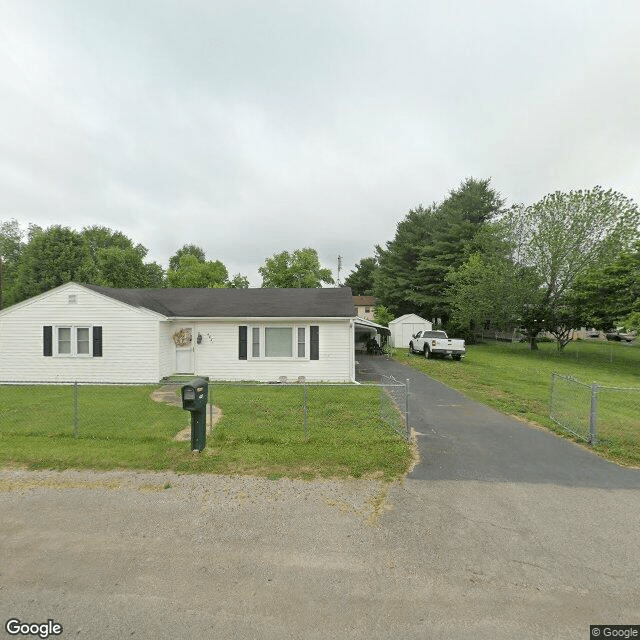
4245 Hustonville Road, Danville, KY 40422
To contact a resident: (859) 854-9253
For more information about senior living options: (866) 208-4318
Northtown Senior Costs & Pricing
Northtown Senior offers competitive monthly rates for its accommodations, significantly lower than both Lincoln County and the wider state of Kentucky. For a one-bedroom unit, residents at Northtown Senior can expect to pay just $584, a stark contrast to the average costs of $3,703 in Lincoln County and $3,458 across Kentucky. Similarly, the two-bedroom option at Northtown is priced at $620, while the typical costs jump to $3,446 in Lincoln County and $3,702 statewide. This pricing structure makes Northtown Senior an attractive choice for individuals seeking affordable senior living without sacrificing quality or community engagement.
| Floor plans | Northtown Senior | Lincoln County | Kentucky |
|---|---|---|---|
| 1 Bedroom | $584 | $3,703 | $3,458 |
| 2 Bedrooms | $620 | $3,446 | $3,702 |
Senior living communities with a similar price nearby
-
from -$49 / mo
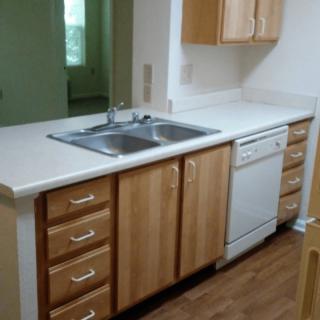
Creekside Senior Apartments
$535 to $635 / month23.6 miles away
Overall Review of Northtown Senior
Pros
 They are grateful to God for protecting them from that mess.
Cons
 The place was described as a total mess.
- Neighbors were described as thieves and very rude.
- The landlord was said to be unable to do their job.
- Mold under the sink was reported and no action was taken.
- Washers and dryers don’t work.
- The toilet has been broken for almost a month, as has the door; promised repairs were never completed.
- Kelly is accused of caring only about money, not fixing issues, and responding quickly only when rent is not paid.
Review
Northtown Senior in Danville, KY is best suited for budget‑driven seniors who want straightforward, independent living and can tolerate uneven maintenance and a hands‑off approach from management. This is a place where affordability and a simple, no‑frills setup can be the key appeal, provided the resident understands that service levels are not guaranteed and repairs may be slow or incomplete. For someone who prioritizes cost savings over polished upkeep or proactive problem‑solving, the community can function as a practical, if imperfect, housing option.
Those who should seriously consider alternatives are individuals who require consistently reliable maintenance, clean and safe living conditions, and a responsive landlord or property manager. The most alarming flags in the available accounts include repeated maintenance failures, mold under sinks, and long‑standing outages like broken toilets and doors. Add in nonfunctional washers and dryers and a perception that money concerns drive the management’s responsiveness, and the case for looking elsewhere becomes strong. If peaceful, well‑maintained surroundings and prompt fixes are nonnegotiable, this isn’t the right fit.
There are three five‑star ratings among six reviews, which signals that a segment of residents perceived value in the community despite the downsides. Those endorsements hint at some positive elements, perhaps a sense of community or basic affordability, that certain residents appreciated. However, the lack of detail in these favorable notes makes it too easy to overlook the pattern of serious maintenance gaps and resident discomfort described by other residents. In practical terms, the favorable feedback is not a robust counterweight to the recurring problems documented by multiple reviewers.
The core drawbacks are concrete and consequential. Mold under the sink points to moisture control and sanitation risks; unresolved plumbing issues, a toilet left broken for weeks, and a door that remains inoperable create direct safety and daily living challenges. Laundry facilities that don’t work compound the frustration for residents who rely on in‑unit or on‑site machines. The perception that the landlord focuses on rent collection while neglecting repairs compounds distrust and erodes confidence in long‑term residency. When such maintenance failures align with reports of unresponsive staff, the overall living experience shifts from acceptable risk to a consistently unsettled one.
In weighing the limited positives against the substantive cons, the math does not favor a confident recommendation. Prospects who can tolerate ongoing maintenance glitches, potential safety concerns, and a management style focused on financials rather than resident well‑being will find Northtown offers a reachable, low‑cost option. For everyone else, the case for alternatives becomes persuasive: look for communities with documented maintenance histories, prompt repair commitments, and stronger resident protections. Practical steps include touring with a checklist, requesting a written maintenance response plan, speaking with current residents about repair timelines, and verifying recent turnover and complaint resolution records. The decision should hinge on whether affordability truly supersedes consistent quality of life and safety.
The takeaway is clear. Northtown Senior is a viable choice only for those who can weather maintenance delays and limited management responsiveness without expecting swift fixes or pristine conditions. If a reliable apartment experience with clean facilities and proactive problem‑solving is nonnegotiable, explore other Danville options first. Families and seniors who value peace of mind, clear repair commitments, and safer, better‑maintained environments should explicitly seek alternatives and reserve Northtown as a last‑resort fallback rather than a first choice.
 Active Adult Communities (55+)



 Weight Training for Seniors: Building Strength and Vitality
 Understanding the Sandwich Generation: Stress and Responsibilities for Multigenerational Caregivers
 8 Essential Assistive Devices for Older Adults