
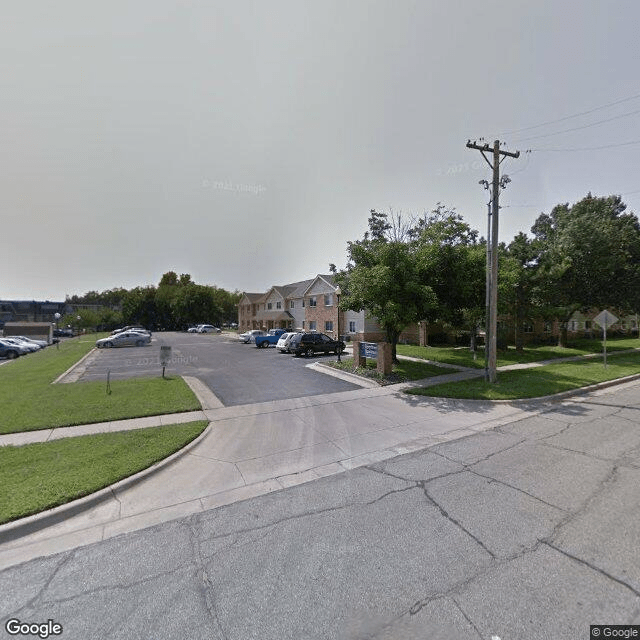
1555 W 23rd St N, Wichita, KS 67204
To contact a resident: (316) 838-1952
For more information about senior living options: (866) 208-4318
Overall Review of Riverfront Residences
Pros
 The units are spacious.
- The rent is the most reasonable for the size and extras.
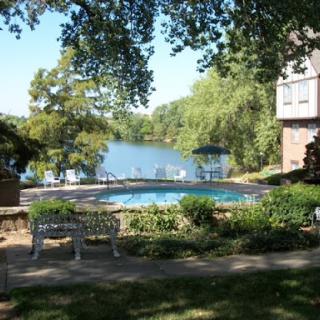
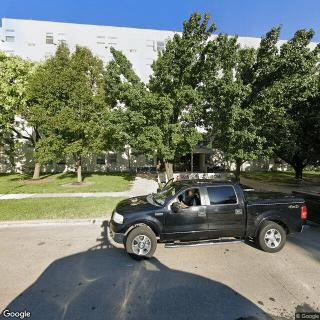
- The huge back yard that slopes down through a small forest to the river is a standout feature of the property.
- The gazebo, flower beds, and a large circular planting area with a birdbath enhance the outdoor space.
- Flowers, fruits, and vegetables are planted, tended, and picked by volunteer residents, ending up on dining room tables.
- The management and maintenance team is top notch and keeps the residence in excellent condition.
- Mennonite Housing built and manages the complex and does a great job.
- The apartments are spacious and clean, and the on-site manager keeps an eye on the residents.
- There is a library with computers, a community room, scheduled activities, and a nicely landscaped courtyard.
- The property offers great opportunities for social connections, with lots of lunches and group walks.
- Rent is very reasonable.
Cons
 The staff member was rude to the delivery driver.
- The employee snapped at the driver and berated them over a minor parking issue.
- This behavior suggests residents may be disserved when staff verbally attack service providers.
- Such treatment could deter future deliveries or extra assistance to residents.
Review
Riverfront Residences is best suited for independent seniors who want a comfortable, social, budget-conscious lifestyle in a well-managed setting along Wichita’s riverfront. The community favors residents who value space and engagement over high-end amenities or medical services. Spacious apartments, a generous outdoor environment with a river-adjacent backyard, and a strong sense of local stewardship all point to a lifestyle built around self-sufficiency and regular social activity. Those ready to participate in garden projects, group meals, and resident-led gatherings will find this setting responsive and welcoming, supported by an on-site manager and a maintenance team that keeps things reliably functional.
That said, this property is not a fit for everyone. Prospective residents who need consistent hands-on care, daily medical assistance, or memory-care supports should look elsewhere, as the focus here is clearly independent living. The age of the building can translate into wear and tear that requires patience and ongoing maintenance attention. And while the Mennonite Housing legacy brings reliability, the waitlist for apartments can be lengthy, limiting timely access for those in urgent need of a move. Families should plan for a potentially extended search if a timely placement is a priority.
The strongest positives center on value and social capital. The units are spacious, with rent described as very reasonable for the size and the extras included. The property’s hallmark environmental features, a large, scenic yard sloping toward the river, a gazebo, flower beds, and a vegetable garden tended by volunteers, create a tangible, ongoing sense of community and routines around shared projects and meals. On-site amenities, library with computers, a community room, and scheduled activities, nurture social connections and provide practical resources for staying active, which can significantly offset the isolation that sometimes comes with aging in place.
Yet the most visible drawbacks come from mixed experiences with staff and accessibility issues. A single negative encounter, staffer-driven tension around a delivery vehicle in a designated five-minute zone, illustrates how interpersonal friction can color impressions of the entire experience. Such interactions matter because they influence how easily outside services and volunteers can support residents. Add in the aging physical plant and a waitlist for apartments, and it’s clear that some families will weigh these limitations against the benefits of garden-centered community life and modest rent. The variability in day-to-day service quality is enough to be a deciding factor for households prioritizing seamless support.
When the pros align with a family’s priorities, Riverfront Residences can offset its cons through deliberate, proactive engagement. The on-site management and dependable maintenance team help keep facilities functional and welcoming, which matters as the building ages. The garden, gazebo, and the volunteer-driven landscape create recurring opportunities for involvement and daily structure, elements that reduce the risk of social isolation. The relatively low rent for a spacious unit plus robust social programming can deliver a strong quality-of-life return, particularly for residents who value autonomy and community over luxury.
For families weighing options, the practical path is clear: assess how critical independence and social integration are against the realities of an aging building, potential wait times, and occasional service misalignments. Riverfront Residences excels for residents who want space, reasonable costs, and an active, volunteer-infused community near the river. It’s less compelling for those needing immediate care, predictable staff interactions, or modern, barrier-free updates. Tours should focus on current unit conditions, the efficiency of the on-site manager, and the cadence of activities that match personal routines. Ask about parking logistics, delivery access, and the current waitlist status to set realistic timelines.
For families pursuing alternatives, consider options in Wichita that offer higher levels of on-site care, shorter move timelines, or more modern facilities. If the priority is robust daily support, explore communities with established memory-care or assisted-living services. If the mission is to stay active in a tight-knit, volunteer-driven environment with garden-to-table lifestyle, Riverfront Residences remains a practical, cost-conscious choice, provided there is alignment with expectations around building age, staff consistency, and admission timing. In the right circumstances, it delivers meaningful, community-centered living with evident pride in its management and landscape.
 Board and Care Home
 Wichita Mid-Continent (7 miles away)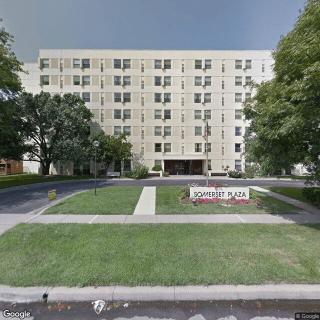

 Recognizing the Journey: Understanding and Navigating Anticipatory Grief
 Encouraging Participation in Adult Day Care: A Guide to Supporting a Hesitant Parent
 Comprehensive Exploration of Living Wills and Other Advance Directives