
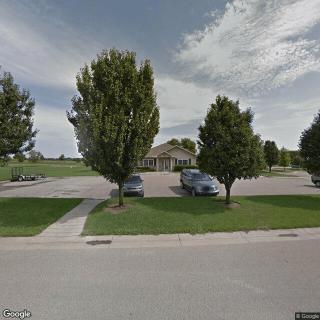
623 South Maize Ct, Wichita, KS 67209
For more information about senior living options: (866) 208-4318
Reflection Living Maize Court 1 Costs & Pricing
Reflection Living Maize Court 1 offers competitive pricing for its accommodations, with monthly costs reflecting the quality of care and living experience provided. For private rooms, the cost is set at $6,180, which exceeds both the Sedgwick County average of $5,320 and the Kansas state average of $5,137. Similarly, studio units are priced at $6,180 as well - significantly higher than local and state averages of $4,121 and $4,094 respectively. While these costs may be above the regional norms, they likely reflect Reflection Living's commitment to premium services and amenities aimed at enhancing residents' quality of life.
| Floor plans | Reflection Living Maize Court 1 | Sedgwick County | Kansas |
|---|---|---|---|
| Private | $6,180 | $5,320 | $5,137 |
| Studio | $6,180 | $4,121 | $4,094 |
Memory care communities with a similar price nearby
-
About the same

Reflection Living Maize Court 3
$6,180 / month0.0 miles away -
About the same
Reflection Living Maize Court 2
$6,180 / month0.1 miles away -
About the same
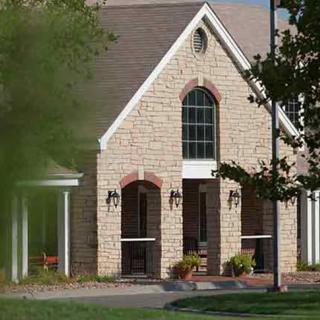
Ascension Living Via Christi Village - Broadmoor
$6,185 / month11.9 miles away -
from -$1180 / mo
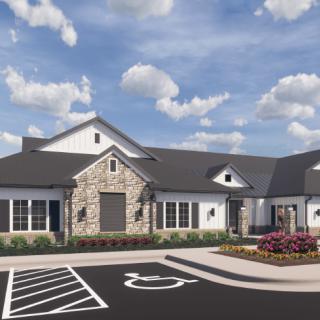
Comfort and Love Wichita
$5,000 / month12.7 miles away -
from +$753 / mo
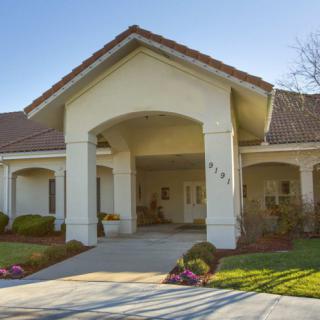
Brookdale East Wichita
$6,933 to $8,080 / month13.1 miles away
Overall Review of Reflection Living Maize Court 1
Pros
 The homes are updated and very nice.
- The administration team consistently goes above and beyond to ensure proper staffing and high-quality care for residents.
- They communicate well, are empathetic, and readily address any issues.
- The care staff provides excellent care, and residents are well informed about visiting privileges and activities.
- The environment feels like a warm family/home, with loving, attentive staff who respond promptly to needs.
- The staff-to-resident ratio allows for responsive, personalized care.
Review
Reflection Living Maize Court 1 in Wichita is best suited for families seeking a warm, home-like assisted living where attentive staff and a steady, empathetic administration drive daily quality of care. The setting feels less institutional and more like a smaller, well-managed residence, which suits residents who crave predictable routines, meaningful social contact, and reassurance that concerns will be heard and acted on promptly. The reviews repeatedly emphasize that residents live well, with updated living spaces and a culture that treats senior residents as individuals rather than numbers. For those prioritizing personal connections and reliable oversight, this community delivers.
However, for residents with very high medical complexity or those who require on-site physicians, robust memory-care specialization, or a campus with extensive medical programming, alternatives should be explored. The home-like model, while excellent for daily care, may not provide the depth of clinical resources found in larger campuses. Families should also consider if they want a setting with more formalized, structured activities or a broader array of therapy options. Those factors could tilt the decision toward facilities that emphasize medical acuity and formal programming rather than a cohesive family atmosphere.
Key strengths include updated homes, an administration that prioritizes staffing alignment, and clear, compassionate communication. The staff-to-resident contact levels are palpably higher than in many peers, which translates into rapid response to needs, dietary preferences, and safety signals, such as wheelchairs alarms, being addressed immediately. The facility earns trust through visible commitment: administrators who listen, nurses who explain care plans, and a culture where visiting is welcomed and routine activities are well-communicated. When these advantages meet a family’s expectations for attentiveness and warmth, they largely offset any potential trade-offs inherent in a smaller, home-style program.
The home maintains a genuine family atmosphere, with staff described as loving and attentive and a dining culture that invites family participation. Families report that care tasks, feeding, bathing, clothing, are consistently performed with dignity, and that staff members form lasting bonds with residents and their families. The strong staff-to-resident ratio, particularly during the day, provides the kind of hands-on attention that reduces worry for loved ones and supports residents who require reminders or dietary management. The tangibles, celebrating a resident’s birthday, staff attending a funeral, or simply sharing a meal, translate into measurable quality of life.
One practical caveat is that the appeal of a homey environment may not satisfy everyone’s desire for a clinical setting or a broad menu of medical services. For some residents, the intimate scale may feel limiting compared with larger communities offering diverse programming or on-site specialty care. However, the visible willingness of leadership to adapt, such as accommodating dietary restrictions or adjusting dessert offerings, demonstrates a responsive culture that often compensates for those limitations. The result is a dependable, low-friction option for seniors who value security, consistent staffing, and a sense of family.
In short, Reflection Living Maize Court 1 is a strong fit for families that want dependable, person-centered care wrapped in a home-like environment. It is less suited for those needing highly specialized medical programming or a larger, more clinical campus. The positives, the updated space, proactive administration, excellent care, and intimate staff-resident relationships, outweigh potential drawbacks for the target profile. Prospective families should schedule visits, speak with the administrator, and observe meal times and staff interactions. If the emphasis is on warmth, responsiveness, and a community where residents feel seen and supported, this option stands out as a practical, confident recommendation.
 12 resident community capacity
 Assisted Living
 Board and Care Home
 Day Program
 Memory Care
 Beautician on-site
 Cable or satellite TV
 Devotional services off-site
 Dining room
 Fully furnished
 Garden
 Housekeeping services
 Indoor common areas
 Move-in coordination
 Outdoor common areas
 Private
 Private bathrooms
 Respite or short term stays offered
 Telephone
 Wheelchair accessible showers
 Wi-Fi/high-speed internet available
 Wichita Mid-Continent (2 miles away)
 24-hour supervision
 Ambulatory care
 Assistance with bathing
 Assistance with dressing
 Assistance with transfers
 Diabetes diet
 Diabetic care
 Incontinence care
 Meal preparation and service
 Medication management
 Special dietary restrictions
 Transportation arrangement (medical)
 Transportation to doctors appointments



 5 Early Indicators of Dementia and What You Can Do
 8 Important Indicators That Memory Care May Be Necessary
 Delving into the Inner World of Dementia: Insights into Thoughts and Awareness