Family Health & Rehabilitation Center in Wichita, KS

Save

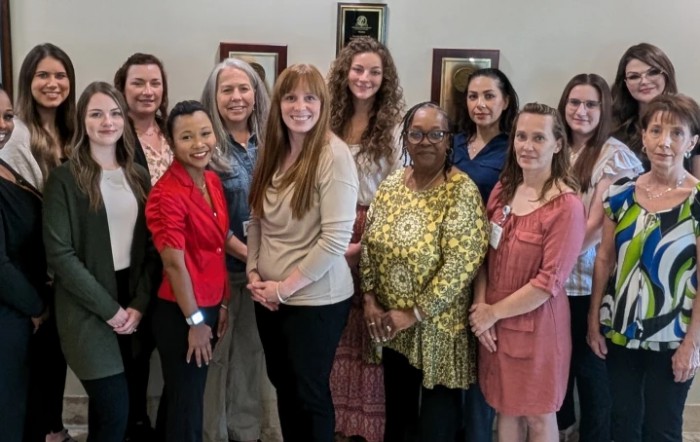
  • Interior

    A diverse group of women posing for a professional group photo indoors.
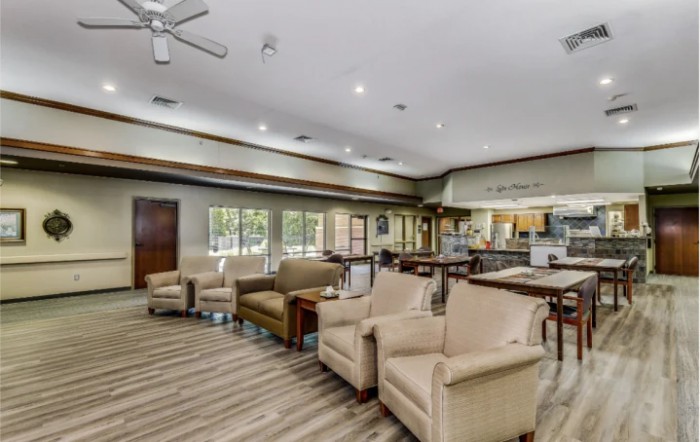
  • Living Room

    Spacious lounge area with comfortable seating and modern decor.
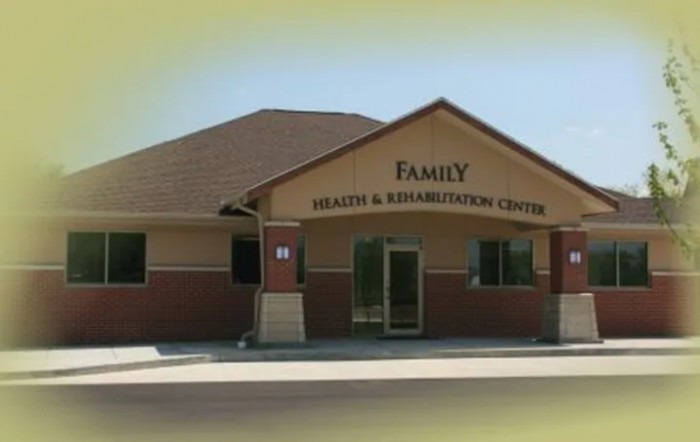
  • Building

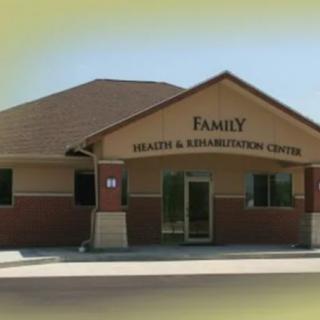
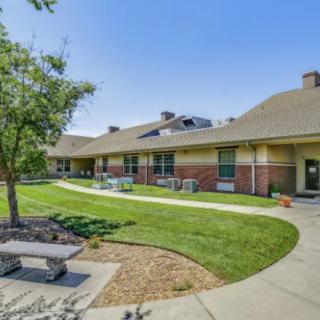
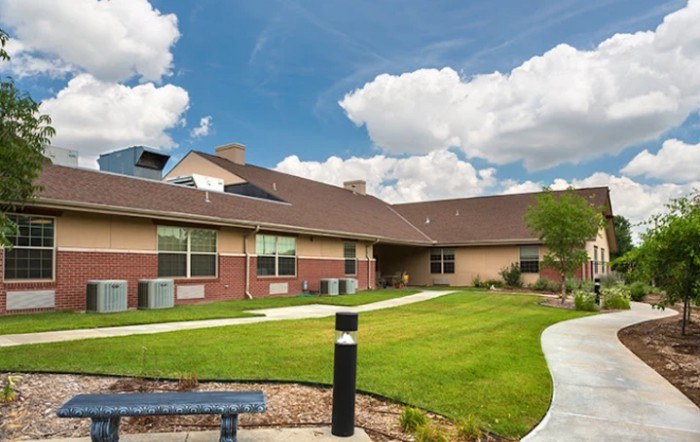
    A family health and rehabilitation center building.
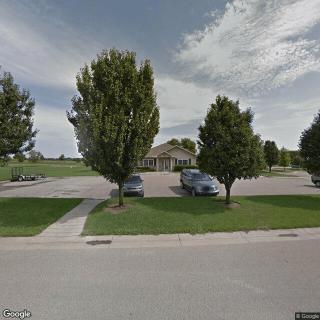
  • Architecture

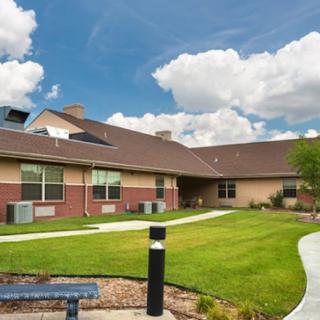
    A modern house with a well-maintained lawn under a blue sky with clouds.
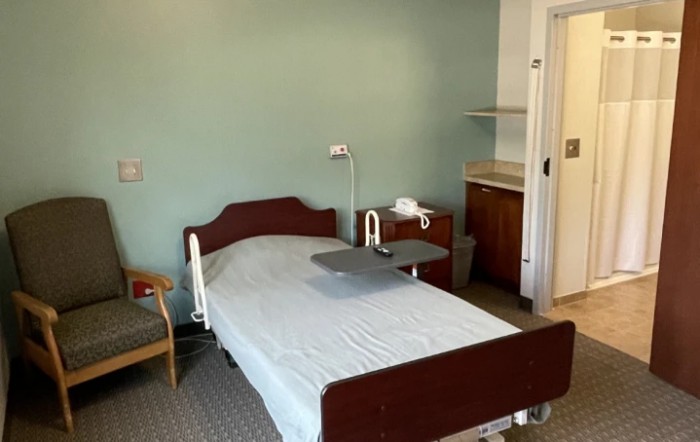
  • Bedroom

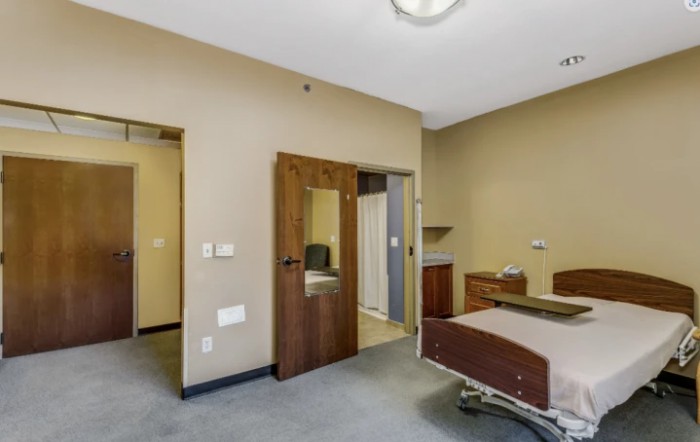
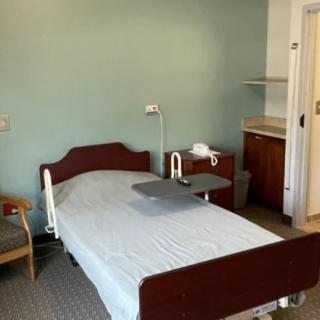
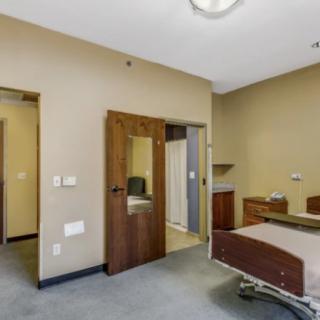
    A hospital room with a single bed, tray table, and medical equipment.
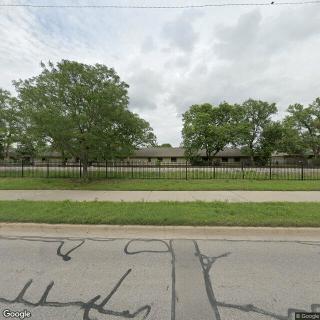
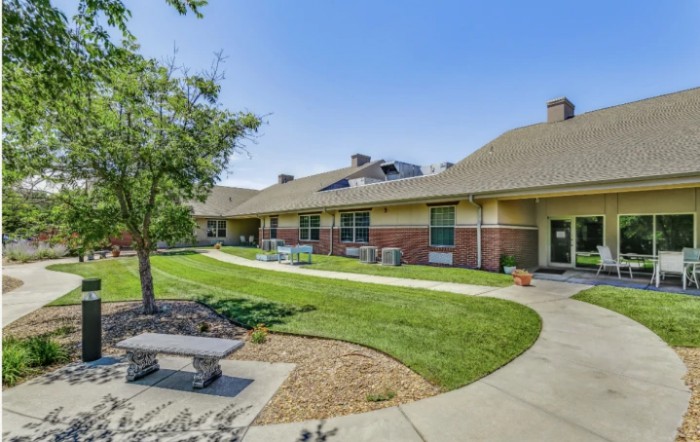
  • Trees

    A peaceful outdoor area with a pathway, benches, and green lawn in front of a building.
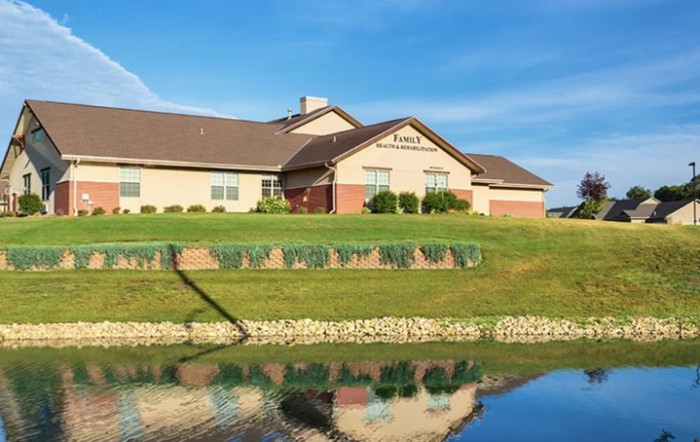
  • Landscaping

    A house by a lake with reflections in the water and a clear blue sky.
  • Kitchen

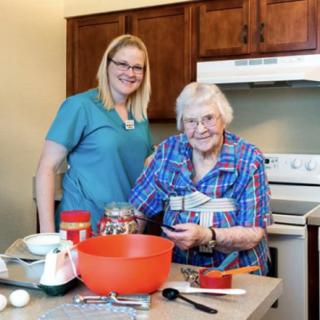
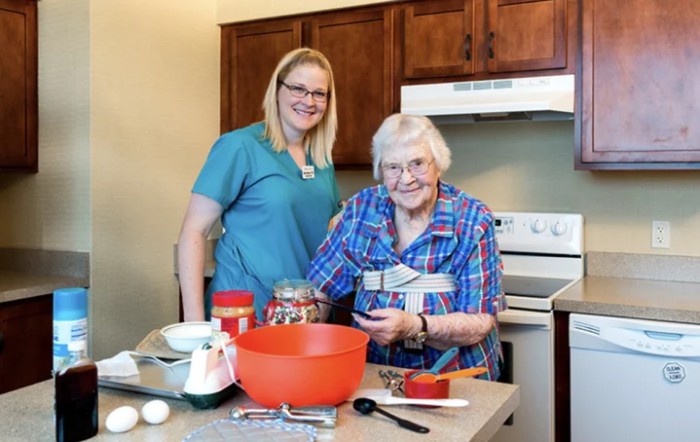
    Two women smiling while preparing food in a kitchen.
  • Bathroom

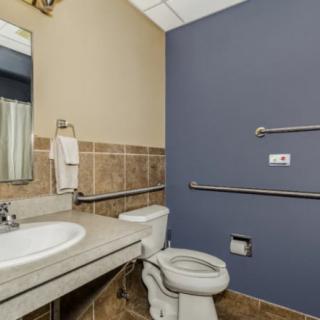
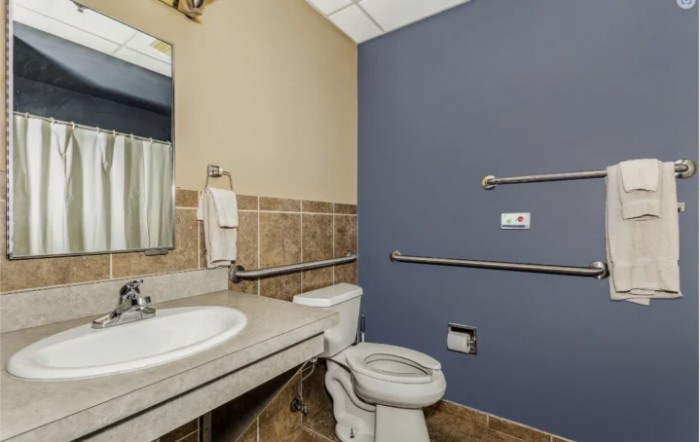
    A handicap accessible bathroom with a toilet, sink, mirror, and grab bars.
  • Healthcare

    An empty hospital room with a bed and wooden furniture.
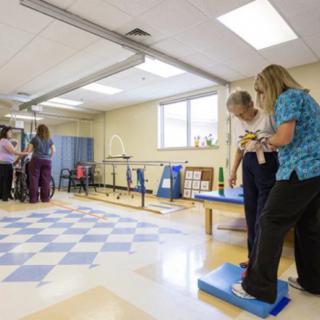
  • Rehabilitation

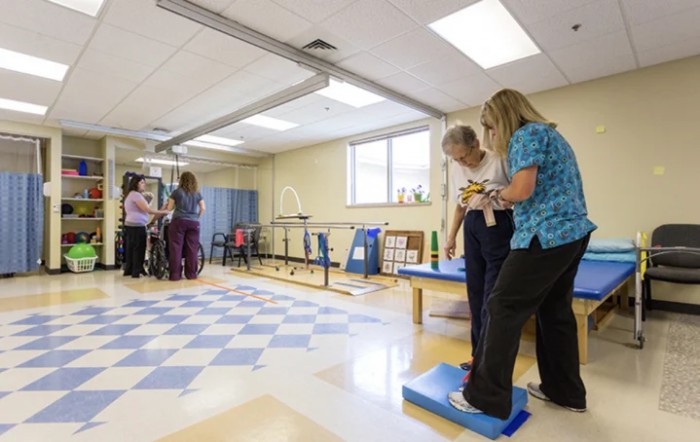
    A rehabilitation session taking place in a physical therapy room with patients and therapists.

Family Health & Rehabilitation Center in Wichita, KS

639 South Maize Court, Wichita, KS 67209

For more information about senior living options: (844) 490-3973

3.9 from 75 reviews
5 stars
47
4 stars
8
3 stars
2
2 stars
2
1 stars
16

Skilled Nursing Facility

Overall Review of Family Health & Rehabilitation Center

Pros

  • pro The facility is warm and welcoming.
  • pro Dora "Lili" is described as the sweetest social worker who truly cares about every resident and supports families.
  • pro The team keeps residents engaged with fun activities and a positive atmosphere.
  • pro There is a palpable sense of love and energy at the facility.
  • pro The facility is state-of-the-art with extremely caring staff and thoughtful amenities.
  • pro The staff are top-notch, friendly, and professional, dedicated to improving lives and exceeding expectations.
  • pro Transitions into the facility are made easier by helpful, friendly, and knowledgeable staff.
  • pro The nursing staff is consistently praised for expertise and attentive care.
  • pro The Lulu House staff are outstanding and go above and beyond for patients and families.
  • pro Transportation, social work, and ancillary staff coordinate to support care (e.g., transportation to dialysis, home health care, and packing lunches).

Cons

  • pro The facility is described as an absolute joke and not trustworthy with loved ones.
  • pro The food was terrible and therapies were inconsistent.
  • pro Therapy staff were unwilling to work with residents, compromising safety and progress.
  • pro Discharge staff would not return personal blankets, which felt like theft.
  • pro There was poor communication between shifts and a lack of follow-through by staff.
  • pro Rehab was insufficient for some residents, leaving them largely inactive.
  • pro The facility was frequently understaffed and under-skilled.
  • pro Medications were not administered on time, and some staff were disrespectful when concerns were raised.
  • pro Discharge planning was chaotic, with patients sometimes left unattended or discharged without proper support.
  • pro Advertising of private rooms was misleading, placing residents in double rooms with loud roommates.

Review

Family Health & Rehabilitation Center in Wichita is best suited for families seeking a warm, socially engaging rehab environment where staff show genuine care and residents stay involved in activities. The strongest case rests with short-term rehabilitation needs - where motivation and morale can be buoyed by a lively atmosphere, hands-on social work support, and a campus that feels homey. The center's advocates highlight a mission-driven culture, a strong social worker presence, and programs that help families stay connected during recovery. Those prioritizing a highly predictable medical regimen, ironclad rehab protocols, or pristine, private-room assurances should weigh alternatives carefully, because the strongest positives here hinge on personal attention and community feel rather than a uniformly flawless clinical track record.

On the plus side, the community earns praise for its people and the energy of daily life. Dora "Lili," the social worker, is frequently cited as a standout advocate who truly helps families feel supported, and activities are designed to keep residents engaged and optimistic. Several reviews describe a facility that feels welcoming, clean, and organized, with staff who go above and beyond to create a home-like atmosphere. The rehab units - often referred to as the Lulu houses - are commended by families who experienced meaningful progress and appreciated transportation accommodations, especially for patients needing dialysis. In short, when the staff are present and aligned, care can be compassionate, cohesive, and capable of encouraging functional gains.

Yet the public record is deeply bifurcated, and the main negatives demand careful attention. A recurring theme is inconsistency: staffing levels and expertise appear uneven, with reports of delays in response, gaps in communication between shifts, and therapy that does not always meet expectations. Medication administration and care planning occasionally emerge as concerns, with some families reporting missed or mismatched meds and unclear discharge instructions. There are vivid accounts of disorganization, from discharges handled without proper family involvement to lost belongings and security questions. A subset of reviews characterizes the facility as dated or in need of deep cleaning and housekeeping improvements, and several families describe experiences where rehab services felt intermittent rather than systematic.

These strengths and weaknesses interact in meaningful ways. When the caregiving team is well-coordinated and the patient's plan is clearly articulated, the warmth and personalized attention can translate into tangible rehab progress and trusted daily routines. The social-work and therapy ecosystems, in particular, have the potential to offset some operational gaps through proactive communication and family engagement. However, the weight of the cons - staffing fluctuations, inconsistent rehab quality, and administrative lapses - means outcomes hinges on real-time oversight and continued advocacy from families. In practical terms, a family approaching this center should be prepared to supervise care plans closely and press for transparency around therapy schedules, med administration, and discharge readiness.

Alternatives deserve serious consideration for families prioritizing steady rehab execution and stringent medical management. If reliability of therapy, prompt response to calls, and a consistently high standard of daily care are non-negotiable, examining other facilities with documented rehab success and clearer accountability structures is prudent. For those who value a strong, empathetic staff culture and can maintain active involvement - requesting detailed care plans, routine progress updates, and direct access to leadership - the center can still be a viable option. Some reviewers note comparable experiences at a sister location in Derby, underscoring the importance of verifying current staffing and practices before committing. In any case, a candid comparison of private-room availability, meal quality, and safety records will be essential.

To make a well-informed decision, pursue concrete, operational assurances. Visit the campus and observe a therapy session or two, and request candid conversations with the Director of Nursing and the unit managers. Ask for the current care plan and medication administration protocol, and verify whether private rooms are guaranteed or subject to availability. Clarify staffing ratios on different shifts, the system for addressing family concerns, and the steps taken when a discharge plan is set in motion. Review the fee structure in detail, including what is included and what may incur extra charges. In the end, Family Health & Rehabilitation Center can deliver warmth, meaningful rehab, and a comforting environment for the right resident, but it requires vigilant oversight and a clear-eyed willingness to explore alternatives if consistency, safety, or medical management falter.

Features

Housing

  • 72 resident community capacity 72 resident community capacity

Types of Care

  • Skilled Nursing Facility Skilled Nursing FacilitySkilled Nursing Facilities are crucial for seniors as they provide round-the-clock medical care, rehabilitation services, and assistance with daily activities. These facilities ensure that seniors receive the specialized care they need to maintain their health and well-being as they age.

Amenities

  • Air-conditioning Air-conditioningAir conditioning is important for seniors as they are more vulnerable to heat-related illnesses and may have underlying health conditions that make it difficult for them to regulate their body temperature. It helps to keep them comfortable, safe, and healthy in hot weather.
  • Beauty salon Beauty salonBeauty salons are important for seniors because they provide a space for them to feel pampered, socialize, and maintain their personal grooming and hygiene. Regular visits to a beauty salon can help boost seniors' self-esteem and overall well-being.
  • Cable or satellite TV Cable or satellite TVCable or satellite TV is important for seniors because it provides entertainment, news, and companionship, helping to combat loneliness and boredom. It also offers a wide range of programming options tailored to different interests and preferences.
  • Computer center Computer centerA computer center is essential for seniors as it provides access to technology, communication tools, and resources that can enhance their daily lives. It allows them to stay connected with loved ones, engage in online activities, and learn new skills, ultimately promoting socialization and mental stimulation.
  • Dining room Dining roomDining rooms are important for seniors as they provide a space for socialization, connection, and nutritious meals. They offer opportunities for residents to bond over shared meals, foster a sense of community, and promote healthy eating habits. Dining rooms also ensure that seniors have access to well-balanced meals tailored to their dietary needs and preferences.
  • Fitness room Fitness roomHaving a fitness room in a senior living community is essential for seniors to stay active, maintain their physical health, and improve their overall well-being. Regular exercise can help prevent falls, reduce the risk of chronic diseases, and promote mental sharpness. It also provides social opportunities for residents to connect with others and enjoy a sense of community.
  • Fully furnished Fully furnishedFully furnished senior living communities are important for seniors because they provide convenience, comfort, and a hassle-free moving experience. Seniors can easily settle into their new living space without the stress of having to buy and move furniture. This allows them to focus on enjoying their new home and community.
  • Gaming room Gaming roomGaming rooms are important for seniors as they provide a fun and engaging environment for socializing, cognitive stimulation, and physical activity. Games can improve memory, problem-solving skills, and overall mental well-being while fostering friendships and reducing feelings of isolation.
  • Garden GardenGardens are important for seniors as they provide a peaceful and therapeutic environment for relaxation, physical activity, and socialization. Being in nature has been shown to reduce stress, improve mood, and promote overall well-being. Gardens also offer opportunities for seniors to engage in gardening activities, which can improve mobility, flexibility, and cognitive function. Additionally, gardens create a sense of community and connection with others who share a passion for plants and outdoor spaces.
  • Housekeeping services Housekeeping servicesHousekeeping services are important for seniors because they help maintain a clean and safe living environment, promote independence, and reduce the risk of accidents or illnesses. Additionally, having assistance with household chores can alleviate physical strain and allow seniors to focus on other aspects of their well-being.
  • Kitchenette KitchenetteKitchenettes are important for seniors living in senior living communities because they provide the convenience and independence of being able to prepare simple meals and snacks in the comfort of their own living space. This can help promote a sense of autonomy and well-being for seniors, allowing them to maintain some level of control over their dietary choices and daily routines.
  • Move-in coordination Move-in coordinationMove-in coordination is important for seniors because it helps ease the transition into their new living environment. It ensures that all logistics, such as packing, organizing movers, and setting up utilities are taken care of, allowing seniors to focus on settling in and adjusting to their new home. Having a smooth move-in process can alleviate stress and anxiety, making the transition smoother and more enjoyable for seniors.
  • Outdoor space Outdoor spaceOutdoor spaces are important for seniors as they provide opportunities for physical activity, social interaction, exposure to natural light and fresh air, and a sense of connection to nature. Having access to outdoor spaces can improve overall well-being and quality of life for older adults living in senior communities.
  • Private bathrooms Private bathroomsPrivate bathrooms are important for seniors in senior living communities because they provide independence, dignity, and comfort. Having a private bathroom allows seniors to maintain their personal hygiene routines without the need for assistance, promoting a sense of autonomy and privacy. Additionally, private bathrooms help prevent the spread of infections and provide a safe and clean environment for seniors to navigate safely.
  • Restaurant-style dining Restaurant-style diningRestaurant-style dining is important for seniors because it allows them to enjoy delicious, nutritious meals in a social and upscale setting. This enhances their dining experience, promotes healthy eating habits, and fosters socialization with fellow residents, ultimately contributing to their overall well-being and quality of life.
  • Small library Small librarySmall libraries are important for seniors as they provide access to a variety of reading materials, including books, newspapers, and magazines. This can help stimulate their minds, keep them engaged, and provide a sense of community through book clubs and other social activities. Additionally, reading has been shown to improve cognitive function and overall mental well-being in older adults.
  • Telephone TelephoneTelephones are important for seniors as they provide a lifeline for communication with loved ones, emergency services, and healthcare providers. They offer a sense of security and independence, enabling seniors to stay connected and access assistance when needed.
  • Wellness center Wellness centerWellness centers are important for seniors because they offer a variety of programs and services that promote physical, mental, and emotional well-being. These centers provide opportunities for exercise, socialization, education, and relaxation, helping seniors maintain their overall health and quality of life.
  • Wi-Fi/high-speed internet available Wi-Fi/high-speed internet availableWi-Fi/high-speed internet is important for seniors to stay connected with loved ones, access online resources, and participate in virtual activities to combat feelings of loneliness and isolation. It also allows them to easily manage healthcare needs, access entertainment, and engage in lifelong learning opportunities.

Transportation

  • Wichita Mid-Continent (2 miles away) Wichita Mid-Continent (2 miles away)
  • Community operated transportation Community operated transportationCommunity operated transportation is crucial for seniors as it provides them with the means to access essential services, social activities, and medical appointments. It allows seniors to maintain their independence and quality of life by ensuring they can participate in activities outside of their homes. Additionally, community-operated transportation services offer a safe and reliable way for seniors to travel without having to rely on family or friends for assistance.
  • Transportation arrangement Transportation arrangementTransportation arrangements are crucial for seniors as they may face challenges with driving, mobility, or access to public transportation. Having reliable transportation services ensures that seniors can easily attend appointments, social activities, and maintain their independence and quality of life.
  • Transportation arrangement (non-medical) Transportation arrangement (non-medical)Transportation arrangements are essential for seniors as they provide access to essential services, activities, and social interactions outside the home. This service helps maintain independence, mobility, and overall well-being for seniors who may have limited transportation options.
  • Transportation to doctors appointments Transportation to doctors appointmentsTransportation to doctors appointments is crucial for seniors as it ensures they have access to necessary medical care and support, promoting their health and well-being. It allows them to receive timely treatment, monitor existing conditions, and address any new health concerns efficiently. Additionally, transportation services can help seniors maintain their independence and quality of life by enabling them to stay connected with their healthcare providers.

Care Services

  • 12-16 hour nursing 12-16 hour nursing12-16 hour nursing care is crucial for seniors in order to ensure around-the-clock monitoring, timely medication administration, and prompt response to any health concerns or emergencies. This level of care helps to promote the overall well-being and safety of seniors living in senior living communities.
  • 24-hour call system 24-hour call system24-hour call systems are important for seniors because they provide peace of mind and immediate assistance in case of emergencies. This technology ensures that help is always available, promoting safety and security for elderly individuals living alone or in assisted living facilities.
  • 24-hour supervision 24-hour supervision24-hour supervision is important for seniors to ensure their safety, well-being, and access to immediate assistance in case of emergencies or health issues. This constant support provides peace of mind for both seniors and their loved ones, allowing them to age in place with dignity and security.
  • Activities of daily living assistance Activities of daily living assistanceActivities of daily living assistance are important for seniors because they provide essential support with tasks such as eating, bathing, dressing, and mobility. This assistance helps seniors maintain their independence, dignity, and overall quality of life as they age.
  • Assistance with bathing Assistance with bathingAssistance with bathing is crucial for seniors as it helps maintain personal hygiene, prevents infections, and ensures their overall well-being and comfort. It also provides a sense of dignity and independence for seniors who may struggle with this task on their own.
  • Assistance with dressing Assistance with dressingAssistance with dressing is important for seniors because it helps maintain their independence, promotes personal hygiene, prevents accidents and injuries, and improves overall quality of life. This service ensures that seniors can continue to dress comfortably and confidently, despite any physical limitations they may have.
  • Assistance with transfers Assistance with transfersAssistance with transfers is crucial for seniors as it helps prevent falls and injuries, maintains their independence, and ensures they can safely navigate their living environment. It also provides peace of mind for both seniors and their loved ones.
  • Diabetes diet Diabetes dietA diabetes diet is crucial for seniors as it helps manage blood sugar levels, reduce risks of complications, and improve overall health and well-being. By following a balanced and nutritious diet tailored to their specific needs, seniors can better control their diabetes and enhance their quality of life.
  • Meal preparation and service Meal preparation and serviceMeal preparation and service are crucial for seniors as they may have limited mobility or energy to cook nutritious meals. Having access to healthy and convenient food options can ensure they are getting the proper nutrition needed to maintain their overall health and well-being.
  • Medication management Medication managementMedication management is crucial for seniors to ensure they are taking the right medications at the correct dosages and times. This helps prevent adverse drug interactions, reduces the risk of medication errors, and promotes overall health and well-being. Proactive management also allows for adjustments as needed based on changing health conditions or new prescriptions.
  • Mental wellness program Mental wellness programMental wellness programs are essential for seniors as they promote cognitive stimulation, emotional support, and social engagement. These programs help prevent isolation, depression, and cognitive decline, ultimately enhancing the overall quality of life for older adults.
  • Special dietary restrictions Special dietary restrictionsSpecial dietary restrictions are important for seniors because age-related changes in metabolism and health conditions can make it difficult for their bodies to process certain foods. By following a diet tailored to their specific needs, seniors can maintain their overall health and well-being, manage chronic conditions, and reduce the risk of complications such as malnutrition or food interactions with medications.

Dining

  • Diabetes diet Diabetes dietA diabetes diet is crucial for seniors as it helps manage blood sugar levels, reduce risks of complications, and improve overall health and well-being. By following a balanced and nutritious diet tailored to their specific needs, seniors can better control their diabetes and enhance their quality of life.
  • Special dietary restrictions Special dietary restrictionsSpecial dietary restrictions are important for seniors because age-related changes in metabolism and health conditions can make it difficult for their bodies to process certain foods. By following a diet tailored to their specific needs, seniors can maintain their overall health and well-being, manage chronic conditions, and reduce the risk of complications such as malnutrition or food interactions with medications.

Activities

  • Community-sponsored activities Community-sponsored activitiesCommunity-sponsored activities are important for seniors as they provide opportunities for social interaction, mental stimulation, and physical activity. These activities can help improve overall well-being, combat loneliness and isolation, and promote a sense of belonging and purpose among older adults.
  • Concierge services Concierge servicesConcierge services are essential for seniors as they provide assistance with daily tasks and errands, enhance their quality of life by offering convenience and personalized care, and promote a sense of safety and security.
  • Fitness programs Fitness programsFitness programs are crucial for seniors as they help improve strength, flexibility, balance, and overall well-being. Staying active can reduce the risk of chronic diseases, improve mental health, and enhance quality of life in older adults.
  • Planned day trips Planned day tripsPlanned day trips are important for seniors because they offer opportunities for socialization, mental stimulation, and physical activity. They provide a change of scenery and help seniors stay engaged and connected to their community, promoting overall well-being and quality of life.
  • Resident-run activities Resident-run activitiesResident-run activities are important for seniors as they encourage social interaction, creativity, and a sense of autonomy. These activities empower seniors to stay engaged and active in their community while fostering meaningful connections with their peers.
  • Scheduled daily activities Scheduled daily activitiesScheduled daily activities are important for seniors because they provide structure, socialization, mental stimulation, and physical activity. Engaging in regular activities can improve overall well-being and quality of life for seniors living in a community setting.

Description

The Family Health & Rehabilitation Center in Wichita, KS is a well-equipped and comprehensive assisted living community that offers a range of amenities and care services to meet the needs of its residents. The community prides itself on providing a comfortable and welcoming environment for seniors to thrive.

Residents at the center can take advantage of numerous amenities, including an on-site beauty salon for personal grooming needs, cable or satellite TV for entertainment, and community-operated transportation for convenient travel. The computer center allows residents to stay connected with loved ones and engage in online activities.

The dining room offers restaurant-style dining with nutritious meals prepared and served by the staff. Special dietary restrictions can be accommodated to ensure each resident's specific needs are met. Housekeeping services are provided to keep living spaces clean and tidy.

The center also boasts various recreational areas such as a fitness room, gaming room, small library, and outdoor space like gardens for residents to enjoy leisure activities. Additionally, there is a wellness center where mental well-being programs are offered.

Care services at the Family Health & Rehabilitation Center include 24-hour call system and supervision to ensure round-the-clock assistance is readily available. Trained staff members assist with daily activities such as bathing, dressing, and transfers. Medication management is also provided to ensure residents receive their medications correctly.

Transportation arrangements make it easy for residents to access non-medical appointments or doctors' visits conveniently. Move-in coordination assists new residents in settling into their fully furnished accommodations with private bathrooms. Wi-Fi/high-speed internet connectivity keeps everyone connected digitally.

The community also understands the importance of social engagement and offers various activities such as fitness programs, planned day trips, resident-run activities, and scheduled daily activities. Residents can also utilize concierge services for any additional assistance they may require.

Furthermore, the Family Health & Rehabilitation Center enjoys close proximity to several amenities outside its premises. Nearby are cafes, parks, pharmacies, physicians' offices, restaurants, places of worship, theaters, and hospitals, ensuring residents have easy access to these essential services.

Overall, the Family Health & Rehabilitation Center in Wichita, KS provides a comprehensive assisted living community that prioritizes the well-being and comfort of its residents while offering various amenities and care services to support their needs.

Videos

Nearby Places of Interest

This area of Wichita, Kansas offers a variety of amenities and services that may be appealing to seniors looking for a convenient and comfortable living environment. With a selection of restaurants, cafes, pharmacies, and medical facilities all within close proximity, residents can easily access essential services and enjoy dining out options. Additionally, the presence of nearby places of worship provides opportunities for spiritual enrichment and community involvement. The availability of parks and transportation options, including the Wichita Eisenhower National Airport, allows for recreational activities and easy travel. Furthermore, the proximity to hospitals such as Wesley Rehab and Ascension Via Christi St Teresa ensures quick access to healthcare services in case of emergencies. Overall, this neighborhood provides a well-rounded living experience with everything needed for senior residents to thrive.

Restaurants

  • Twelve Restaurant & Bar (1.1 miles)
  • Mr Goodcents Subs & Pastas (1.1 miles)
  • Cheddar's Scratch Kitchen (1.2 miles)
  • Sonic Drive-In (1.2 miles)
  • Braum's (1.6 miles)
  • McDonald's (1.7 miles)
  • Taco Bell (1.7 miles)

Physicians

  • Wichita Vision Care (1.1 miles)
  • Tenille Schwanke, PA (1.2 miles)
  • Mid-America Orthopedics (1.2 miles)
  • Via Christi Occupational Med (1.2 miles)
  • Child & Family Eyecare (1.5 miles)
  • West Wichita Minor Emergency (2.1 miles)
  • West Wichita Family Pharmacy (2.1 miles)

Places of Worship

  • Cross Road Church (1.3 miles)
  • St Elizabeth Ann Seton (1.6 miles)
  • Reliance Community Church (1.8 miles)
  • St Francis Of Assisi Catholic Church (2.1 miles)
  • Harvest Community Church (3.9 miles)
  • Eagles Nest Fellowship Phc (4.6 miles)

Pharmacies

  • Walgreens (1.3 miles)
  • Walgreens (1.9 miles)
  • CVS Pharmacy (2.4 miles)
  • Walgreens (3.5 miles)
  • Auburn LTC Wichita (3.5 miles)
  • CVS Pharmacy (4.1 miles)
  • Walgreens (4.3 miles)

Cafes

  • Riverside Cafe (1.6 miles)
  • Scooter's Coffeehouse (1.8 miles)
  • Panera Bread (2.1 miles)
  • Panera Bread (3.8 miles)
  • Starbucks (4.1 miles)
  • HomeGrown Wichita (4.4 miles)

Parks

  • Pawnee Prairie Nature Center (2 miles)

Transportation

  • Wichita Eisenhower National Airport (ICT) (2.3 miles)

Hospitals

  • Wesley Rehab (2.9 miles)
  • Emergency - Ascension Via Christi St Teresa (4.6 miles)
  • Asc Via Christi (4.6 miles)

Theaters

  • Warren Movie Theatres (3.7 miles)

Frequently Asked Questions

Where is Family Health & Rehabilitation Center?
What photos are available for Family Health & Rehabilitation Center in Wichita, Kansas?

Nearby Communities

  • Reflection Living Maize Court 1

    Reflection Living Maize Court 1

    Wichita, KS

    5 from 9 reviews
    $6,180 / month

    pro Varied care options with on-site amenities and memory care.


  • Reflection Living Maize Court 3

    Reflection Living Maize Court 3

    Wichita, KS

    5 from 9 reviews
    $6,180 / month

    pro Comprehensive care options (assisted living, memory care, high acuity) with on-site activities, 24-hour supervision, and private rooms.

  • Reflection Living Maize Court 2

    Reflection Living Maize Court 2

    Wichita, KS

     
    $6,180 / month

    pro Personalized care with 24-hour supervision and memory care options.

  • Avita Senior Living

    Avita Senior Living

    Wichita, KS

    4.3 from 69 reviews
    $3,000 to $5,310 / month

    pro Caring staff in a clean, engaging community.

  • Avita Senior Living At Rolling Hills

    Avita Senior Living At Rolling Hills

    Wichita, KS

    4.2 from 43 reviews
     

    pro Specialized memory care with 24/7 supervision and extensive on-site amenities.

  • Keepsake Kottage #3

    Keepsake Kottage #3

    Wichita, KS

    4.3 from 46 reviews
     

    pro Intimate, fully furnished assisted living with comprehensive care and on-site amenities.

  • LakePoint Wichita

    LakePoint Wichita

    Wichita, KS

    3.3 from 70 reviews
    $890 to $1,435 / month

    pro Caring staff with a smooth admissions process and options for virtual visits that support resident dignity.

  • Azria Health Wichita

    Azria Health Wichita

    Wichita, KS

    4.4 from 119 reviews
    $3,250 to $4,000 / month

    pro Beautiful, well-maintained facility with extensive amenities and engaging activities.

  • The Villas at Hampton Lakes

    The Villas at Hampton Lakes

    Maize, KS

    4.3 from 3 reviews
     

    pro Personalized care plans in an independent living setting

Skilled Nursing Facility in Nearby Cities

Related Resources

  • 602 formCalifornia's Form 602A: An In-Depth Examination of Senior Care Assessment

    California's Form 602A is a vital tool for evaluating the health needs of seniors seeking residential care, detailing their medical conditions and daily living requirements to ensure proper service alignment. This standardized form enhances communication among physicians, families, and facilities, serving as a regulatory measure for admissions and ongoing care while adapting to changing healthcare practices.

  • elderly blood pressure chartComprehensive Look at Senior Blood Pressure Charts: Normal and Elevated Levels by Age

    The overview of blood pressure management for seniors emphasizes the importance of monitoring and interpreting blood pressure readings, noting that normal ranges can vary due to age-related factors and individual health conditions. It highlights tailored guidelines for systolic and diastolic levels, the necessity of early detection and consistent management to prevent serious health complications, and advocates for personalized care strategies that incorporate lifestyle changes and medication adherence.

  • best dog for seniorsTop Canine Companions for Older Adults
    Dogs can greatly improve the lives of older adults by offering emotional support and encouraging physical activity, with factors such as size, temperament, and grooming needs being crucial in selecting a suitable breed. Senior dogs often make ideal companions for this demographic, promoting social connections and requiring care routines that align with seniors' capabilities.