

14601 Timber Lake Road, Wichita, KS 67230
To contact a resident: (316) 213-9816
For more information about senior living options: (866) 208-4318
Marjories Home Costs & Pricing
Marjories Home offers competitive pricing for its accommodations, particularly when compared to both Sedgwick County and the state of Kansas. For a semi-private room, residents can expect to pay $5,400 per month, which is notably higher than the county average of $4,937 and the state average of $4,562. Similarly, the cost for a one-bedroom unit at Marjories is set at $5,700, eclipsing Sedgwick County's rate of $3,868 and Kansas' average of $3,859. While Marjories Home's rates may be on the higher side within the local context, they often reflect enhanced amenities and a commitment to personalized care that many families find invaluable when seeking a comfortable living environment for their loved ones.
| Floor plans | Marjories Home | Sedgwick County | Kansas |
|---|---|---|---|
| Semi-Private | $5,400 | $4,937 | $4,562 |
| 1 Bedroom | $5,700 | $3,868 | $3,859 |
Overall Review of Marjories Home
Pros
 The staff are professional and kind, and the home facility is very nice.
- The Garden Plain location has been very good; the staff communicate well with families and residents and respond quickly to issues.
- Marjorie’s Home feels like Grandma’s house—clean, loving, nurturing, with caring staff and compassionate directors.
- The home is a great alternative to a nursing home, offering thorough care and daily home-cooked meals.
- Residents are respected and treated well; the facility is clean and the staff provide good care.
- The day shift nurses are very knowledgeable and help residents feel comfortable, and residents can engage in activities like gardening and baking.
Cons
 The owners are very rude, especially Theresa.
- They are fake and talk badly about residents’ families to staff and about staff to other staff.
- They are always understaffed and expect staff to drive to locations up to 45 minutes away from their schedule.
- They try to bribe staff with money or gas cards but never actually give it to them.
- They prefer to have only one staff member caring for 6-8 residents, including some who are fall or elopement risks.
- They are very cheap and only care about money.
- They constantly call and text staff on their days off about issues that can wait until clock-in.
- They take pictures of residents without consent and send them to staff or doctors.
- They will do anything for money, even making staff work by themselves with 8 residents completely depending on them.
- They never have groceries or food to make a complete meal and refuse to order out if that’s the case.
- They don’t celebrate or do anything for the holidays and have hardly any decorations; staff have to ask to get decorations.
- One of the owners will refuse to answer calls or rudely tell staff to call her sister.
Review
Marjorie’s Home is best suited for families seeking a small, home-like setting where residents can receive attentive, individualized care in a six-room residence. It appeals to those who value a warm, “grandma’s house” atmosphere over a polished institutional feel, and who are comfortable with a limited footprint and a nurse-led caregiving approach. This community is a fit for residents who are generally independent within the home, enjoy simple routines, and can thrive with one-on-one attention and the option to participate in light activities like baking or gardening. Families weighing this option should recognize that the model hinges on tight-knit staffing and a personal touch rather than on large-scale amenities or formal programming.
Alternatives should be seriously considered for anyone whose priority is consistent, robust staffing, highly structured safety protocols, or strong administrative oversight. Several reviews flag under-staffing, scheduling friction, and owners who appear responsive to money or convenience rather than resident welfare. Those facing frequent elopement risk, significant falls, aggressive behaviors, or complex medical needs may find a larger assisted-living setting with dedicated memory care or a more predictable staffing pattern a safer match. Prospective residents who demand a high level of privacy, formal décor, or holiday programming may be disappointed here.
The strongest positives center on a clean, nurturing, and intimate environment. Residents are described as being respected and well cared for in a home that feels more like family than a facility. Support staff and the two day-shift nurses reportedly bring knowledge and a hands-on approach, enabling meaningful interaction and real-time responsiveness. The home-cooked meals and the opportunity for residents to engage in activities they enjoy, like baking or gardening, add practical value, making daily life more pleasant and personally tailored than in larger campuses. For families prioritizing warmth and personal connection, these elements can meaningfully offset the absence of hospital-like amenities.
However, the drawbacks are substantive and should not be minimized. Multiple reviews accuse the owners of rudeness, unprofessional conduct, and poor communication, including talking about residents and families to staff and inconsistent responsiveness on call nights. Under-staffing, sometimes described as one caregiver for 6–8 residents, creates real safety and quality-of-care concerns, particularly for residents with fall or elopement risks. Reports of privacy breaches, such as taking photos without consent, and a consistently lean grocery supply or lack of holiday decorations reflect a culture that may erode trust over time. These factors can undermine the very warmth that makes the setting appealing.
In balancing the positives against the negatives, the smallest setting’s strengths become meaningful only if staffing remains stable and management demonstrates trustworthy, resident-centered behavior. For families who prize intimate attention and have a resident with manageable needs, the pros, homey atmosphere, respect, and personalized activity opportunities, can offset a good deal of the daily friction. For those who require steady, visible administrative accountability, predictable staffing ratios, and clear consent and privacy practices, the cons tend to overshadow benefits. The decision hinges on risk tolerance: willing to trade a polished, conventional atmosphere for a true home feel and highly personalized care, or prioritizing consistency, safety, and transparent governance.
Practically, families considering Marjorie’s Home should insist on a candid, in-person assessment focused on staffing patterns, daily schedules, and how emergencies are handled. Ask to meet direct caregivers, review incident history, verify consent processes for photos, and confirm groceries and holiday planning practices. If those checks raise questions, or if a resident’s safety needs are beyond the capacity suggested by a lean staff, alternatives such as mid-sized assisted living with stronger oversight or a different small home with a proven safety record should be pursued. Marjorie’s Home will work best when its intimate, home-first ethos aligns with a resident who can thrive under high-touch, individualized care and whose family can tolerate, and monitor, the inherent trade-offs of a small, personal operation.
 9 resident community capacity
 Assisted Living
 Board and Care Home
 Memory Care
 Activities on-site
 Air-conditioning
 Beautician on-site
 Cable or satellite TV
 Dining room
 Fully furnished
 Garden
 Ground floor units
 Handicap accessible
 Housekeeping services
 Kitchenette
 Move-in coordination
 Outdoor space
 Respite or short term stays offered
 Telephone
 Wheelchair accessible showers
 Wi-Fi/high-speed internet available
 Wichita Mid-Continent (15 miles away)
 24-hour supervision
 Ambulatory care
 Assistance with bathing
 Assistance with dressing
 Assistance with transfers
 Diabetes diet
 Diabetic care
 High acuity care
 Incontinence care
 Meal preparation and service
 Medication management
 Special dietary restrictions
 Transportation arrangement (medical)
 Transportation to doctors appointments
 BBQs or picnics
 Birthday parties
 Live musical performances
 Resident band or musicians
 Stretching classes
 Visiting chaplain or priest
 Wii bowling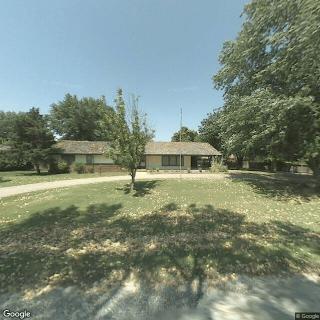




 Exploring the Contrasts Between Assisted Living and Skilled Nursing
 Vibrant Senior Living: A Comprehensive Guide for Active Older Adults
 Assisted Living and Memory Care: Understanding Their Core Differences