
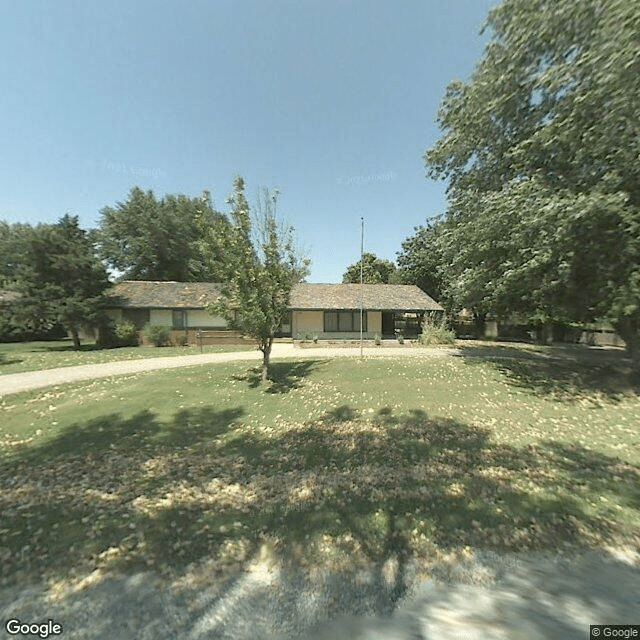
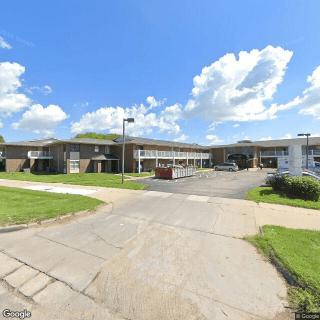
14422 Twinlake Drive, Wichita, KS 67230
For more information about senior living options: (866) 208-4318
Covenant Care Senior Living Costs & Pricing
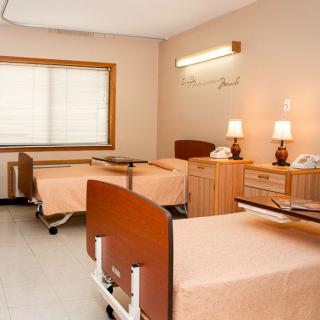
Covenant Care Senior Living offers comfortable accommodations at a premium price point compared to both Sedgwick County and the broader state of Kansas. For a semi-private room, residents can expect to pay $5,800 monthly, which is substantially higher than the county average of $4,937 and the state average of $4,562. The cost for a private room at Covenant Care is similarly elevated at $6,200, surpassing Sedgwick County's rate of $5,320 and Kansas's statewide average of $5,137. While these rates reflect the quality and range of services offered at Covenant Care Senior Living, potential residents should carefully consider how these expenses align with their budget and expectations for senior living care.
| Floor plans | Covenant Care Senior Living | Sedgwick County | Kansas |
|---|---|---|---|
| Semi-Private | $5,800 | $4,937 | $4,562 |
| Private | $6,200 | $5,320 | $5,137 |
Assisted Living communities with a similar price nearby
-
from -$200 / mo
Divine Care Homes
$5,600 to $5,800 / month9.2 miles away -
from +$380 / mo

Reflection Living Maize Court 3
$6,180 / month16.0 miles away -
from +$380 / mo
Reflection Living Maize Court 2
$6,180 / month16.1 miles away -
from -$605 / mo
Brookdale Derby
$5,195 to $5,605 / month9.6 miles away -
from -$700 / mo
Ultra Care Home Plus
$5,100 to $6,400 / month2.0 miles away
Overall Review of Covenant Care Senior Living
Pros
 The care center is a wonderful, caring place.
- The administrator is a caring man.
- The staff are wonderful.
Review
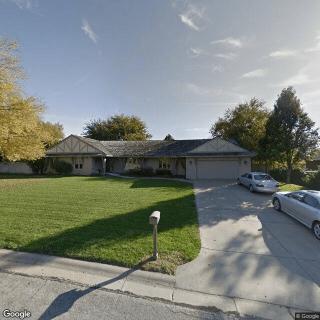
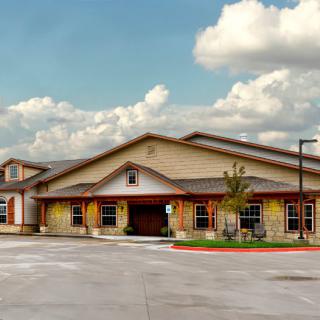
Covenant Care Senior Living in Wichita is best suited for families seeking a small, intimate setting where warmth and personal attention are the core promise. The community appears to prioritize a hands-on leadership presence and a caregiving culture that feels accessible to residents and their families. For seniors who value predictable routines, genuine interpersonal connections, and a home-like atmosphere, Covenant Care presents a compelling option anchored by compassionate staff and an administrator who is described as caring. This environment tends to reward residents who thrive on consistency, clear communication, and the comfort that comes from knowing caregivers and leaders know them by name.
That strength, however, should be weighed against what may be missing for some care profiles. Families prioritizing expansive medical programming, memory-care specialization, or a broad menu of on-site therapies and activities might want to consider alternatives. The notes provided do not disclose the depth of clinical services, the size and variety of daily activities, or the transparency of pricing. For those evaluating options on strict medical needs, rehabilitation intensity, or cost comparisons, Covenant Care will require direct, up-front clarification. In short, it is a strong fit for warmth-driven care, but not the obvious choice for families chasing robust, facility-wide medical ecosystems.
The most persuasive positives lie in staff quality and leadership. Descriptions of the staff as wonderful and the administrator as caring indicate a culture of responsive, patient-centered caregiving. When caregivers know residents well, everyday life becomes more predictable, safety is heightened, and concerns are addressed before they escalate. For families, those dynamics translate into tangible benefits: steadier communication, consistent caregiving practices, and a sense that the care plan mirrors the resident’s preferences. In environments where people matter as much as procedures, these elements often determine daily life quality and long-term satisfaction.
Yet the public footprint leaves meaningful questions unanswered, which creates a natural tension for decision-making. The main unknowns center on the scope of in-house medical services, the breadth of programming, meal variety, and the overall pricing structure. The positive emphasis on warmth and leadership cannot fully compensate for missing specifics regarding clinical capabilities and program depth when assessing long-term needs. Families should treat Covenant Care as a promising match for those who prioritize a caring culture while staying diligent about the particulars that affect day-to-day life. A candid tour, meetings with caregiving staff, and requests for sample menus and care-plan samples are prudent steps.
Practical evaluation guidance helps make the choice concrete. Focus on nurse-to-resident ratios during day and night, what health services are available on-site versus via referrals, and how quickly staff respond to emergencies or alarms. Scrutinize the intake process: how personalized care plans are crafted, how often they’re updated, and who supervises them. Request a calendar of activities, dining options, and transportation arrangements to understand daily life rhythm. Ask about post-admission health status changes, and who remains the family liaison for ongoing updates. If feasible, arrange a trial day to observe interactions firsthand and assess whether the environment matches the care philosophy described by leadership and staff.
Overall, Covenant Care Senior Living offers a solid, warmth-forward option for Wichita families seeking dependable, person-centered care. The setting stands out for those who want a homier, intimate atmosphere with consistent staffing and accessible leadership. The caveat remains the lack of publicly shared specifics about medical capabilities and programming breadth; these details matter for residents with higher clinical needs or demanding activity goals. When those factors can be clarified through direct conversations and a on-site experience, Covenant Care becomes a credible, confidence-earning choice. In the right match, it functions not as a generic facility but as a trusted home that supports peace of mind and steady daily life for a loved one.
 9 resident community capacity
 Assisted Living
 Board and Care Home
 Cable or satellite TV
 Dining room
 Fully furnished
 Garden
 Housekeeping services
 Move-in coordination
 Outdoor space
 Private
 Telephone
 Wi-Fi/high-speed internet available
 Wichita Mid-Continent (14 miles away)
 24-hour supervision
 Activities of daily living assistance
 Assistance with bathing
 Assistance with dressing
 Assistance with transfers
 Diabetes diet
 Diabetic care
 Incontinence care
 Meal preparation and service
 Medication management
 Special dietary restrictions
 Transportation arrangement (medical)
 Transportation to doctors appointments


 Funding and Affording Assisted Living: A Thorough Overview
 Assisted Living Expenses and Long-Term Care Insurance: A Comprehensive Exploration
 Securing Financial Support for Assisted Living: A Comprehensive Overview