Residents and families repeatedly describe staff who communicate clearly and coordinate care.
Across multiple reviews, families say they feel informed and heard, especially around concerns and day-to-day updates. Staff members are described as caring and attentive, with strong bedside communication and follow-through. Several reviewers also mention coordination with outside care providers, which helped reduce worry for families managing care remotely.
common6 reviews mention this
Meals are a frequent highlight
Dining comes up again and again, with many reviews calling the food outstanding.
Food quality is one of the most repeated positives, with reviewers describing meals as amazing and outstanding. People also mention the effort to keep meals fresh and enjoyable, and a few families point to enjoying the chef and dining experience. In at least one review, a resident’s routine is described as supportive—such as having time to eat at their own pace.
common3 reviews mention this
Nutrition help for picky eating
Families describe support that helps residents get enough to eat.
One reviewer describes a resident who needed to regain weight and says the team was patient with a picky-eater approach until nutrition improved. Others describe meals as both enjoyable and personalized, including attention to what residents will actually eat. Overall, reviews suggest meal support is a practical part of day-to-day care, not just standard dining.
common8 reviews mention this
The home environment feels welcoming
Many reviewers describe the setting as clean, bright, and welcoming.
Several reviews focus on the look and feel of the home, describing it as beautiful, clean, and warm. Families also mention resident-friendly spaces and a comfortable atmosphere that helped during transition. A few reviewers add details about features like outdoor space and a pond/walk area, reinforcing that the environment is meant to feel lived-in rather than institutional.
How we summarize
Counts show how many written reviews mention each theme; a review can touch several themes, and only frequently mentioned themes are displayed.
The article examines senior housing options, detailing the distinctions between independent living and assisted living, along with the emerging "independent assisted living" model that blends both approaches. It highlights the importance of assessing individual needs, preferences, and financial factors in making informed decisions about suitable living arrangements for seniors.
The deductibility of assisted living expenses on taxes hinges on factors like the individual's medical condition and service nature, typically requiring the resident to be "chronically ill" per IRS definitions. Taxpayers may deduct eligible medical expenses related to personal care services but generally not rent unless primarily for medical care, and they should maintain thorough documentation to support claims while considering itemizing versus standard deductions.
The guide highlights the importance of assisted living facilities for aging veterans needing daily support, discusses unique challenges they face, and outlines available financial assistance from the VA, including the Aid and Attendance program. It emphasizes understanding eligibility criteria and navigating the VA system to access necessary benefits effectively.
Get PricingAsk A QuestionSchedule A TourContact Senior Advisor
By clicking submit, you agree to our Partner's Terms of Use. You
also consent to receive calls and texts, which may be autodialed, from our Partner. Your consent is not a condition to
using our Partner's service. Please visit our Partner's Privacy Policy for information about their privacy practices.


 12 resident community capacity
 Assisted Living
 Cable or satellite TV
 Dining room
 Fully furnished
 Garden
 Housekeeping services
 Move-in coordination
 Outdoor space
 Telephone
 Wi-Fi/high-speed internet available
 Wichita Mid-Continent (14 miles away)
 24-hour supervision
 Activities of daily living assistance
 Assistance with bathing
 Assistance with dressing
 Assistance with transfers
 Diabetes diet
 Meal preparation and service
 Medication management
 Special dietary restrictions
 Transportation arrangement (medical)
 Transportation to doctors appointments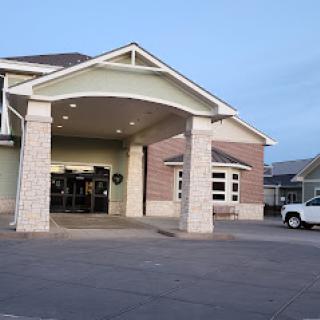
 Comprehensive amenities and 24/7 care with active social programs.







 Exploring the Path to Senior Living: A Comprehensive Look at Independent Living and Assisted Living
 Is Assisted Living Deductible on Your Taxes? Understanding the Complexities of Assisted Living Expenses and Deductions
 Assisted Living Support for Veterans: A Complete and Detailed Overview