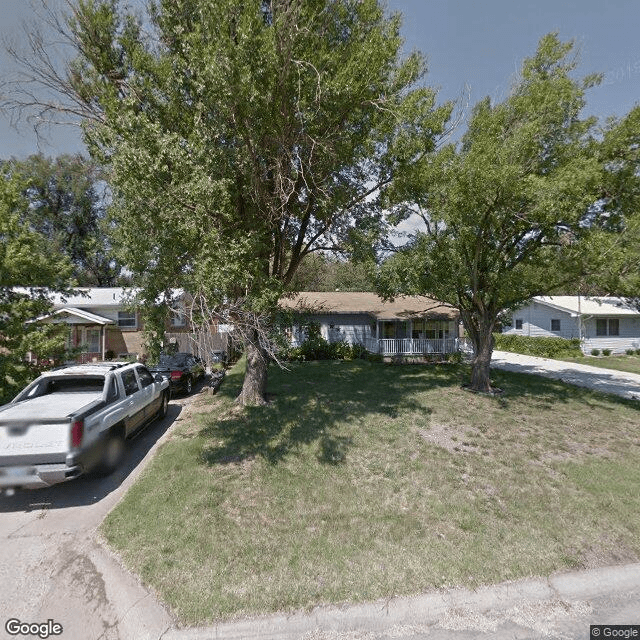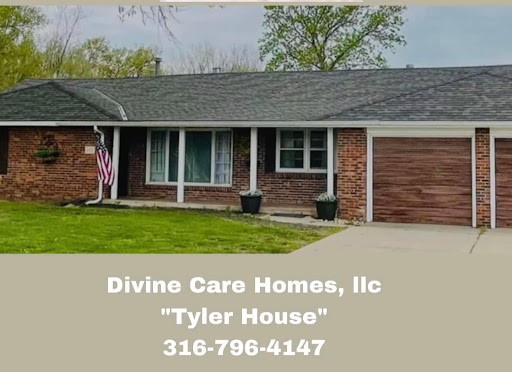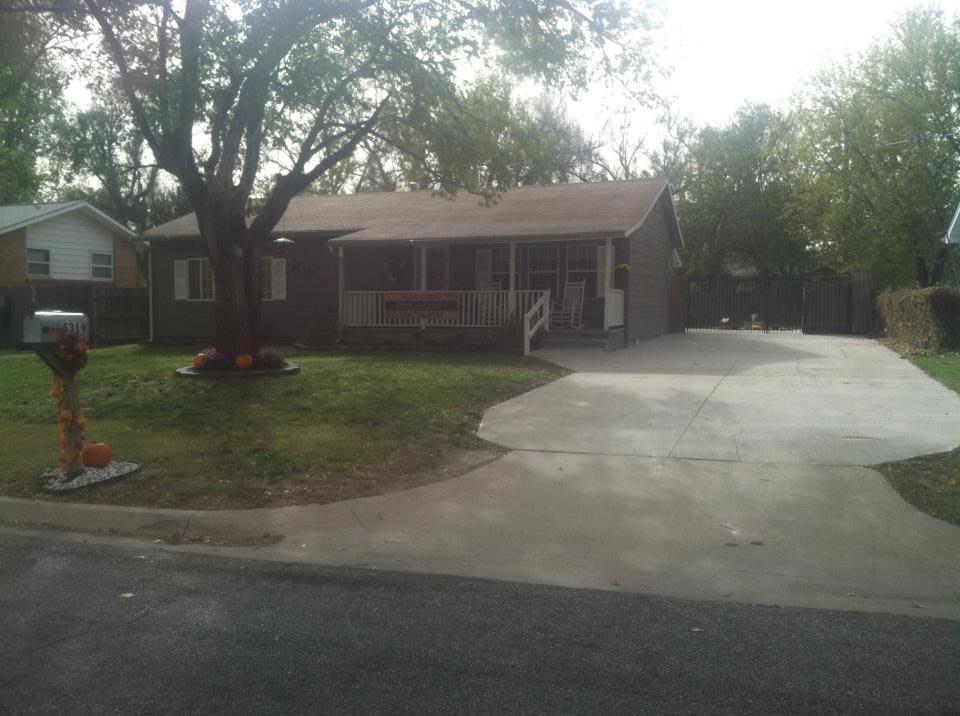
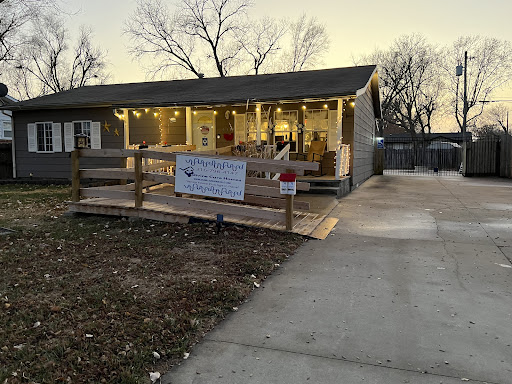
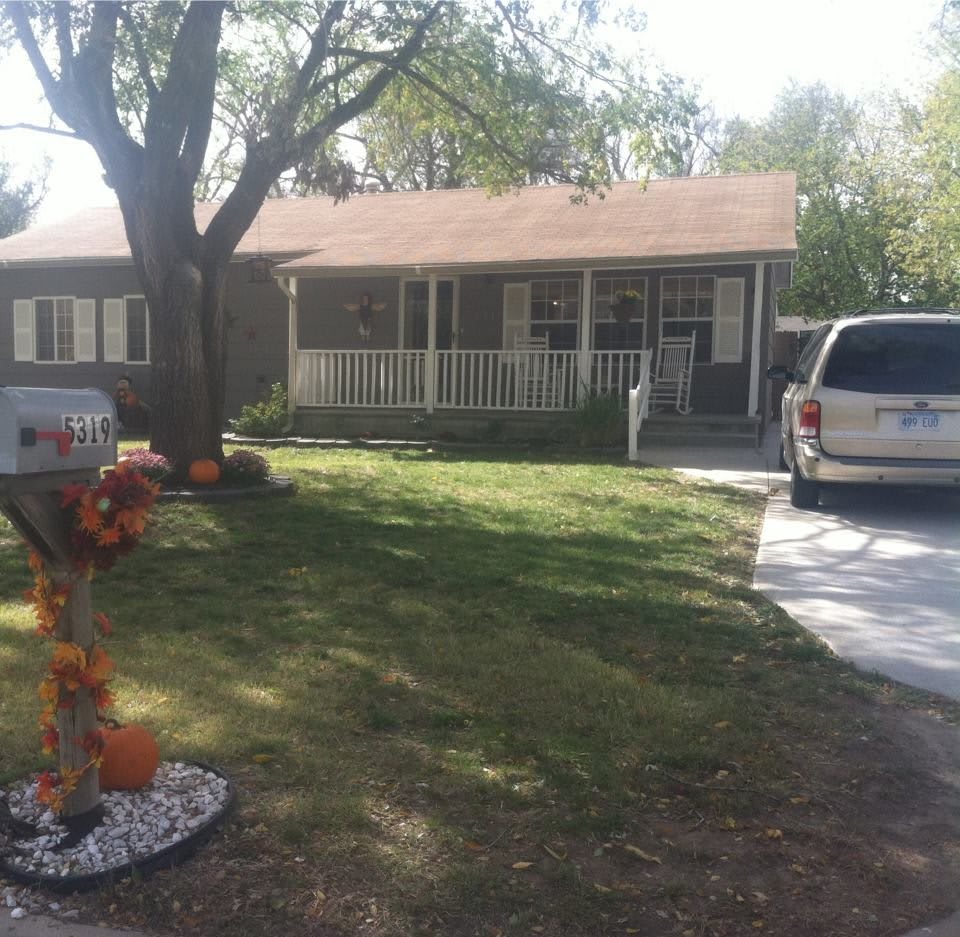
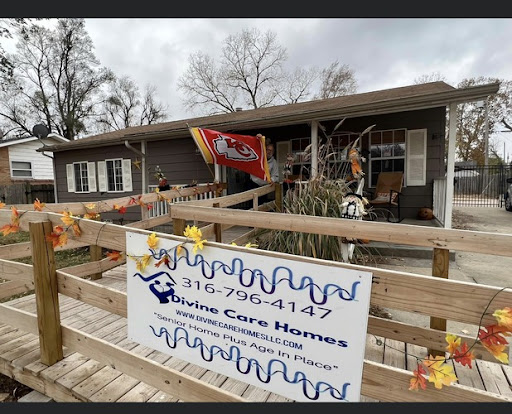

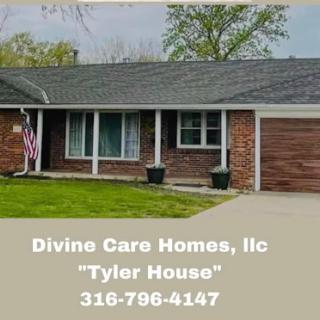
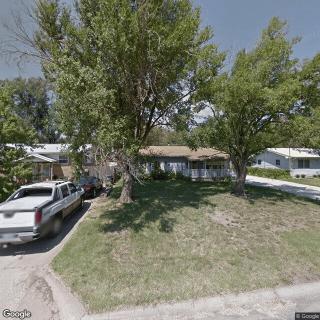
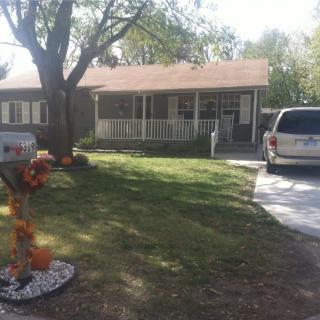
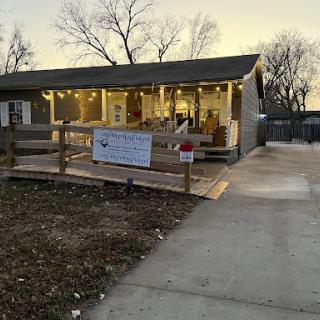
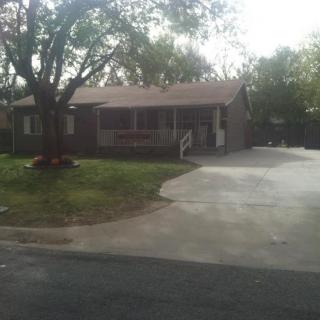
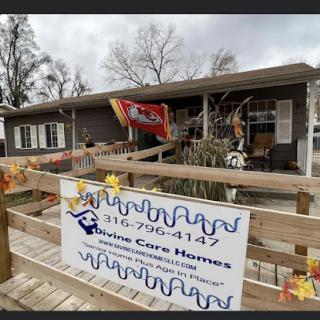
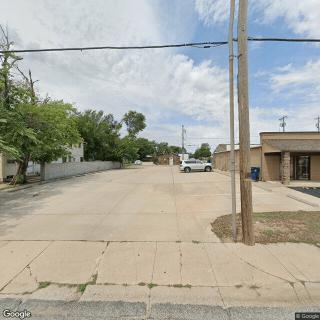
5319 South Spruce Street, Wichita, KS 67216
For more information about senior living options: (866) 208-4318
Divine Care Homes Costs & Pricing
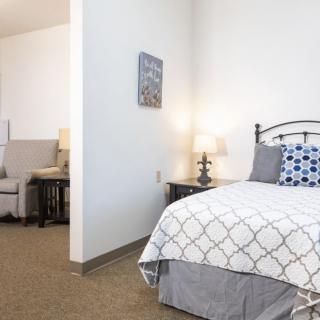
Divine Care Homes offers competitive pricing for its services, with monthly rates standing at $5,600 for a semi-private room and $5,800 for a private room. When comparing these costs to the averages in Sedgwick County, Divine Care Homes is slightly higher than the county's semi-private average of $4,937 and private average of $5,320. Similarly, when looking at broader state figures for Kansas, which show averages of $4,562 for semi-private and $5,137 for private rooms, Divine Care Homes positions itself at a premium level. This pricing reflects the quality of care and additional amenities that Divine Care Homes provides to its residents.
| Floor plans | Divine Care Homes | Sedgwick County | Kansas |
|---|---|---|---|
| Semi-Private | $5,600 | $4,937 | $4,562 |
| Private | $5,800 | $5,320 | $5,137 |
Assisted Living communities with a similar price nearby
-
from +$580 / mo

Reflection Living Maize Court 3
$6,180 / month9.9 miles away -
from +$580 / mo
Reflection Living Maize Court 2
$6,180 / month10.0 miles away -
from -$405 / mo
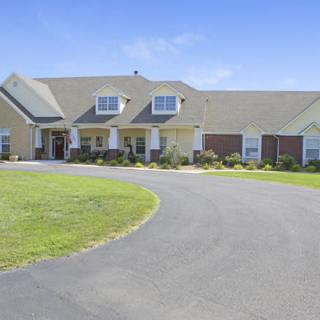
Brookdale Derby
$5,195 to $5,605 / month4.9 miles away -
from -$500 / mo
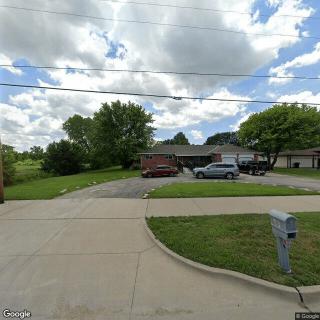
Ultra Care Home Plus
$5,100 to $6,400 / month7.3 miles away -
from -$500 / mo
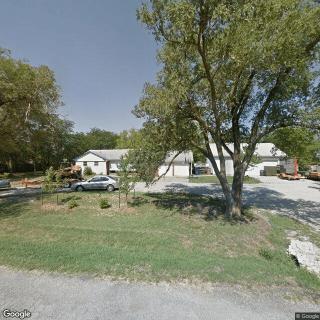
Ultra Care Home Plus 2
$5,100 to $5,400 / month6.8 miles away
Overall Review of Divine Care Homes
Pros
 They would recommend Divine Care Homes to anyone seeking quality elder care.
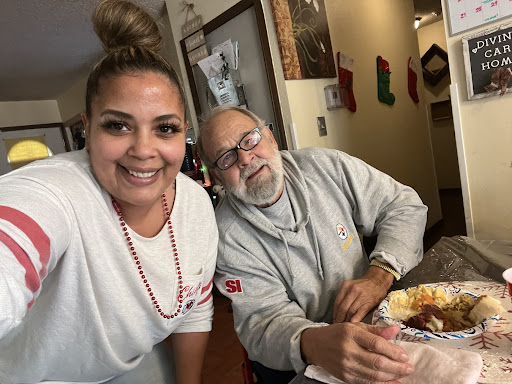
- The staff appreciates the home’s family-oriented culture, where residents are treated like family and receive individual attention.
- Rachel and Cory are among the most caring and thoughtful bosses, who genuinely care about employees and residents.
- The owners are very family-friendly and go above and beyond to provide quality care.
- The home is highly praised for outstanding care and compassion.
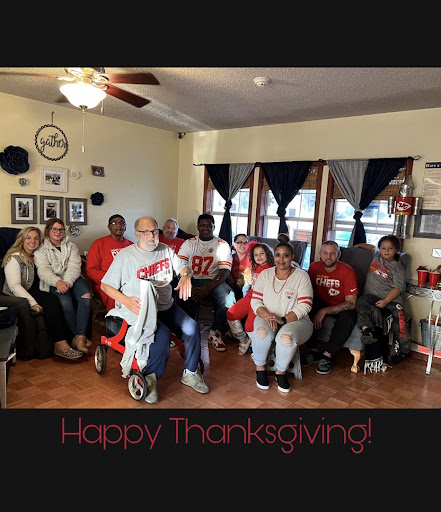
- The residence has a real home atmosphere, with friendly, welcoming staff and a clean environment.
- The team offers thorough information, including virtual tours, and explains processes clearly and kindly.
- Families feel the home is stress-free and a great place for loved ones to receive care.
- The staff listen, care, and meet residents' physical, mental, and emotional needs.
Review
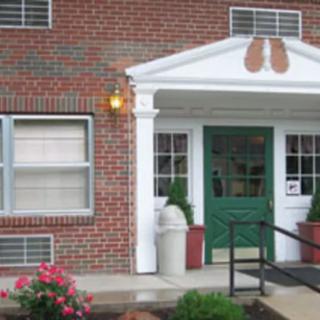
Divine Care Homes in Wichita, KS is best suited for seniors who want a truly homelike atmosphere with attentive, individualized care. This community thrives when a loved one benefits from one-on-one attention, consistent staff relationships, and a family-run leadership approach that feels more like a private home than a clinic. It works best for residents who value emotional warmth, daily routines that resemble a familiar home setting, and caregivers who treat them with genuine warmth and respect. It is not the right fit for those whose needs demand high-intensity medical oversight, complex skilled nursing, or highly structured memory-care programming.
Those considering alternatives should note that Divine Care Homes is a residential, small-scale setting. Families with loved ones requiring constant medical monitoring, extensive wound care, invasive therapies, or specialized dementia care programs may find larger assisted-living campuses or memory-care communities better aligned with clinical expectations and a wider array of on-site medical services. Additionally, households prioritizing a bustling activity calendar, broad social programming, or highly standardized care plans may prefer facilities that operate at a larger scale with more resources and specialized departments.
The strongest pros are the core premise of care and the relationships that anchor daily life. Staff and owners Cory and Rachel consistently come across as deeply invested, creating a true family atmosphere where residents are spoken about and treated as part of the family. The care is highly personalized, daily routines are tailored to individual needs, with close attention to mental, physical, and emotional well-being. Reviews repeatedly emphasize hands-on bathing, nourishing meals, and a willingness to go the extra mile to ensure comfort and dignity. The home-like setting, cleanliness, and inviting atmosphere reinforce a sense of security and belonging that large facilities often struggle to replicate.
Yet the small, residential format does come with practical limits. The most credible concern is the naturally narrower scope of medical and therapeutic services compared with larger campuses. There may be fewer on-site specialists, less 24/7 clinical coverage, and fewer program options that target specific conditions or high-acuity needs. The reality of a “home” model means families should be prepared to coordinate external care when advanced medical management or memory-care-specific protocols are required. For some, this trade-off will be acceptable; for others, it will be a decisive factor.
Despite these trade-offs, the favorable elements easily offset potential gaps when infused with the right expectations. The owners’ hands-on leadership and the staff’s willingness to listen create an extraordinary level of trust and reliability, issues that matter most to families navigating transitions. The sense of safety and belonging reduces the stress associated with a loved one’s care, and the testimonials demonstrate consistent high-quality daily living, gentle supervision, respectful treatment, and a living-room-at-home vibe that fosters meaningful social connections among residents. This combination makes Divine Care Homes a compelling option for those who prioritize heart and consistency over breadth of services.
In making a decision, families should approach Divine Care Homes as a top-tier choice for a warm, intimate care environment that emphasizes personal dignity and family-centered values. It is an especially strong fit for seniors who flourish in a smaller, cohesively run setting and who are comfortable with a community where staff-to-resident ratios enable genuine relationships. For anyone whose criteria center on high-level medical services, memory-care specialization, or a vast array of amenities, alternatives may offer clearer alignment. Prospective residents are encouraged to schedule an in-person or virtual tour, ask pointed questions about daily schedules, meals, and the specific care plans available, and verify how transitions to higher levels of care would be managed if needs evolve.
 5 resident community capacity
 Assisted Living
 Board and Care Home
 Cats allowed
 Dogs allowed
 Activities off-site
 Beautician on-site
 Cable or satellite TV
 Devotional services off-site
 Dining room
 Fully furnished
 Garden
 Housekeeping services
 Indoor common areas
 Move-in coordination
 Outdoor common areas
 Private
 Telephone
 Wheelchair accessible showers
 Wi-Fi/high-speed internet available
 Wichita Mid-Continent (8 miles away)
 24-hour supervision
 Assistance with bathing
 Assistance with dressing
 Assistance with transfers
 Diabetes diet
 Diabetic care
 High acuity care
 Incontinence care
 Meal preparation and service
 Medication management
 Special dietary restrictions
 Transportation arrangement (medical)
 Transportation to doctors appointments

 Assisted Living Support for Veterans: A Complete and Detailed Overview
 Exploring the Contrasts Between Assisted Living and Skilled Nursing
 8 Key Indicators That Suggest It May Be Time to Transition from Assisted Living to Skilled Nursing Care