
701 Osa Martin Blvd, Chanute, KS 66720
To contact a resident: (620) 431-0599
For more information about senior living options: (866) 208-4318
Credo Senior Living Costs & Pricing
Credo Senior Living offers competitive pricing for its studio accommodations at $4,575 per month, which positions it favorably against the broader market in Wilson County, where similar arrangements average around $4,792, and the state of Kansas, with a lower average cost of $4,094. This pricing structure suggests that Credo may provide added value through enhanced services or amenities that justify the slightly higher cost compared to local competitors. Residents can expect a comfortable living experience tailored to senior needs while navigating an ever-evolving landscape of care options within the region.
| Floor plans | Credo Senior Living | Wilson County | Kansas |
|---|---|---|---|
| Studio | $4,575 | $4,792 | $4,094 |
Overall Review of Credo Senior Living
Pros
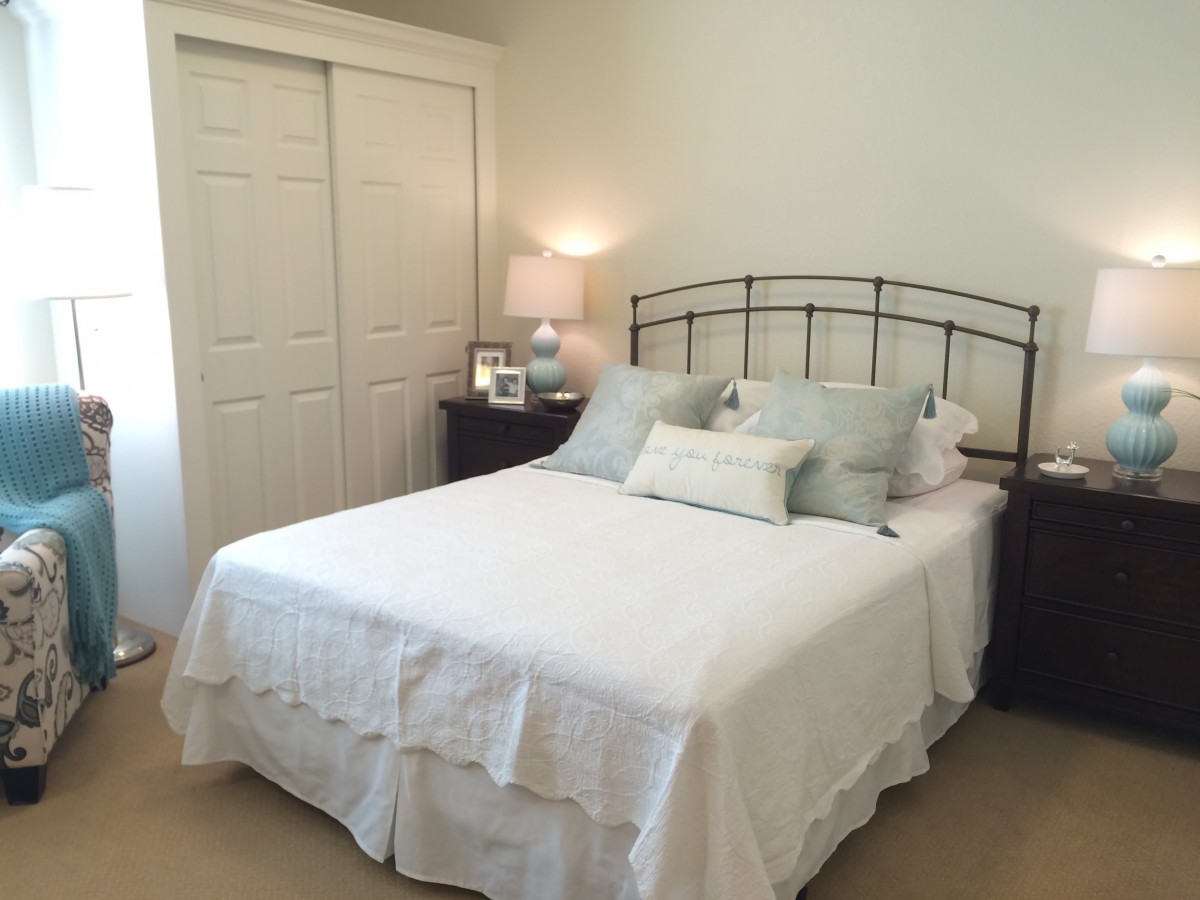
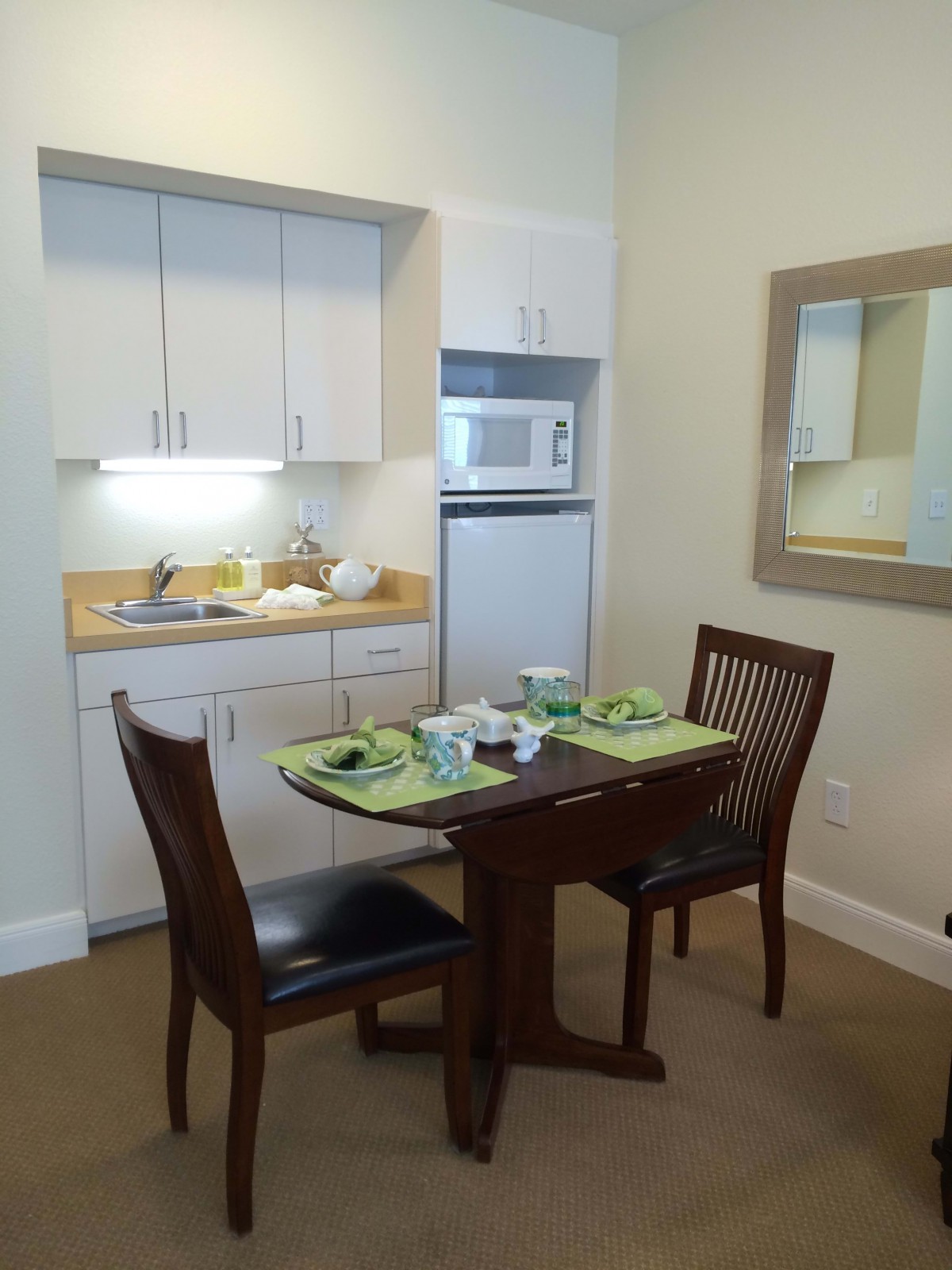
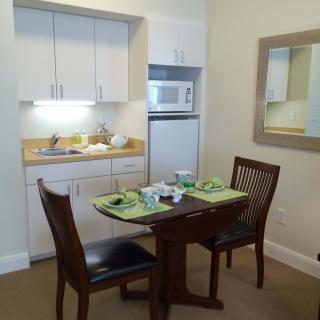
 The studio units include a kitchenette with a mini fridge, microwave, and sink.
- There are always more than one care aide, and residents receive an alert button for mobility support.
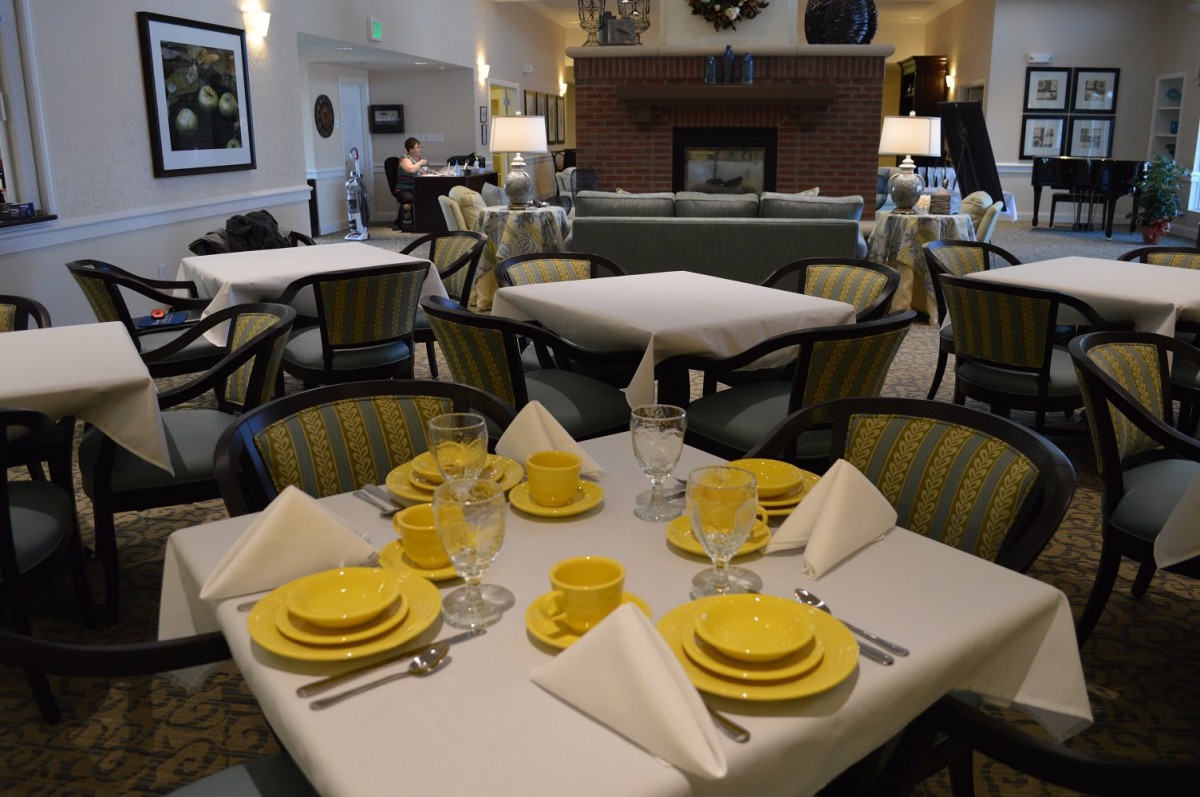
- Healthy meals are prepared for residents instead of relying on take-out.
- The community offers engaging activities such as bingo, crafts, and seniorcise to keep residents busy.
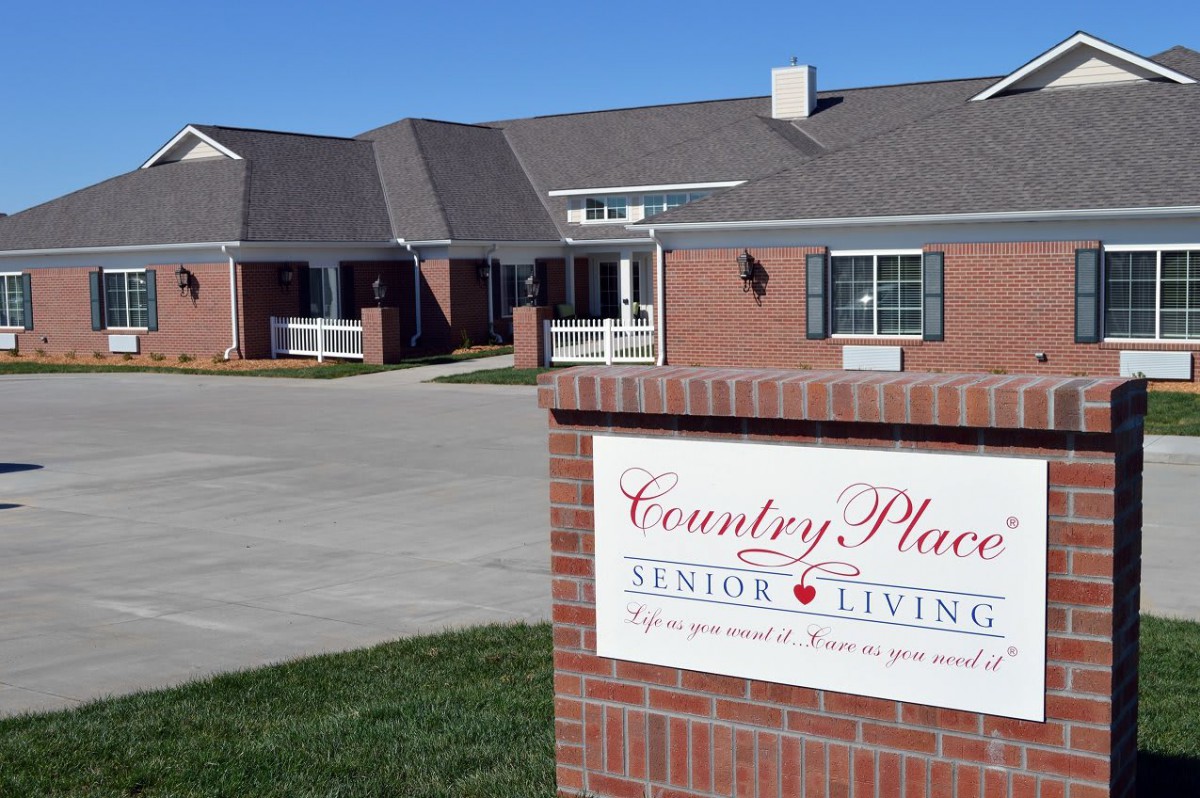
- Country Place is described as one of the best facilities in SEK.
- The staff express genuine care for the residents, describing the place as absolutely amazing.
Cons
 The reviews suggest that none of the communities are perfect, describing them as only adequate or fairly good.
- The leadership is criticized for not following up to verify that issues are resolved.
- High staff turnover and a lack of attention to detail are said to be common, with potentially fatal consequences.
- Undertrained staff (younger workers with minimal training) may lack the knowledge needed for evenings and weekends.
- Dementia and insulin-related eating issues are identified as problems.
- Hospice and assisted living are implied to be unsuitable for residents who need help with restroom use or who are bedridden.
Review
Credo Senior Living in Chanute, KS is best suited for seniors who are transitioning from independence but do not yet require full-time skilled nursing. It works well for residents with mild dementia or memory challenges who need help with medications, routine meal preparation, and mobility support. The property’s studio units include kitchenettes, which supports a degree of autonomy, and there is a clear safety framework in place with multiple care aides available and alert buttons for residents who need mobility assistance. For families seeking a safer, supervised environment that preserves familiar routines, without the immediacy of a hospital-like setting, Credo offers a practical bridge between home life and more intensive care.
On the other hand, this community may not be the right choice for elders who are approaching the need for constant skilled nursing or have complex end-of-life requirements. A recurring theme in the feedback centers on hospice eligibility, underscoring that hospice and assisted living are not designed for those who are bedridden or require comprehensive incontinence care. The reality of high staff turnover and inconsistent communication between shifts raises concerns about medication coordination and day-to-day attention, particularly during evenings and weekends. Leadership gaps in follow-through can leave families waiting for assurances that care plans are being implemented. For those with evolving medical needs or fragile health, alternatives with stronger medical oversight may be more appropriate.
The strongest positives for Credo revolve around stability in caregiving presence and a responsive safety net. Families can expect more than one aide with residents when needed, supported by alert systems that help ensure help is prompt. The ability to prepare or heat simple meals in studio units reduces dependence on outside services and supports a sense of normalcy. Residents benefit from structured activities, bingo, crafts, and senior-cise, that foster social connection and mental engagement, which are essential to mood and overall well-being. The culture of care, as reflected in dedicated staff who express genuine affection for residents, provides a meaningful layer of attentiveness that can offset some operational limits.
Yet the core risk remains care coordination and continuity. Prospective families should demand concrete answers about how medications are reconciled across shifts, who becomes the primary contact for new or changing health statuses, and how dementia progression triggers escalation and review of the care plan. It is crucial to inquire about day versus night staffing ratios and whether a designated nurse or medication aide oversees complex regimens. The process for hospital transfers or transitions to hospice, including integration with external providers, should be transparent. A robust written care plan, regular monthly updates, and a clear escalation protocol are essential expectations that will determine whether the positive aspects translate into consistently reliable care.
In comparative terms, Credo presents a solid option for those prioritizing safety, routine, and social engagement in a smaller-town environment. For families needing comprehensive geriatric medicine, high-touch chronic disease management, or extensive supervision for advanced dementia, other facilities with stronger in-house medical capabilities or memory-care specialization may be more suitable. It is wise to assess turnover history and leadership responsiveness by speaking with frontline staff and residents during visits, not just relying on marketing materials. If the budget allows, exploring nearby options with demonstrated stability and a track record of proactive care coordination could yield a higher level of assurance.
Overall, Credo Senior Living offers a practical, compassionate choice for seniors who require reliable medication support, modest mobility assistance, and engaging daily programming while preserving a degree of independence. The facility’s most compelling value emerges when staffing remains stable, communication is vigilant, and care plans are actively managed and updated. When these conditions are met, residents enjoy a dependable safety net and a quality-of-life experience that feels comfortably routine. If any doubt arises about these elements, pursuing alternatives with stronger medical oversight and continuity of care becomes a prudent, reality-grounded decision.
 Assisted Living
 Cats allowed
 Dogs allowed
 Activities off-site
 Devotional services on-site
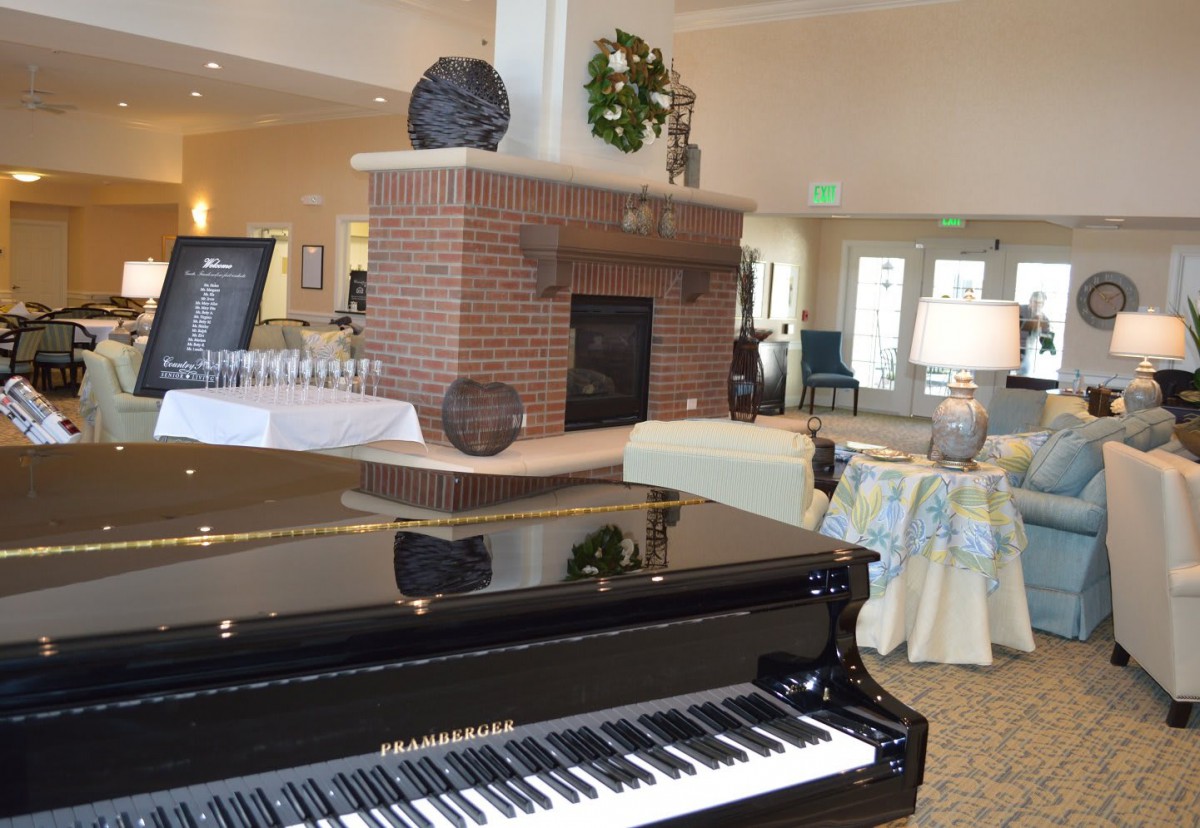
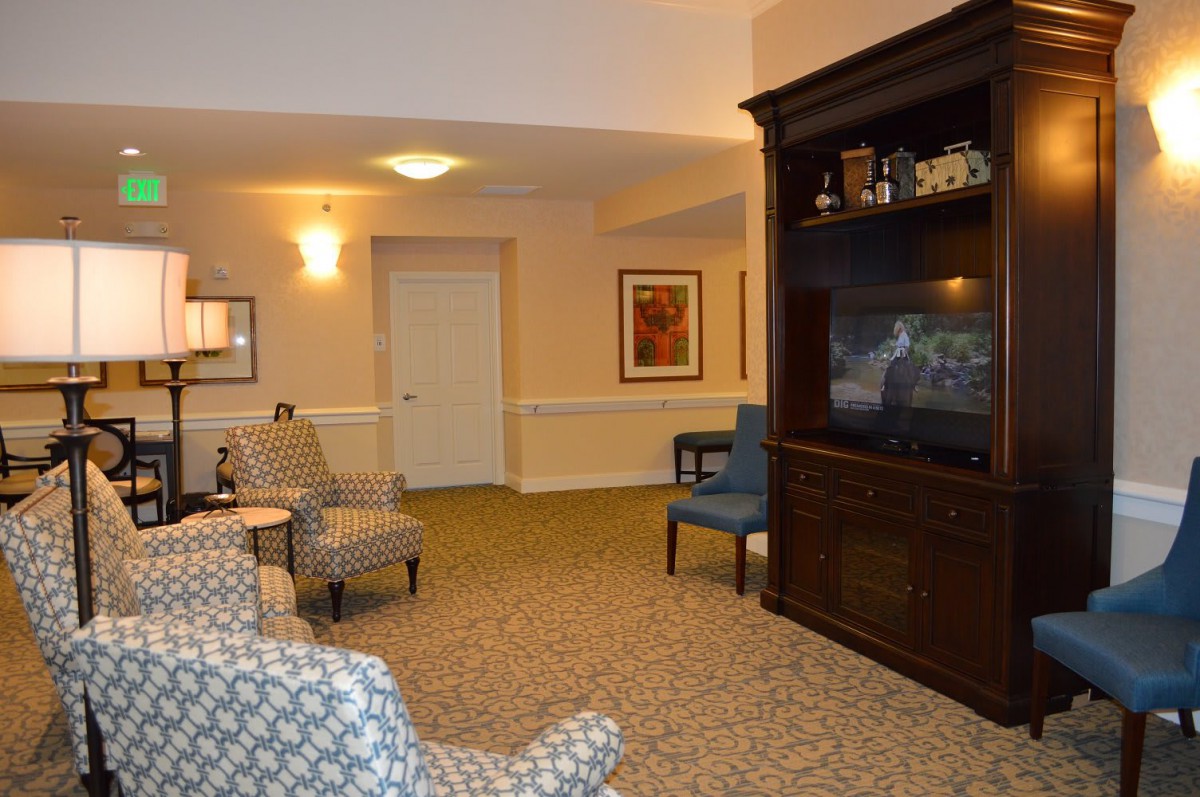
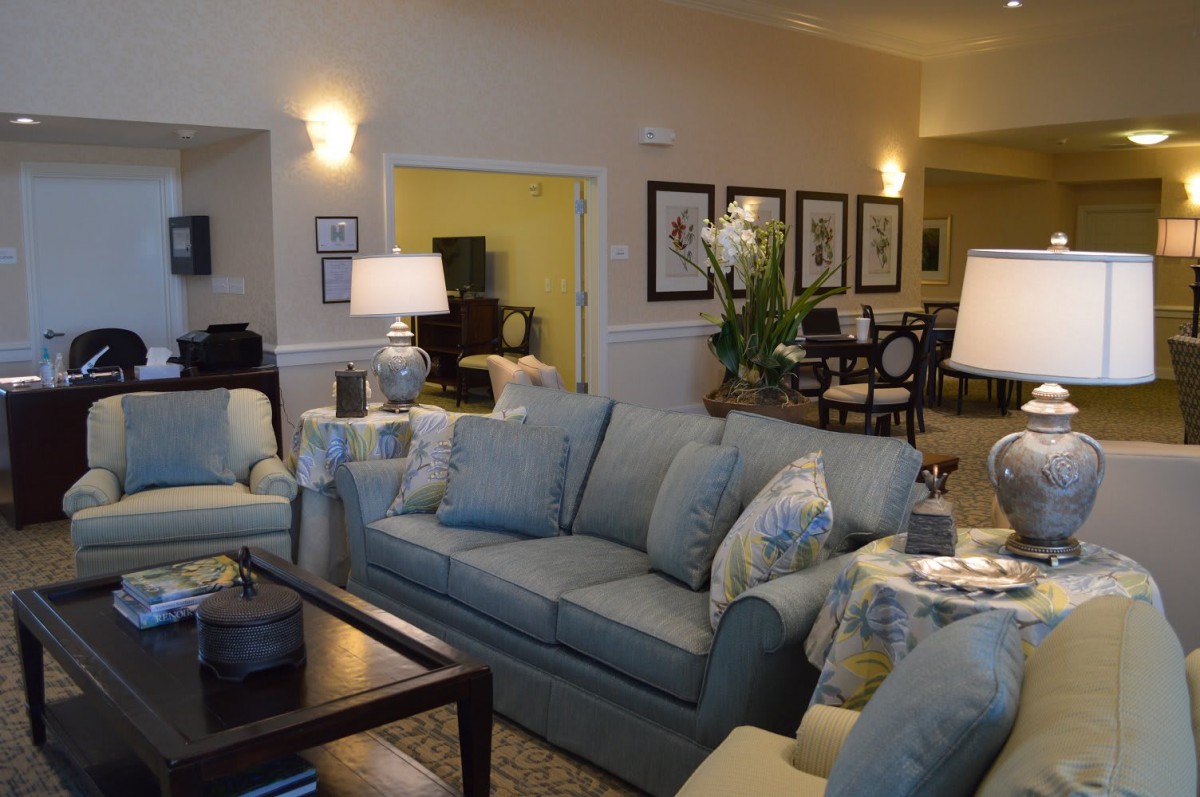
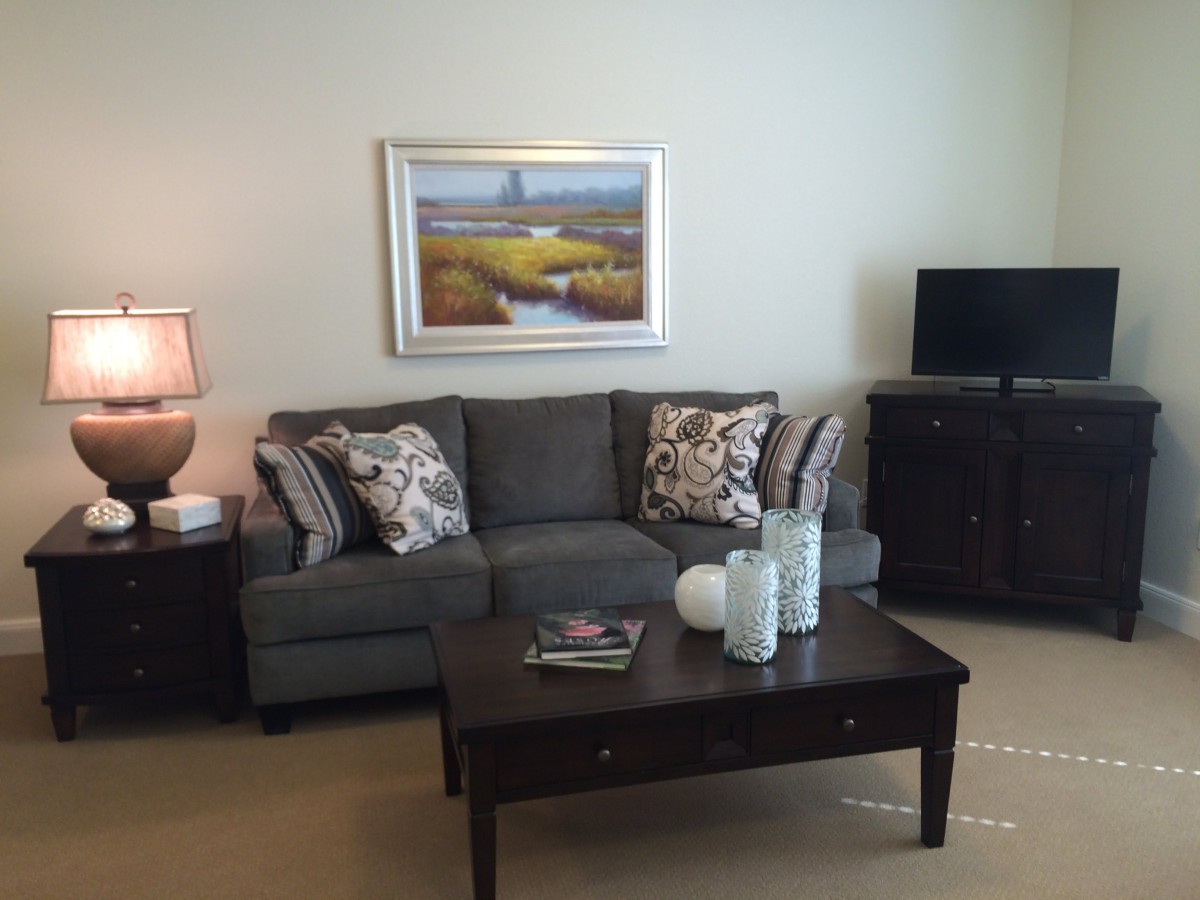
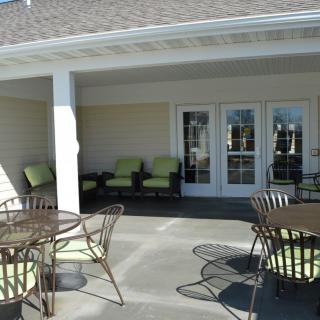
 Indoor common areas
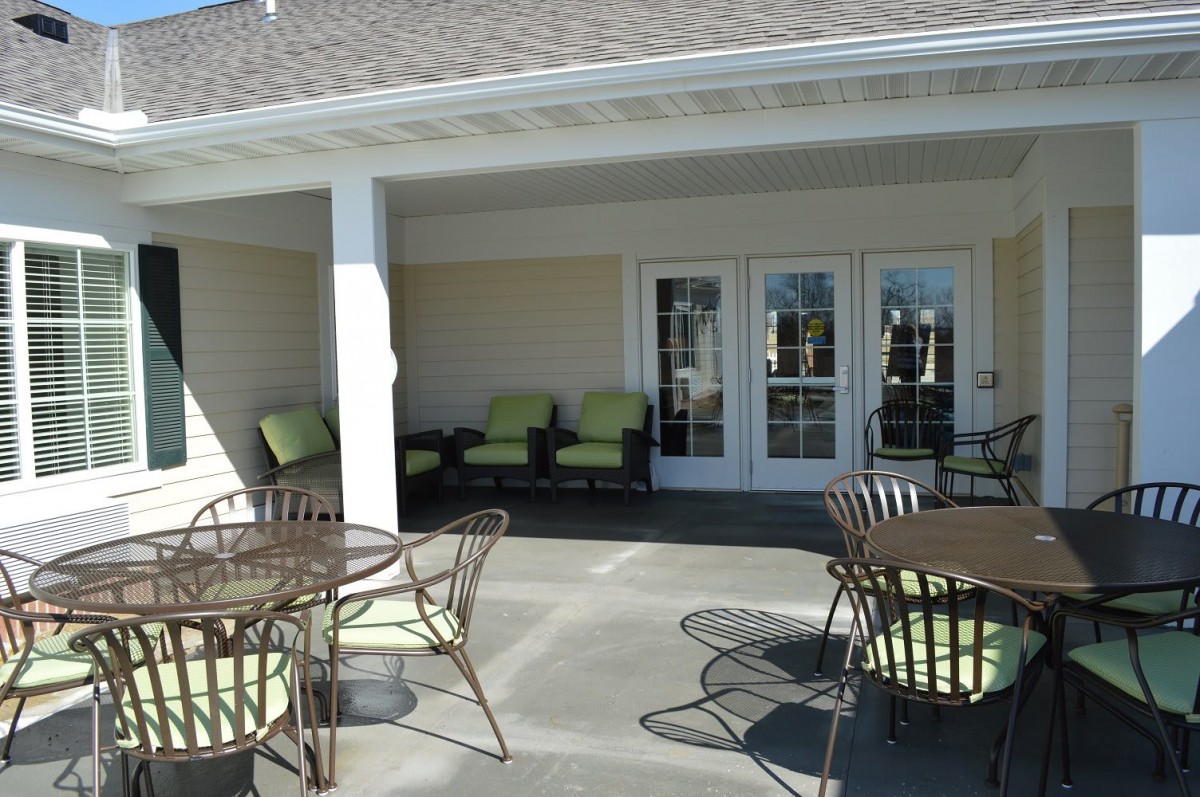
 Outdoor common areas
 Ambulatory care
 Diabetic care
 Meals provided




 Understanding Medicaid Coverage for Assisted Living: A Comprehensive Guide
 How and When Medicaid May Cover Assisted Living Costs
 A Detailed Exploration of Assisted Living Medicaid Waivers Across the United States