
530 West 14Th Street, Chanute, KS 66720
For more information about senior living options: (866) 208-4318
Overall Review of Diversicare Of Chanute
Pros
 The staff are friendly and dedicated, going above and beyond for residents.
- Diversicare has built an amazing and caring team that families can trust to care for their loved ones.
- Residents love the home-like environment and the on-site residents store.
- The staff treat loved ones with kindness and ensure they receive excellent care.
- Residents feel safe and well cared for, with clean and quiet rooms.
- A fabulous, caring doctor oversees residents, contributing to high-quality care.
- The staff are attentive and patient, and they communicate openly with families.
- Staff are helpful and supportive, including assisting residents with personal needs to stay connected with family.
Cons
 The food is just awful.
- These poor old sickly people are begging for food.
- Is this how we treat people? Nothing healthy about it at all!!!
- Very disappointing to pay so much and have her things stolen.
- They took the lady and said she was going to die in a week; they took her meds and destroyed them.
- Do not ever send your family here if you care for them.
- Ever since reporting a staff member for being impatient with the Alzheimer’s mother, the care for the grandma went downhill and she is now hospitalized.
- They know they have a problem.
- The reviewer would rate this even lower if possible.
Review
Diversicare of Chanute is best suited for seniors whose families value a warm, caregiver‑driven environment where daily interactions feel personal and reassuring. It works well for residents who want a home‑like atmosphere, steady staff engagement, and reliable communication with families, even if a few services aren’t flawless. The core strength lies in the people: caregivers who genuinely engage, build relationships, and respond with patience and kindness. For families prioritizing consistent, approachable care over pristine dining or clinical precision, this community delivers daily stability, familiar routines, and a sense of safety that matters.
Those considering alternatives should weigh needs that aren’t as easily met here. If dining quality and variety are non-negotiable, this may not satisfy every palate, and there are facilities with stronger meal programs. If the resident requires a rigorously controlled safety record, impeccable incident management, or highly regimented operations, other communities with more stringent oversight may be a better fit. Same logic applies for residents with intensive memory‑care needs or those requiring advanced medical equipment and specialized staff; here, the focus is on consistent daily care and warmth, which may not align with every clinical expectation.
Key pros offset some drawbacks, but not all. The most compelling strength is the staff’s dedication: accounts consistently highlight compassionate, patient caregivers who go above and beyond, coupled with open, approachable communication with families. The home‑like setting, where staff foster a sense of belonging and residents can enjoy a simple store‑like convenience on site, enhances everyday life and reduces isolation. These positives soften concerns about routine imperfections, because confident caregivers reduce anxiety about day‑to‑day caregiving. Yet serious red flags, claims of theft, medication mishandling, or episodes that led to hospitalization, undercut trust and cannot be fully outweighed by warmth alone.
The favorable side of the ledger includes visible dedication from caregivers, whose attentiveness contributes to residents feeling safe and well cared for. Families repeatedly describe staff as exceptional in meeting needs and maintaining a calm, respectful atmosphere. A responsive physician overseeing medical care adds a layer of reliability, and clean, quiet rooms reinforce a sense of dignity and comfort. Importantly, several anecdotes emphasize genuine, personal connections, staff sharing resources or letting residents use personal phones when they need to reach family, creating meaningful quotidian stability that many seniors prize in later years.
However, the drawbacks carry weight in decision making. Reports of belongings going missing and questions about accountability create real concerns about safety and control over the environment. Critiques of medication handling and of staff impatience with Alzheimer’s patients point to potential gaps in training, supervision, and consistency across shifts. These issues don’t erase the positive experiences, but they do raise the stakes for families evaluating risk versus reward. The contrast between heartfelt care and operational missteps translates into a decision parameter: confidence in risk management and incident response must be established before committing long‑term.
In the end, Diversicare of Chanute presents a practical, care‑focused option for families who prize warmth, personal attention, and a homelike day‑to‑day experience. It is a credible choice for residents who can tolerate uneven dining quality and who value strong, ongoing family communication. Families weighing this community should pursue a structured tour with a clear checklist: review incident histories and safety protocols, verify current staffing levels and caregiver turnover, and probe the facility’s approaches to memory care and medication management. If dining standards, rigorous safety controls, and highly specialized care are paramount, exploring alternatives with stronger programs in those areas is prudent. A thorough, candid tour will reveal whether the balance of compassionate care and operational reliability aligns with the resident’s needs and the family’s risk tolerance.
 77 resident community capacity
 Skilled Nursing Facility
 Air-conditioning
 Beauty salon
 Cable or satellite TV
 Computer center
 Dining room
 Fitness room
 Fully furnished
 Gaming room
 Garden
 Housekeeping services
 Kitchenette
 Move-in coordination
 Outdoor space
 Private bathrooms
 Restaurant-style dining
 Small library
 Telephone
 Wellness center
 Wi-Fi/high-speed internet available
 Community operated transportation
 12-16 hour nursing
 24-hour call system
 Activities of daily living assistance
 Assistance with bathing
 Assistance with dressing
 Assistance with transfers
 Diabetes diet
 Medication management
 Mental wellness program
 Special dietary restrictions
 Concierge services
 Planned day trips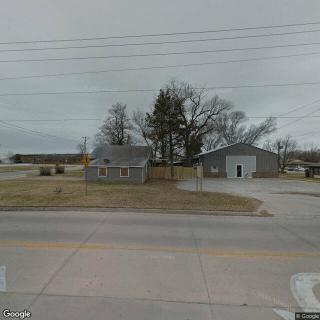





 Home Health Care Demystified: A Comprehensive Guide for Families and Caregivers
 Seniors and Modern Transportation: Exploring Uber, Lyft, and Other Ride-Hailing Options
 Comprehensive Guide to Qualifying for Home Health Care Services