
P. O. Box 559, Vinton, IA 52349
For more information about senior living options: (866) 208-4318
Overall Review of The Lutheran Home For The Aged Association - East
Pros
 The Lutheran home treats new staff with the most respect.
- The reviewer enjoyed the staff and the clean facility.
Cons
 Staff are treated like garbage after initial interactions.
- A lot of staff are quitting due to a lack of respect and poor management.
- The workload is unfairly dumped on one person, which is seen as wrong.
- The nurses station bullies other coworkers on the walkie-talkies.
- There is sickening drama and disrespect at the Lutheran home.
- The reviewer would give zero stars but Google won't let them.
Review
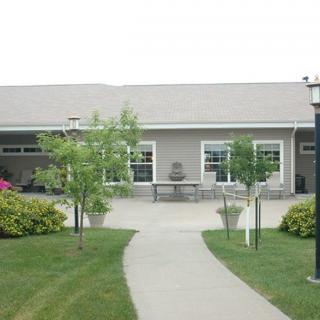
The Lutheran Home For The Aged Association - East in Vinton, IA is best suited for seniors who prize a clean, orderly campus in a small-town setting and for families willing to tolerate variability in day-to-day staffing. The facility delivers a calm, routine-friendly atmosphere and a presentable, well-kept environment that can reassure relatives during transitions. It is most appropriate for residents who want straightforward care without the bustle of a larger campus, and who can accept that warmth and responsiveness may ebb and flow. The essential advantages lie in appearance, safety, and predictable spaces that feel controllable, particularly for those prioritizing comfort and routine over high-touch medical intensity.
Those who should consider alternatives are typically the ones who cannot tolerate inconsistent staffing or leadership lapses. If reliable, steady staffing and cohesive management are nonnegotiable, this community may fall short. Similarly, residents with higher medical or cognitive care needs, where rapid, well-coordinated responses and specialized programming are critical, will want to compare options with stronger staffing depth and more robust governance. For families seeking minimal drama and a consistently responsive care team, this is a place to scrutinize closely rather than commit to quickly.
The positives center on the environment and, in favorable shifts, the people. A clean facility and a well-maintained campus create an immediate sense of respect for residents and their families. When staff members are attentive and personable, that warmth can noticeably improve daily life and perception of safety. In a setting this small, moments of genuine kindness from caregivers can stand out, helping residents feel valued and seen amid the routines of daily care. These elements matter and can carry meaningful weight for comfort and morale.
Yet the dominant concerns are substantial enough to temper the upside. Reports of disrespect among staff, management gaps, and a heavy workload placed on a single person point to a fragile operations picture. The image of a nurses’ station “sitting around” and colleagues experiencing bullying and drama signals a culture that undermines teamwork and reliability. In senior care, such dynamics threaten timely response, consistent oversight, and the emotional climate for residents. When leadership appears inconsistent or overburdened, the risk rises that care may become reactive rather than proactive, with residents and families paying the price.
The pros do offer helpful counterpoints, but they rarely neutralize the core risks. A clean, orderly facility and occasional positive staff interactions provide tangible comfort and can sustain peace of mind for some families, especially during the transition. However, these advantages do not erase the weightier issues: staffing instability, leadership shortfalls, and interpersonal frictions that can degrade daily care, safety, and resident satisfaction over time. For families assessing long-term needs, the environmental polish is not a substitute for dependable, scalable care and a cohesive team culture.
A practical decision framework emerges from these observations. Schedule a detailed tour focused on staffing patterns: ask for current staff-to-resident ratios, turnover rates, and how shifts are covered during peak times. Speak with front-line caregivers and several residents or families to gauge consistency of care, responsiveness, and emotional climate. Review how leadership handles conflicts and training, and probe recent quality concerns or incident logs. Compare with a couple of neighboring communities that offer stronger staffing stability and more explicit governance. If cleanliness and a welcoming atmosphere are decisive, and oversight can be maintained through active involvement, this community can work. If not, alternatives likely hold greater long-term promise.
 21 resident community capacity
 Assisted Living
 Beauty salon
 Cable or satellite TV
 Dining room
 Fully furnished
 Garden
 Housekeeping services
 Kitchenette
 Move-in coordination
 Outdoor space
 Telephone
 Wi-Fi/high-speed internet available
 Eastern Iowa (25 miles away)
 24-hour call system
 Activities of daily living assistance
 Assistance with bathing
 Assistance with dressing
 Assistance with transfers
 Diabetes diet
 Meal preparation and service
 Medication management
 Mental wellness program
 Special dietary restrictions
 Transportation arrangement (medical)
 Transportation to doctors appointments



 Securing Financial Support for Assisted Living: A Comprehensive Overview
 Social Security Benefits and Assisted Living: Navigating Options Across the U.S.
 An Extensive Exploration of the VA Aid and Attendance Benefit