
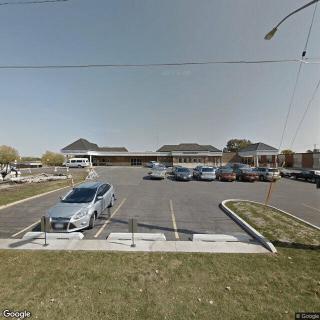
2591 61st Street Ln, Vinton, IA 52349
To contact a resident: (319) 472-2671
For more information about senior living options: (866) 208-4318
Overall Review of Cedar Valley Ranch
Pros
 They are hopeful about Cedar Valley Ranch and plan to visit again to learn more.
- They view Cedar Valley Ranch as a potential place to live for those who need supervision.
- They intend to provide a more favorable review after further visits and learning more.
Cons
 Everyone looked drugged; all they do is watch TV, smoke, and watch TV.
- They are bored and losing what little sanity they have left; they want more to do.
- The Cedar Valley Ranch treats everyone like they're “mentally ill.”
- They don't allow computers or smartphones.
- The residents are treated like children.
- They go bowling once a week and, once in a while, go fishing, whether they want to or not.
- That’s it; otherwise it’s TV, smoke, and/or sleep.
- The cat is not magical.
Review
Cedar Valley Ranch in Vinton, IA is best suited for seniors who require steady supervision and a highly structured daily routine. This community prioritizes safety and predictability, offering a framework where staff keep a close eye on residents and days unfold with set activities and limits. For families seeking a calm, monitored environment where transitions are predictable and the day-to-day cadence is defined, this setting provides a straightforward, low-variables option. It appeals to those who value a supervised living arrangement over autonomy, and to families who want reassurance that someone is always watching and guiding the rhythm of life.
There are clear reasons to consider alternatives, however. Prospective residents who crave meaningful engagement, variety in programming, and opportunities to exercise choice may find Cedar Valley Ranch lacking. The lived experience described by families points to a culture that can feel restrictive: no access to personal devices, limited meaningful outings, and a sense that activities exist more to fill time than to stimulate growth or connection. For individuals who prize independence, autonomy, and social stimulation, along with the freedom to use technology to stay connected, the environment here can feel confining and dismissive of resident preferences.
The most notable positives center on safety and structure. For families prioritizing dependable supervision, the benefit is the removal of decisions from the resident’s day and the assurance that routines are followed. If medical needs arise or if a resident benefits from consistent monitoring, the staff presence and predictable programming tame uncertainty. Occasional outings, such as a weekly bowling trip or sporadic fishing excursions, provide touchpoints with the community and a sense of some external connection, even if those outings are perceived by some as mandatory rather than voluntary. In the right hands, a well-structured program can translate into peace of mind for families who want clear boundaries and reliable oversight.
Yet the major drawbacks are substantial and frequently cited: the sense of boredom and stagnation, the feeling of being treated like someone who cannot manage basic choices, and a culture that leans toward a paternalistic approach. Residents are described as mostly watching TV, with activities that revolve around passive entertainment and smoking rather than engaging, purposeful programming. The restriction on computers and smartphones further limits autonomy and the ability to maintain personal ties or pursue interests online. The combination of limited engagement and a guarded, adults-as-children atmosphere can erode mood and cognitive sharpness over time, making the day feel long and draining rather than restorative.
From a decision-making standpoint, families weighing Cedar Valley Ranch should scrutinize the balance between safety and stimulation. Important questions include how residents participate in daily planning, the level of input afforded to families and residents, and whether programming can be tailored to individual interests rather than pushing a one-size-fits-all schedule. It is wise to observe whether staff respond with genuine warmth and respect, and to assess whether there are realistic paths to more meaningful activities or broader social opportunities should a resident’s preferences evolve. Also worth evaluating are the opportunities for memory-support programming and whether residents are afforded dignity in every interaction.
In the end, Cedar Valley Ranch offers a clearly defined home for those who prioritize supervision, routine, and safety above all else. It is a practical choice when the priority is a calm, predictable environment with reliable oversight. For families seeking rich daily engagement, genuine autonomy, or a vibrant social scene that stretches beyond passive entertainment, alternatives are almost certainly worth exploring. The key decision hinges on whether the comfort of a tightly managed setting outweighs the desire for more dynamic activity, resident empowerment, and a culture that treats aging with individuality and respect rather than as a generic condition to manage.
 Assisted Living
 Activities on-site
 Devotional services off-site
 Indoor common areas
 Eastern Iowa (24 miles away)
 Ambulatory care
 Diabetic care
 Meals provided


 Assisted Living Expenses and Long-Term Care Insurance: A Comprehensive Exploration
 Securing Financial Support for Assisted Living: A Comprehensive Overview
 Social Security Benefits and Assisted Living: Navigating Options Across the U.S.