
604 3rd St SW, Tripoli, IA 50676
To contact a resident: (319) 882-4269
For more information about senior living options: (866) 208-4318
Tripoli Nursing Home Costs & Pricing
Tripoli Nursing Home offers competitive pricing across its various room types, aligning closely with the costs prevalent in Bremer County and differing somewhat from broader state averages. For instance, a studio room is priced at $2,395 per month, which matches both the county's rate but presents a significant savings compared to the Iowa state average of $3,613. The one-bedroom accommodations at Tripoli are offered for $3,125, maintaining parity with the county, yet are slightly higher than the state's average of $2,862. Finally, the two-bedroom option stands at $3,875 per month - equaling Bremer County's cost while again being more costly relative to Iowa's average of $3,329. Overall, Tripoli Nursing Home provides a range of options that are thoughtfully priced within the local context and beyond.
| Floor plans | Tripoli Nursing Home | Bremer County | Iowa |
|---|---|---|---|
| Studio | $2,395 | $2,395 | $3,609 |
| 1 Bedroom | $3,125 | $3,125 | $2,863 |
| 2 Bedrooms | $3,875 | $3,875 | $3,329 |
Assisted Living communities with a similar price nearby
-
from +$200 / mo
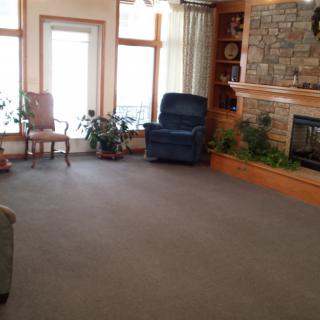
Whispering Willow Assisted Living&Memory Wing
$2,595 / month11.2 miles away -
About the same
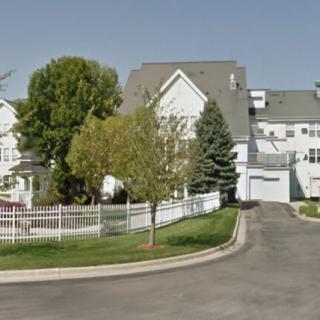
Rosewood Estate
$2,465 to $2,934 / month24.6 miles away -
from +$325 / mo
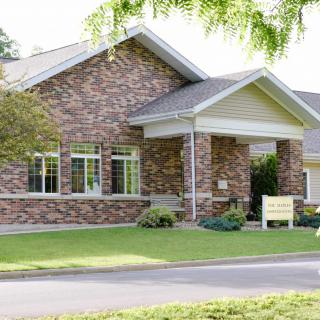
The Maples Assisted Living
$2,720 to $3,420 / month23.1 miles away
Overall Review of Tripoli Nursing Home
Pros
 The facility is small and family-like, clean, with incredible staff.
- It is a great place to visit where people are being helped.
- The staff are dedicated, and the facility is very nice.
- The staff were friendly and helpful, and the facility seems top-notch.
- The nursing home is very nice, in a small town, with caring people taking care of loved ones.
- The staff are wonderfully kind and provide quality care.
- Families feel comforted by the skilled nursing care and compassionate staff.
Cons
 The reviewer hates this nursing home.
Review
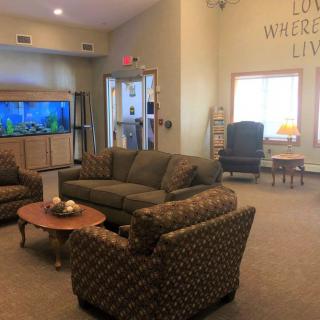
Tripoli Nursing Home in Tripoli, IA is best suited for families seeking a small, family-like residence where residents receive highly personalized attention and relationships between staff and residents feel genuinely caring. The consensus across multiple reviews is that this is a clean, intimate setting rather than a large institutional campus, with a demonstrated strength in skilled nursing and short-term rehabilitation. The tone from families is consistently warm: staff appear incredible, the environment feels homelike, and visitors frequently sense that their loved ones are treated with thoughtful, attentive care. For families prioritizing relational warmth and reliability over scale, this community stands out as a practical, reassuring option.
That said, Tripoli Nursing Home is not the best fit for every care plan. Those who require a more expansive program with greater amenities, a broader in-house activity calendar, or access to a wider array of specialized services may find alternatives more aligned with their expectations. The small-town, family-oriented model naturally emphasizes personal interaction and close-knit routines over the bustling pace and wide-ranging offerings of larger facilities. Families should consider whether a bigger campus, with more on-site therapies, social opportunities, and campus-wide events, fits their loved one’s social and medical needs.
The core advantages are simple to verify and highly persuasive. Cleanliness and upkeep are repeatedly highlighted, with the facility described as immaculate and well-maintained. The character and consistency of the staff stand out: caregivers are viewed as kind, friendly, and genuinely engaged with residents’ well-being. Residents and families repeatedly note that the food is good, and the overall atmosphere feels supportive and reassuring, an essential factor for those navigating transitions into skilled nursing or post-acute rehab. The small scale also enables staff to know residents personally, which translates into tailored routines, quicker response times, and a trusted sense of daily stability.
Those strengths buttress the main caveat that appears in a minority of reviews. A few voices surface serious dissatisfaction, including one notably negative post and another mixed rating, which reminds decision-makers that no facility is perfectly flawless in every case. Yet the overwhelming majority of feedback centers on the same theme: a caring, capable staff delivering attentive care in a clean, comfortable setting. In practical terms, the strong interpersonal culture, reliable caregiving, and home-like ambiance often mitigate concerns about limited programming or campus size, especially when families value a consistent, person-centered approach to daily care.
For families evaluating options, the practical takeaway is clear. If the goal is a trusted place where staff know residents by name, where families repeatedly hear “wonderful” and “kind” about the care team, and where the environment feels orderly and welcoming, Tripoli Nursing Home checks those boxes with credibility. Prospective residents or their loved ones should prioritize a firsthand visit focused on observing staff-resident interactions, confirming the availability of needed therapies, and asking about discharge planning and ongoing medical coordination. The facility’s demonstrated competence in coordinating pharmacy needs and supportive daily routines is a meaningful signal of the system-level reliability families rely on during transitions.
In the end, Tripoli Nursing Home stands out as a practical, dependable choice for families who value a small-scale, compassionate setting with consistently high staff engagement and a clean, orderly environment. It is especially well-suited for seniors who thrive on personal attention, seniors recovering from short-term rehab, and families seeking peace of mind from a facility that genuinely feels like a welcoming community. Those who require expansive programming, urban amenities, or a broad spectrum of specialty services should compare this option with larger facilities. A thoughtful visit, candid conversations with caregivers, and a clear assessment of care goals will reveal whether this intimate home aligns with the resident’s needs and the family’s expectations.
 Assisted Living
 Activities on-site
 Devotional services off-site
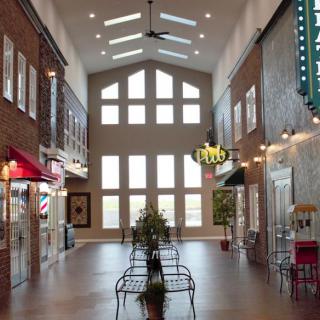
 Indoor common areas
 Waterloo Municipal (18 miles away)
 Ambulatory care
 Diabetic care
 Meals provided



 How and When Medicaid May Cover Assisted Living Costs
 A Detailed Exploration of Assisted Living Medicaid Waivers Across the United States
 Comprehensive Residential Support and Assisted Living Solutions for Individuals with Disabilities