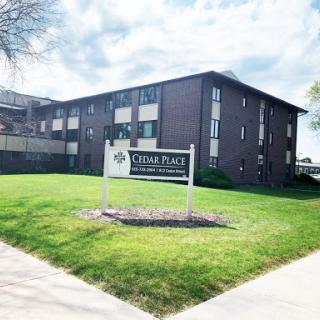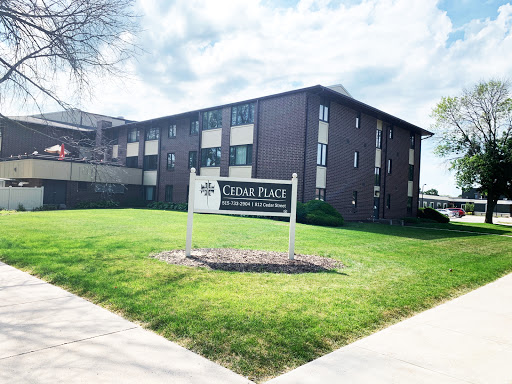
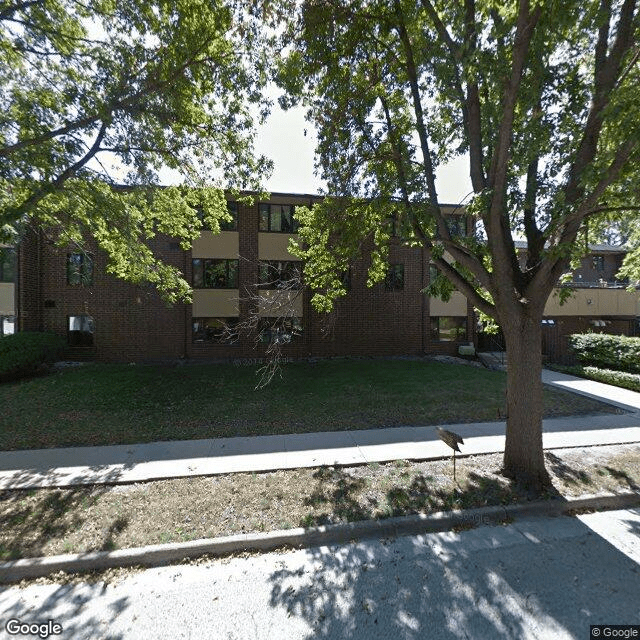
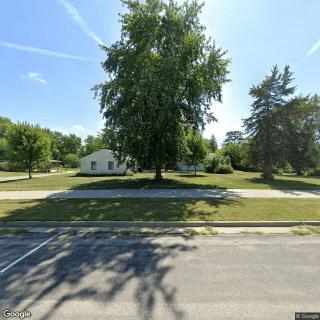
812 Cedar St, Story City, IA 50248
To contact a resident: (515) 733-2904
For more information about senior living options: (866) 208-4318
Overall Review of Cedar Place
Pros
 Her grandmother has lived there for about five years and loves it.
- The staff are great and the place is clean.
- The people are very friendly.
- It is a place to visit.
Cons
 They have dealt with an ongoing problem with their apartment for five years.
- They have been trying to get help for five years.
- Staff insist that nothing is wrong with their apartment.
- They advise others to avoid moving there.
- It has gone downhill.
- The hallways are ungodly hot, like stepping into an oven.
- They warn that residents are lied to on a regular basis.
- There is not much holiday involvement for residents.
- There is no air conditioning that works year-round.
- On the third floor with the heat off, the apartment can reach around 78-80 degrees, which is not good for someone with a heart problem.
Review
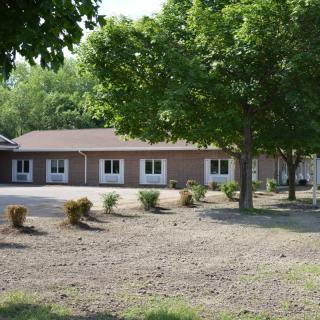
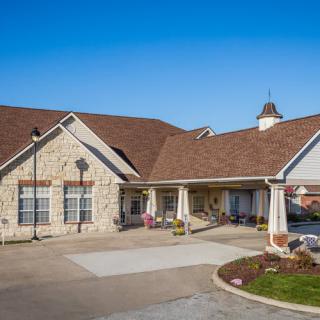
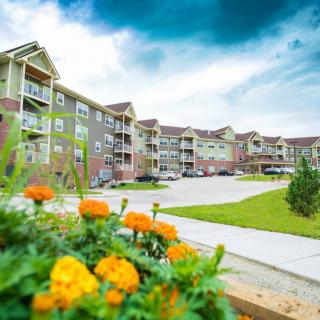
Cedar Place in Story City, IA is best suited for seniors who want a warm, neighborly atmosphere, where staff know residents by name and the building remains clean and manageable. The community often reads as friendly and welcoming, with residents who participate socially but prefer a smaller, less institutional setting. It appeals to those who value personal interactions and a straightforward, home-like environment over the resources of a large campus, and who can accept some variability in service delivery rather than perfection in every detail.
Families should consider alternatives if consistent maintenance and predictable comfort are nonnegotiable. A persistent apartment problem reportedly festered for five years, with complaints about the management’s responsiveness and a sense that issues were not acknowledged. In addition, accounts of staff miscommunications and mixed messages about faults raise concerns about the reliability of repairs and the problem-solving process. This is not a glancing issue; it recurs in multiple accounts and colors expectations about everyday living.
On the plus side, Cedar Place’s strongest assets are its people-centered culture and the generally clean, well-kept environment. The human element, friendliness among residents and the willingness of staff to help, creates a positive daily rhythm and can compensate for operational gaps. For many, those qualities translate into years of satisfaction, including residents who have remained for extended periods and express loyalty to the community because of the interpersonal warmth and the basic comfort of the setting.
Yet significant drawbacks temper those positives. Climate and control concerns are a dominant drag: several reviews describe air conditioning that does not function reliably and hallways that feel uncomfortably hot. On the third floor, residents often must keep their heat off or open windows to regulate temperatures, yielding indoor heat levels around 78 degrees or higher. This is especially problematic for residents with heart problems or heat sensitivity, and for anyone who requires stable comfort for health reasons. Compounding this, some accounts describe management assurances that issues are not serious or that nothing is wrong, which feeds distrust and makes it harder to navigate ongoing problems.
These factors directly influence decision-making because reliability in maintenance and predictable temperatures touch safety, sleep, and daily wellbeing. A community can be friendly and clean, yet persistent heat and HVAC inconsistencies erode the value of those strengths. When staff allegedly minimizes or disputes problems, trust erodes and becomes a critical risk in choosing a long-term option. The reports emphasize a need for a candid, verifiable maintenance record before committing, especially for residents with health considerations or complex care needs.
Bottom line: Cedar Place serves a niche of residents who prize a personal touch and a clean, social setting, and who can tolerate uneven service and climate inconsistencies. For families weighing options, a rigorous, season-spanning visit is essential, with direct conversations about maintenance timelines, HVAC guarantees, and the availability of timely repairs. If reliability, predictable comfort, and proactive management are must-haves, exploring other communities with stronger operational histories is strongly advised. The decision hinges on balancing the appeal of a warm, neighborly atmosphere against the reality of maintenance responsiveness and climate control stability.
 44 resident community capacity
 Assisted Living
 Independent Living
 Activities on-site
 Beauty salon
 Cable or satellite TV
 Devotional services off-site
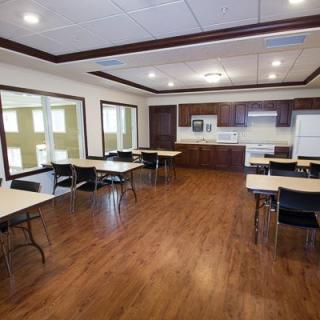
 Dining room
 Fully furnished
 Garden
 Housekeeping services
 Indoor common areas
 Kitchenette
 Move-in coordination
 Outdoor space
 Restaurant-style dining
 Small library
 Telephone
 Wi-Fi/high-speed internet available
 24-hour call system
 Ambulatory care
 Assistance with bathing
 Assistance with dressing
 Assistance with transfers
 Diabetes diet
 Diabetic care
 Medication management
 Mental wellness program
 Special dietary restrictions


 Understanding Medicaid Coverage for Assisted Living: A Comprehensive Guide
 How and When Medicaid May Cover Assisted Living Costs
 A Detailed Exploration of Assisted Living Medicaid Waivers Across the United States