
1514 High Ave W, Oskaloosa, IA 52577
To contact a resident: (641) 673-7032
For more information about senior living options: (866) 208-4318
Overall Review of Pleasant Park Estates
Pros
 The staff are very kind and thoughtful, delivering professional and caring support to residents.
- The Crystal Heights team cared for loved ones with dedication, helping them regain strength and independence.
- The therapy and nursing teams are outstanding, consistently going the extra mile to ensure comfort and safety.
- Crystal Heights Care Center is a trusted partner, providing exceptional care and genuine compassion.
- The clinical team communicates promptly and thoroughly, making transitions seamless and respectful for families and providers.
- Crystal Heights provides a true home where residents thrive in a warm, caring community.
- The administrative and support staff handle paperwork and transitions smoothly, reducing stress for families.
- Residents and families note the facility’s long-tenured, dedicated staff who truly care about each resident.
- There are meaningful, resident-led activities and services, including worship, that foster belonging and purpose.
Cons
 One reviewer said admission attempts were met with no response to calls or emails, describing “something strange going on there.”
- Another claimed the nurses don’t care about residents, gave conflicting stories about a relative’s death, and left residents to rot.
- The facility was described as dirty and infested with bugs.
- A reviewer called Crystal Heights a total rip-off and advised not admitting a family member.
- Several comments alleged corruption and that the facility cares more about money than patients.
- A reviewer stated the center is not recommended.
Review
This community appears best suited for families that prize exceptionally caring, locally rooted staff, a true home-like atmosphere, and robust rehabilitation and medical oversight. The reviews consistently praise the team for warmth, professionalism, and personal attention, with residents and families noting that staff members know them by name and treat each person with dignity. Families repeatedly highlight effective therapy programs, strong nursing presence, and coordinated care that helps residents regain strength after hospital stays. The facility’s culture, long-tenured local employees, daily doctor or RN contact, and a community feel reinforced by activities and even worship services, creates a sense of stability that appeals to seniors who want to stay engaged, well-supported, and emotionally connected to the people caring for them.
That said, some families should consider alternatives or at least pursue deeper diligence before committing. A minority of reviews describe admissions and communication challenges, with reports of slow responses to inquiries or paperwork glitches during transitions. A few accounts raise serious red flags about ethics or treatment, including claims of misdirection about care decisions, perceived neglect, or aggressive financial motivations. There are also opinions calling the facility dirty or poorly managed, and other comments that question whether all staff consistently meet expected standards. In short, this is a community with overwhelmingly positive impressions from many families, but it also carries a subset of experiences that demand careful verification and direct questioning during tours and conversations with leadership.
The strongest positives, staff kindness, professional conduct, and a genuinely comforting environment, tend to offset the more cautious concerns for most potential residents. Families report that the clinical team communicates promptly and thoroughly, easing transitions and keeping families in the loop. The therapy department is praised as outstanding, helping residents rebuild strength and confidence after surgeries or hospital stays. The nursing team is repeatedly described as attentive and respectful, with staff who take time to understand each resident’s preferences and needs, including dietary requirements and safety considerations. The care center’s sense of community, regular activities, meaningful religious services, and administrative support with day-to-day paperwork, helps families feel confident that a loved one is not just cared for, but also valued as a member of a lively, supportive network. These elements together can significantly mitigate the anxiety that accompanies skilled nursing placement, particularly for rehab-focused cases.
Yet the most troubling notes cannot be dismissed. Serious concerns about admissions responsiveness and transparency should trigger heightened scrutiny. If one family experiences difficulty reaching the admissions office or misunderstandings about coverage and discharge plans, that risk can compound stress during a vulnerable time. In addition, the sharper accusations about neglect or unethical behavior, though not universal and not representative of the majority, suggest the need for stringent checks: review state inspection histories, request direct conversations with an administrator, and seek direct answers about patient rights, incident reporting, and how any disputes are handled. These concerns, while not universal, are powerful reminders that a prospective resident’s safety net must include proactive oversight, clear expectations, and documented assurances.
For families evaluating this option, the path forward is pragmatic and disciplined. Plan multiple in-person tours and conversations with not only the administrator but also the head of nursing, therapy, and dietary services. Observe how staff interact with residents and families in common areas; ask to see a resident care plan and how changes are communicated to families. Request a detailed outline of the rehab program, including staffing ratios during peak hours, and how therapy goals are set, tracked, and adjusted. Probe meals, housekeeping, and maintenance routines; verify that the facility maintains a clean, orderly environment and how residents’ personal preferences are accommodated. Finally, obtain copies of recent survey results or complaint histories, and speak with current residents or families about their day-to-day experiences.
In the end, the community stands out for delivering compassionate, highly capable care that many families value deeply, especially for residents who require ongoing skilled nursing, rehab services, and a strong, trust-driven care partnership with clinicians and family members. The strongest verdict for Pleasant Park Estates, and for any family comparing options, will hinge on how well the facility demonstrates consistent admissions clarity, transparent communication, and an unambiguous commitment to resident rights and safety. If those assurances are readily provided, the positives can clearly outweigh the negatives, making this a compelling choice for seniors who thrive in a family-like setting with responsive medical and rehabilitative support. If transparency and accountability during admissions or a risk-averse stance toward reported adverse experiences are paramount, it remains wise to broaden the search, visit alternatives, and demand explicit answers before making a final commitment.
 Assisted Living
 Activities on-site
 Devotional services off-site
 Indoor common areas
 Ambulatory care
 Diabetic care
 Meals provided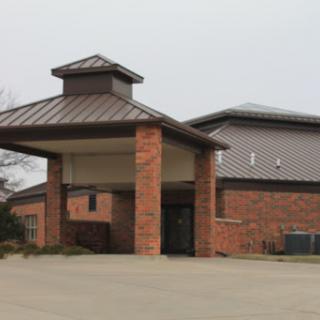




 Assisted Living and Memory Care: Understanding Their Core Differences
 Beyond the Bingo Hall: 50+ Enriching Activities for Seniors in Assisted Living
 Understanding the Distinctions: Assisted Living and Memory Care Explained