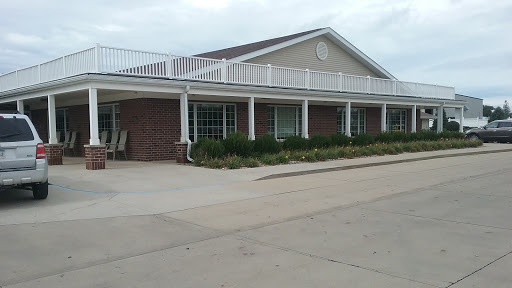


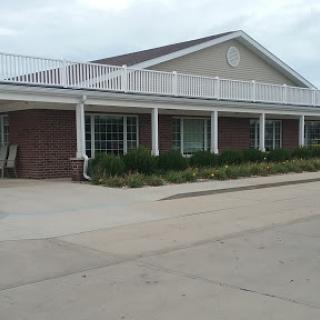
605 Highway 432, Oskaloosa, IA 52577
For more information about senior living options: (866) 208-4318
Overall Review of Oskaloosa Care Center
Pros
 The atmosphere at the facility is friendly and welcoming to visitors.
 - They serve homemade, chef-prepared meals that are excellent.
- The administrator and staff are professional and welcoming to family members.
- The therapists are great and encourage residents to improve.
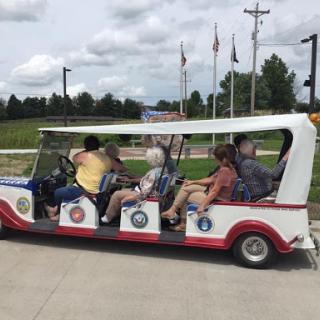
- Residents are kept engaged with activities like games, dancing, music, and other recreational activities.
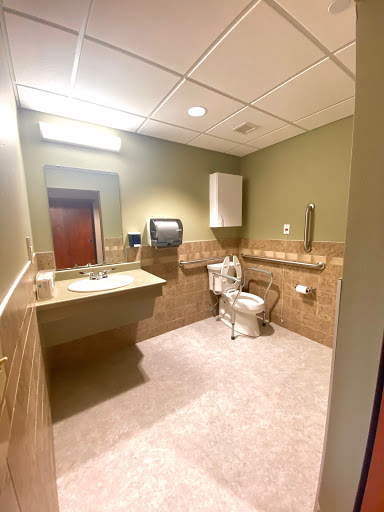
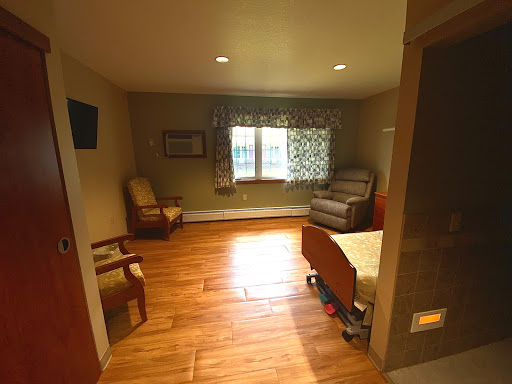
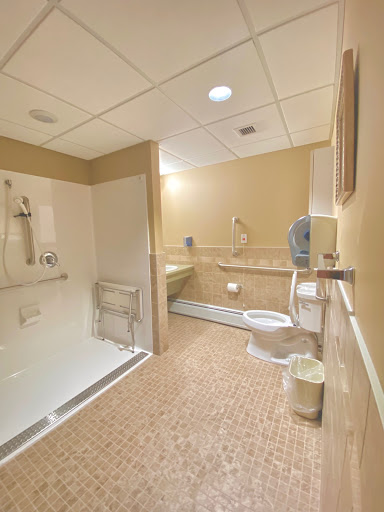
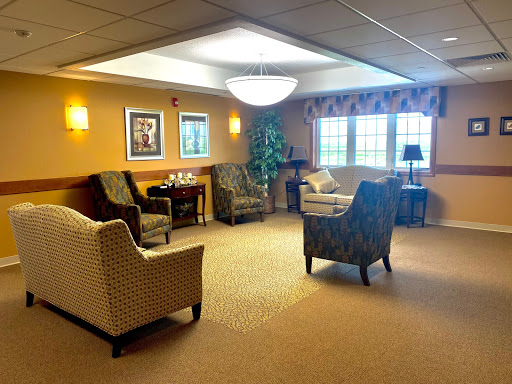
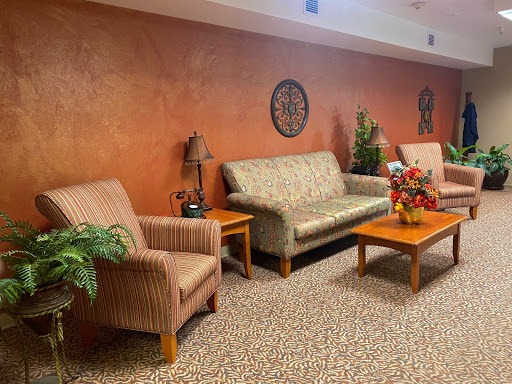
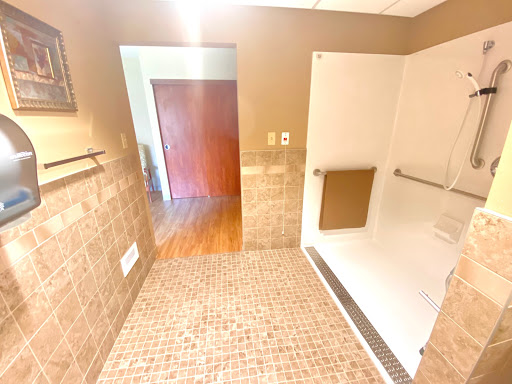
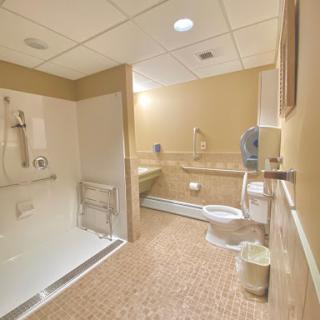
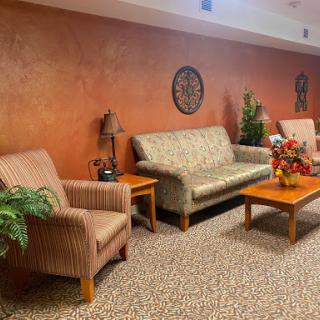
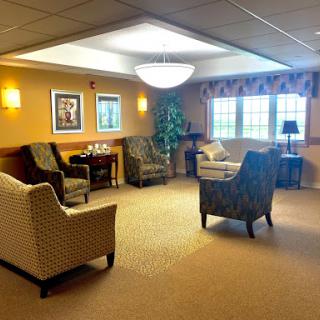
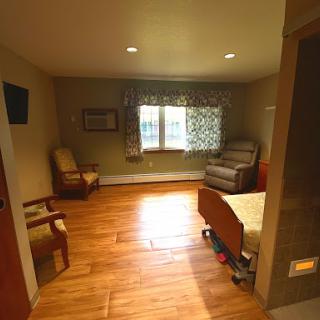
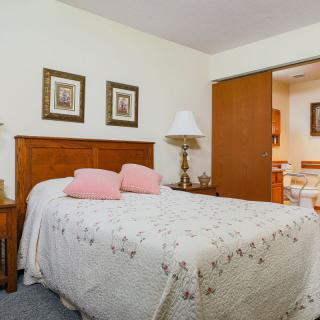
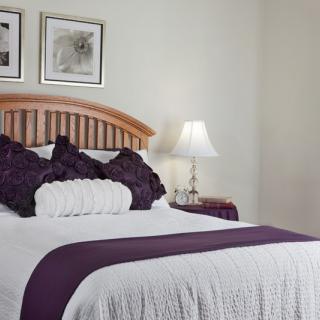
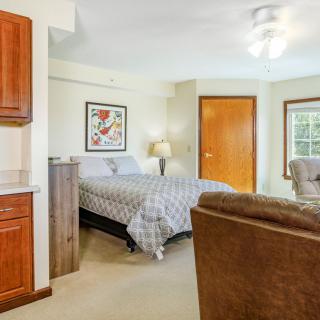
- The rooms are nice and the facility is clean and well maintained.
- The staff and kitchen are commended for their care and kindness toward residents.
- The memory care center attached to the facility is really good.
Cons
 They treated his grandpa so badly that a preventable infection developed from not changing a clogged catheter for over three days, and he passed away.
- The facility neglected residents, resulting in infections and readmission to the hospital.
- After the initial review, staff allegedly posted five-star reviews to offset the negative rating.
- Staffing was horrible: there was no RN on duty after 4 PM, and the director was rude and yelled at the family.
- Infections were not treated, falls were not medically addressed, and past medical history was not properly considered by staff.
- The administration and owners were seen as prioritizing money over patient care.
Review
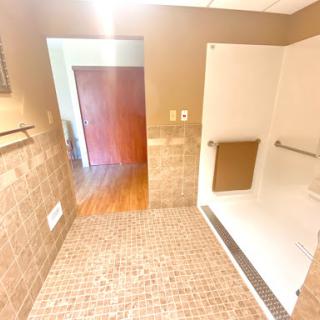
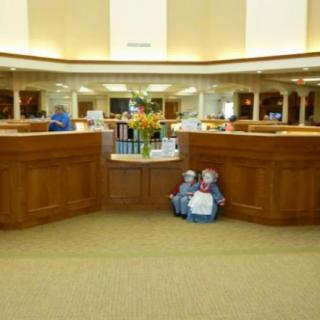
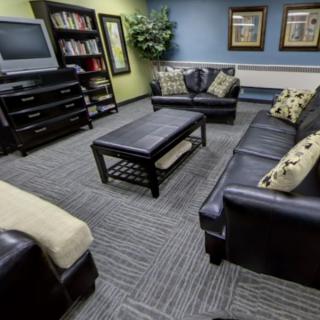
Oskaloosa Care Center is best suited for families seeking a memory-care–forward environment with active programming, solid therapy options, and a kitchen that residents and families often describe as capable of delivering home-style meals. The attached memory-care unit is a focal strength, supported by routines and activities designed to engage residents daily. The facility presents a clean, reasonably spacious living atmosphere with private bathrooms in many rooms and accessible common areas. For families who want a comfort-forward setting with rehabilitative potential, and who are prepared to stay closely involved with care leadership and staffing, this community can deliver meaningful day-to-day life.
At the same time, serious caveats accompany the upside. Those evaluating alternatives should gravitate away from this option if safety, reliability, and transparent accountability are non-negotiable. Multiple reviews recount severe lapses in care, including infections that escalated into hospitalization or worse, apparently linked to delays in basic care like catheter management. In one case, an ambulance was involved after patient deterioration, with accusations that care was not timely or adequately monitored. Management communication and staff responsiveness are described by some families as inconsistent, and concerns about after-hours coverage and decision-making suggest that governance and oversight may be uneven.
On the positive side, several accounts praise skilled care and the therapy team for their effectiveness, with therapists described as motivating residents to push for improvement. The culinary program earns particular kudos, with references to homemade meals prepared by a chef and a noticeable emphasis on quality food. Memory-care programming is highlighted as especially engaging, with activities, ranging from music and dancing to light physical games, designed to stimulate residents and provide structure. The living spaces themselves are viewed as well-kept and comfortable, with bathrooms in private rooms and a layout that accommodates mobility needs, which can support independent functioning for longer.
Yet these strengths coexist with persistent concerns about staffing and professional demeanor. Reports describe attitudes among some caregivers as hurried or less compassionate, and some reviews point to a director and ownership culture that prioritizes financial metrics over patient experience. The sense that care quality can fluctuate based on who is on shift or available on any given day undermines trust, particularly for families whose loved ones require close supervision and careful clinical monitoring. The combination of understaffing, variable nursing oversight, and reports of infections or insufficient post-fall treatment creates a pattern that cannot be dismissed.
Overall, the decision to place a loved one here hinges on risk tolerance and priorities. The prospective benefit lies in a robust memory-care pathway, meaningful activities, and a culinary environment that many residents enjoy, elements that can significantly enrich daily life for the right resident. The major risk centers on safety and reliability: medical complications tied to care delays, and a leadership culture that some families perceive as more concerned with operations than with patient well-being. For families who can tolerate variability with a firm commitment to ongoing oversight, this facility can work well; for those who require consistent safety, transparent accountability, and unwavering staff empathy, it is prudent to explore other options first.
Bottom line: Oskaloosa Care Center offers meaningful strengths in memory care, therapy, and dining, paired with a generally clean environment and engaged programming. However, the history of care gaps and governance concerns is not trivial and can substantially affect outcomes. Families should enter conversations with clear expectations, request recent performance data, and insist on direct input from front-line staff and a trusted administrator. If choosing this community, adopt a plan that includes regular reviews of care plans, transparent access to medical records, and a concrete escalation path. For safer certainty, compare with alternative providers that demonstrate stronger, consistently reliable safety records and steadier staff engagement before making a final commitment.
 83 resident community capacity
 Memory Care
 Skilled Nursing Facility
 Air-conditioning
 Beauty salon
 Cable or satellite TV
 Computer center
 Dining room
 Fitness room
 Fully furnished
 Gaming room
 Garden
 Housekeeping services
 Kitchenette
 Move-in coordination
 Outdoor space
 Private bathrooms
 Restaurant-style dining
 Small library
 Telephone
 Wellness center
 Wi-Fi/high-speed internet available
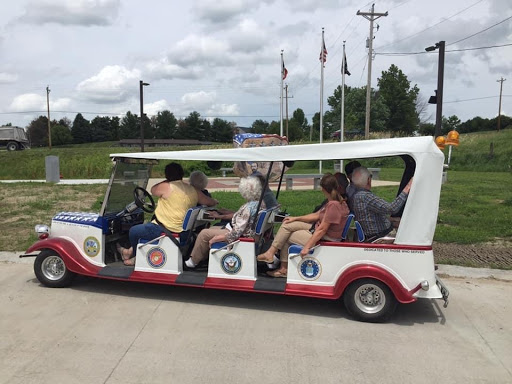
 Community operated transportation
 12-16 hour nursing
 24-hour call system
 Activities of daily living assistance
 Assistance with bathing
 Assistance with dressing
 Assistance with transfers
 Diabetes diet
 Medication management
 Mental wellness program
 Special dietary restrictions
 Concierge services
 Planned day trips
 Comprehensive Guide to VA Nursing Homes: A Crucial Long-Term Care Resource for Veterans
 Estimating the Expenses of At-Home Dementia Care: A Detailed Exploration
 Comprehensive Insights on the Late Stages of Dementia: What to Expect and How to Provide Care