
300 Lyndale Street, Osage, IA 50461
For more information about senior living options: (866) 208-4318
Overall Review of Apple Valley Assisted Living at Osage
Pros
 The facility is helpful in providing care and comfort for loved ones.
- Christie Crain Castillo is highlighted for going above and beyond and is highly recommended for a stable environment.
- The staff is very friendly and welcoming.
- The team is family-oriented, reliable, and dedicated, making transitions smooth.
- The staff and residents are great.
- The facility is great and easy to work with.
- The assisted living is wonderful, comfortable for residents, with caring staff, a non-hospital feel, and home-made food.
- Apple Valley is clean and nice, with friendly, helpful staff and daily activities and exercise.
Review
Apple Valley Assisted Living at Osage is best suited for families seeking a warm, home-like atmosphere where staff are consistently engaged, caring, and reliable. The community displays a family-oriented culture, with transitions handled smoothly and residents and families welcomed as part of a close-knit setting. The environment feels comfortable and lived-in rather than clinical, with homemade meals and an emphasis on everyday routines that feel natural and dignified. For seniors who prioritize personal connections, visible staff dedication, and a pace of life that resembles home rather than a hospital, Apple Valley provides the kind of stable, predictable environment that reduces stress during the transition to assisted living. The overall impression is one of mutual respect between residents and the people who support them.
However, families should explicitly assess whether this community meets higher-acuity needs or requires specialized memory support. The reviews celebrate caregiving warmth and a supportive team, but they do not highlight robust clinical programs or memory-care specifics. Those facing more complex medical oversight, frequent medical adjustments, catheter care, or advanced dementia may want alternatives with explicit memory-care wings or partnerships with healthcare providers. Likewise, families comparing price, scalability, or broader service lines may find other communities offering more comprehensive clinical offerings. This is not portrayed as a facility solely for basic assistance; rather, it thrives on attentive, empathetic care, which may be precisely what many residents need, but potential buyers should verify that medical and cognitive-support features align with expectations.
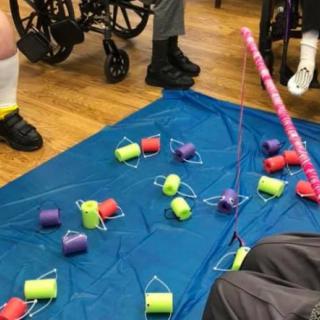
From the positive notes, the strongest selling points are clear: a staff that feels approachable and genuinely devoted to residents, a stable environment that fosters trust, and a home-ready atmosphere that makes daily life approachable rather than stressful. Residents benefit from daily activities such as social games, speakers, and programs, along with regular exercise and a menu that emphasizes homemade meals. Cleanliness and a welcoming vibe also surface in the feedback, reinforcing the sense that this is not a sterile facility but a community. These strengths help compensate for a lack of explicit mentions of high-tech care support or specialized clinical services, because the daily interactions and routine provide continuous, personalized attention that many families value as the core of assisted living.
Within the staff, the reviews spotlight standout dedication. One caregiver, Christie Crain Castillo, is singled out for going above and beyond in delivering stable care, and the overall staff are described as friendly, caring, and trustworthy. The perception of a family-oriented team translates into smoother transitions, fewer worries for relatives, and a sense that residents are treated as individuals rather than numbers. Such a culture often translates into reliable consistency, exactly what families want when selecting a community for long-term placement. The chemistry between staff and residents, plus the receptiveness to family involvement, can be the decisive factor in whether day-to-day life feels dignified and comfortable.
For families actively evaluating Apple Valley, a practical approach yields the best decision. Arrange a visit during different times of day to observe how staff interact with residents across routines, verify the staff-to-resident ratios, and request a sample weekly activity calendar to gauge engagement. Taste and variety of meals, along with flexibility in dietary needs, are worth checking. Inquire about care planning processes, ask how personalized care is documented, and confirm what happens if medical needs escalate. It is prudent to discuss what memory support options exist, and to confirm the availability of on-site clinicians or allied health services. A facet that often proves decisive is whether the facility’s atmosphere aligns with the resident’s preferences for independence, privacy, and social life.
Overall, Apple Valley Assisted Living at Osage stands out as a strong match for families seeking a warm, seriously attentive, community-driven setting. The positives, caring, reliable staff, smooth transitions, a home-like atmosphere, and regular activities, offset the absence of explicit high-acuity medical programs for most seniors who simply require guided daily living. For those who do require more intensive medical oversight, or specialized memory care, it is wise to compare alternatives that foreground clinical capabilities and cognitive support. When the goal is to preserve dignity, comfort, and a sense of belonging, this Osage community delivers with credibility, heart, and consistent everyday excellence.
 78 resident community capacity
 Assisted Living
 Air-conditioning
 Beauty salon
 Cable or satellite TV
 Computer center
 Dining room
 Fitness room
 Fully furnished
 Gaming room
 Garden
 Housekeeping services
 Kitchenette
 Move-in coordination
 Outdoor space
 Private bathrooms
 Restaurant-style dining
 Small library
 Telephone
 Wellness center
 Wi-Fi/high-speed internet available
 Community operated transportation
 12-16 hour nursing
 24-hour call system
 Activities of daily living assistance
 Assistance with bathing
 Assistance with dressing
 Assistance with transfers
 Diabetes diet
 Medication management
 Mental wellness program
 Special dietary restrictions
 Concierge services
 Planned day trips





 Exploring the Contrasts Between Assisted Living and Skilled Nursing
 8 Key Indicators That Suggest It May Be Time to Transition from Assisted Living to Skilled Nursing Care
 Vibrant Senior Living: A Comprehensive Guide for Active Older Adults