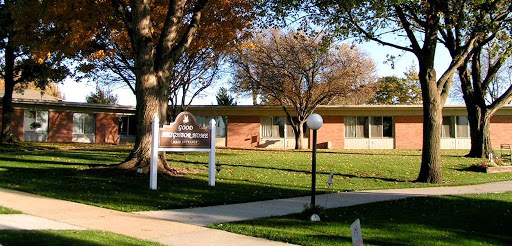


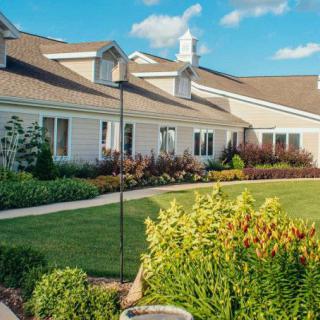
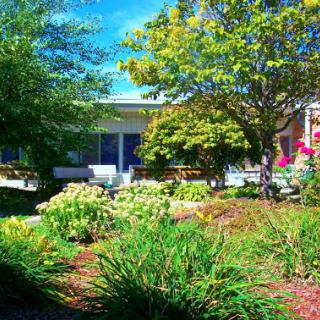
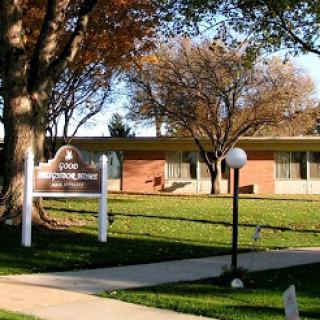


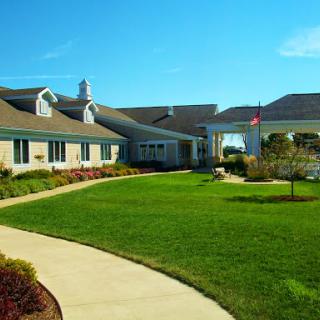



105 Mccarren Drive, Manchester, IA 52057
For more information about senior living options: (866) 208-4318
Overall Review of Good Neighbor Home
Pros
 Volunteers and visitors had great experiences volunteering and visiting there.
- Grandma was a beautiful, loving person, and her last days were spent there surrounded by love.
- Visitors feel warmth and positivity upon entering the facility.
- The caregivers are angels, and grandma Shirley was surrounded by loving, kindhearted, tender caregivers.
- The nurses and doctors provided exceptional care.
- The staff are wonderful and caring.
- The care given to Dad is highly appreciated, with Sherry Davis and other staff singing to him, and he sometimes sings along.
- CNAs and nurses interact with others with smiles, and the staff are among the best.
- The facility is wonderful; residents receive great care, and services are highly recommended.
Cons
 The facility cannot be trusted to follow through on promises to admit a loved one.
- They provide only the extreme minimum of care and are not interested in the individual's preferences.
- For residents with challenging behaviors beyond their control, they do not provide more than the minimum of care.
- People cannot expect anyone there to care too much.
- There is major disappointment.
Review
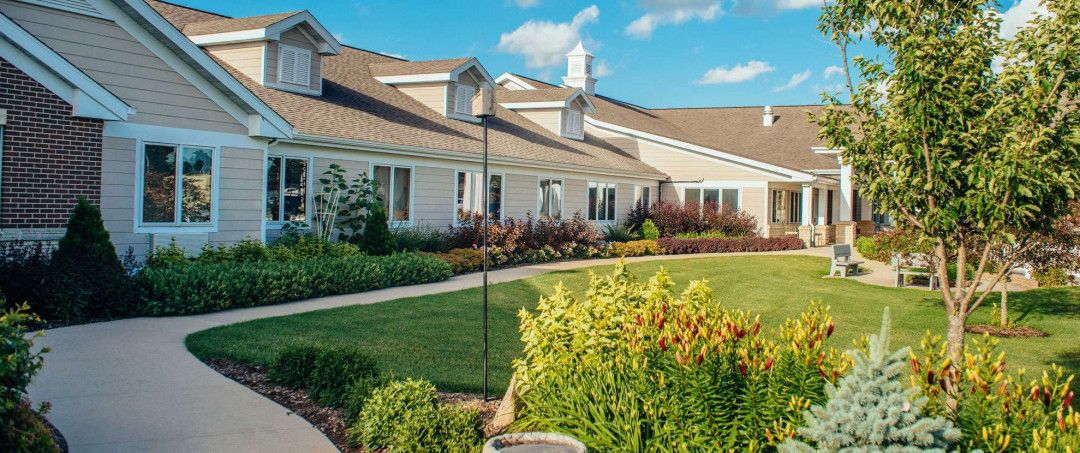
Good Neighbor Home in Manchester is best suited for families seeking a faith-based, resident-centered setting where warmth, continuity, and practical daily support are the core commitments across care levels. The campus presents as a place where compassionate staff, a personable atmosphere, and meaningful engagement are repeatedly highlighted by families. It is particularly well-matched for residents who value personal connections, relaxed routines, and activities that feel like a community, including songs, caregiver interactions, and transitions that honor familiar faces. For families prioritizing a home-like environment with a clear sense of mission and ongoing presence from care teams, this community checks many important boxes.
That said, alternatives should be on the radar for anyone facing specific needs around admission urgency or highly structured behavior management. Several reviews raise questions about admissions follow-through and whether promises will be kept during the process. For those who demand a tightly managed, transparent admissions timeline with explicit milestones, or for residents whose diagnoses require more intensive or specialized behavior strategies, other facilities may be a better fit. Secular settings or campuses with a more clinical footprint might appeal to families seeking a different care rhythm or stricter guarantees about care coordination.
The strongest upside rests with the staff, who consistently show genuine care and a willingness to go the extra mile. Multiple accounts praise the caregivers’ warmth, the nurses’ attentiveness, and the way personalized attention translates into daily life, whether through soothing conversations, music, or just a steady, reassuring presence. The facility’s faith-based orientation and culture of compassion underpin daily interactions, helping residents feel known and valued. The campus also earns praise for its continuum of care, from independent and assisted living through skilled nursing and memory care, along with rehab-to-home therapies that aim to restore independence when possible. These elements collectively counterbalance some potential hesitations about admissions and consistency.
The community’s strengths extend into program variety and community integration. Families note excellent transitions between stages of care, the availability of specialized memory care, and a demonstrated commitment to individualized service plans. The ability to mobilize hospice support with a compassionate touch deepens the sense that residents are respected in every life stage. In addition, the presence of long-term staff who understand a resident’s history contributes to smoother daily routines and more meaningful moments, such as caregiver-initiated music and sing-alongs that resonate with residents. When these factors align, the experience feels cohesive, stable, and deeply person-centered.
However, the concerns voiced in the candid reviews cannot be dismissed. The most persistent caveat is that promises about admission or procedural follow-through may vary, creating risk for families seeking absolute reliability. Some staff interactions may reflect minimal engagement with challenging behaviors, which can be troubling for loved ones with complex needs. Prospective residents should therefore prioritize verification: request written timelines, meet with the admissions and care directors, and ask for concrete examples of how care plans are tailored to difficult diagnoses. Observing a tour and speaking with families currently navigating transitions can illuminate whether the expected level of attentiveness is consistent.
In the end, Good Neighbor Home stands out as a solid option for families who prize a warm, faith-infused environment with a loyal, caring staff and a clear continuum of services. It is not a universal solution, especially for those who require ironclad admission guarantees or aggressive management of challenging behaviors. For the right family, the positives, compassionate care, meaningful engagement, personalized planning, and respectful transitions, can outweigh the drawbacks. Approach with prepared questions, concrete expectations, and a plan to monitor care closely, and this community can be a strong fit for preserving dignity, comfort, and connection as a loved one ages.
 133 resident community capacity
 Assisted Living
 Independent Living
 Memory Care
 Activities on-site
 Air-conditioning
 Beauty salon
 Cable or satellite TV
 Computer center
 Devotional services off-site
 Dining room
 Fitness room
 Fully furnished
 Gaming room
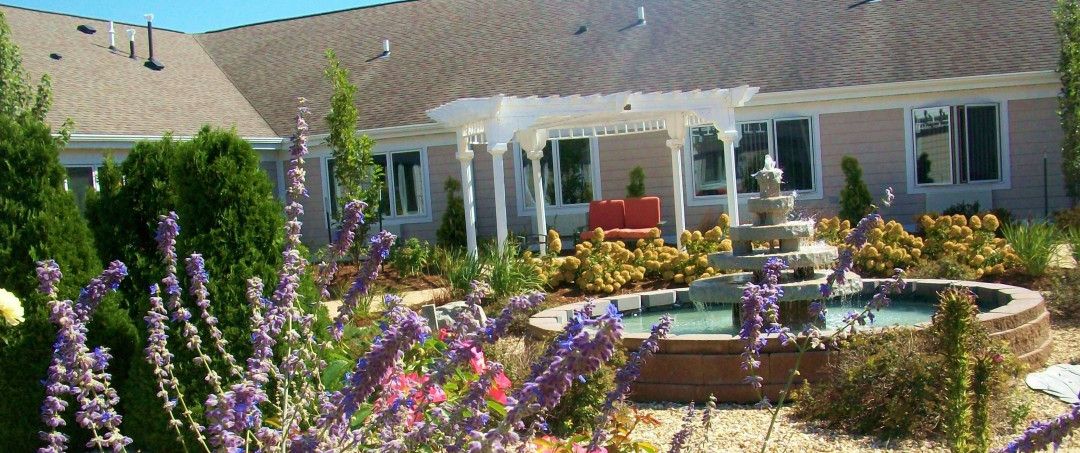
 Garden
 Housekeeping services
 Indoor common areas
 Kitchenette
 Move-in coordination
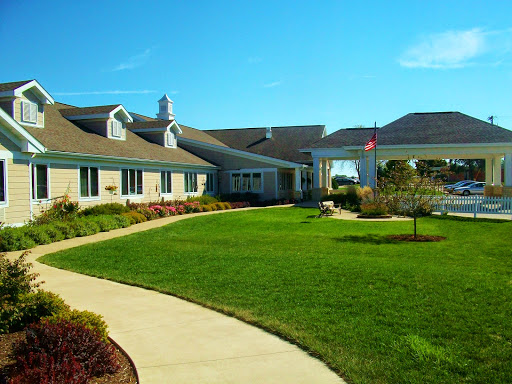
 Outdoor space
 Private bathrooms
 Restaurant-style dining
 Small library
 Telephone
 Wellness center
 Wi-Fi/high-speed internet available
 Community operated transportation
 12-16 hour nursing
 24-hour call system
 Ambulatory care
 Assistance with bathing
 Assistance with dressing
 Assistance with transfers
 Diabetes diet
 Diabetic care
 Medication management
 Mental wellness program
 Special dietary restrictions
 Concierge services
 Planned day trips




 Understanding Dementia Through Its Seven Stages: A Comprehensive Look at Progression and Expectations
 A Holistic Dementia Care Guide: Effective Strategies for Memory Support
 Comprehensive Insights into Activities of Daily Living (ADLs) and Their Assessment