
600 N. Kennedy, Madrid, IA 50156
To contact a resident: (515) 795-4097
For more information about senior living options: (866) 208-4318
Cedar Homes of Madrid Costs & Pricing
Cedar Homes of Madrid offers competitive pricing for its accommodations when compared to averages in Polk County and the broader state of Iowa. For a studio unit, residents can expect to pay $1,953 per month, significantly lower than the county average of $3,533 and the state average of $3,613. The one-bedroom option at Cedar Homes is also quite reasonable at $2,449, which is slightly below Polk County's rate of $2,528 and considerably less than Iowa's statewide average of $2,862. Similarly, the two-bedroom units are offered at $2,759 - again more affordable than both Polk County's average of $3,047 and Iowa's statewide figure of $3,329. Overall, Cedar Homes provides an attractive alternative with its cost-effective options while maintaining quality living standards.
| Floor plans | Cedar Homes of Madrid | Polk County | Iowa |
|---|---|---|---|
| Studio | $1,953 | $3,533 | $3,609 |
| 1 Bedroom | $2,449 | $2,528 | $2,863 |
| 2 Bedrooms | $2,759 | $3,047 | $3,329 |
Assisted Living communities with a similar price nearby
-
from -$333 / mo
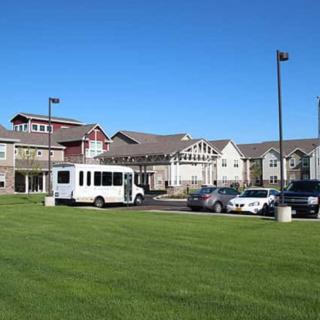
Kennybrook Village
$1,620 to $6,240 / month13.6 miles away -
from +$223 / mo

Ramsey Village
$2,176 to $4,530 / month20.8 miles away -
from +$157 / mo
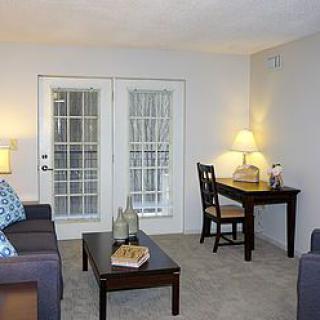
3801 Grand
$2,110 to $3,500 / month22.1 miles away -
About the same
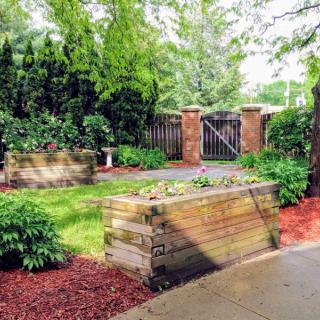
Bishop Drumm Retirement Center
$2,000 to $2,900 / month16.0 miles away
Overall Review of Cedar Homes of Madrid
Pros
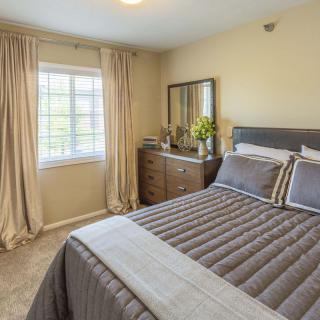
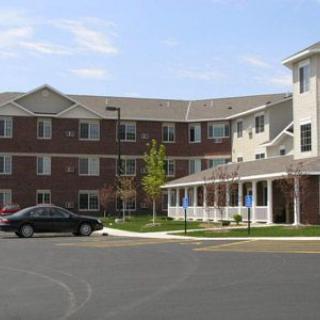
 The facility is really nice.
- The facility feels comfortable inside.
- There are a lot of activities to do, and the rooms are nice.
- There is a sense of community here.
- The staff are knowledgeable, efficient, and caring.
- The resident enjoyed her last four years there and made many friends.
- All staff are wonderful and care very much.
Review
Cedar Homes of Madrid is best suited for seniors who want a warm, social, activity-filled environment with consistently kind, capable staff. The facility reads as comfortable and homelike, with attractive rooms and a robust calendar of activities that encourage neighbors to connect. Families report a palpable sense of community where residents make friends and feel at home, rather than merely living in a building. For residents who value daily engagement, accessible support, and a leaning toward social enrichment, this community delivers a practical mix of comfort and companionship that supports sustained independence.
Those with complex medical needs or a requirement for intensive clinical oversight may want to consider alternatives. While staff are described as knowledgeable and caring, the setting appears oriented toward assisted living rather than high-acuity care. A more clinical environment or a facility with deeper memory-care resources could suit someone who needs around-the-clock medical management or specialized programs beyond what is typically offered here. Families prioritizing ultra-private routines or a quieter pace could also explore other options that tailor to low-stimulation preferences.
On the upside, the strongest draw is the people. Multiple reviewers emphasize staff efficiency and genuine care, with one noting that the caregiver team enabled meaningful daily life for a mother over several years and helped forge meaningful friendships. The consistent praise about all staff reinforces that residents are seen, heard, and respected. That dependable warmth often translates into reliable daily rhythms, reduced anxiety for families, and sustained social connectedness. The lone negative rating signals that not every resident will align with the pace, programming, or expectations, but it remains a minority compared to the overall warm experience.
The daily value is tangible: comfortable, well-appointed rooms; a lively activity slate; and a community that feels cohesive rather than fragmented. The main caveat is that the single negative review suggests some misfit scenarios exist, so visits should probe for fit. Prospective families should request a current activity calendar, observe interaction dynamics during meals, and speak with front-line staff about typical day-to-day routines. Checking resident councils, family portals, and opportunities for input can reveal how responsive the community is to changing needs. A clear sense of safety, pace, and autonomy should be verified in tours.
When the objective is a home-like setting where residents thrive on companionship and dependable personal attention, Cedar Homes stands up well. The 4.2 rating, bolstered by multiple five-star endorsements, reflects steady satisfaction shaped by friendly staff and engaging programming. Families should anticipate a strong social fabric and consistent care, while keeping in mind that some individuals may prefer more medical resources or a slower tempo. If social vitality and everyday warmth are priorities, this is a compelling choice that delivers meaningful daily life for most residents.
Actionable next steps include arranging in-person tours at different times, asking to meet multiple staff members and several residents, and reviewing the latest activity schedule. Bring questions about meal routines, transportation, and how changes in care needs are managed. Compare the cost against the value of activities, staffing stability, and housing quality. Any family seeking a supportive, community-driven environment with a reputation for caring staff will likely find Cedar Homes Madrid to be a practical, well-matched option, provided expectations align with the pace and social emphasis of daily life.
 Assisted Living
 Activities on-site
 Devotional services off-site
 Indoor common areas
 Ambulatory care
 Diabetic care
 Meals provided

 Funding and Affording Assisted Living: A Thorough Overview
 Assisted Living Expenses and Long-Term Care Insurance: A Comprehensive Exploration
 Securing Financial Support for Assisted Living: A Comprehensive Overview