
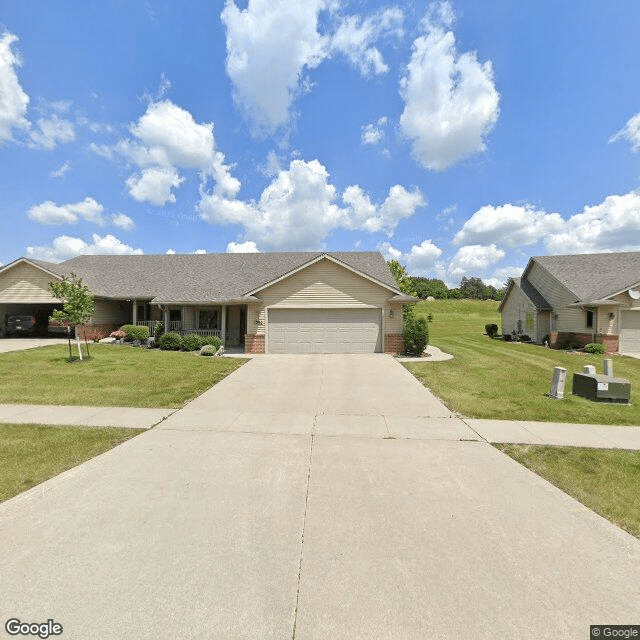
1203 North East Street, Indianola, IA 50125
For more information about senior living options: (866) 208-4318

Overall Review of Wesley The Village
Pros
 The place is awesome and welcoming, with Amber providing excellent explanations during tours.
- Visiting family is always a good time at the facility.
- The staff remain friendly even when overworked.
- The facility is beautiful, well run, and offers plenty of amenities.
- It’s a great place for someone seeking a family atmosphere, with a community that provides entertaining and supportive programs.
- The Village shows growing teamwork and improved communication across staff, with evident peer strength.
Cons
 The place is a joke.
- The facility does not return phone calls.
- The facility does not inform families of the rules and policies.
- The facility ignored the MPOA during placement and did not notify the family.
- The facility is motivated by money, prioritizing bed filling over resident needs.
- The facility is old and dated and very expensive.
Review
Wesley The Village in Indianola, IA is best suited for families seeking a warm, community-driven assisted living experience where residents feel welcomed into a close-knit, family-like culture. This is a setting that rewards sociable residents who value frequent activities, personal attention, and the sense that staff are genuinely invested in creating a comforting home atmosphere. It works well for families who want visible warmth from caregivers, predictable social calendars, and a facility that feels less clinical and more relational. Those who prioritize cutting-edge amenities, ultra-modern infrastructure, or rigorous, transparent advocacy for every resident may want to consider alternatives.
On the positive side, the strongest selling point is the sense that the place is “home” rather than a sterile care environment. Tours are explained clearly, and visitors consistently encounter staff who are friendly and engaged, even when the workload is heavy. The community is described as beautiful, well maintained, and rich with amenities that support an active lifestyle, plenty of events, opportunities for entertainment, and a palpable emphasis on creating meaningful experiences for residents. The gratitude expressed by families whose loved ones felt welcomed underscores a genuine commitment to hospitality, and several reviews highlight a supportive, family-focused ethos that can be hard to find in larger operators.
But the favorable impressions are tempered by troubling undercurrents. A number of voices report inconsistent communication, with phone calls not returned and important updates seemingly not conveyed in a timely or systematic way. Policy transparency appears inconsistent as well: several families say they were denied copies of rules and policies, or left out of key decisions regarding placement and care, even when MPOA arrangements were in play. The perception that the facility prioritizes occupancy and bed-filling over resident advocacy erodes trust and raises serious questions about governance. These concerns are amplified by assertions that the facility can feel dated and overpriced, which compounds the impact of any communication gaps.
Those pros and cons do not cancel each other out; they interact in a way that forces a careful weighing of realities. The welcoming, lively environment and visible staff engagement can mitigate some risk for residents who need social stimulation and relational support. A robust activity calendar and the sense of a caregiving family can offset some anxieties about care quality, yet when critical information is withheld or inconsistencies in policy sharing arise, the underlying confidence in the operation declines. In practical terms, the stronger the resident’s need for advocacy and transparent governance, the more these drawbacks will matter. The combination of an older facility footprint with a higher price tag further heightens the need for rigorous personal due diligence.
For families moving forward, a disciplined due-diligence checklist is essential. Seek direct confirmation of policy availability and demanding schedules for updating families, and insist on copies of all current rules, appeals processes, and care plans. Require a clear designation of an advocate or point person for MPOA-related matters and verify how disputes are resolved. Probe the cost structure: what is included, what can be charged extra, and how price increases are justified over time. Request candid conversations with administrators and spend extended time speaking with current residents about their day-to-day experiences. Observe staff-to-resident interactions during visits, and assess whether the environment truly supports independent living as well as assisted living.
Ultimately, Wesley The Village is a strong candidate for families who prize a high-touch, hospitable culture and who can tolerate some ambiguity around policy transparency and administrative responsiveness. It can be an excellent match for residents who thrive on social engagement and who value the sense of belonging more than the latest facility upgrades. For those requiring unwavering advocacy, consistently prompt communication, and a modern, low-friction governance structure, alternative communities with a demonstrably stronger track record in policy disclosure and resident rights may be the wiser choice. The decision should hinge on balancing the appeal of a genuine, family-like atmosphere against the practical demands of transparent governance and financial clarity.
 28 resident community capacity
 Active Adult Communities (55+)
 Assisted Living
 Continuing Care Retirement Community (CCRC)
 Independent Living
 Memory Care
 Skilled Nursing Facility
 Cats allowed
 Dogs allowed
 Activities off-site
 Beauty salon
 Cable or satellite TV
 Devotional services off-site
 Fully furnished
 Garden
 Housekeeping services
 Indoor common areas
 Move-in coordination
 Outdoor common areas
 Private bathrooms
 Des Moines International (12 miles away)
 Transportation arrangement
 24-hour call system
 Ambulatory care
 Assistance with bathing
 Assistance with dressing
 Assistance with transfers
 Diabetes diet
 Diabetic care
 Meal preparation and service
 Medication management
 Special dietary restrictions







 Five Subtle Dementia Indicators to Observe: An In-Depth Guide to Understanding “Does My Mom Have Dementia?”
 Dementia, Paranoia, and Caregiver Guidance: Understanding the Connection
 Engaging Memory Care Activities That Enhance Quality of Life