
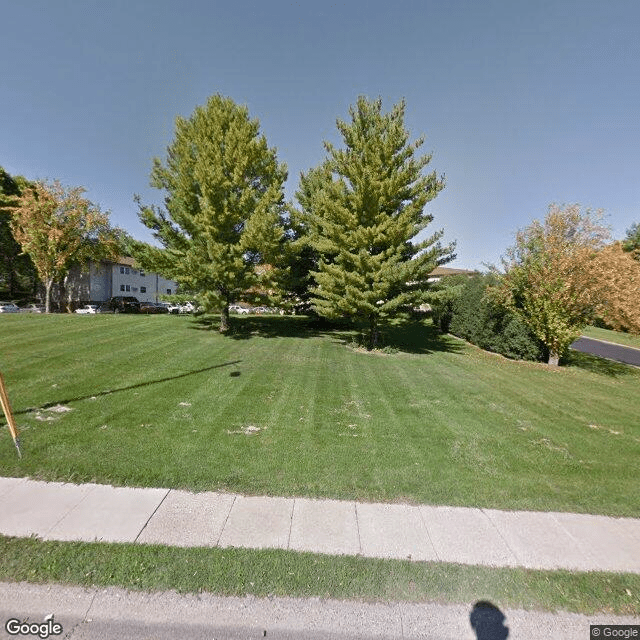
2955 Kaufmann Ave, Dubuque, IA 52001
To contact a resident: (563) 583-7678
For more information about senior living options: (866) 208-4318
Overall Review of St. Mary's Apartments
Pros
 The staff are friendly and the units are nice.
- Angela, the property manager, is kind, helpful, and friendly.
- She was extremely polite and helpful when showing an apartment.
- The location is excellent.
- There are great people in the community.
- The apartment is the perfect size.
- The property is very well kept.
- Residents love living at St Mary's Apartments.
Cons
 The on-site manager is described as worthless, with repeated delays in transferring tenants and leaving residents frustrated.
 - The management and maintenance are very poor and unwilling to fix problems, contributing to health issues.
- There are frequent fights, and elderly residents are afraid of the manager, who is seen as uncaring and only available during the day.
- Cardinal is accused of not investing in the building, with bed bug problems persisting despite spraying.
- Ongoing safety concerns and neglect by management create a sense of unease among residents.
Review
St. Mary's Apartments in Dubuque is best suited for independent seniors or couples who want a central, budget-minded option and can navigate irregular maintenance and management responsiveness. The community functions as a practical, low-service living choice that keeps residents close to downtown conveniences, shopping, and social opportunities. The strongest appeal is the location and the size/quality of some units, paired with staff who can be courteous and helpful in routine, non-emergency interactions. This is not a high-service campus; it’s a straightforward, affordable option for those who can tolerate occasional administrative gaps and a variance in day-to-day responsiveness.
Those who should strongly consider alternatives include residents who depend on consistent maintenance, prompt repairs, and proactive on-site management. Safety and reliability are real concerns here, with multiple accounts of delays and limited access to the manager, which can complicate move-ins, transfers, and urgent repairs. The building’s safety environment has been described as unsettled at times, and there are worries about resident intimidation and fights in common areas. Additionally, evidence of bed bug infestations in some apartments and recurring pest remediation needs signal ongoing investment challenges. For seniors with health issues, mobility limits, or a heightened need for predictable service, a more consistently managed setting is advisable.
On the positive side, the property delivers pleasant, decently sized living spaces and a location that supports easy daily routines. A notable, approachable property manager and staff member can meaningfully smooth daily life and create a friendly, if irregular, point of contact. Several tenants highlight well-kept common areas and the overall upkeep of the property, which translates into a comfortable baseline for routine living. For someone who values a liveable apartment and a walkable neighborhood, these positives can translate into tangible quality of life, even when other elements remain uneven.
The most significant red flags center on management quality and ongoing maintenance challenges. Critics describe difficulty in reaching the manager and delays in transfers that leave residents frustrated and unassured about their housing stability. Maintenance responsiveness appears inconsistent, with reported repairs not being completed in a timely fashion. Safety concerns arise from reports of confrontations in common areas and residents, particularly older ones, feeling unsafe or hesitant to use shared spaces. The bed bug issue, despite spray efforts, points to a structural problem in pest management and a need for a more definitive remediation strategy. Taken together, these factors erode the peace of mind essential to a long-term senior living decision.
Prospective residents can mitigate several risks by performing rigorous pre-move checks and asking pointed questions before signing. Seek concrete maintenance response timelines and recent examples of issues resolved promptly. Demand documentation on pest control history and the existence of a clear, ongoing remediation plan. Tour multiple units and inspect for signs of pests, while confirming whether heat treatments have been completed where needed. Clarify the availability of managers after hours and how transfers or lease changes are handled. If the rent reflects a discount for these uncertainties and the individual can cultivate a supportive neighbor network and independent living plan, the decision to move forward becomes much more reasonable.
In the end, St. Mary's Apartments serves as a practical, budget-conscious home for independent seniors who prize a central location and manageable rents, provided tolerance for uneven management and some health-safety caveats. It is not the best fit for anyone who relies on consistent staff responsiveness or robust, proactive maintenance as a standard part of residence life. The call to action is straightforward: tour with a focused checklist, verify management accessibility, review recent maintenance history, and assess pest remediation efforts. When those criteria align with personal expectations, St. Mary's can function as a solid, everyday living environment rather than a risky compromise.
 Active Adult Communities (55+)
 Cats allowed
 Dogs allowed
 Dubuque Municipal (8 miles away)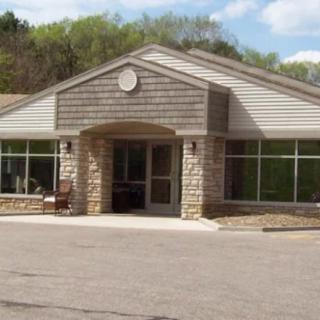


 Comprehensive Insights into Palliative Home Care: What It Is and What to Expect
 Skilled Nursing Facilities vs. Nursing Homes: Making Sense of the Differences
 A Detailed Examination of Nursing Home Costs Across the U.S.