
3125 -3225 Pennsylvania Ave # 3, Dubuque, IA 52001
To contact a resident: (563) 588-3693
For more information about senior living options: (866) 208-4318
Applewood I, II, and III Costs & Pricing
Applewood I, II, and III present a compelling value proposition for residents seeking affordable living options in Dubuque County and Iowa as a whole. The monthly costs for a one-bedroom unit at Applewood are $607, considerably lower than the county average of $1,729 and the state average of $2,862. Similarly, two-bedroom units at Applewood are priced at $721, which is also significantly more economical compared to Dubuque County's average of $2,142 and Iowa's overall average of $3,329. This stark contrast highlights Applewood's commitment to providing quality housing options that not only meet residents' needs but also align with budgetary considerations in an increasingly expensive market.
| Floor plans | Applewood I, II, and III | Dubuque County | Iowa |
|---|---|---|---|
| 1 Bedroom | $607 | $1,729 | $2,863 |
| 2 Bedrooms | $721 | $2,142 | $3,329 |
Senior living communities with a similar price nearby
-
from -$28 / mo
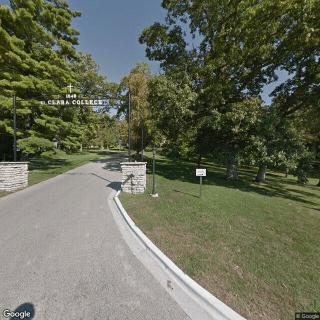
Academy Apartments
$579 to $949 / month11.2 miles away -
from -$67 / mo
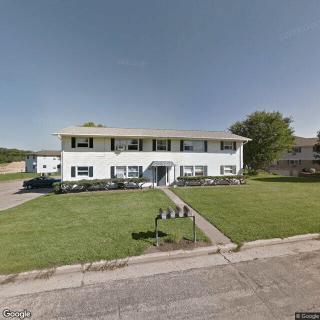
Maplewood Glen
$540 / month18.4 miles away -
from -$82 / mo
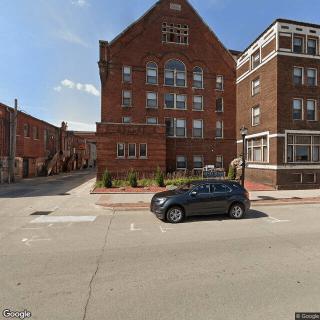
Henry Stout
$525 / month5.4 miles away -
About the same
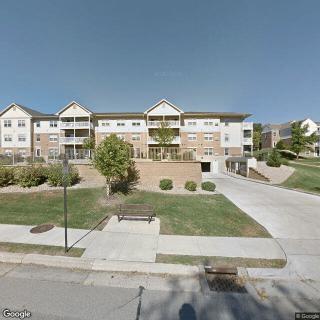
Applewood III
$619 to $760 / month2.2 miles away
Overall Review of Applewood I, II, and III
Pros
 The property is kept very clean in the common areas.
- There is an awesome cleaning person on staff.
- The apartments are nice.
- The units are more spacious than comparable ones.
- Heat and WiFi are included in the rent.
- Dishwashers and disposals are in all units.
- A sprinkler system is installed.
- There is a great residential manager for Unit I and II.
- Most units have very large linen closets in the bathrooms.
Cons
 The apartments need updating.
- The price is outrageous for what is offered.
- Rent is high, with electric billed separately.
- The wifi is horrible for what is paid; wifi and cable should be included.
- The climate control is inconsistent; units are too hot or too cold and the air conditioning is outdated and barely works.
- Underground parking is expensive and there is a wait list; there isn’t enough free outdoor parking.
- Laminated cabinets are cheap and aging poorly.
- Maintenance has been neglected in favor of building new units.
- Streaming is not allowed despite wifi being included.
Review
Applewood I, II, and III in Dubuque are best suited for seniors who want more living space and a straightforward rent package that includes heat, with the comfort of a clean, well-maintained common area and an experienced on-site management presence. The complexes present as practical options for households that value room to live and move, plus a track record of attentive management in Unit I and II. The appeal lies less in flashy amenities and more in predictable monthly costs and a physically comfortable footprint for everyday living, when climate quirks aren’t a deal-breaker.
Those weighing alternatives should note that the overall value hinges on aggressive trade-offs. The bottom line price is hard to swallow for many tenants, especially when the outlay includes heat and included services but still incurs separate costs such as underground parking. The Wi-Fi reliability and streaming limitations blunt the value of the included connectivity, and climate control can feel capricious. If dependable internet speeds, flexible temperature management, and straightforward access to streaming are priorities, other communities may deliver a calmer, more user-friendly experience.
From a strengths perspective, the community delivers in several tangible ways. The units are described as more spacious than comparable options, which matters for seniors needing easy maneuverability and storage. Heat and Wi-Fi are included in the rent on paper, and each unit comes with dishwashers and disposals, a sprinkler system, and solid in-unit storage options. A visible plus is the attention given to cleanliness in the common areas and strong on-site management support (noted especially for Unit I and II), which translates into a reliable daily experience even when a few infrastructure issues persist.
However, the main drawbacks are concrete and persistent. Individual air-conditioning is limited to a single unit per apartment, and thermostats are not clearly marked or controlled, producing a pattern of rooms that swing between too hot and too cold. Residents report windows being left open in winter to relieve heat, a clear sign that climate control isn’t intuitive or reliably maintained. The building’s age surfaces in laminated cabinets that are aging, and maintenance funding has reportedly been tightened as the focus shifts to new construction. Wi-Fi, while included, is often described as poor, and the streaming restriction hampers digital independence for residents and families checking in remotely.
These pros and cons interact in a way that often narrows the decision to a simple calculus: space and a strong management presence versus comfort and connectivity reliability. The spacious layouts and included heat can offset some monthly costs for households that prioritize square footage and predictable bills. Yet the persistent climate control complaints and subpar internet experience can erode the perceived value, especially when parking adds another line item and outdoor space is limited. The emphasis on newer builds behind the scenes also raises questions about ongoing maintenance in the older wings.
In the end, Applewood may be a reasonable fit for families valuing space, consistent on-site management, and a basic but clean residential environment, provided realistic expectations are set. Prospective residents should insist on a detailed tour that tests climate control across multiple rooms, verify the actual internet performance, and confirm how parking will be handled, whether a space is guaranteed and what the true monthly cost will be with all add-ons. Those who cannot accept frequent temperature fluctuations, streaming restrictions, or the perception that upkeep lags as new construction continues should confidently pursue alternatives with more modern HVAC systems, stronger connectivity, and clearer pricing.
 Active Adult Communities (55+)
 Bath tubs
 Wi-Fi/high-speed internet available
 Dubuque Municipal (7 miles away)
 Holiday parties

 Caring for Those Who Care: Recognizing, Understanding, and Overcoming Caregiver Burnout
 Caregiver Exhaustion: Recognizing the Signs and Restoring Your Well-Being
 Understanding Hospice Care at Home: Comprehensive Services, Key Benefits, and Eligibility