Residents and families describe attentive, caring staff who help with day-to-day needs.
A large share of reviewers highlight the staff as a major reason they recommend Scottish Rite Park, often mentioning the care center and staff willingness to help. Several comments pair staff praise with overall resident experience, including friendliness and a sense that employees genuinely care. A few reviewers also mention practical support from staff during assisted living and care transitions within the community.
caveat3 reviews mention this
Some call-response and communication issues
Some residents describe slow responses and communication problems when help is needed.
While many reviews are positive about staff, a smaller set raises concerns about responsiveness and communication. One reviewer specifically describes slow response to a call button and continued problems despite repeated calls. Others criticize employees and leadership, including dissatisfaction with the director of nursing’s experience and helpfulness.
common2 reviews mention this
Food gets positive mentions
Dining is a bright spot, with reviewers calling the food tasty.
A couple of reviewers explicitly bring up food, describing it as part of what makes the community a good option. One review mentions the combination of staff, care, and food as standout positives, while another specifically calls out the restaurant and a variety of tasty meals. The community also provides meals and supports special dietary restrictions.
common7 reviews mention this
Clean, welcoming spaces and decor
Reviewers often describe a well-kept, welcoming environment with warm decor.
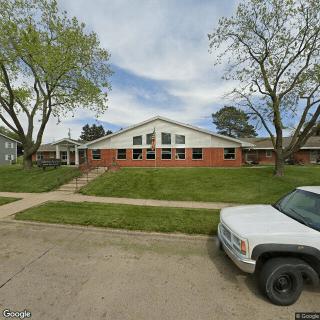
Several comments focus on the property’s look and upkeep, describing it as clean, organized, and nicely decorated. Reviewers mention a warm, welcoming feel and a generally well maintained facility. Others describe the overall environment positively, including how they view the apartments and setting.
caveat4 reviews mention this
Pricing feels high to some
A few reviewers feel pricing is too high for what they experienced.
Some reviewers raise pricing concerns, calling the community over priced and citing dissatisfaction with the property’s condition and staffing experience. One other reviewer summarizes the tradeoff more broadly with the idea that residents “get what you pay for.” On the other hand, at least one reviewer specifically notes that the sales representative was upfront and educated them about pricing during the buying process.
How we summarize
Counts show how many written reviews mention each theme; a review can touch several themes, and only frequently mentioned themes are displayed.
Features
Housing
22 resident community capacity
Types of Care
Assisted Living
Continuing Care Retirement Community (CCRC)
Independent Living
Memory Care
Skilled Nursing Facility
Amenities
Activities on-site
Beauty salon
Cable or satellite TV
Devotional services off-site
Fully furnished
Garden
Housekeeping services
Indoor common areas
Kitchenette
Move-in coordination
Outdoor space
Private bathrooms
Wi-Fi/high-speed internet available
Transportation
Des Moines International (4 miles away)
Community operated transportation
Transportation arrangement
Transportation arrangement (non-medical)
Care Services
24-hour call system
24-hour supervision
Activities of daily living assistance
Ambulatory care
Assistance with bathing
Assistance with dressing
Assistance with transfers
Diabetes diet
Diabetic care
Meal preparation and service
Medication management
Special dietary restrictions
Dining
Diabetes diet
Meals provided
Special dietary restrictions
Activities
Activities on-site
Community-sponsored activities
Devotional activities offsite
Fitness programs
Resident-run activities
Scheduled daily activities
Nearby Places of Interest
Restaurants
Cheese Bar (0.2 miles)
Eatery A (0.3 miles)
Ted's Coney Island (0.3 miles)
Sakari Sushi Lounge (0.3 miles)
Manhattan Deli (0.6 miles)
Aposto (0.7 miles)
Lua Brewing (0.9 miles)
Cafes
Caribou Coffee (0.4 miles)
Starbucks (1.5 miles)
Starbucks (1.7 miles)
St Kilda Collective (2.9 miles)
Starbucks (3.1 miles)
Panera Bread (3.2 miles)
Physicians
WDF Plastic Surgery (0.4 miles)
Unity point clinic urgent care and family care (0.5 miles)
Ingersoll Family Physicians (0.6 miles)
Unity Point Family Physicians (0.6 miles)
Polk County Medical Society (0.9 miles)
Prenatal Vision Ultrasound (1 miles)
The Iowa Clinic Ear, Nose & Throat Department (1.1 miles)
Pharmacies
Dahl's Pharmacy (0.4 miles)
Walgreens (0.5 miles)
Walgreens (0.8 miles)
Walgreens (0.8 miles)
Medicap Pharmacy (2.4 miles)
CVS Pharmacy (2.9 miles)
Walgreens (3.1 miles)
Hospitals
Methodist Outpatient Surgery (1.1 miles)
Blank Children's Hospital NICU (1.1 miles)
Methodist Hospital North 6 (1.1 miles)
North 3 - IMMC (1.1 miles)
UnityPoint Health - Iowa Methodist Medical Center - Emergency Department (1.1 miles)
The range of services provided at Scottish Rite Park, including assistance with dressing and bathing, plays a crucial role in enhancing the quality of life for residents dealing with dementia or Alzheimer's. Staff members are trained to support residents during activities of daily living, ensuring that individuals maintain their dignity while receiving the help they need. Medication management is essential for maintaining health and consistency in treatment plans, as cognitive challenges often hinder residents' ability to self-manage their medications. Meal preparation and service cater not only to nutritional needs but also incorporate familiar foods that can evoke positive memories, fostering comfort. Assistance with transfers promotes mobility and safety, allowing residents to move freely within the facility while minimizing risk of falls. Additionally, 24-hour supervision ensures that residents are continuously monitored for safety and well-being, providing peace of mind for both them and their families. Together, these features create an environment conducive to both comfort and care for those experiencing memory loss.
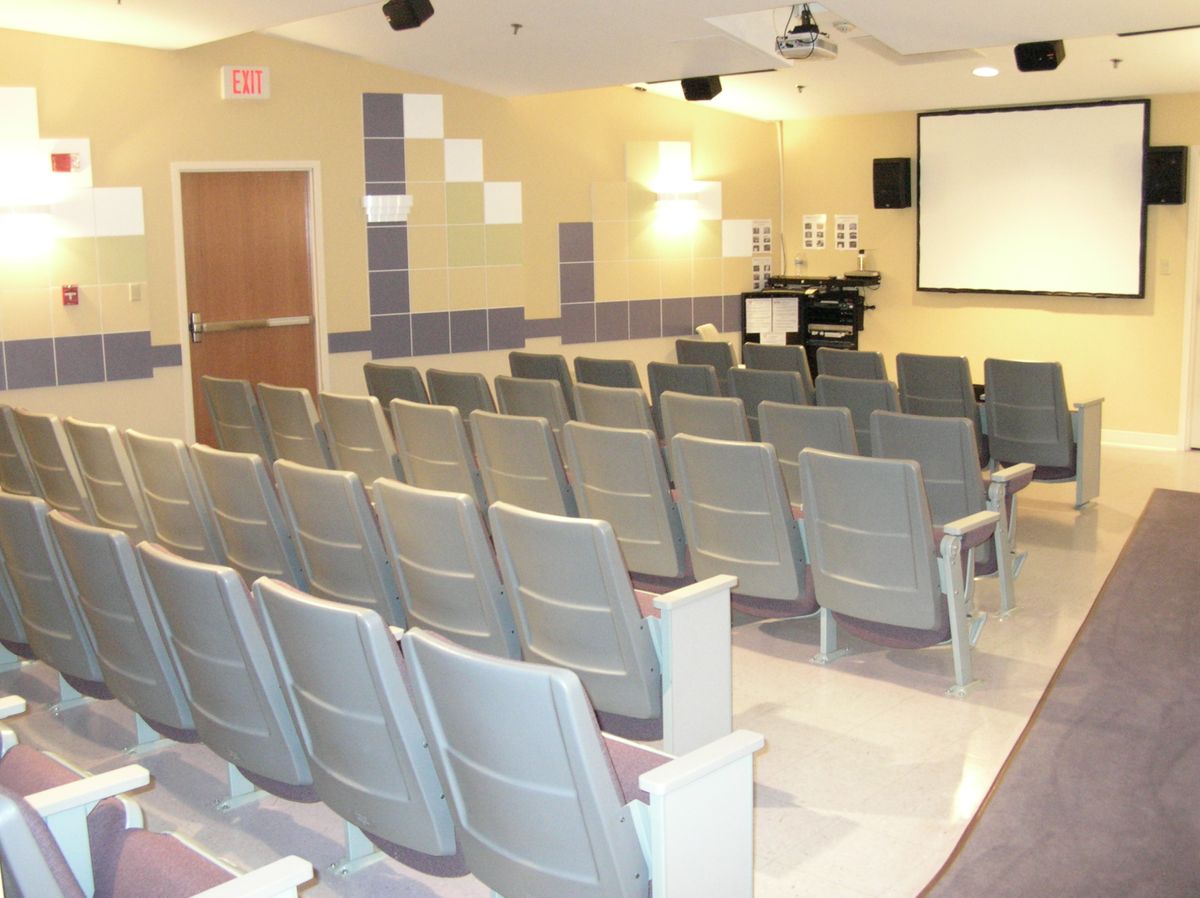
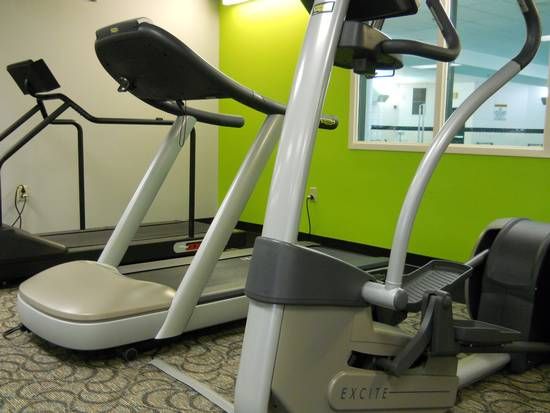
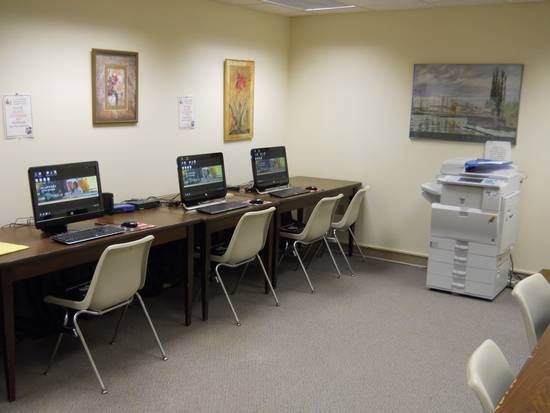
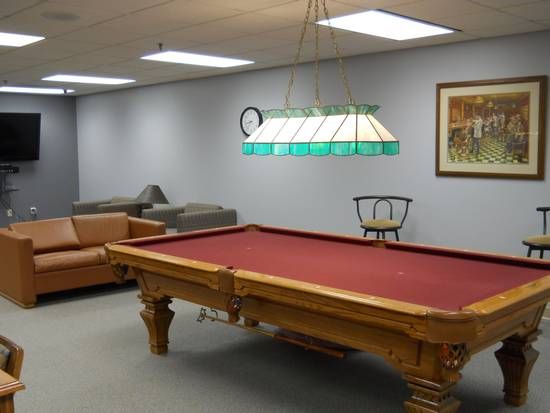
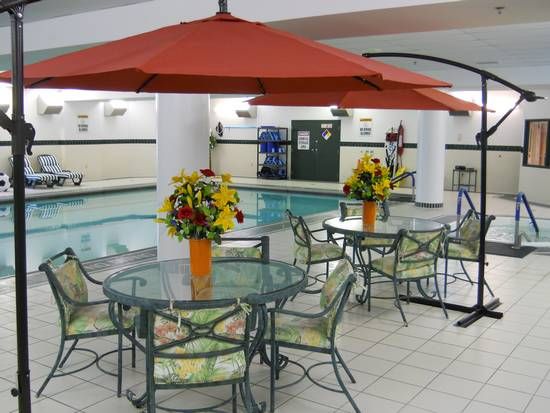
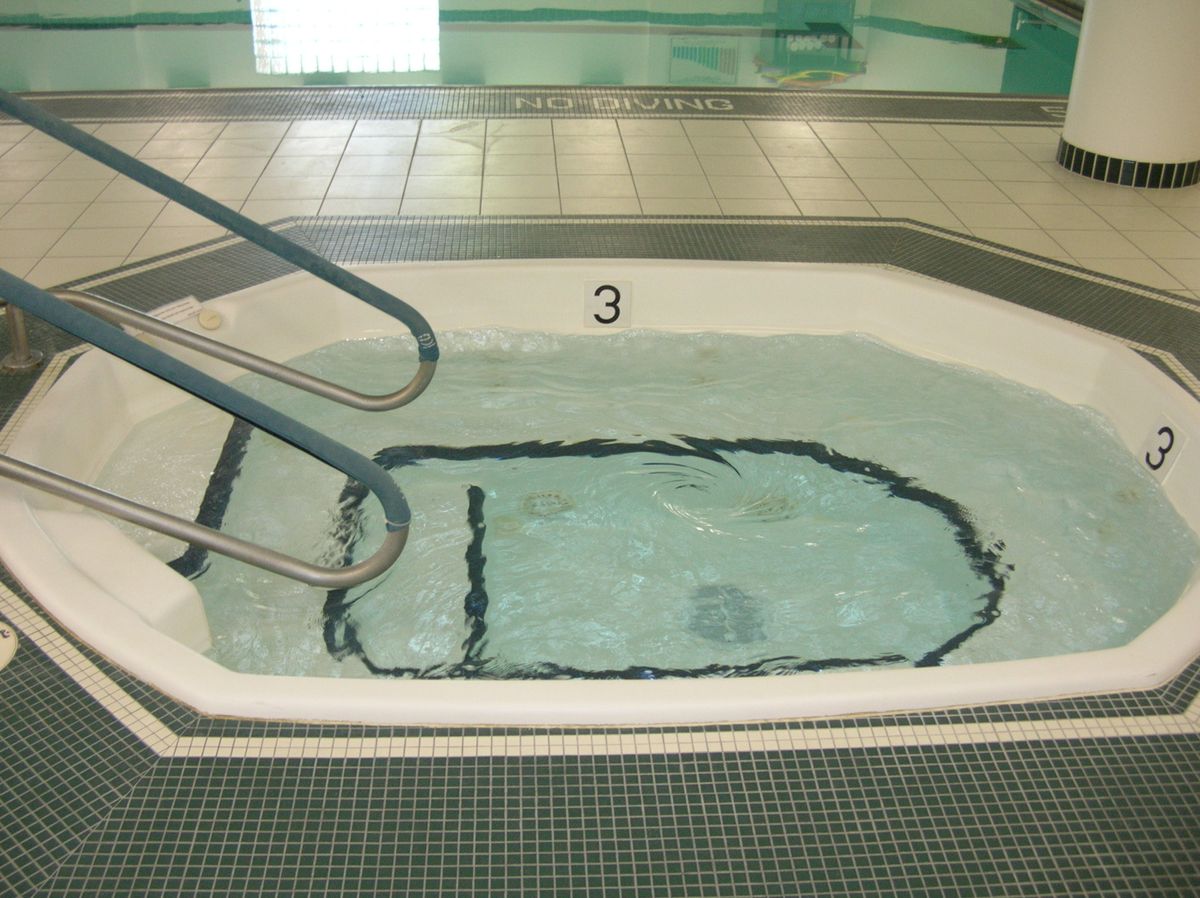
Scottish Rite Park on seniors.fyi includes 6 photos including images showing indoor pool, exercise equipment, interior, wall art, game room, lighting fixture, umbrellas, recreation, and more.
Nearby Communities
Wesley Acres Des Moines
Des Moines, IA
4.1 from 78 reviews
Extensive housing options and comprehensive care
John's Harbor Memory Loss Center
Des Moines, IA
Memory-care focused community with 24/7 supervision and diverse housing options.
Wesley Acres
Des Moines, IA
4.1 from 70 reviews
$1,115 to $2,700 / month
Broad care levels with on-site therapy and active social programs.
3801 Grand
Des Moines, IA
4.1 from 51 reviews
$2,110 to $3,500 / month
Caring, intimate, well-maintained community with engaged staff; all-inclusive pricing (meals, housekeeping, utilities) and active programming.
Plymouth Place
Des Moines, IA
4.7 from 12 reviews
Baker Creek Senior Living Apartments
Des Moines, IA
4 from 1 review
Extensive nearby dining, parks, and healthcare options.
Elsie Mason Manor
Des Moines, IA
4 from 29 reviews
$776 to $3,000 / month
Very affordable pricing relative to Polk County and Iowa averages, with active on-site programs.
Fairmeadows Village Retirement Community
West Des Moines, IA
3.6 from 34 reviews
$725 to $835 / month
Friendly staff and clean, affordable apartments.
Karen Acres Health Care Center
Urbandale, IA
4 from 36 reviews
Caring, attentive staff with comfortable private-room accommodations.
Reminiscence therapy helps individuals with dementia recall past memories through structured discussions and meaningful objects, enhancing mood, relationships, and sense of identity while celebrating their lives. It can be practiced in formal settings or at home, requiring sensitivity to personal histories and cultural backgrounds.
Reminiscence therapy is a structured method for older adults, especially those with dementia, to share life stories using prompts and sensory cues, fostering emotional well-being, social engagement, and self-identity. It aims to improve quality of life by enhancing interpersonal connections and cognitive stimulation while requiring careful facilitation to avoid distressing memories.
Dementia, particularly Lewy body dementia, often involves hallucinations that can significantly distress both patients and caregivers due to disruptions in sensory processing and neurotransmitter imbalances. Effective management includes compassionate communication, environmental adjustments, and a multidisciplinary approach to care while addressing the emotional needs of caregivers.
Exercise Equipment, Gym, Fitness, Treadmill, and Exercise Room
Seating and Projector
Wall Art
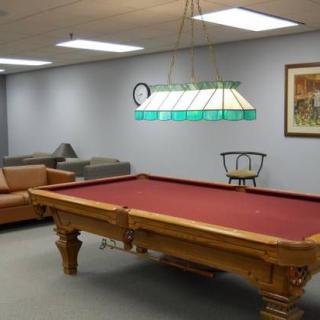
Billiards, Game Room, Recreation, and Lighting Fixture
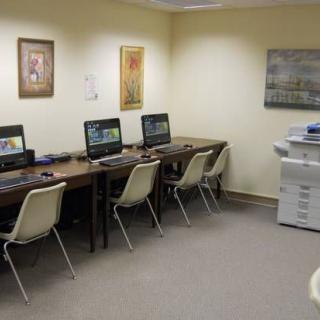
Office and Computers
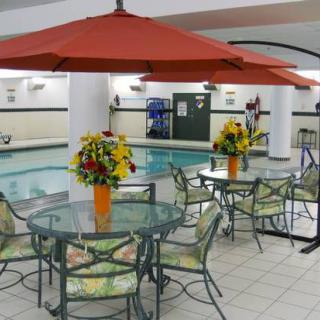
Umbrellas
Indoor Pool
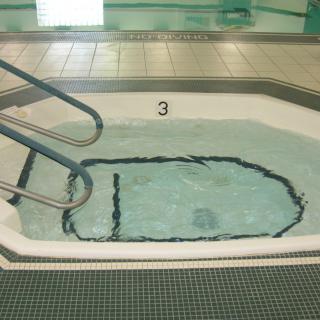
Water, Spa, and Hot Tub
Get PricingAsk A QuestionSchedule A TourContact Senior Advisor
By clicking submit, you agree to our Partner's Terms of Use. You
also consent to receive calls and texts, which may be autodialed, from our Partner. Your consent is not a condition to
using our Partner's service. Please visit our Partner's Privacy Policy for information about their privacy practices.

 22 resident community capacity
 Assisted Living
 Continuing Care Retirement Community (CCRC)
 Independent Living
 Memory Care
 Skilled Nursing Facility
 Activities on-site
 Beauty salon
 Cable or satellite TV
 Devotional services off-site
 Fully furnished
 Garden
 Housekeeping services
 Indoor common areas
 Kitchenette
 Move-in coordination
 Outdoor space
 Private bathrooms
 Wi-Fi/high-speed internet available
 Des Moines International (4 miles away)
 Community operated transportation
 24-hour call system
 Ambulatory care
 Assistance with bathing
 Assistance with dressing
 Assistance with transfers
 Diabetes diet
 Diabetic care
 Meal preparation and service
 Medication management
 Special dietary restrictions
 Fitness programs
 Extensive housing options and comprehensive care
 Exploring the Power of Reminiscence Therapy for Individuals With Dementia
 An In-Depth Look at Reminiscence Therapy in Dementia Care
 Dementia-Related Hallucinations: Causes, Experiences, and Practical Approaches