Residents and families consistently describe the staff as caring, patient, and responsive.
Many Prairie Hills reviews focus on staff members being welcoming and easy to work with, including during the move-in process. Several residents’ families say communication is open and questions are answered, and that caregivers are patient and kind day to day. Even when families describe a challenging transition, they still single out staff effort and follow-through as an ongoing strength.
common3 reviews mention this
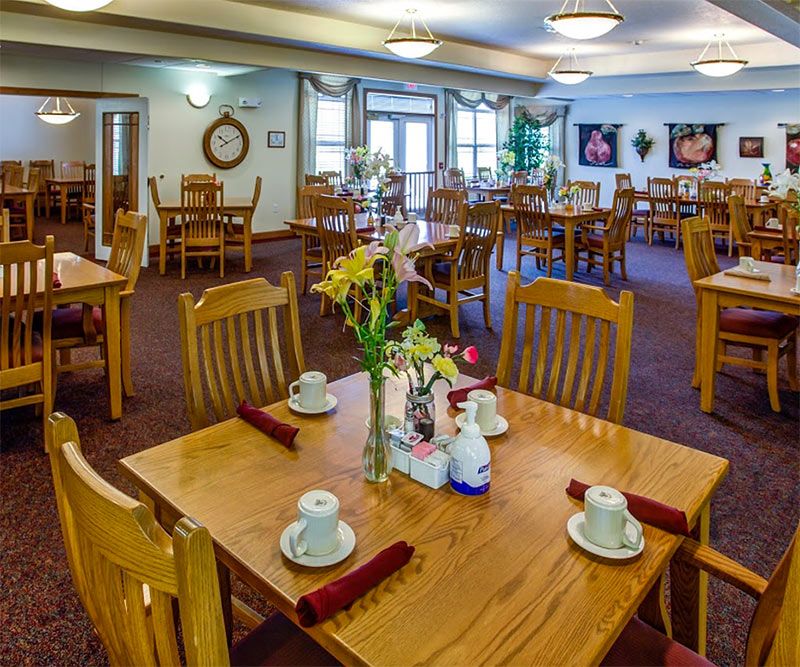
Good meals and dining
The food comes through as a recurring positive in residents’ experiences.
A few reviews mention that the meals are good, including one that calls out good meals specifically. Others describe food as part of what makes the community feel like home. Taken together, dining is a reliable point families use when describing day-to-day life.
common4 reviews mention this
Activities that keep residents engaged
Residents are regularly described as having fun with on-site activities and events.
Multiple Prairie Hills reviews say residents enjoy the activities and events, with some describing weekly social routines and holiday-style gatherings. Families also mention seeing residents stay busy and engaged through what the community schedules and hosts. Reviews further highlight that activities can bring families into the experience, not just residents.
How we summarize
Counts show how many written reviews mention each theme; a review can touch several themes, and only frequently mentioned themes are displayed.
Prairie Hills Des Moines offers a comprehensive suite of features tailored to support residents with dementia or Alzheimer's disease, ensuring their safety and enhancing their quality of life. The provision of 24-hour supervision allows for constant monitoring, which is crucial for individuals who may experience confusion or disorientation. Assistance with activities of daily living--such as bathing, dressing, and transfers--promotes dignity while addressing the physical challenges that residents face. Coordination with healthcare providers ensures that medical needs are met promptly and effectively, while medication management helps prevent potential complications related to mismanagement of prescriptions. Meal preparation and service cater to nutritional needs in a way that minimizes stress around eating, while specialized memory care programming engages residents cognitively and socially. Additionally, mental wellness programs address emotional health, providing necessary support for emotional well-being. Transportation arrangements for medical appointments ensure that residents can easily access essential healthcare services as needed, further contributing to their overall care continuity.
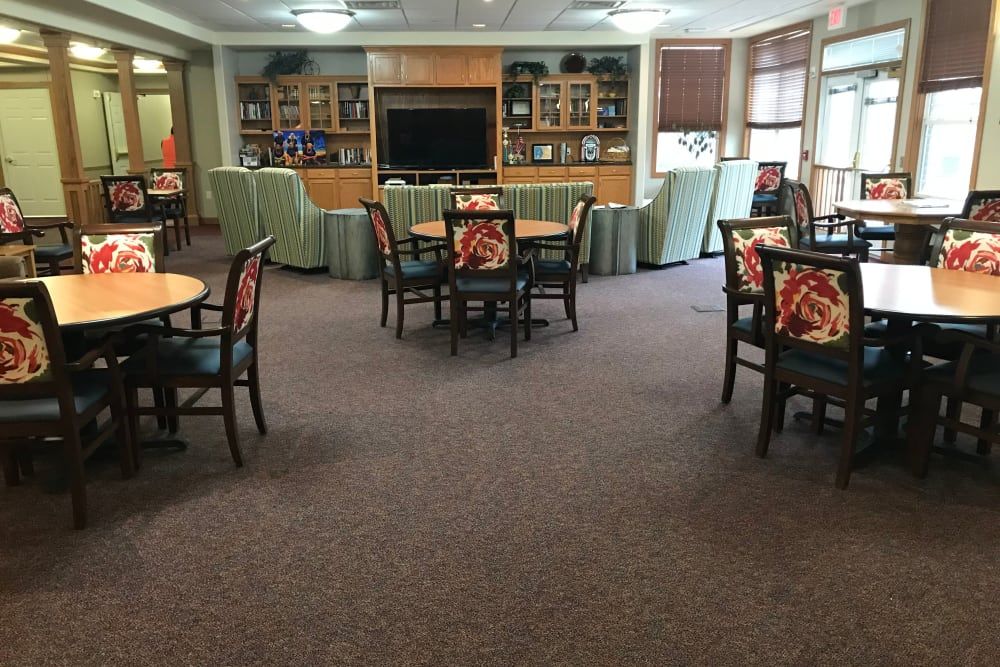
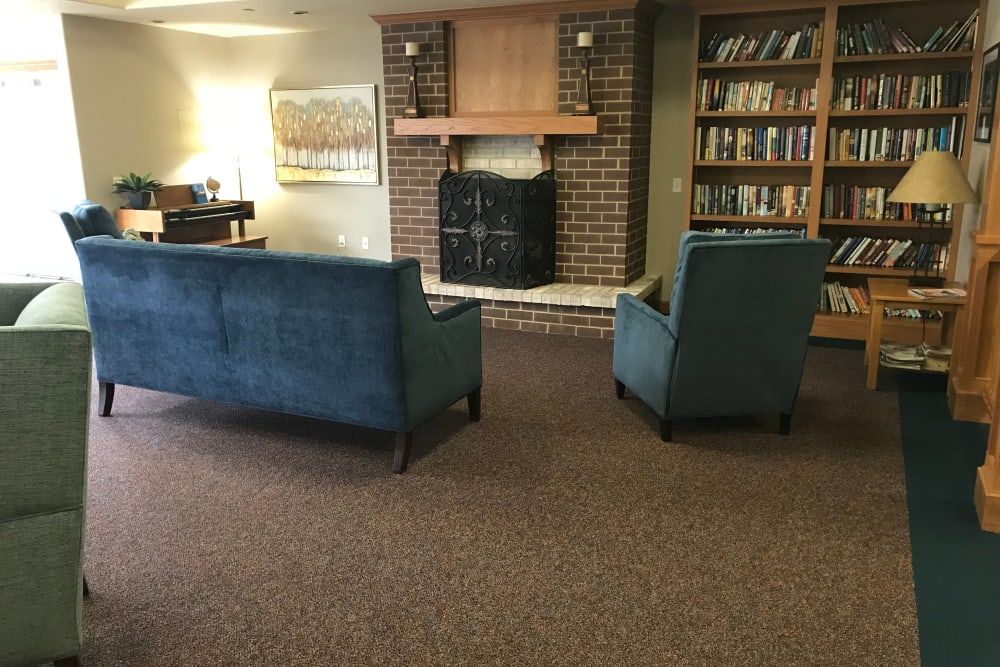
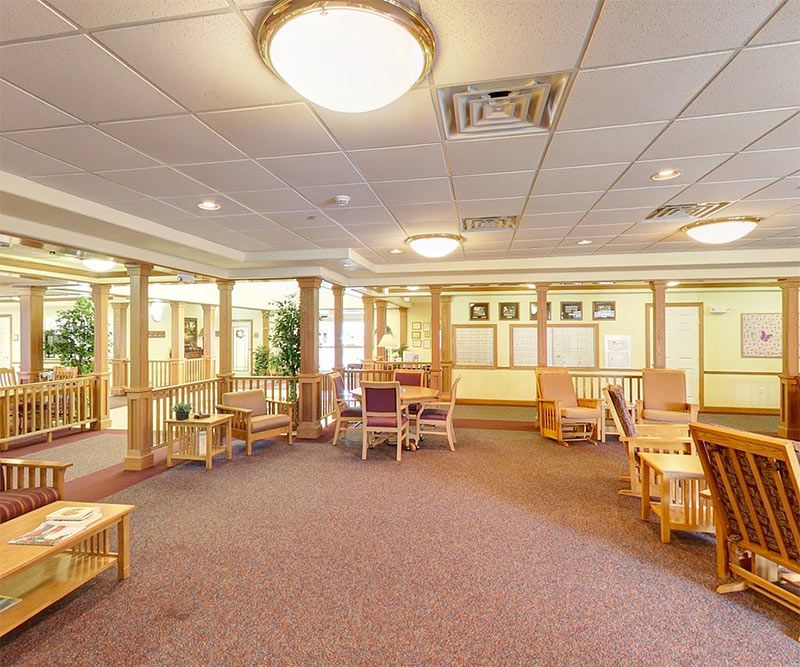
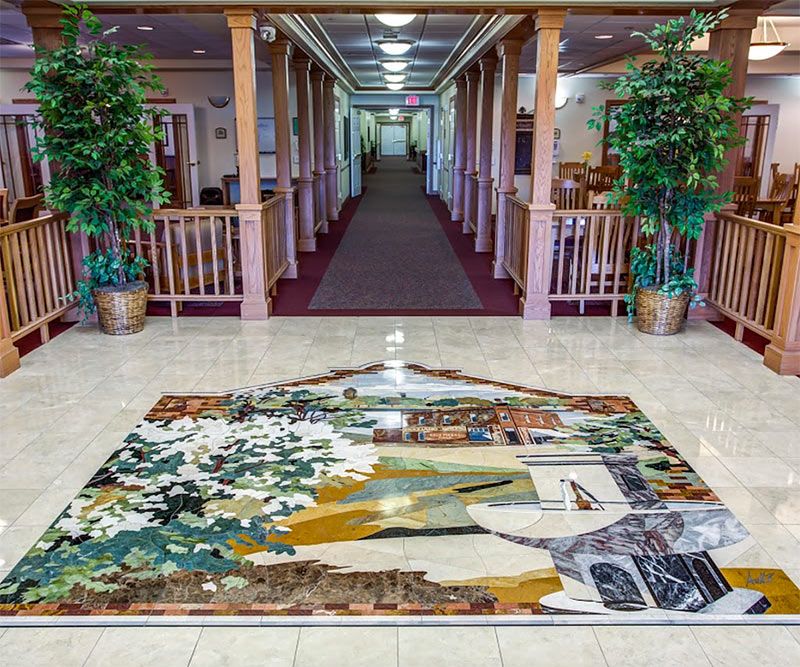
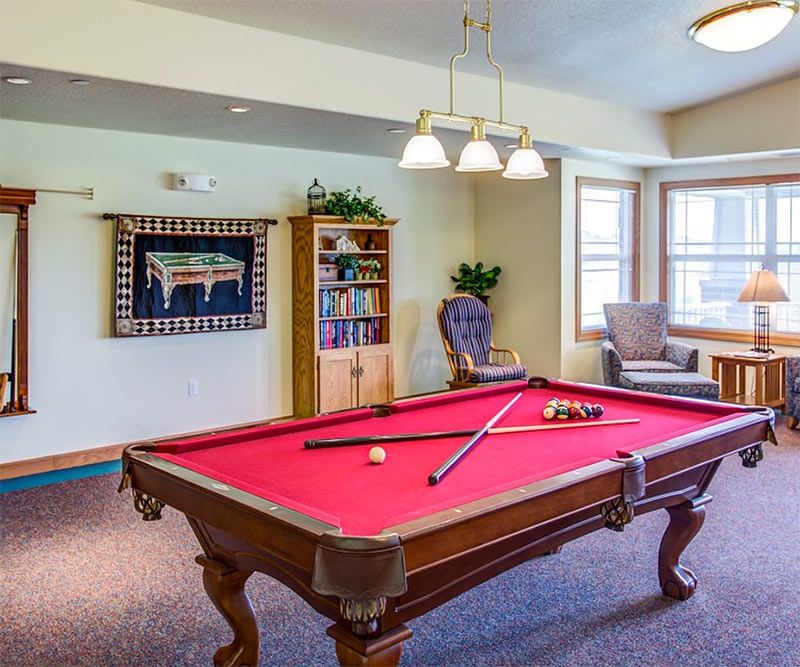
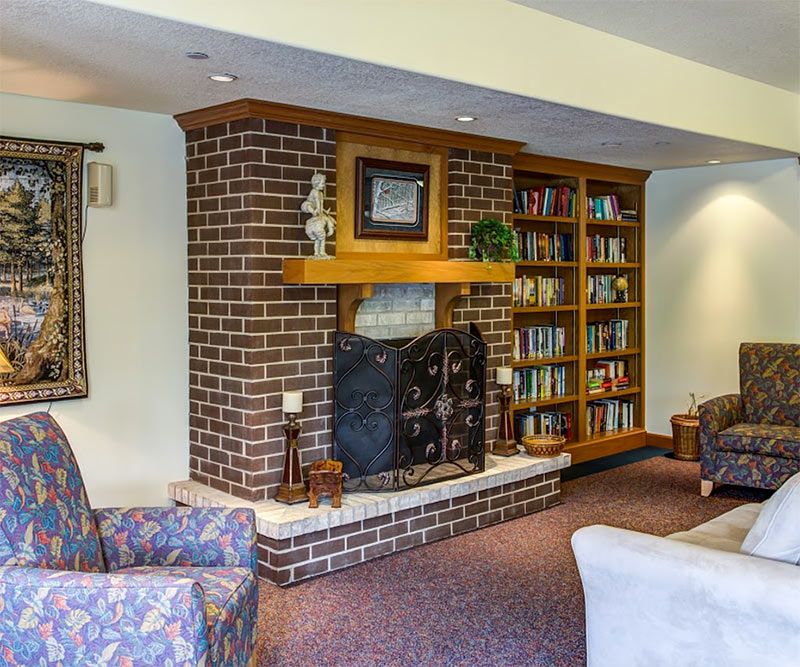
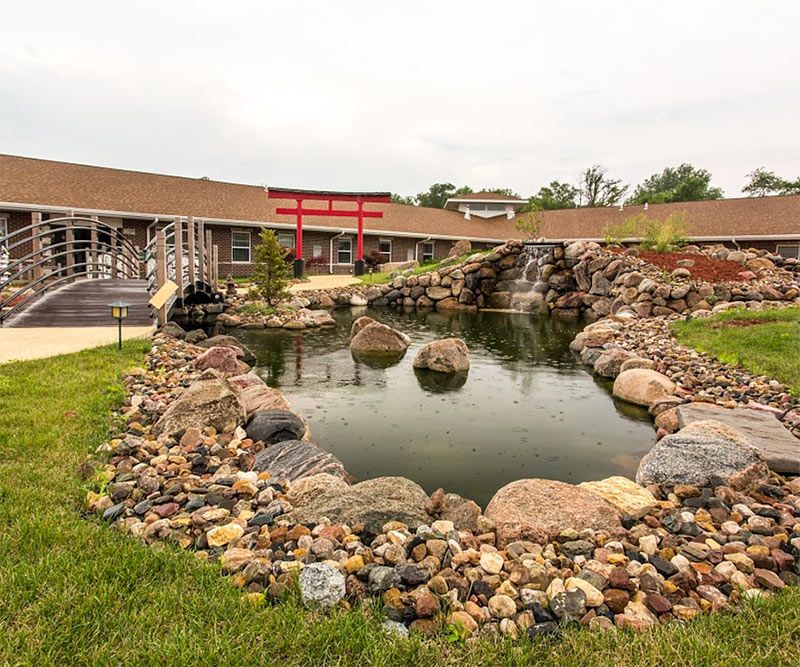
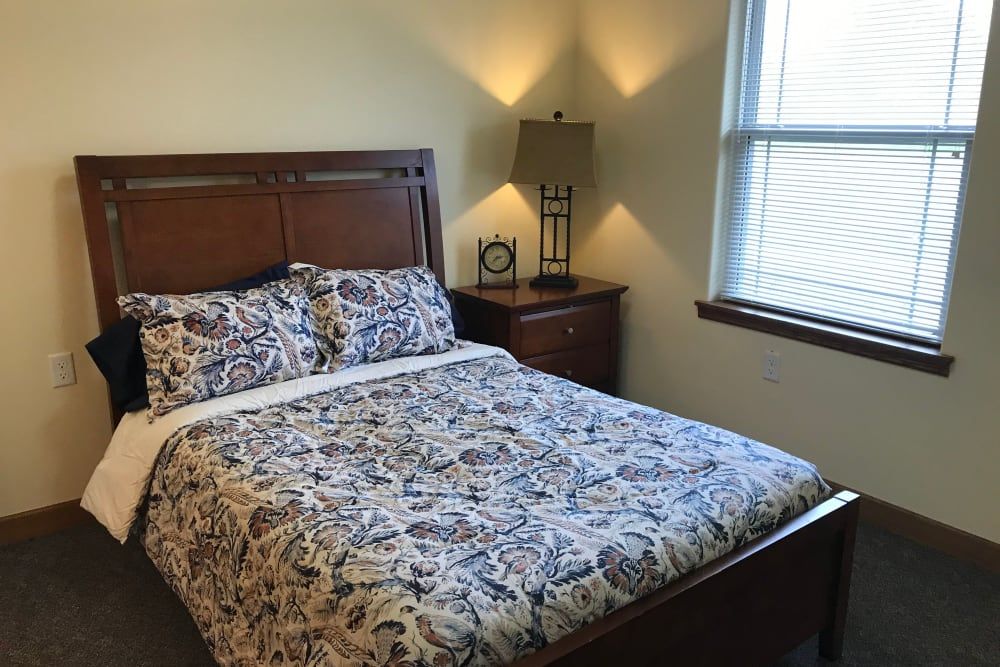
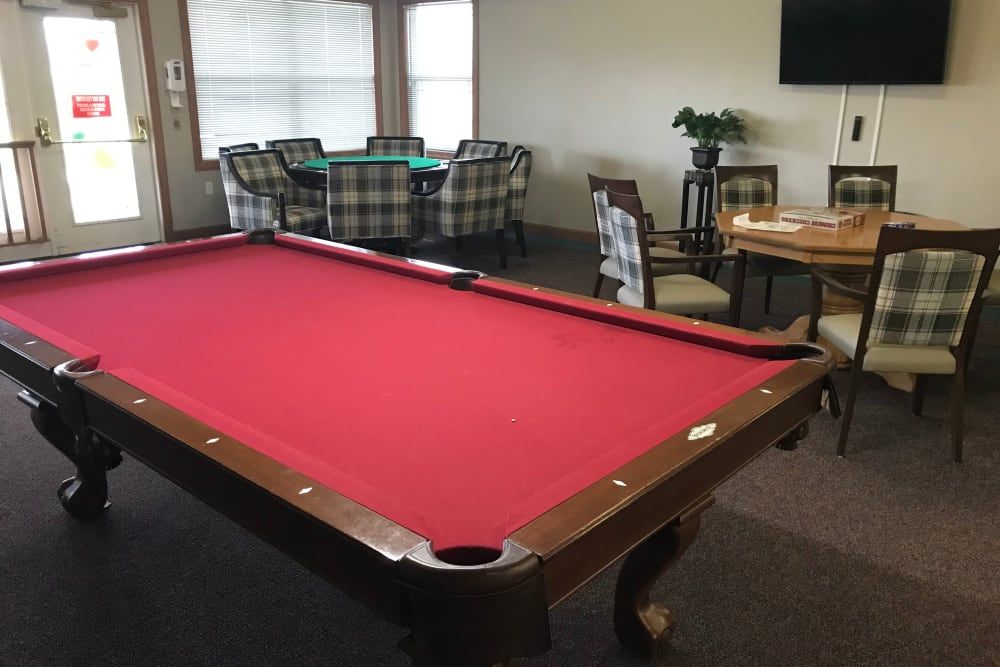
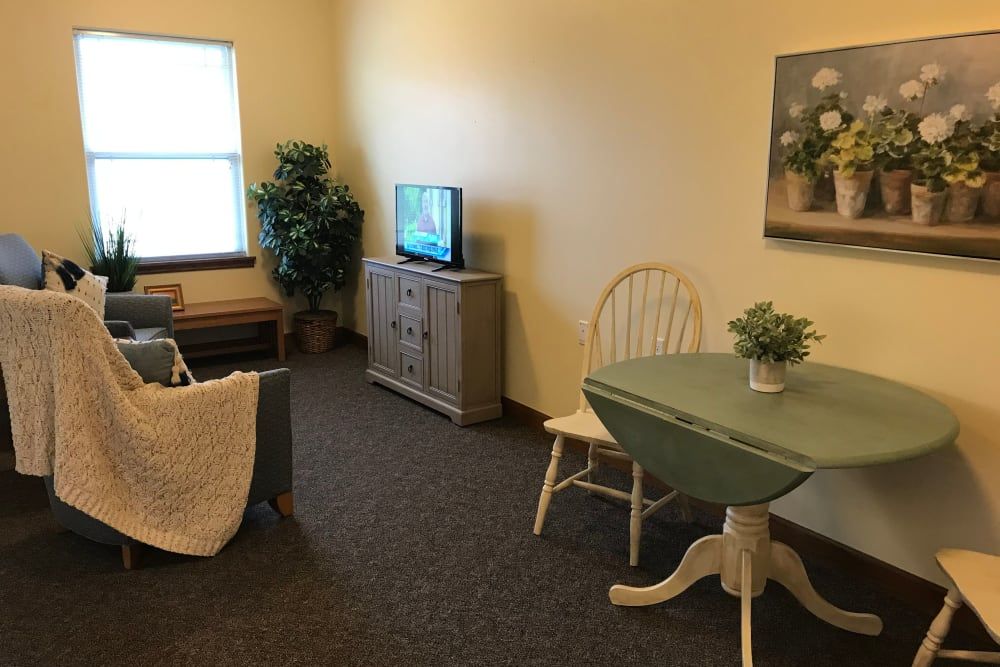
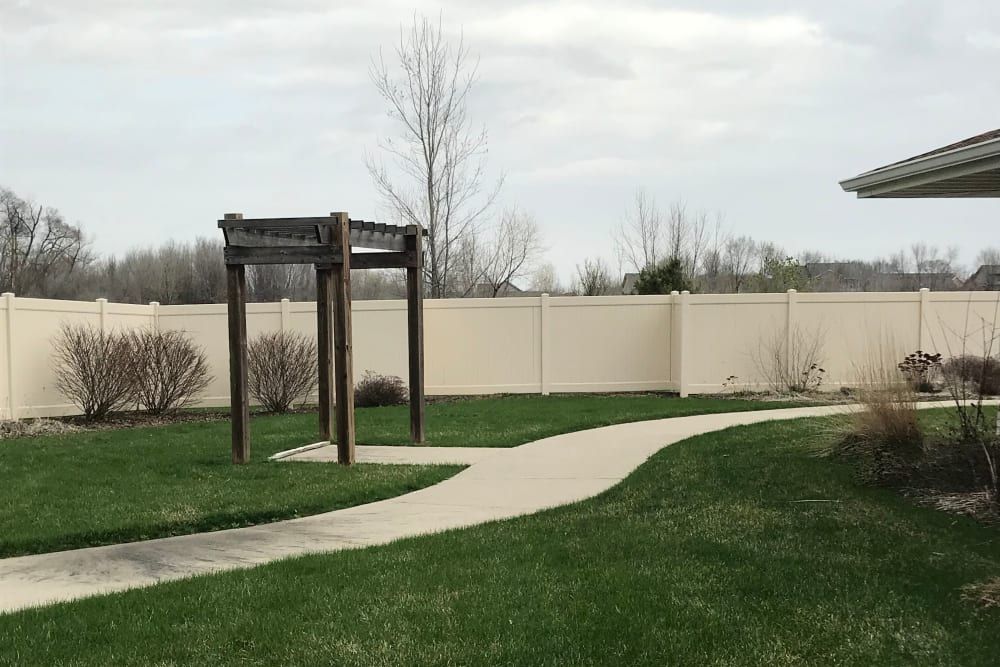
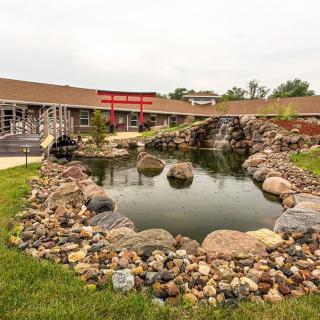
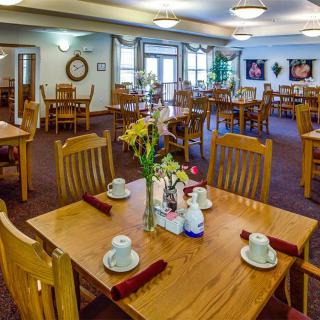
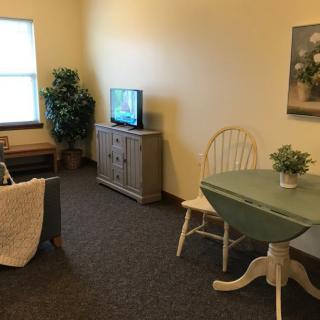
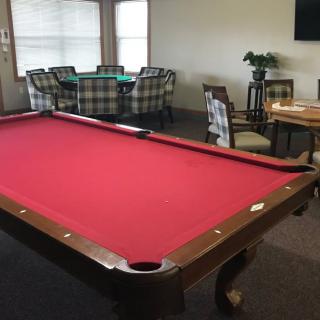
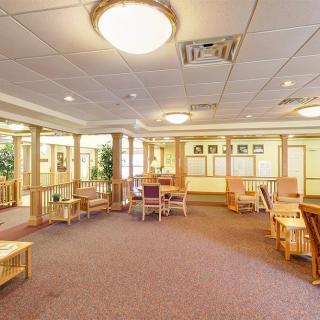
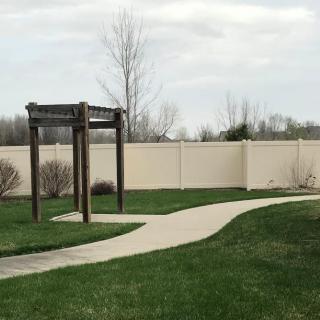
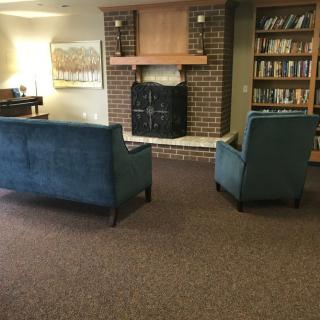
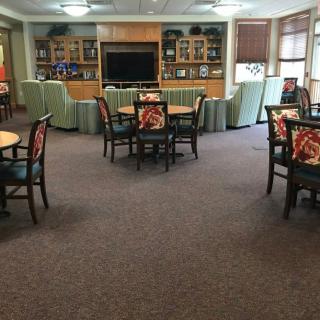
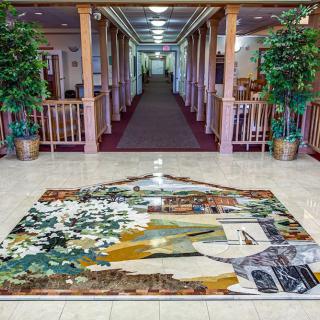
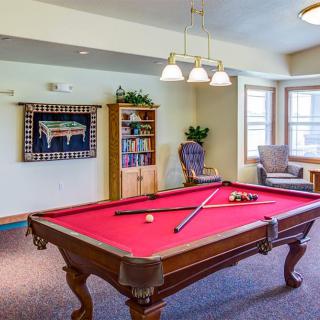
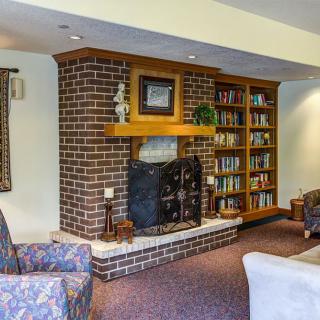
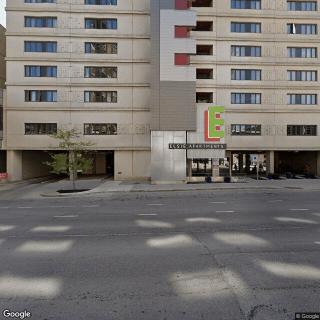
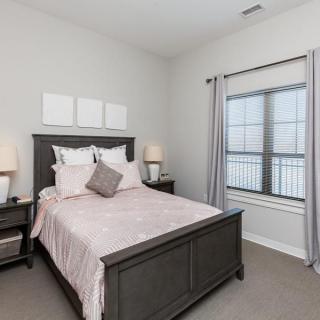
Prairie Hills Des Moines on seniors.fyi includes 12 photos including images showing interior, billiards, decor, living room, dining, game room, garden, bedroom, and more.
Nearby Communities
Prairie Hills of Des Moines
Des Moines, IA
4.6 from 104 reviews
$3,950 to $5,000 / month
Friendly staff, engaging activities, and a beautiful, welcoming property.
Edencrest At Riverwoods
Des Moines, IA
3.9 from 42 reviews
$3,860 to $5,330 / month
Friendly staff, clean and spacious facilities with engaging activities.
Southridge Village I
Des Moines, IA
3 from 1 review
$694 / month
Very affordable 1-bedroom rent for a 55+ community; pet-friendly.
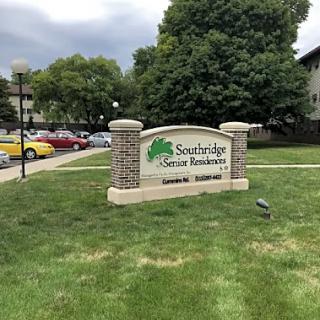
Southridge Senior Residences
Des Moines, IA
3.6 from 63 reviews
$648 / month
Dedicated staff and a vibrant social scene that helps residents form friendships.
Cummins Village
Des Moines, IA
$595 / month
One-bedroom at $595/month, significantly cheaper than county/state averages.
Virginia Park
Des Moines, IA
5 from 4 reviews
$591 to $4,355 / month
Very affordable pricing with nearby parks, dining, and healthcare.
Elsie Mason Manor
Des Moines, IA
4 from 29 reviews
$776 to $3,000 / month
Very affordable pricing relative to Polk County and Iowa averages, with active on-site programs.
Valley View Village
Des Moines, IA
4.3 from 26 reviews
$990 to $1,100 / month
Comprehensive care options across levels with affordable rates and on-site dining.
Holland Farms Senior Living
Norwalk, IA
4.3 from 34 reviews
Beautiful, clean facility with engaging activities and strong memory-care programming.
The article emphasizes the significance of establishing a power of attorney for elderly parents to enable an agent to make decisions on their behalf regarding health and finances, especially during cognitive or physical decline. It outlines various types of power of attorney, the importance of consulting legal professionals, and the responsibilities and challenges faced by agents, while also discussing alternatives and common misconceptions.
Caregiver support groups are crucial for providing emotional and practical assistance to those caring for loved ones, offering resources, coping strategies, and a sense of community through various organizations and platforms. These groups help alleviate isolation and burnout while addressing the unique challenges faced by caregivers of individuals with specific conditions.
The guide outlines the complexities of Medicaid coverage for assisted living, highlighting significant state-to-state variations, limited coverage often restricted to personal care services, and the existence of specialized waivers for certain needs like memory care. It advises families to consult local Medicaid offices for options while emphasizing the importance of understanding state-specific regulations and facility policies.
Get PricingAsk A QuestionSchedule A TourContact Senior Advisor
By clicking submit, you agree to our Partner's Terms of Use. You
also consent to receive calls and texts, which may be autodialed, from our Partner. Your consent is not a condition to
using our Partner's service. Please visit our Partner's Privacy Policy for information about their privacy practices.


 128 resident community capacity
 Assisted Living
 Memory Care
 Air-conditioning
 Beauty salon
 Cable or satellite TV
 Computer center
 Dining room
 Fitness room
 Fully furnished
 Gaming room
 Garden
 Housekeeping services
 Kitchenette
 Move-in coordination
 Outdoor space
 Pet friendly
 Private bathrooms
 Restaurant-style dining
 Small library
 Telephone
 Wellness center
 Wi-Fi/high-speed internet available
 Des Moines International (5 miles away)
 Community operated transportation
 12-16 hour nursing
 24-hour call system
 Activities of daily living assistance
 Assistance with bathing
 Assistance with dressing
 Assistance with transfers
 Diabetes diet
 Hospice waiver
 Medication management
 Mental wellness program
 Special dietary restrictions
 Transportation arrangement (medical)
 Concierge services
 Planned day trips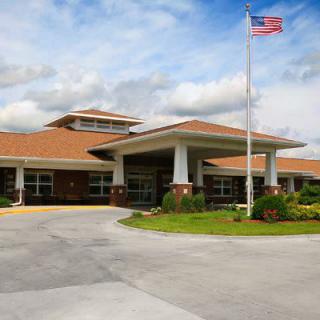
 Friendly staff, engaging activities, and a beautiful, welcoming property.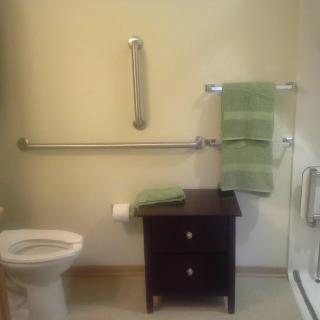


 Guiding Your Journey: Understanding Power of Attorney for Elderly Parents
 22 Remarkable Caregiver Support Groups Available Online and In-Person
 Understanding Medicaid Coverage for Assisted Living: A Comprehensive Guide