Prairie Hills at Clinton offers competitive pricing for its various room types, positioned thoughtfully within the context of both local and state averages. For a studio apartment, residents can expect a monthly fee of $3,700, which is slightly below the Clinton County average of $3,965 but higher than Iowa's state average of $3,613. The pricing for one-bedroom units stands at $4,910, significantly exceeding both the county's average of $3,356 and the state's average of $2,862, indicating a premium offering that may correspond to enhanced amenities or services. Similarly, two-bedroom accommodations are priced at $5,400 - again above the county's average of $3,888 and Iowa's average of $3,329. This pricing structure suggests that Prairie Hills at Clinton aims to provide distinctive features that justify its higher costs for larger units while still remaining competitive in the studio market.
Floor plans
Prairie Hills at Clinton
Clinton County
Iowa
Studio
$3,700
$3,965
$3,609
1 Bedroom
$4,910
$3,356
$2,863
2 Bedrooms
$5,400
$3,888
$3,329
Memory care communities with a similar price nearby
Residents and families consistently describe staff as kind and responsive.
Across many reviews, families say the staff are compassionate, friendly, and quick to help with requests. Several reviewers mention comfort during difficult moments and feeling that staff treated loved ones like family. Others describe specific support like introducing themselves, following up when help is needed, or making sure residents have what they need day to day. Even some reviews that focus on other topics still return to the theme that staff are consistently caring.
common10 reviews mention this
Clean, well-kept facilities
Multiple residents note the building is kept clean and well maintained.
Many reviewers comment on cleanliness and upkeep, describing the facility as clean, tidy, and well maintained. Some also mention the property feeling modern, and a few tie this to the overall comfort of living there. A couple of reviews focus on cleanliness in specific areas like common spaces and rooms being ready to move into. The strongest counterpoints to cleanliness show up in a small set of negative reviews rather than the majority.
differentiator5 reviews mention this
Dining earns repeated good feedback
Dining is a recurring bright spot in resident experiences.
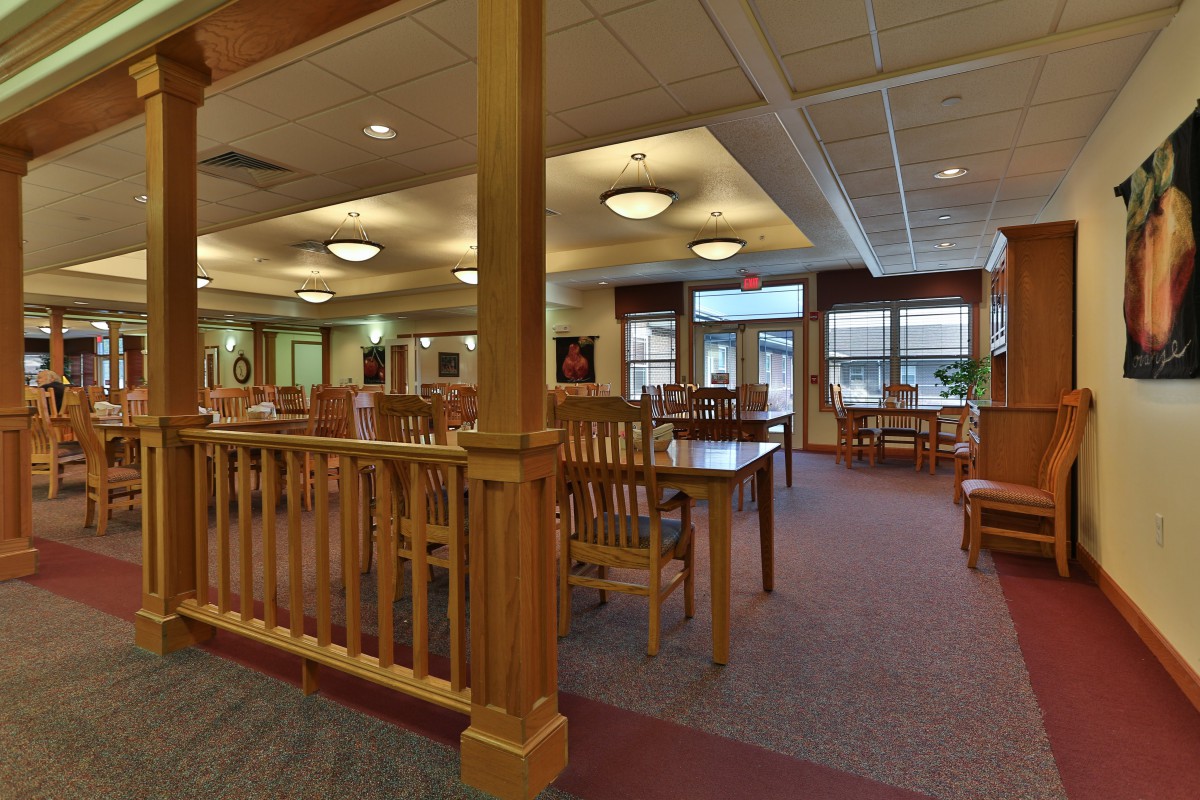
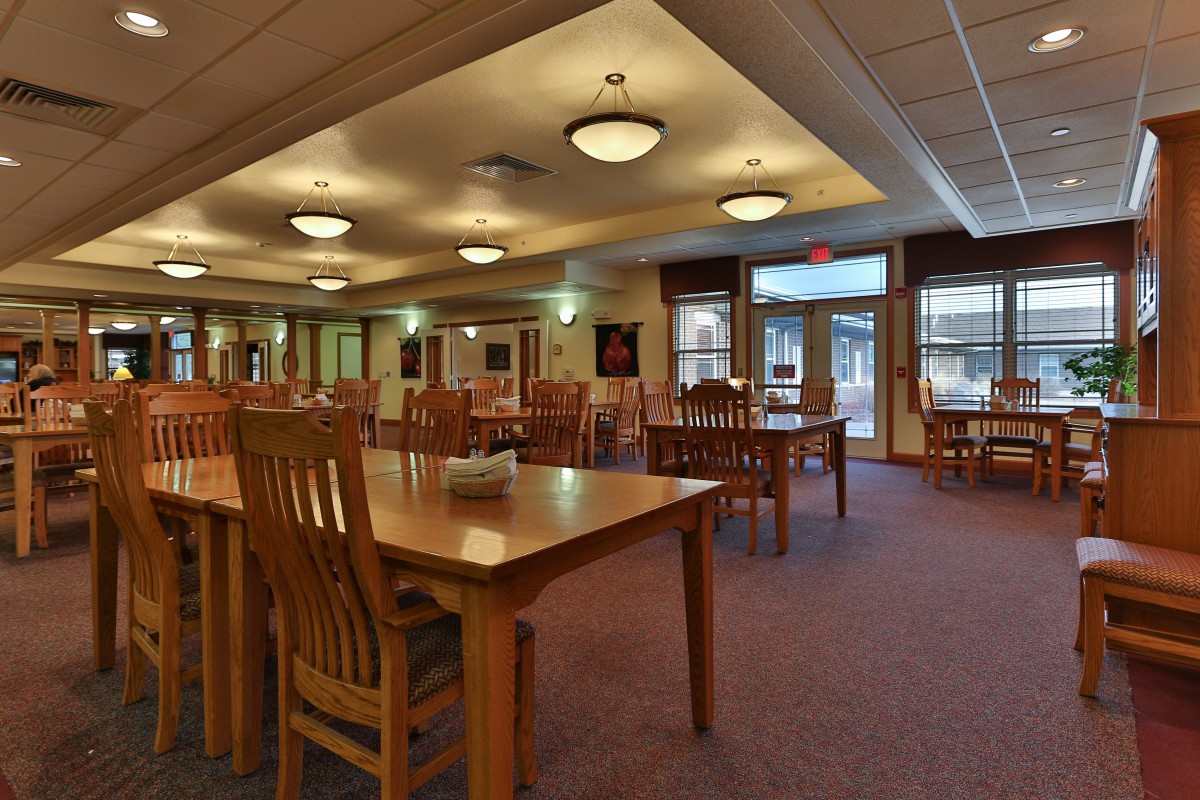
Several reviews say residents are well fed and that the food is good. Reviewers also mention the ability to handle individualized food preferences, including making different meal choices when needed. The community also offers restaurant-style dining and room service options, which aligns with the way multiple families describe meals at the property. A small number of reviews do not focus on dining, but among those that do, feedback is mostly positive.
common7 reviews mention this
Activities are available, with mixed reach
The community provides activities, though participation varies.
Many reviewers mention programming and social activities, including events like games, religious services, and group outings. Some describe residents enjoying activities and making friends, and others say the community offers ways to stay engaged. A couple of reviews note limitations in what their loved one participated in, including that activity involvement could be limited or that schedules were hard to see before moving. Overall, activities appear to be offered, but engagement depends on the resident.
caveat5 reviews mention this
Care follow-through concerns in memory care
Some memory-care-related reviews raise serious concerns about care execution.
A small set of reviews describes problems with medication handling and staffing follow-through in memory care, including claims that prescribed medication and personal care needs were not consistently addressed. Other negative reviews go further, alleging issues like infestations and criticizing how the facility handled billing or charges. While most reviews emphasize care and responsiveness, these concerns are strong enough that they stand out for some families. If you are considering memory care, these reports are worth weighing alongside the more positive experiences.
How we summarize
Counts show how many written reviews mention each theme; a review can touch several themes, and only frequently mentioned themes are displayed.
Features
Housing
1-bedroom apartments
2-bedroom apartments
Studio apartments
Types of Care
Assisted Living
Memory Care
Amenities
Activities off-site
Activities on-site
Air-conditioning
Beautician on-site
Cable or satellite TV
Cafe
Computer center
Devotional services off-site
Devotional services on-site
Dining room
Financing advice
Garden
General store
Ground floor units
Guasts at mealtime
Guest parking
Housekeeping services
Indoor common areas
Kitchenette
Laundry
Outdoor common areas
Overnight guests
Party space
Private cleaning services
Resident parking
Respite or short term stays offered
Security gate
Spa
TV room
VA Benefits Consultation
Wheelchair accessible showers
Wi-Fi/high-speed internet available
Transportation
Transportation & parking
Care Services
Ambulatory care
Hospice care
Incontinence care
Medication management
Physical therapy
Dining
Anytime dining
Guest meals
Low / no sodium
Meals provided
No Sugar
Restaurant style dining
Room service
Special dining programs
Activities
Activities off-site
Art classes
Arts and crafts
Book club
Catholic services
Cooking classes
Cooking club
Day trips and outings
Devotional activities offsite
Devotional activities on-site
Educational speakers / life long learning
Fitness programs
Games
Gardening club
Karaoke
Live musical performances
Live well programs
Other religious services
Protestant services
Religious services
Stories
Tai Chi
Visiting chaplain or priest
Wii bowling
Yoga / chair yoga
Nearby Places of Interest
This area of Clinton, Iowa, offers a variety of amenities and services that may be appealing to seniors looking for a comfortable and convenient place to live. With several parks nearby, such as Erickson Center and Riverfront Park, there are opportunities for outdoor recreation and relaxation. In terms of healthcare, there are multiple pharmacies in the vicinity, as well as physicians' offices and hospitals like Mercy Medical Center, ensuring easy access to medical care. Additionally, there are several places of worship for spiritual support and a sense of community. Transportation options like Free Bird Limo & Taxi Service provide convenience for getting around town. Restaurants like Long John Silver's and Cousin's Family Restaurant offer dining options close by, while cafes such as Nora's Cafe provide cozy spots for socializing or enjoying a cup of coffee. Overall, this area of Clinton provides a mix of convenience and comfort that may be desirable for seniors considering senior living options.
Parks
Erickson Center (0.3 miles)
Riverfront Park (2.4 miles)
Four Square Park (2.6 miles)
Heritage Canyon (3.4 miles)
Eagle Point Park (3.5 miles)
Malone Park (12.3 miles)
Driscoll's Island (14.7 miles)
Pharmacies
Wagner Pharmacy (1 miles)
Wagner Pharmacy (2.2 miles)
Wagner Pharmacy (2.3 miles)
Walgreens (2.3 miles)
Fitzgerald Pharmacy (13.8 miles)
Physicians
Medical Associates-Family Practice (1 miles)
Medical Associates (1 miles)
Mt Alverno (1.1 miles)
Advanced Dermatology & Laser (1.5 miles)
MercyOne Clinton Specialty Care (1.9 miles)
Mercy Medical Center-Clinton - Alexander D Pinc MD (1.9 miles)
Prairie Hills at Clinton offers competitive pricing for its various room types, positioned thoughtfully within the context of both local and state averages. For a studio apartment, residents can expect a monthly fee of $3,700, which is slightly below the Clinton County average of $3,965 but higher than Iowa's state average of $3,613. The pricing for one-bedroom units stands at $4,910, significantly exceeding both the county's average of $3,356 and the state's average of $2,862, indicating a premium offering that may correspond to enhanced amenities or services. Similarly, two-bedroom accommodations are priced at $5,400 - again above the county's average of $3,888 and Iowa's average of $3,329. This pricing structure suggests that Prairie Hills at Clinton aims to provide distinctive features that justify its higher costs for larger units while still remaining competitive in the studio market.
Incontinence care is essential for residents with dementia or Alzheimer's disease, as it fosters dignity and comfort while reducing anxiety related to potential accidents. This support allows caregivers to maintain a consistent routine, which can help minimize confusion and provide a sense of security for residents. Medication management ensures that individuals receive their necessary medications on time and in the correct dosages, thereby optimizing health outcomes and minimizing behavioral changes associated with missed doses or incorrect administration. Furthermore, physical therapy plays a vital role in enhancing mobility and overall physical well-being, promoting independence and engagement in daily activities, which can be particularly beneficial for cognitive function. Together, these features create a holistic approach to memory care that supports both physical health and emotional stability for residents navigating the challenges of dementia or Alzheimer's disease.
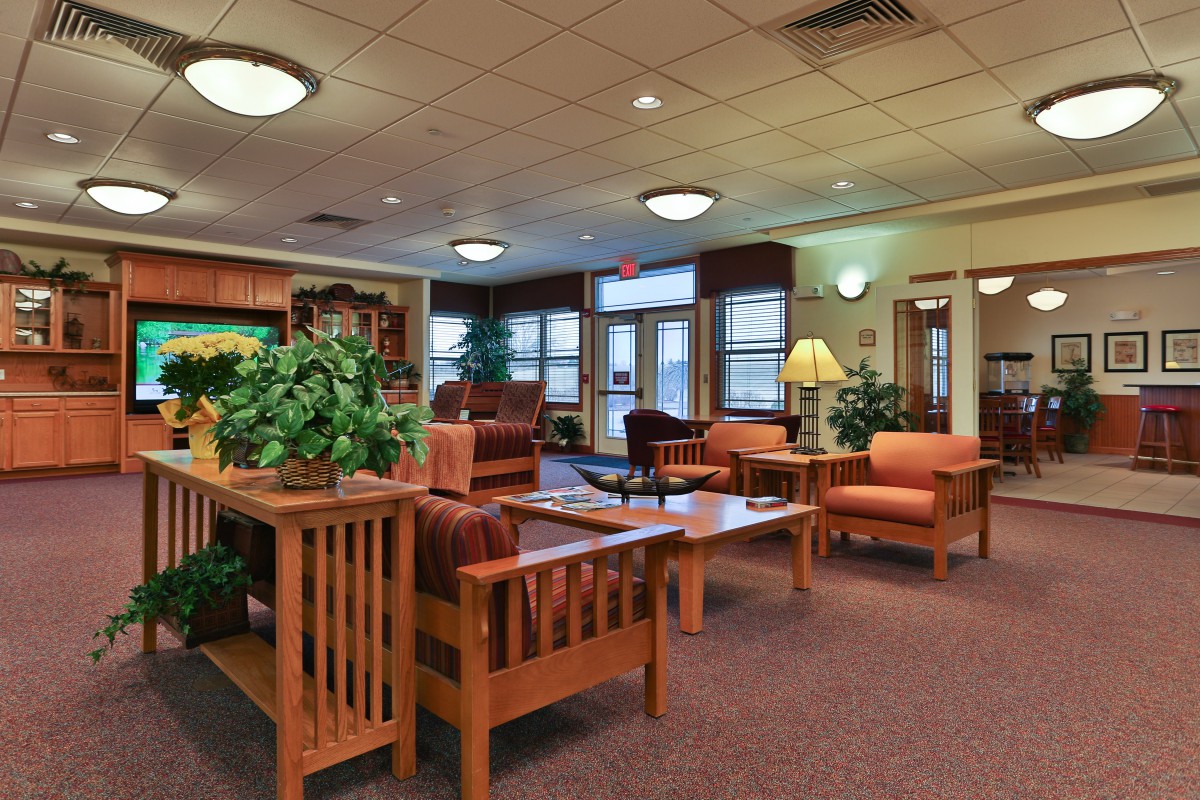
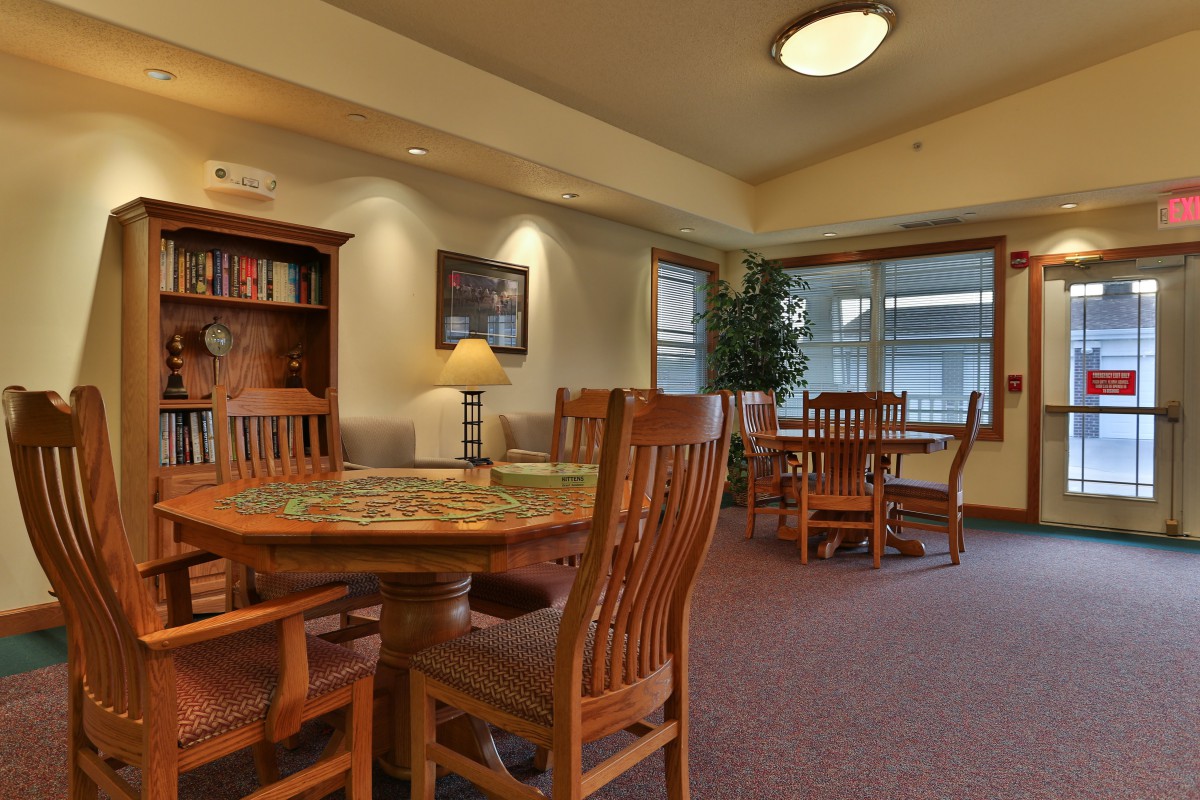
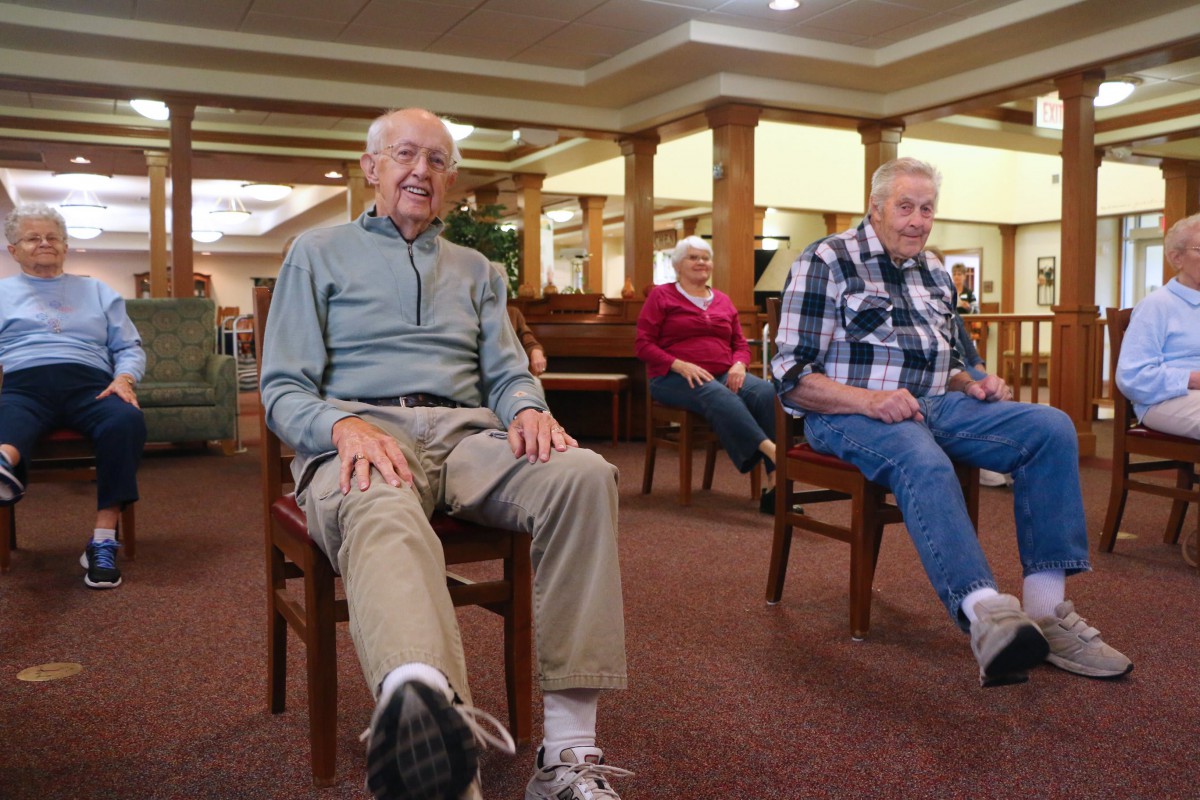
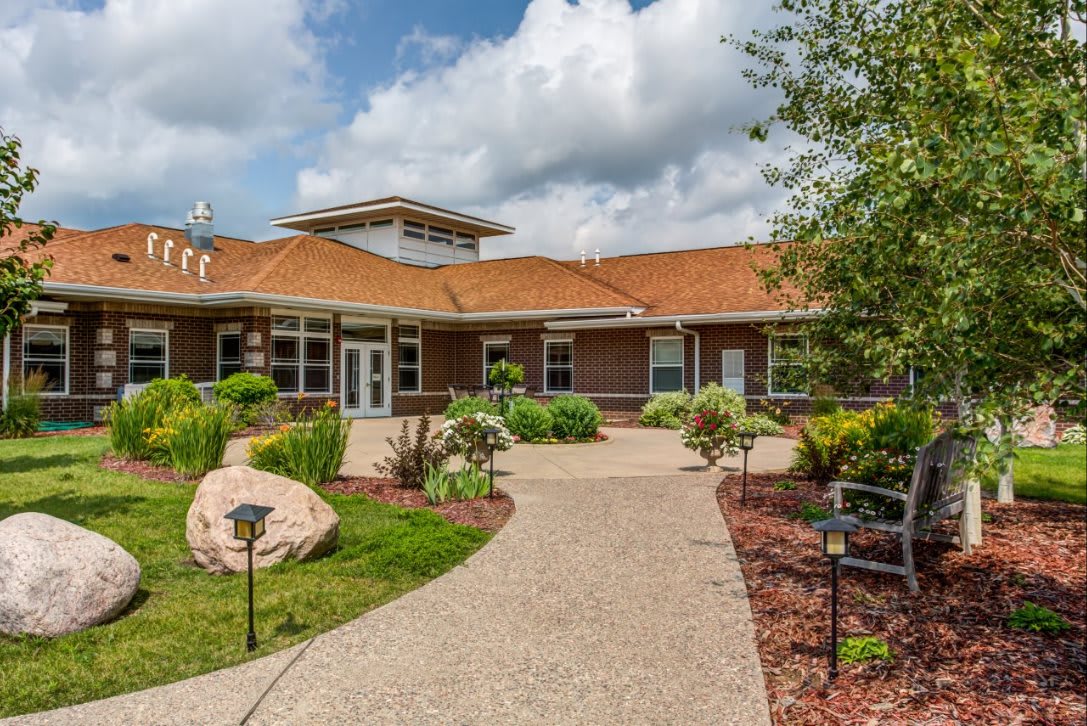
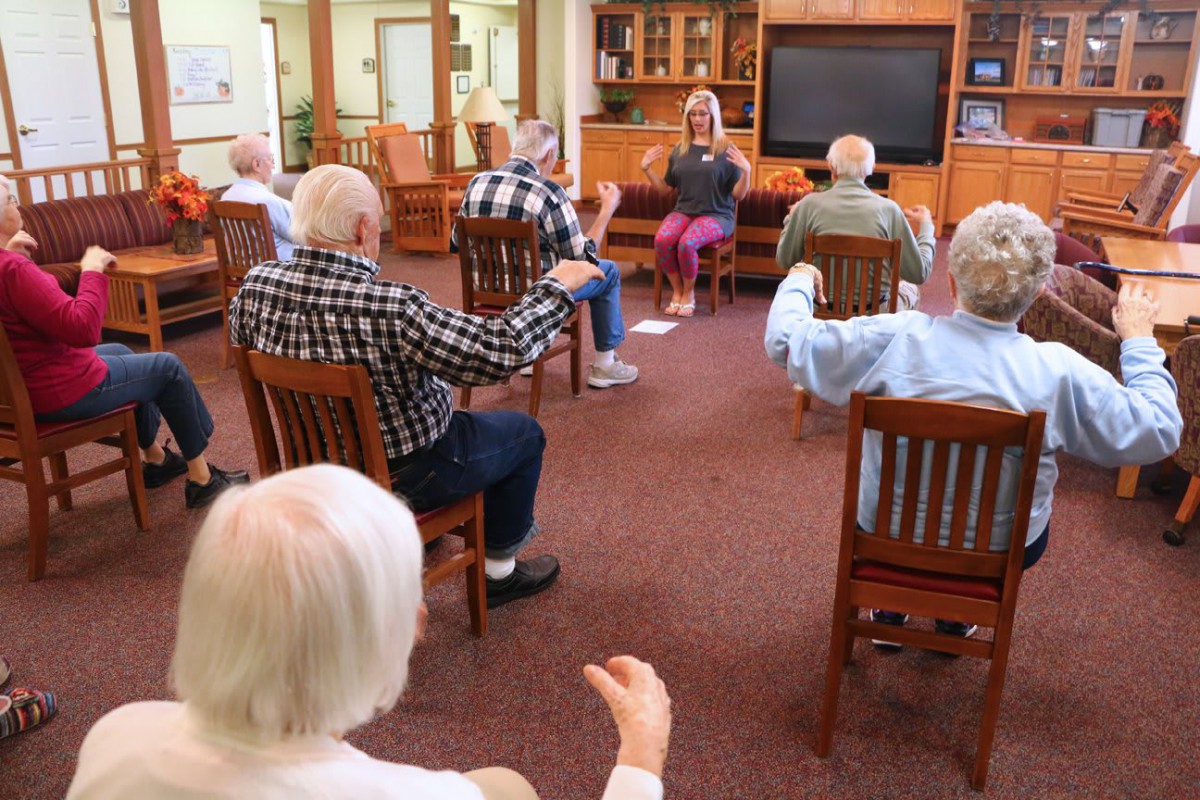
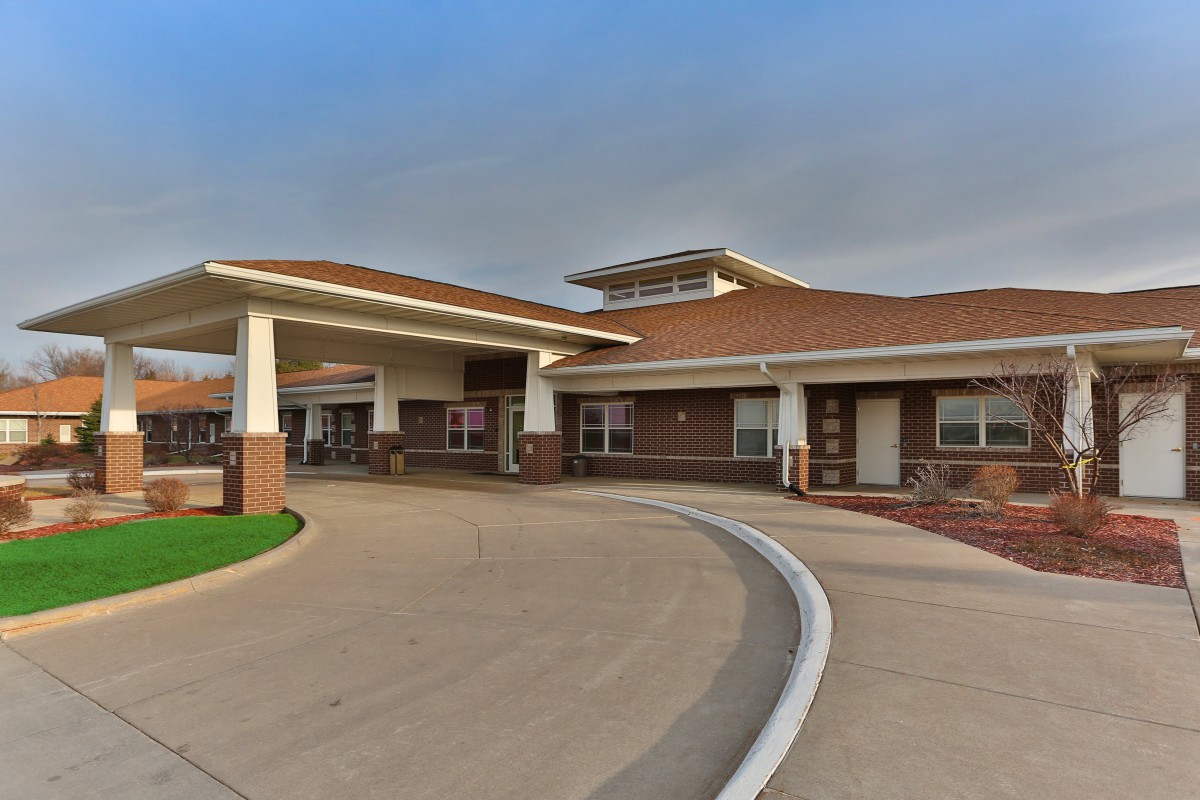
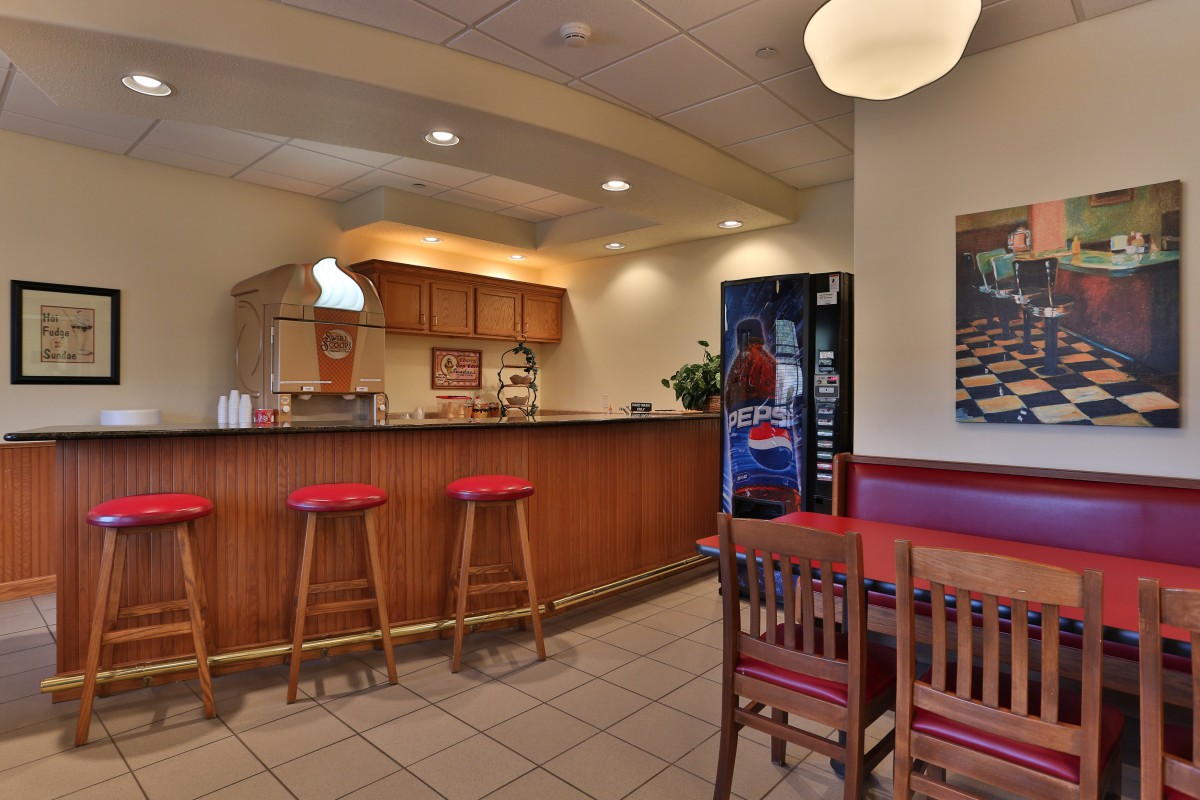
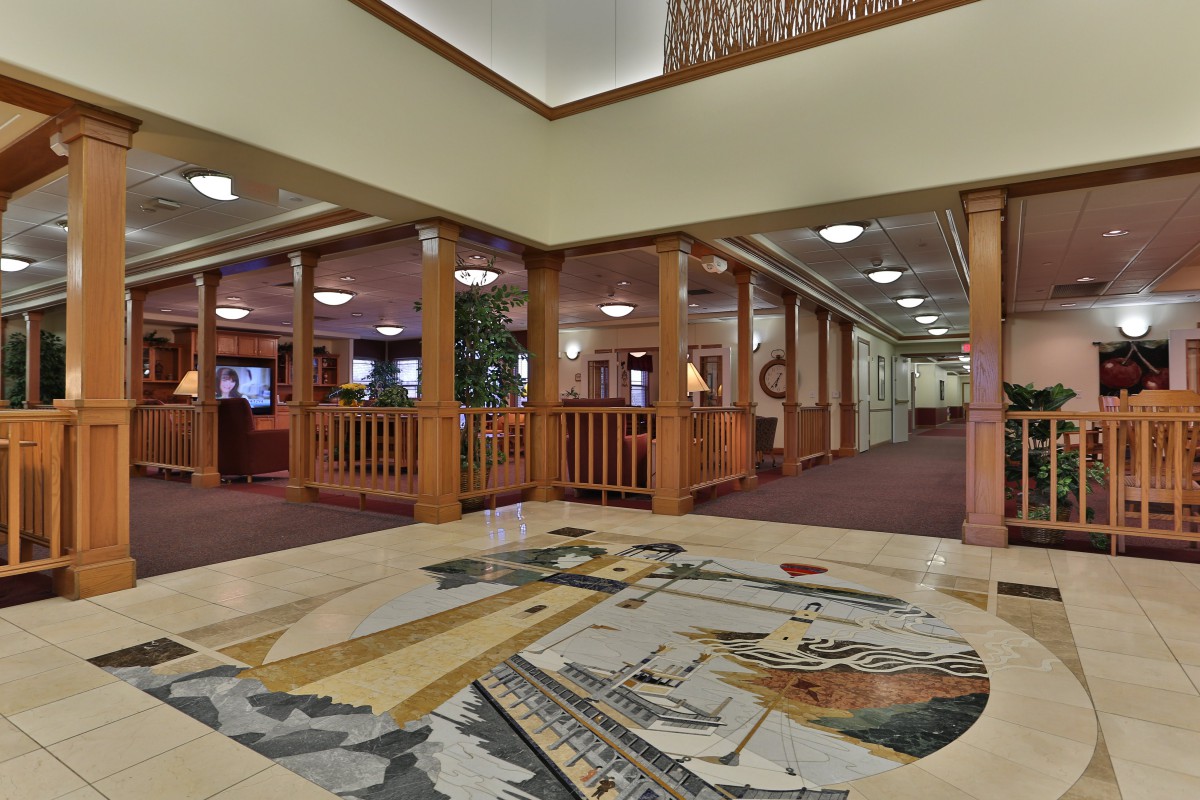
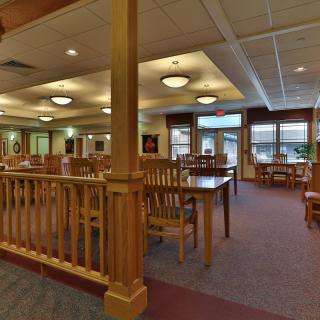
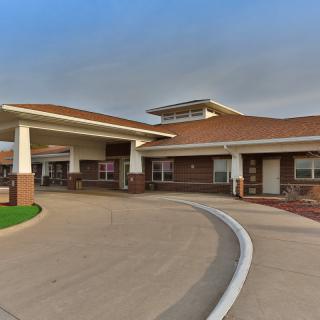
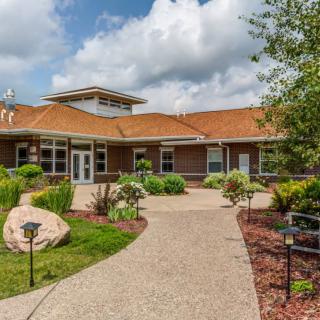
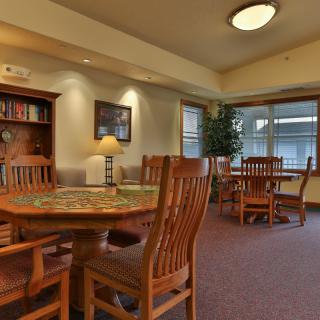
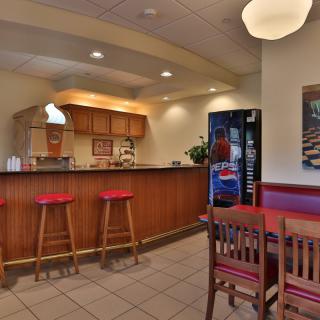
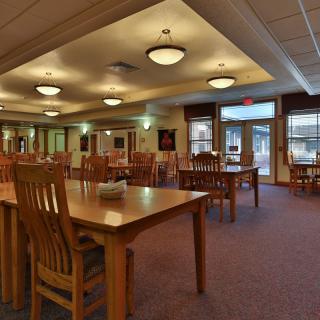
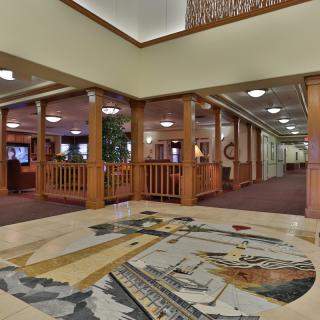
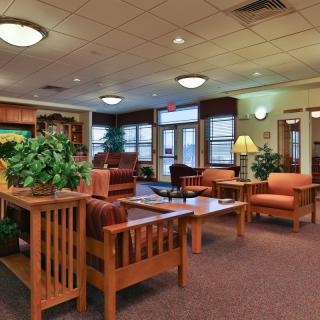
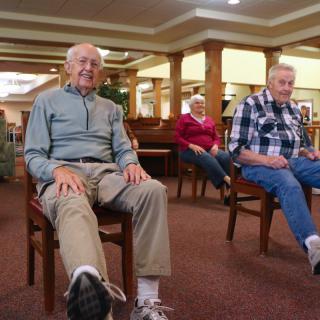
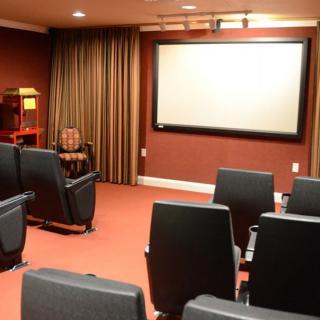
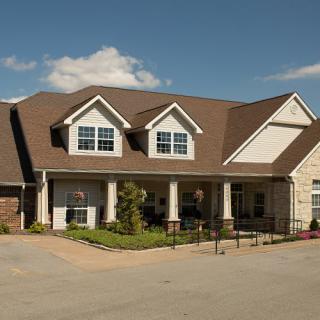
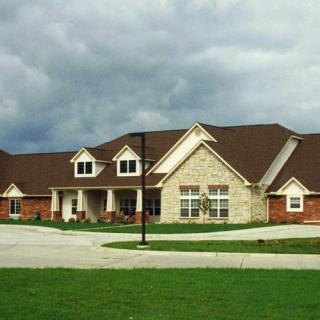
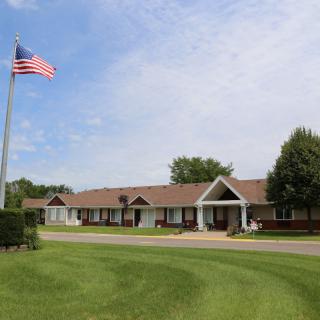
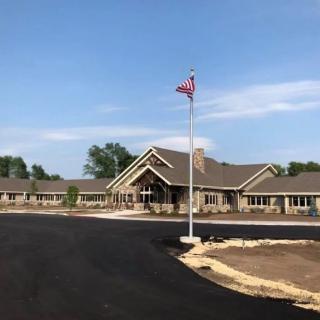
Prairie Hills at Clinton on seniors.fyi includes 11 photos including images showing interior, lighting, library, seating area, lobby, exercise, building, architecture, and more.
Nearby Communities
Prairie Hills Clinton
Clinton, IA
4.5 from 23 reviews
Sterling House
Clinton, IA
4.8 from 32 reviews
Comfortable studio options with diabetic care, a welcoming environment, and a convenient location.
Bickford of Clinton
Clinton, IA
4.9 from 36 reviews
$3,346 to $3,954 / month
Caring staff, engaging activities, and a comfortable home-like atmosphere with good value for studio living.
The Alverno Senior Care Community
Clinton, IA
4.6 from 116 reviews
Alverno Health Care Facility
Clinton, IA
4.6 from 100 reviews
Excellent access to healthcare, dining, parks, and religious institutions nearby.
Regency Retirement Residence Of Clinton
Clinton, IA
4.9 from 12 reviews
Comprehensive care with 24-hour supervision, medication management, meals, transport to medical appointments, mental wellness programs, social activities, and furnished apartments.
Park Vista Retirement Living
Camanche, IA
4.9 from 22 reviews
$1,890 to $3,860 / month
Attentive staff delivering personalized care in a clean, homelike setting with robust activities and excellent dining.
The Summit of Bettendorf
Bettendorf, IA
4.4 from 50 reviews
Independent living with diabetic care and strong access to nearby dining, parks, pharmacies, physicians, hospitals, theaters, and places of worship.
The Fountains
Bettendorf, IA
4.9 from 134 reviews
$3,000 to $6,500 / month
Friendly, welcoming community with smooth move-in, clean facilities, and strong dining/activities.
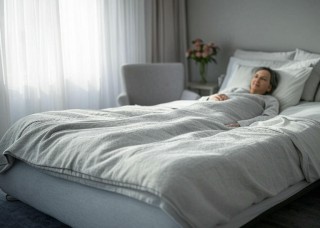
Dementia often results in disrupted sleep patterns, leading to excessive daytime sleeping due to factors like brain damage affecting circadian rhythms, medication side effects, and lack of structure in daily activities. Caregivers must monitor these changes closely, as oversleeping can increase risks such as malnutrition or dehydration, and provide necessary support and routines to enhance patient engagement and well-being.
The transition from assisted living to skilled nursing care is often prompted by complex medical needs that assisted living cannot meet, with key indicators including frequent health declines, increased falls, severe memory issues, and caregiver burnout. Families should recognize these signs early to discuss options with healthcare providers and prepare for the emotional and logistical aspects of moving to a facility that offers comprehensive medical support.
Dementia is characterized by cognitive decline, with nutrition playing a vital role in brain health; while no specific diet can prevent or reverse it, a nutrient-dense diet rich in antioxidants and healthy fats may support cognitive function. The MIND diet, which emphasizes beneficial foods and limits processed items, along with proper hydration and individualized meal strategies, can enhance the well-being of dementia patients.
Get PricingAsk A QuestionSchedule A TourContact Senior Advisor
By clicking submit, you agree to our Partner's Terms of Use. You
also consent to receive calls and texts, which may be autodialed, from our Partner. Your consent is not a condition to
using our Partner's service. Please visit our Partner's Privacy Policy for information about their privacy practices.

 1-bedroom apartments
 Assisted Living
 Memory Care
 Activities off-site
 Air-conditioning
 Beautician on-site
 Cable or satellite TV
 Cafe
Cafe Computer center
 Devotional services off-site
 Dining room
 Financing advice
 Garden
 General store
 Ground floor units
 Guest parking
 Housekeeping services
 Indoor common areas
 Kitchenette
 Laundry
 Outdoor common areas
 Overnight guests
 Party space
 Respite or short term stays offered
 Security gate
 Spa
Spa Wheelchair accessible showers
 Wi-Fi/high-speed internet available
 Transportation & parking
 Ambulatory care
 Hospice care
 Incontinence care
 Medication management
 Physical therapy
 Anytime dining
 Art classes
 Book club
 Catholic services
 Cooking classes
 Day trips and outings
 Educational speakers / life long learning
 Fitness programs
 Games
Games Karaoke
 Live musical performances
 Wii bowling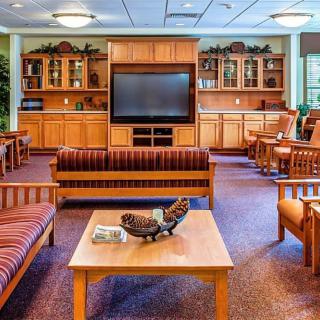
 Comfortable studio options with diabetic care, a welcoming environment, and a convenient location.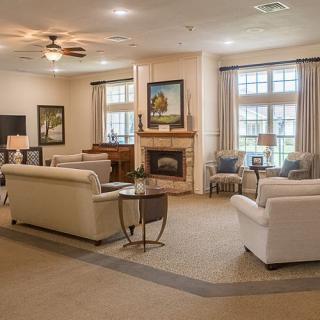
 Why Do Dementia Patients Sleep So Much? Understanding Oversleeping, Stages, and Care Approaches
 8 Key Indicators That Suggest It May Be Time to Transition from Assisted Living to Skilled Nursing Care
 Nourishing the Mind: Essential Dietary Approaches for Dementia