
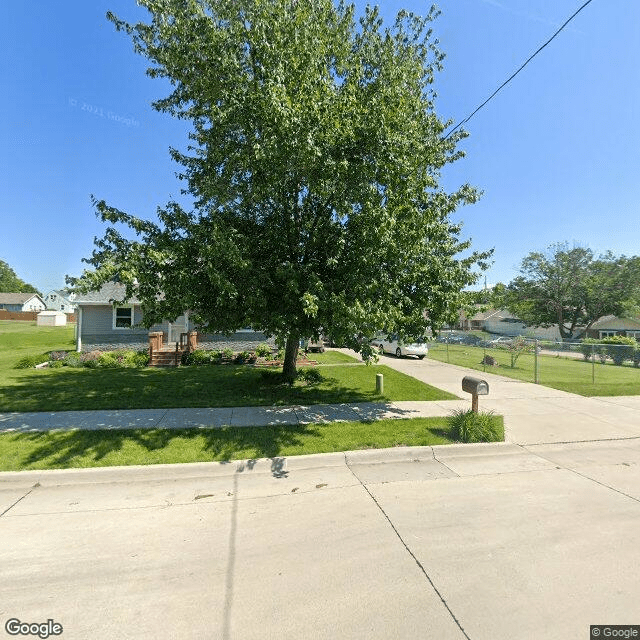
685 Cole Street, Carlisle, IA 50047
For more information about senior living options: (866) 208-4318
Carlisle Center For Assisted Living Costs & Pricing
The Carlisle Center For Assisted Living offers competitive pricing in comparison to the broader market in Warren County, Iowa. For a one-bedroom unit, residents can expect to pay $700 per month, which is significantly lower than the county average of $2,738 and the state average of $2,862. This presents an attractive option for individuals seeking affordability without compromising quality care. Conversely, the studio apartments at Carlisle are priced at $3,771 per month; while this is higher than the county's average of $3,550 and close to the state average of $3,613, it reflects the specialized services and amenities offered by the facility. Overall, Carlisle Center provides a unique balance of cost-effectiveness for one-bedroom accommodations while maintaining quality standards across its living options.
| Floor plans | Carlisle Center For Assisted Living | Warren County | Iowa |
|---|---|---|---|
| 1 Bedroom | $700 | $2,738 | $2,863 |
| Studio | $3,771 | $3,550 | $3,609 |
Assisted Living communities with a similar price nearby
-
About the same
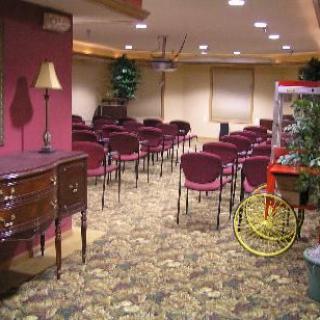
Rose Of East Des Moines
$700 to $765 / month9.2 miles away -
from +$60 / mo
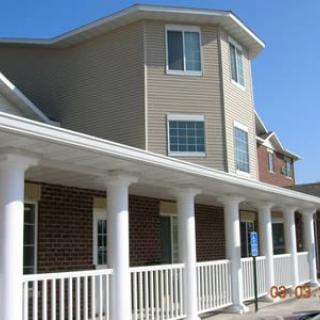
Rose Of Des Moines
$760 to $885 / month10.7 miles away -
About the same
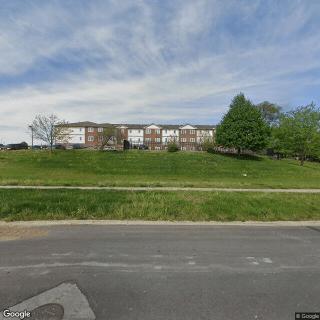
Walden Point
$686 to $807 / month9.9 miles away
Overall Review of Carlisle Center For Assisted Living
Pros
 The staff are great, and their concern and warmth are genuine.
- The facility is clean and well maintained.
- Carlisle’s small-town feel makes it easy to fit in.
- Carlisle Assisted Living has great new ownership and staff, and the residents seem happy and engaged.
- The care is outstanding and the cost is reasonable.
Cons
 One reviewer attributes a severe leg injury to staff mishandling a shower transfer, resulting in a rod in the leg.
- One reviewer claims that Barb Hinds is a disgruntled former employee fired for policy violations and asserts her certification should be revoked.
- One reviewer warns readers to take their family elsewhere and to run away.
Review
Carlisle Center For Assisted Living is best suited for families seeking a small-town, home-like setting where caregivers know residents personally and daily life centers on companionship and routine. The environment rewards predictability, direct communication, and a personal touch over resort-like amenities. For residents who value a warm, neighborly atmosphere, a clean, well-kept facility, and staff who seem genuinely invested in daily well-being, this community delivers. The charm of a tight-knit campus can ease transitions for new residents and help them settle in with less friction than peers in larger complexes. It is particularly appealing to families willing to stay engaged, ask questions, and maintain ongoing oversight of care and progress.
Those who should consider alternatives are families with higher demands for clinical oversight or specialized programming. If a resident requires intensive medical management, complex safety monitoring, or specialized memory care, a larger community with a more robust clinical team and extensive risk-management resources may be a better fit. Transparency about safety records, staffing stability, and ongoing caregiver training becomes crucial for those with heightened concerns about reliability and medical coordination. Additionally, residents needing frequent, varied therapies or a broader activities calendar may find that larger campuses offer more options and seamless access to on-site therapy services and diversified programming.
From a strengths standpoint, staff warmth and genuine concern stand out. Accounts repeatedly highlight caregivers who respond with attentiveness and patience, and the facility itself is described as clean and well maintained. The small-town setting is praised for helping residents “fit in” and feel at home, a factor that can reduce anxiety during transition and support lasting social connections. Some reviewers point to new ownership and improved staffing as signs of stronger operation, with residents appearing happier and more engaged. The combination of personal attention and a welcoming environment creates real value for residents who prioritize daily quality of life and meaningful interaction over lavish facilities.
Nevertheless, serious concerns temper that warmth. A report from a resident describes a significant fall tied to transfer technique, raising urgent questions about staff training, supervision, and fall-prevention protocols. Incidents like these warrant close scrutiny of transfer equipment, coaching practices, and the rigor of follow-up actions. In addition, several reviewers reference governance or culture issues and discourage proceeding without thorough due diligence, signaling that experiences can vary markedly by staff consistency and leadership effectiveness. With the community’s overall rating hovering around the midpoint, the lived experiences of individuals, especially around safety and reliability, will heavily influence whether Carlisle delivers predictable, dependable care.
Prospective residents can mitigate these concerns by conducting rigorous due diligence. Schedule hands-on tours focused on safety: observe transfers, inspect fall-prevention equipment, and request a sample week of care coordination notes to gauge consistency across staff. Inquire about staffing ratios, turnover rates, and the process for incident reporting and corrective action. Seek conversations with frontline caregivers to assess daily rapport and trust, not only with management. Request current training records and certifications for aides and CNAs, and compare them against state inspection findings. If possible, arrange short trial stays or shadow days, and insist on a clear, individualized care plan that aligns with medical and daily-living needs.
Verdict: Carlisle Center For Assisted Living suits families who prize a warm, neighborly atmosphere, straightforward care, and a reasonable price in exchange for a modest campus with intimate interactions. It is not the best fit for those who demand aggressive clinical oversight, robust safety infrastructure, or expansive programming. Families should push for transparency on safety training, incident resolution, and staff stability before committing. For some, the small-town charm and attentive staff will translate into a high quality of life and peace of mind. For others, the mixed feedback signals a need to explore additional options to ensure every care need, from fall prevention to medical management, is met with consistent, reliable excellence.
 44 resident community capacity
 Active Adult Communities (55+)
 Assisted Living
 Activities off-site
 Beautician on-site
 Cable or satellite TV
 Devotional services on-site
 Dining room
 Fully furnished
 Garden
 Housekeeping services
 Indoor common areas
 Kitchenette
 Move-in coordination
 Outdoor common areas
 Restaurant-style dining
 Small library
 Telephone
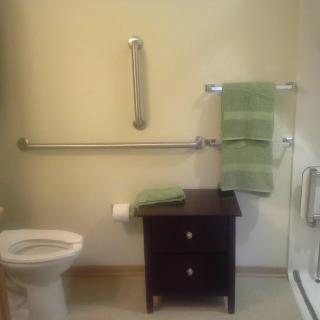
 Wheelchair accessible showers
 Wi-Fi/high-speed internet available
 Des Moines International (9 miles away)
 24-hour call system
 Ambulatory care
 Assistance with bathing
 Assistance with dressing
 Assistance with transfers
 Diabetes diet
 Diabetic care
 Medication management
 Mental wellness program
 Special dietary restrictions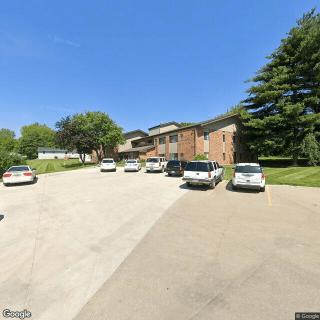





 Assisted Living and Memory Care: Understanding Their Core Differences
 Beyond the Bingo Hall: 50+ Enriching Activities for Seniors in Assisted Living
 Understanding the Distinctions: Assisted Living and Memory Care Explained